Moqueca Baiana what it is, how it's made and where to eat it
Moqueca baiana explained: dendê, coconut milk and the clay pot, Bahian vs Capixaba, a home recipe for four, and 12 places in Salvador to eat it, with 2025-26 prices.
The essentials in 30 seconds
Moqueca baiana is Salvador's great sit-down dish: fish or seafood simmered with dendê palm oil, coconut milk, tomato, onion, peppers and coriander, brought to the table still bubbling in a clay pot, with rice, farofa and pirão on the side. Its roots run through Indigenous, African and Portuguese cooking, and the Espírito Santo version next door leaves out the dendê and the coconut. Most moquecas are cooked for two, most kitchens that specialise in it serve lunch rather than dinner, and a pot for two runs from under R$ 200 to about R$ 320 (about US$ 38 to 62) in 2025-26. Below: what goes in it, the kinds on a menu, a home recipe for four, how to fly home with dendê, and twelve places in Salvador to eat it.
What moqueca baiana is
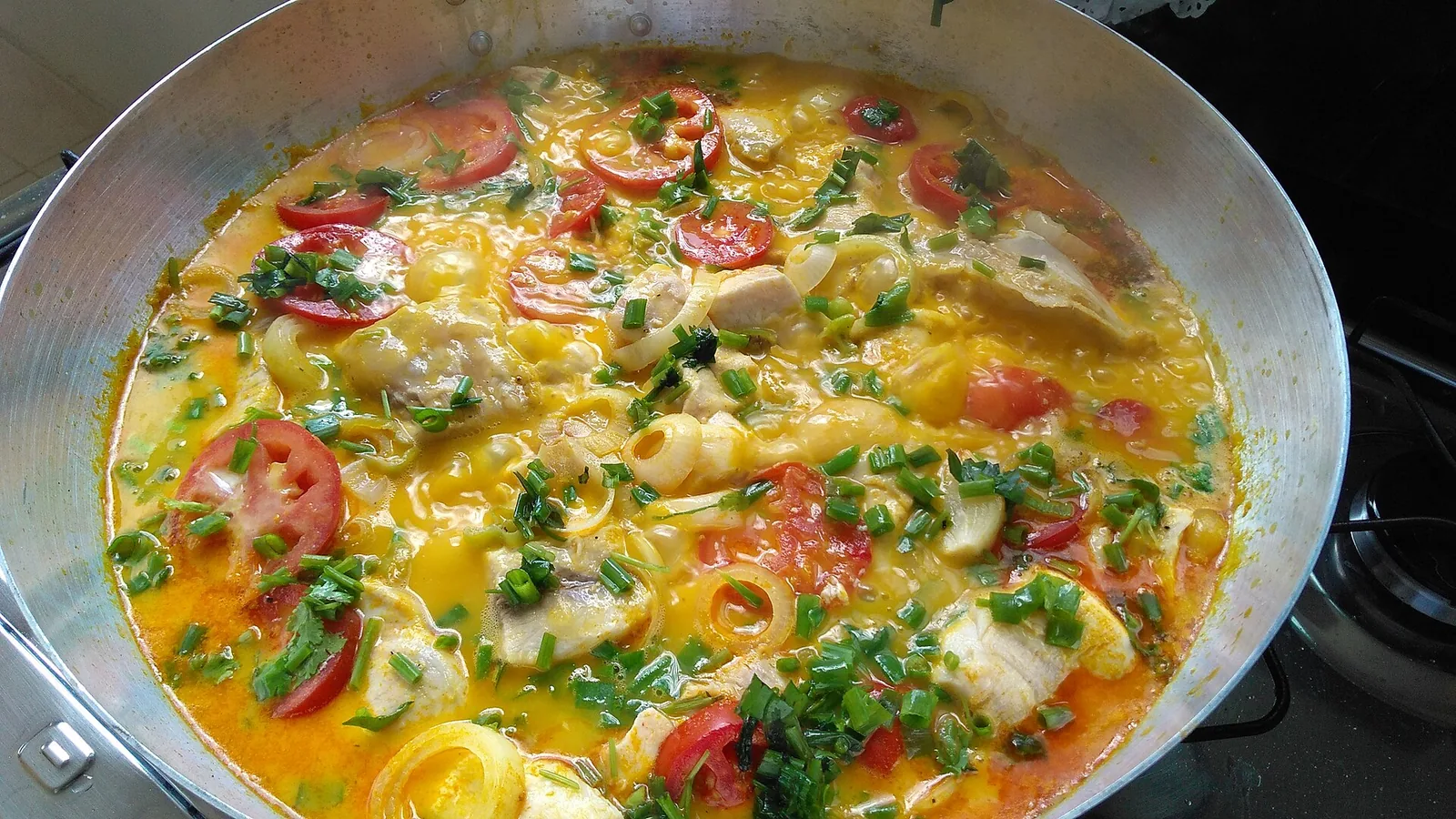
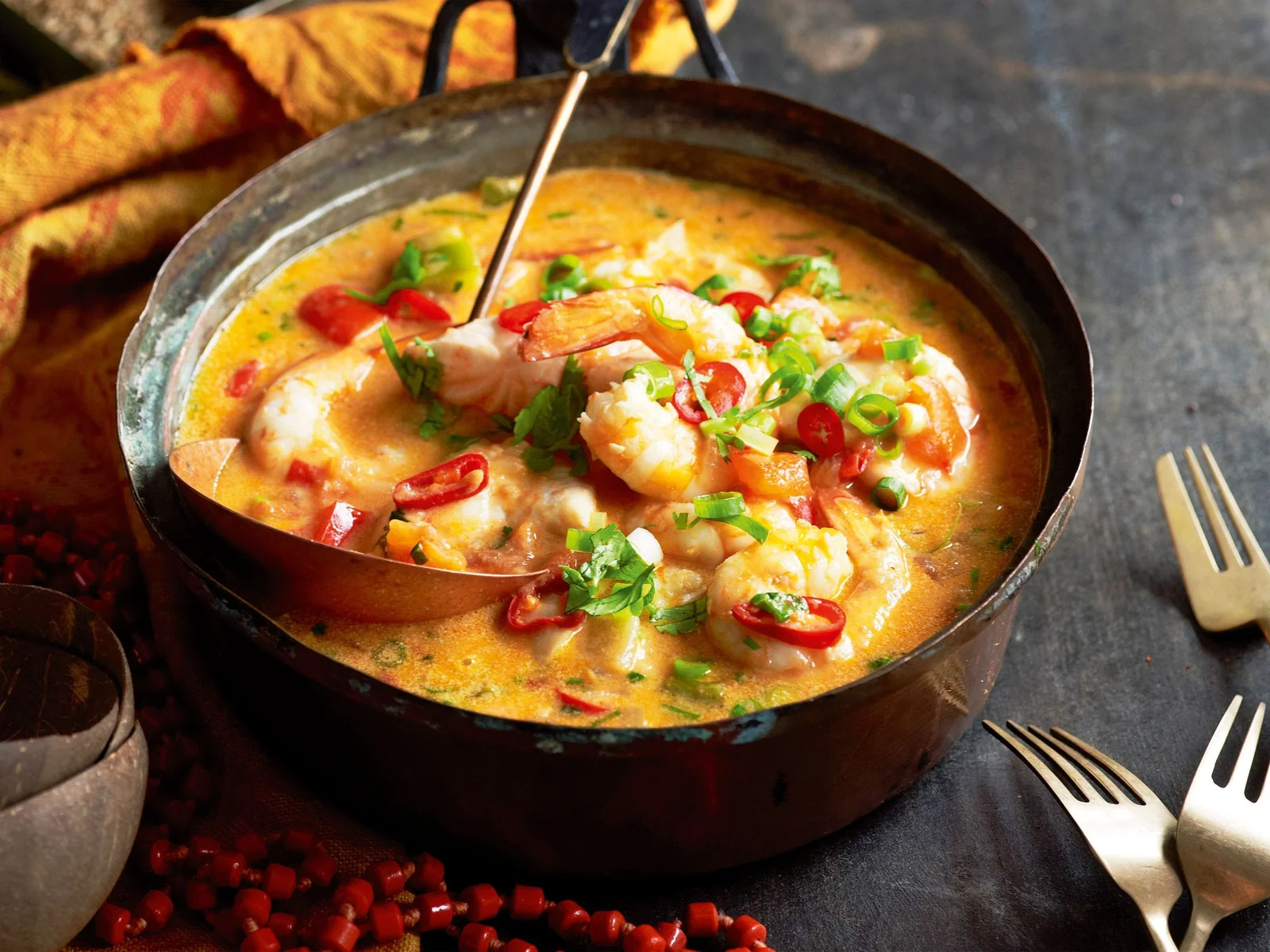
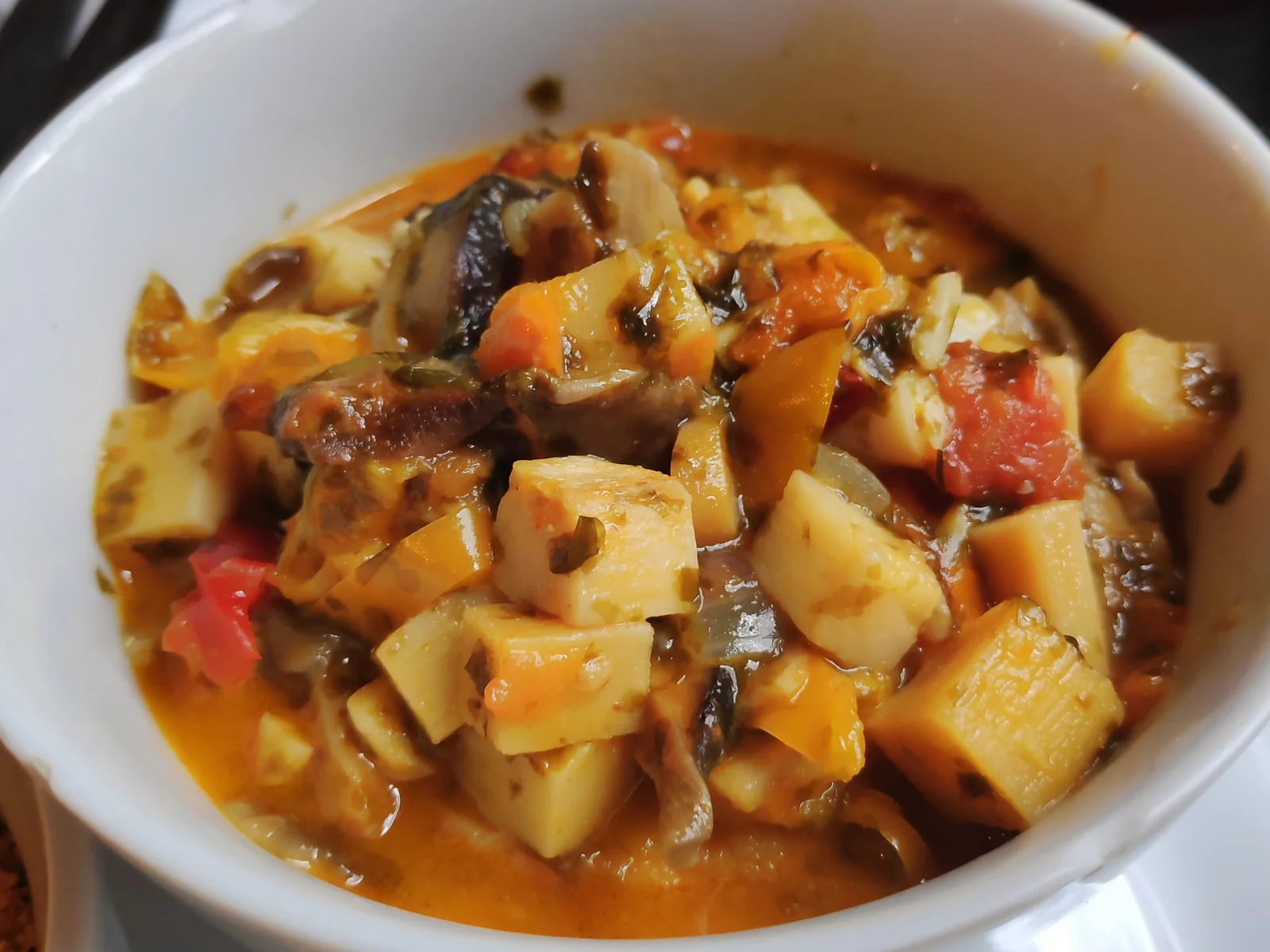
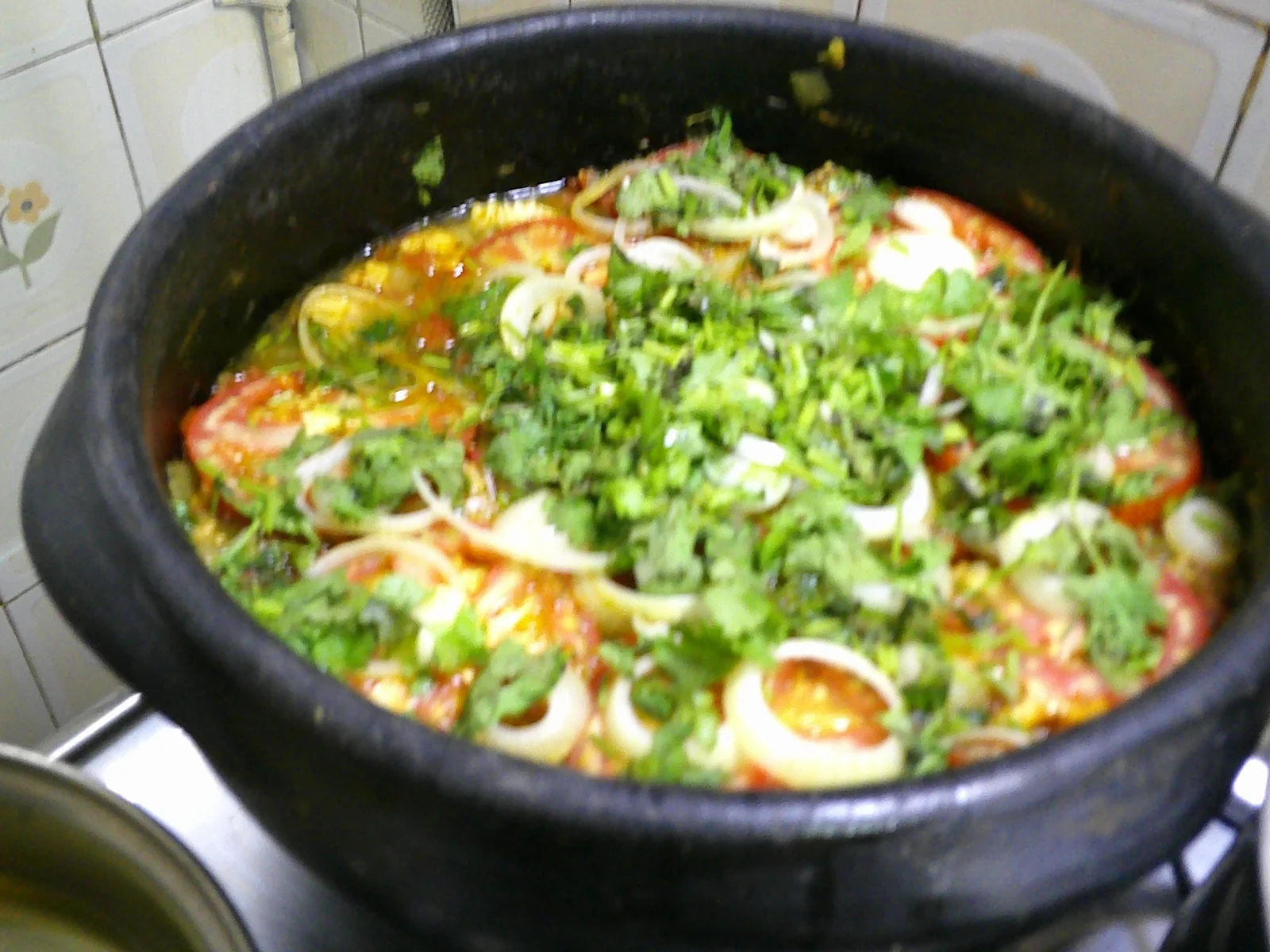
A moqueca is a seafood stew built in layers. In Bahia the base is sliced onion, tomato and sweet pepper, layered with the fish or shellfish, crowned with coriander and chives, then soaked in coconut milk and dendê, the reddish oil pressed from the fruit of the African oil palm. The pot goes to the table at a simmer and keeps cooking there. Chef Tereza Paim, whose Casa de Tereza in Rio Vermelho is one of the city's best-known moqueca houses, put the rule in one line to A Tarde: in Bahia, whatever the kind, a moqueca always has coconut milk and dendê.
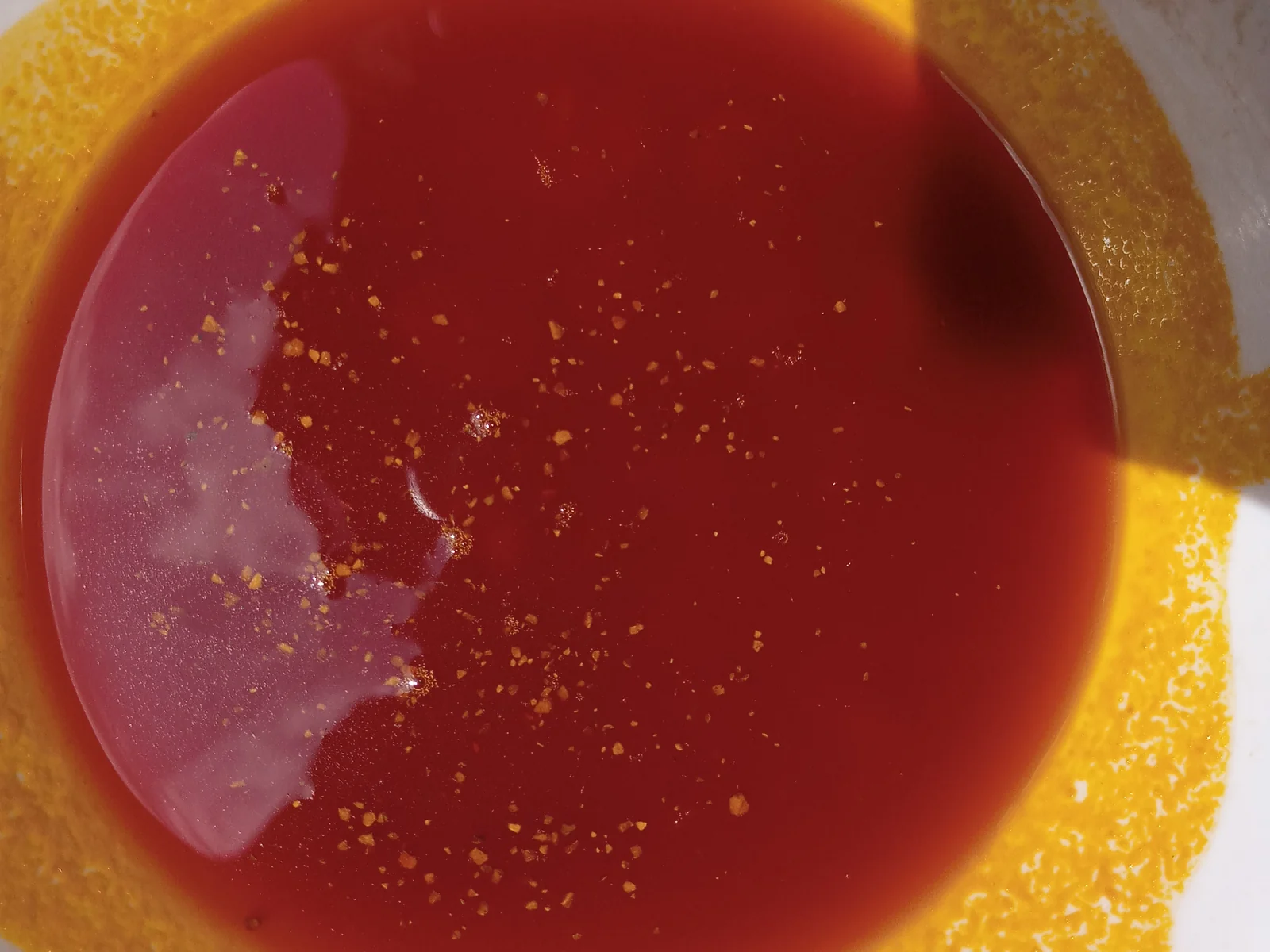
Each ingredient carries some history. Dendê comes from Elaeis guineensis, a palm native to West Africa; the oil reached Brazil in the sixteenth century with the slave trade, and Bahian records from 1798 show shipments arriving from the Costa da Mina and São Tomé. It is reddish because it is rich in beta-carotene. Coconut milk came by another route: the coconut palm is Asian, and A Tarde dates its arrival in Bahia, with the Portuguese, to 1553. The clay pot, says the city's own moqueca map, is part of the African inheritance too, because it holds the heat and lets the dish finish at the table.
Where the dish comes from
The origin is still debated, and historians, anthropologists and cooks each pull a different thread. The three usually named:
- Indigenous. The Tupi moquém was a way of roasting meat or fish wrapped in leaves over or under embers. The folklorist Luís da Câmara Cascudo linked the word to pokeka, fish wrapped in leaves and baked in an underground oven, and A Tarde notes that a poqueca of fish cooked in palm leaves is still made by Indigenous peoples in Pará. A 1554 letter by Father Luís da Grã is probably the earliest document to mention moquém, and in 1584 Fernão Cardim wrote of little fish cooked that way.
- African. The city's moqueca map credits Africa with the dendê, the coconut milk as a cooking liquid and the clay pot. The anthropologist Vilson Caetano argues for an African origin outright, and told A Tarde he found the same base of tomato, onion, pepper and palm oil on a trip to Nigeria in 2020.
- Portuguese. The peixada, a Portuguese fish stew, is the third thread: a stew of fish and vegetables that African ingredients and Indigenous technique then changed.
The first serious written account came from Manuel Querino, the Bahian scholar, in A Arte Culinária na Bahia (1928). His base sauce was salt, malagueta chilli, coriander, lime, tomato and onion, and he wrote that some cooks used olive oil and others azeite de cheiro, the "scented oil". Hildegardes Viana, who with Darwin Brandão first recorded the use of coconut milk in the 1950s, listed thirteen kinds of moqueca in her book, from fish roe and crab to aipim (cassava) and maturi, the green cashew nut. The pairing of fish with cassava flour, which survives as pirão, is the Indigenous part that never left the plate.
Bahian and Capixaba moqueca
Brazil has two famous moquecas. The other one comes from Espírito Santo, the state just south of Bahia, whose people are called Capixabas. Their moqueca uses olive oil and urucum (annatto) for colour, with no dendê, no coconut milk and no sweet pepper, and it is cooked and served in the black clay pans made by the paneleiras of Goiabeiras, a neighbourhood of Vitória. Those pans are dyed with mangrove bark, which seals and blackens the clay. In 2002 the paneleiras' craft was registered by IPHAN, the national heritage institute, as part of Brazil's cultural heritage. Pará has a third version, with tucupi and jambu leaves.
| Moqueca baiana | Moqueca capixaba | |
|---|---|---|
| Fat | Dendê palm oil | Olive oil, coloured with urucum |
| Coconut milk | Yes | No |
| Sweet pepper | Yes | No |
| Pot | Clay pot | Black clay pan from Goiabeiras |
| Usual sides | Rice, farofa, pirão | Rice, pirão |
| Taste | Rich, golden, a little sweet | Lighter, tomato-led |
Even inside Bahia the rule bends. The Portuguese Wikipedia entry says the Bahian version always has dendê while coconut milk is sometimes left out, and Querino's 1928 base allowed olive oil. Every 30 September is the Dia da Moqueca, the moqueca's day, and the Fasano hotels, Gero in Salvador among them, mark it with moqueca menus.
The kinds you will see on a menu
Menus in Salvador usually list the moqueca by what goes into it. The common ones:
- Moqueca de peixe: fish. The fish of the day decides it; dourado, arraia (ray), badejo and beijupirá all appear on the city's moqueca map.
- Moqueca de camarão: shrimp.
- Moqueca mista: fish and shrimp together. Dadá, the cook behind Sorriso da Dadá in the Pelourinho, told A Tarde she created it.
- Moqueca de siri and siri mole: crab, or soft-shell crab. Restaurante Yemanjá lists both.
- Moqueca de ostra: oysters, on the menu at Yemanjá and Ki-Mukeka.
- Polvo, lagosta and sururu: octopus, lobster and sururu, a local shellfish. Casa de Tereza's "Trilogia do Mar" puts lobster or octopus with shrimp and fish in one pot.
- Moqueca de maturi: shrimp with green cashew nuts, which Dona Mariquita serves with rice, pirão and efó.
- Moqueca de banana-da-terra: the plantain moqueca, the standard vegetarian version. Cooks also use jackfruit, palm heart and green cashew. Casa de Tereza offers a vegetarian moqueca, and Rango Vegan in Santo Antônio makes a vegan one with plantain.
Chef Tereza Paim also lists moquecas of dried beef, egg, maxixe and oxtail, so do not be surprised by what turns up in the pot. For more meat-free ordering, see our vegetarian and vegan Salvador guide.
What comes with it
A moqueca comes with side dishes, each in its own bowl:
- Pirão: the moqueca's own broth thickened with cassava flour into a soft, savoury porridge. Spoon it over the rice.
- Farofa: toasted cassava flour. In Bahia it is commonly made with dendê as the fat, which gives it its colour and flavour; some houses serve a butter farofa instead.
- Arroz branco: plain white rice. Casa de Tereza serves coconut rice with its Trilogia do Mar.
- Pepper: malagueta chilli comes on the side; Recanto da Tia Maria in Monte Serrat lists pepper with its octopus and shrimp moqueca.
- Molho lambão: a loose relish of chopped tomato, onion and sweet pepper with malagueta, lime, vinegar and coriander, named for the mess it makes. Panelinha, the Brazilian recipe site, suggests it with grills and everyday rice and beans; it is good with a moqueca if you want something sharp.
Some houses add vatapá (Donana serves its shrimp moqueca with pirão or vatapá), and Dona Mariquita's poqueca comes with acaçá de leite. Our street food guide explains vatapá and the rest of the acarajé fillings.
Moqueca de camarão at home, for four
This follows the recipe Chef Tereza Paim shared with Correio in January 2025, with US measures added. Her method is to layer everything and leave the pot alone: the oil and coconut milk go on last.
| Ingredient | Metric | US |
|---|---|---|
| Raw shrimp, peeled | 800 g | 1.75 lb |
| Onions, sliced in rings | 600 g (about 4 medium) | 1.3 lb |
| Tomatoes, sliced in rounds | 600 g | 1.3 lb |
| Sweet pepper, sliced in rings | 60 g | about half a pepper (2 oz) |
| Garlic | 15 g (about 5 cloves) | 5 cloves |
| Coriander (cilantro) | 50 g | 1 large bunch (1.75 oz) |
| Chives | 50 g | 1 large bunch (1.75 oz) |
| Coconut milk | 300 ml | 1 1/4 cups |
| Dendê palm oil | 100 ml | scant 1/2 cup (7 tbsp) |
| Salt | to taste | to taste |
- Season the shrimp with salt and crushed garlic and set aside while you slice the vegetables.
- In a clay pot or a wide, heavy pan, lay half the onion, tomato and pepper rings in an even bed.
- Spread the shrimp over the vegetables, then cover them with the rest of the onion, tomato and pepper.
- Scatter the chopped chives and coriander on top.
- Pour the coconut milk and the dendê over everything. Do not stir.
- Cover and cook over medium heat until the onion is soft and the shrimp have turned pink and opaque all the way through. Shrimp cook fast, so check early. Taste the broth for salt.
- Take the pot to the table and serve with white rice, farofa and, if you like, a pirão made by stirring cassava flour into a ladle of the hot broth.
For a fish moqueca, use firm white fish steaks in place of the shrimp and give them a little longer. For a vegetarian pot, use thick slices of ripe plantain, with palm heart if you can find it. If you buy a clay pot, season it with oil before the first use, as is done with the Goiabeiras pans.
Dendê: buying it and flying home with it
Buy your dendê in Salvador and look for azeite de dendê on the label. A few practical points:
- It sets in the cold. Palm oil is semi-solid at room temperature in cooler climates, so at home the bottle may turn thick and cloudy. Stand it in warm water for a few minutes and it pours again.
- Pack it in the hold. Carry-on liquids are limited to containers of 100 ml (3.4 oz); the US TSA rule, for example, sends anything larger to checked baggage, so check your airline. Wrap the bottle in a plastic bag, then a second, then a T-shirt.
- Add dried shrimp and a pot. The Feira de São Joaquim, the big open-air market on the bay in the lower city (open daily from 5:00 to 17:00), sells camarão seco (dried shrimp) and clay pots made in the Recôncavo. Clay travels best in the middle of a suitcase, packed in clothes.
- Check your own customs rules before you fly with food: they differ by country.
Where to eat moqueca in Salvador
The city's tourism office keeps an open "Mapa da Moqueca", last updated in July 2025, that lists more than sixty places across Salvador. The twelve below are the ones that fit a visitor's day, grouped by area. All are on the city's map as updated in July 2025, and several also appear in 2025-26 press. Few restaurants publish prices: where a figure is given it comes from the source named in the list at the end, and where there is none, ask before you order, because seafood is priced by the day's catch. As a guide, a moqueca for two at a sit-down restaurant runs from under R$ 200 to about R$ 320 (about US$ 38 to 62) in 2025-26.
| Place | Area and street | Known for | Rough price |
|---|---|---|---|
| Restaurante-Escola Senac | Pelourinho, Largo do Pelourinho 13 | Buffet of Bahian dishes, several moquecas at once | About R$ 100-110 (US$ 19-21) per person, 2026 |
| Sorriso da Dadá | Pelourinho, Rua Frei Vicente 5 | Dourado fish moqueca, the mixed moqueca | Not published; ask |
| Odoyá | Pelourinho, Largo do Cruzeiro de São Francisco 1 | Individual moqueca that feeds two; open evenings | Not published; ask |
| Gero, Hotel Fasano | Cidade Alta, Praça Castro Alves 5 | Hotel-dining moqueca with rice, farofa and pirão | R$ 280-320 (US$ 54-62) for two, Sep 2025 |
| Rango Vegan | Santo Antônio, Rua do Passo 62 | Vegan plantain moqueca | Not published; ask |
| Maria de São Pedro and Camafeu de Oxóssi | Comércio, upstairs in the Mercado Modelo | Moqueca with a bay view, steps from the Elevador Lacerda | Not published; ask |
| Dona Mariquita Casa de Veraneio | Comércio, Av. da França | Shrimp and maturi moqueca, poqueca in banana leaf; bay view | Not published; ask |
| Ré Restaurante Dona Suzana | Solar do Unhão, beside the Museum of Modern Art | Fish of the day, arraia moqueca; book by phone | Set on the day; ask when you book |
| Boca de Galinha | Plataforma, Rua Almeida Brandão 58A | Up to eight moquecas a day; weekends only, cash | Not published; ask |
| Casa de Tereza | Rio Vermelho, Rua Odilon Santos 45 | Trilogia do Mar; vegetarian moqueca | A meal about R$ 170-220 (US$ 33-42) per person |
| Dona Mariquita | Rio Vermelho, Rua do Meio 178 | Traditional Bahian recipes, poqueca, moqueca de maturi | Not published; ask |
| Yemanjá | Armação, Av. Otávio Mangabeira 4661 | Seafront classic; siri mole, ostra, lagosta moquecas | Not published; ask |
Pelourinho and the Cidade Alta
The easiest first moqueca in the old town is the Restaurante-Escola Senac on the Largo do Pelourinho, Senac's restaurant-school, open daily for lunch from 11:30 to 15:30. It is a fixed-price buffet of about forty Bahian dishes, so you can try more than one moqueca before you commit to a whole pot elsewhere; Senac Bahia's price order of April 2026 put it at about R$ 110 (US$ 21) a head, R$ 100 on Mondays to Wednesdays, drinks extra. Nearby, Sorriso da Dadá on Rua Frei Vicente (Tuesday to Sunday, 12:00 to 17:30) serves Dadá's dourado moqueca with rice, farofa and pirão. On the Largo do Cruzeiro de São Francisco, Odoyá stays open until 22:00 daily, useful when the lunch houses have shut. Maria Mata Mouro, on Rua da Ordem Terceira, mixes Bahian dishes with steaks and fish in an old house with a garden courtyard.
For a special night, Gero in the Hotel Fasano on Praça Castro Alves serves its moquecas with rice, farofa and pirão; in September 2025 a fish moqueca for two was R$ 280 (US$ 54), mixed R$ 300 (US$ 58) and shrimp R$ 320 (US$ 62). Our Pelourinho guide has the rest of the old town.
Santo Antônio Além do Carmo
Santo Antônio's restaurants lean towards bistro, Italian and bar food, so plan a moqueca elsewhere and come here for the view. Two exceptions on the city's map: Rango Vegan on Rua do Passo makes a vegan moqueca with plantain, and Zanzibar at Rua Direita de Santo Antônio 60 cooks Afro-Brazilian food, takes reservations and closes on Sundays and holidays.
The lower city and the bay
From the foot of the Elevador Lacerda it is a short walk to the Mercado Modelo, where Maria de São Pedro and Camafeu de Oxóssi serve moqueca upstairs (Monday to Saturday 9:00 to 18:00, Sundays and holidays 9:00 to 16:00); Maria de São Pedro has been cooking there for about eighty years. Our Mercado Modelo guide covers the market itself.
Also in the Comércio, on Avenida da França, Dona Mariquita Casa de Veraneio is the bayside branch of the Rio Vermelho original, in the Doca1 building, open Tuesday to Sunday from 12:00 to 17:00. A Tarde described it in February 2026 as serving the same classics, sarapatel to moqueca, and its poqueca is a moqueca baked in banana leaf from a recipe from Prado, in the far south of Bahia. Dona Mariquita appears on Exame's 2025 list of Brazil's hundred best bars and restaurants.
South of the Comércio, in the community at the Solar do Unhão beside the Museum of Modern Art, Ré Restaurante Dona Suzana cooks one of the city's most talked-about moquecas. Dona Suzana, now 70 and still in charge according to A Tarde in February 2026, cooks whatever the boats bring in, and the house is known for its arraia (ray) moqueca; the restaurant appeared on Netflix's Street Food: Latin America. There is no fixed menu: phone ahead to book and to agree the dish and price.
For a half-day out, Boca de Galinha in Plataforma, on the Subúrbio shore of the bay, opens for lunch on Fridays to Sundays and cooks up to eight kinds of moqueca a day, from mariscada to beijupirá. It takes cash only. The fun way there is the little boat from Ribeira across the inlet, R$ 2.10 (about US$ 0.40) a trip on the city's 2025 map.
Rio Vermelho and Barra
Casa de Tereza, at Rua Odilon Santos 45, is on both the city's moqueca map and Exame's 2025 list. It is open from noon every day (until 23:00 Monday to Wednesday, midnight Thursday to Saturday, 21:30 on Sunday), and its Trilogia do Mar puts lobster or octopus, shrimp and fish in one pot with coconut rice and farofa. The Mercure hotel's local guide puts a meal at about R$ 170 to 220 (US$ 33 to 42) a head; book through the restaurant's website. Also in Rio Vermelho, the original Dona Mariquita at Rua do Meio 178 cooks the traditional Bahian recipes the Comércio branch is based on, including the shrimp moqueca with maturi; it opens for lunch Tuesday, Wednesday and Sunday and until late Thursday to Saturday (check before you go, as one online listing has shown it temporarily closed). Our Rio Vermelho guide maps the neighbourhood.
In Barra, Barravento on Avenida Oceânica has the sea in front of its terrace and is on the city's moqueca map; it closes on Tuesdays.
Out along the coast
The seafront of Armação and Jardim Armação, a taxi ride up the Atlantic coast, has some of the city's biggest moqueca restaurants. Yemanjá at Av. Otávio Mangabeira 4661 is large, suits groups and opens 11:30 to 17:00; its menu runs from shrimp and fish to soft-shell crab, oyster, lobster and octopus. Ki-Mukeka at Av. Octávio Mangabeira 136 has the longest seafood list on the city's map, including badejo, arraia, sururu and cod; its Jardim Armação house hosted the launch of the state's 2025 moqueca contest. Bargaço in Jardim Armação, seating 190, has been open since 1971.
The state moqueca contest
Bahia now crowns a best moqueca every year. The Concurso da Moqueca, run by the state tourism secretariat Setur-BA with the restaurant association Abrasel-BA, started in 2023 and draws dishes from the state's tourist zones. The 2025 final was held on 23 November at the Mercado do Rio Vermelho (Ceasinha) in Salvador, and the trophy, the Dendê de Ouro, went to the "Nossa Divina Moqueca" of Nossa Casa Frutos do Mar in Juazeiro, on the São Francisco river. Earlier winners came from Santa Cruz Cabrália (2023) and Itacaré (2024), a reminder that some of the best moquecas in Bahia are cooked far from the capital. If you are in Salvador in November, look out for the 2026 final.
Ordering tips
- Make it lunch. Many moqueca kitchens close in the late afternoon: Senac at 15:30, Yemanjá and Dona Suzana around 17:00, Sorriso da Dadá at 17:30. For dinner, choose Casa de Tereza, Odoyá, Gero or Dona Mariquita on a Thursday to Saturday.
- Ask the price of the fish. Seafood moquecas are often priced by the day's catch. Ask "quanto é para dois?" (how much for two?).
- Chilli comes on the side. Tereza Paim's recipe has no chilli at all; the heat is in the pepper bowl, so add it spoon by spoon.
- Carry some cash. Boca de Galinha and Recanto da Tia Maria in Monte Serrat do not take cards, per the city's map.
- Getting there. Taxis and ride apps are the simple way to Rio Vermelho, Barra and Armação in the evening; our getting around guide has the details.
The Pelourinho houses, the Senac buffet and the two Mercado Modelo kitchens are all lunch on foot from our four suites in the Cidade Alta, a few minutes' walk from the Elevador Lacerda and the Pelourinho. For the wider list of tables in town, from tasting menus to beach bars, see the Salvador dining guide, and use the map of Salvador to plan the walk.
Frequently asked questions
What is the difference between moqueca baiana and moqueca capixaba?
The Bahian moqueca is cooked with dendê palm oil, coconut milk and sweet pepper. The Capixaba moqueca from Espírito Santo uses olive oil and urucum instead, with no dendê, no coconut milk and no sweet pepper, and is served in the black clay pans of Goiabeiras. The Bahian one is richer; the Capixaba one is lighter and more tomato-led.
How much does a moqueca cost in Salvador?
Most restaurant moquecas are sold as a pot for two. In 2025-26 expect from under R$ 200 to about R$ 320 (about US$ 38 to 62) for two, plus 10% service; the Fasano's Gero charged R$ 280-320 in September 2025. The Senac buffet in the Pelourinho, with several moquecas, cost about R$ 110 (US$ 21) a head in 2026.
Is moqueca spicy?
Usually not. Tereza Paim's recipe has no chilli at all, and coconut milk makes the stew creamy and slightly sweet. The heat comes from the malagueta pepper served on the side, so you control it.
Is there a vegetarian moqueca?
Yes. The plantain moqueca, moqueca de banana-da-terra, is the classic, and cooks also use jackfruit, palm heart and green cashew. Casa de Tereza has a vegetarian moqueca and Rango Vegan in Santo Antônio makes a vegan one with plantain.
Can I take dendê oil home on the plane?
Yes, in checked luggage. Carry-on liquids are limited to 100 ml (3.4 oz) per container, so pack the bottle in two plastic bags and wrap it in clothes in your hold bag. Expect it to turn solid in a cold climate; warm the bottle in water to use it.
Is moqueca eaten at lunch or dinner?
Mostly at lunch. Many of the best-known moqueca kitchens open around noon and close between 15:30 and 17:30, so plan it as your main meal of the day and keep dinner light.
Where can I eat moqueca near the Pelourinho?
The Senac restaurant-school on the Largo do Pelourinho (buffet lunch daily), Sorriso da Dadá on Rua Frei Vicente and Odoyá on the Largo do Cruzeiro de São Francisco are all in the old town, and the two Mercado Modelo kitchens are at the foot of the Elevador Lacerda. For dinner in the Cidade Alta, Odoyá is open until 22:00 and Gero is in the Fasano on Praça Castro Alves.
Sources
- Salvador da Bahia (city tourism): O Mapa da Moqueca em Salvador (restaurant addresses and hours, the Indigenous, African and Portuguese strands, pirão, the Ribeira boat fare; updated July 2025; in Portuguese; checked Oct 2026).
- A Tarde: A arte da moqueca baiana, tradição e costumes (Querino 1928, Câmara Cascudo, Vilson Caetano, coconut in 1553, Hildegardes Viana's thirteen kinds, Tereza Paim and Dadá; April 2023; in Portuguese; checked Oct 2026).
- Correio: Chef ensina como fazer a legítima moqueca baiana (Tereza Paim's shrimp moqueca for four and other versions; January 2025; in Portuguese; checked Oct 2026).
- Wikipedia: Moqueca and Wikipedia (Portuguese): Moqueca (pokeka, moquém, the 1554 and 1584 documents, Capixaba ingredients, Goiabeiras pans and the 2002 IPHAN registration, vegetarian versions; checked Oct 2026).
- Wikipedia (Portuguese): Azeite de dendê and Wikipedia: Palm oil (origin of the palm, the 1798 Bahian records, colour, semi-solid at room temperature; checked Oct 2026).
- Folha de Pernambuco: Dia da Moqueca é comemorado pelo grupo Fasano (Gero Salvador moqueca prices, Dia da Moqueca on 30 September; September 2025; in Portuguese; checked Oct 2026).
- Salvador da Bahia: Salvador entre os 100 melhores bares e restaurantes do Brasil em 2025 (Exame Casual 2025 list: Casa de Tereza, Dona Mariquita in Rio Vermelho and the Comércio; in Portuguese; checked Oct 2026).
- A Tarde: Restaurantes do Comércio valorizam a história (Dona Suzana, Dona Mariquita Casa de Veraneio and the poqueca; February 2026; in Portuguese; checked Oct 2026).
- Jornal Grande Bahia: Concurso da Moqueca 2025 (final on 23 November 2025, winner from Juazeiro; in Portuguese; checked Oct 2026) and A Tarde: Restaurantes da Bahia disputam título de melhor moqueca (launch at Ki-Mukeka, September 2025; in Portuguese).
- Casa de Tereza: location and contacts (address and opening hours; 2026 menu on the site; in Portuguese; checked Oct 2026) and Mercure local guide: Rio Vermelho (price per person).
- Senac Bahia: price policy for the restaurant-schools (Pelourinho buffet prices, April 2026; in Portuguese; checked Oct 2026).
- Panelinha: Molho lambão (ingredients of the relish; in Portuguese) and Wikipedia (Portuguese): Farofa (dendê farofa in Bahia; checked Oct 2026).
- Salvador da Bahia: Feira de São Joaquim (hours, dried shrimp and Recôncavo clay pots; in Portuguese) and TSA: Liquids rule (100 ml carry-on limit; checked Oct 2026).
Stay in the historic centre
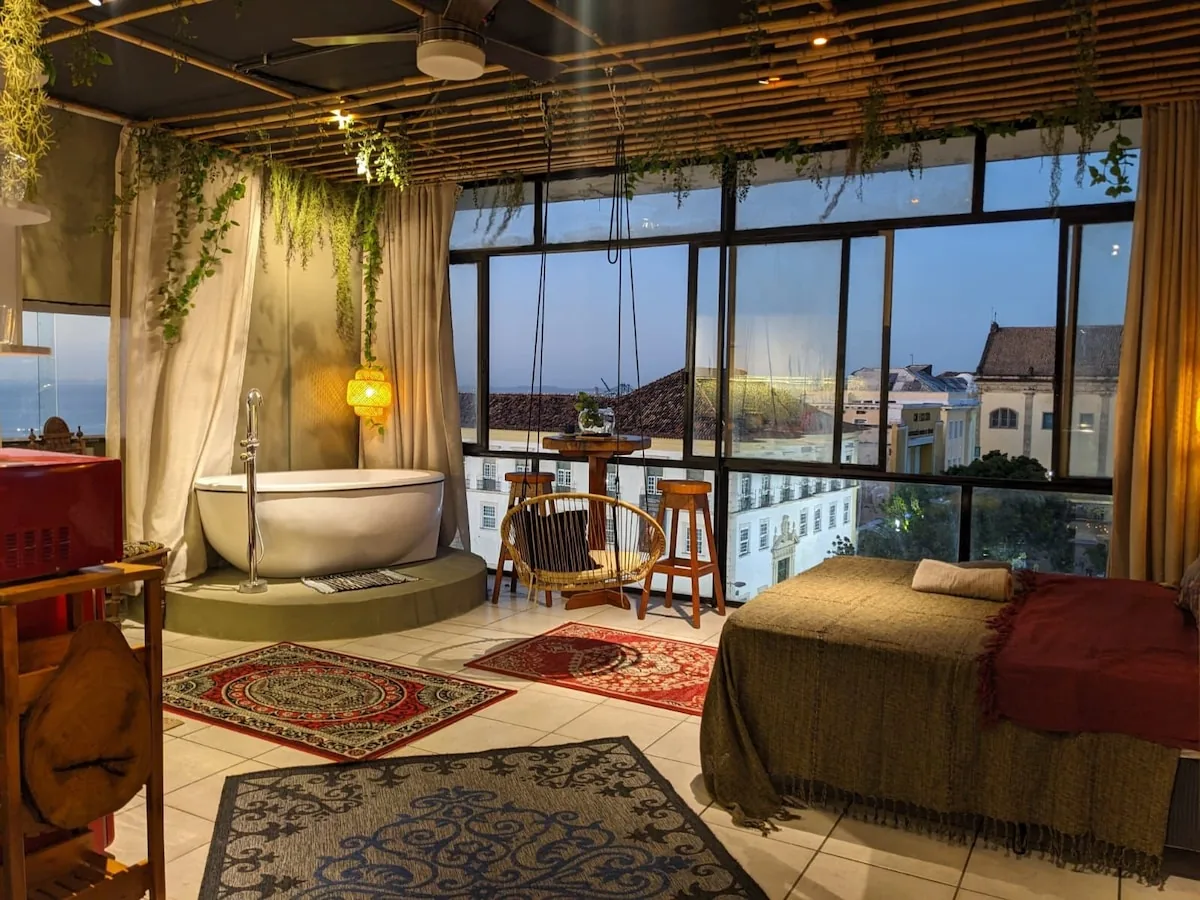
Our four suites are in the Cidade Alta, a few minutes on foot from the Elevador Lacerda and the Pelourinho. They are booked on Airbnb.


Salvador, in images
Photographs of the neighborhood, restaurant, and beach featured in this guide, with credit to each photographer.
Ready to discover Salvador?
Book one of the four Via Avantgarde suites in the Pelourinho — and receive the complete guides with recommendations for your stay.