Itacaré from Salvador how to get there and how many nights
Itacaré from Salvador: the ferry-and-bus route with 2026 fares, flying to Ilhéus, the beaches and trails, surfing, rafting, a cacao farm, and how many nights to stay.
The essentials in 30 seconds
Getting to Itacaré from Salvador takes most of a day, so give it three or four nights. The public-transport route is the ferry-boat to Bom Despacho on Itaparica (60 to 80 minutes, R$ 7.20 on weekdays in 2026), then a Cidade Sol or Águia Branca bus down the coast for about five and a half hours, at roughly R$ 85-110. The quicker alternative is to fly to Ilhéus and ride some 70 to 75 km north on the BA-001. Once you arrive, the town beaches are a stroll away, the wilder coves need a trail, and rafting, a waterfall and a cacao farm are all within an hour.
Where Itacaré is
Itacaré sits at the mouth of the Rio de Contas on the stretch of southern Bahia known as the Costa do Cacau, about 250 km south of Salvador by the ferry route and 70 to 75 km north of Ilhéus. The settlement grew around a chapel to São Miguel founded by the Jesuit Luís da Grã, and was long called São Miguel da Barra do Rio de Contas; it became the seat of a municipality in 1732 and took the name Itacaré in 1931. For most of its history it lived from cacao, grown in the cabruca system under the shade of the Atlantic Forest. The paved road from Ilhéus, opened in 1998 as the Estrada Parque, brought the surfers first and then everyone else.
The 2022 census counted 27,704 people in the whole municipality, and the town still feels small: a few streets behind the Praia da Concha, a river port, and to the south a coast of coves divided by forested headlands. Tides, trails and the swell set the pace of a stay here.
How to get to Itacaré from Salvador
There is no direct coach from Salvador's bus terminal to Itacaré; the buses start on the far side of the bay, at Bom Despacho on the island of Itaparica. That leaves four realistic ways down. The times below are door to door from the Cidade Alta, and the prices are 2026 figures where we could find them.
| Route | Time | Cost per person (approx.) | Best for |
|---|---|---|---|
| Ferry-boat to Bom Despacho, then bus | 7 to 8 hours | Ferry R$ 7.20-9.50 plus bus R$ 85-110 (about US$ 18-23) | Budget travel without a car |
| Fly Salvador to Ilhéus, then road | 3 to 4 hours when a nonstop is flying | Airfare varies; Ilhéus-Itacaré bus about R$ 25-40 | Short trips, or flying home from Ilhéus |
| Drive via the ferry and the coast road | 4 to 5 hours of driving plus the crossing | Ferry R$ 64.70 weekdays, R$ 91.70 weekends per small car | Car hire and side trips |
| Drive the all-road route via Feira de Santana | About 6 hours, roughly 390 km | Car hire and fuel | Holiday weekends with long ferry queues |
By ferry-boat and bus
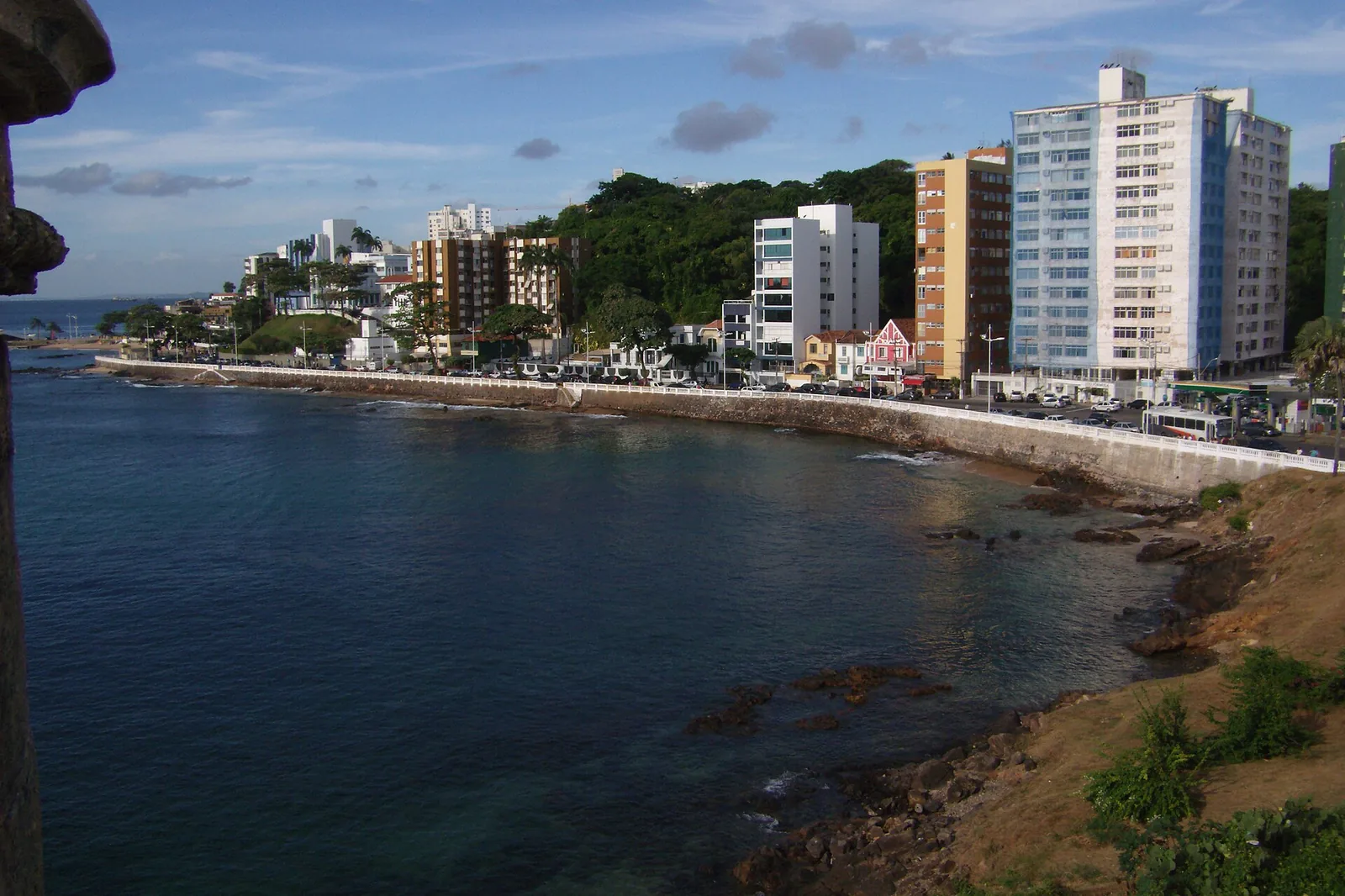
The ferry-boat to Itaparica leaves from the Terminal de São Joaquim, in the Lower City north of the Comércio, a short taxi or app ride from the Cidade Alta. The operator, Internacional Travessias, says the crossing to Bom Despacho takes 60 to 80 minutes depending on tide and weather. Under the fare table approved by AGERBA, the state transport regulator, in force since 6 March 2026, a foot passenger pays R$ 7.20 on weekdays and R$ 9.50 on weekends and holidays, about US$ 1.40-1.80. Foot passengers usually move faster than cars: on the 7 September holiday weekend in 2026, when cars queued for more than three hours, the press reported the pedestrian side as calm.
From the Bom Despacho bus station, on Rua do Quebra-Mar, two companies run the coast road to Itacaré: Viação Cidade Sol and Águia Branca. A ticket listing checked in October 2026 showed departures from 6:20 until mid-afternoon, with rides of 5 hours to 5 hours 40 minutes. Fares listed on ticket sites in 2026 fall roughly between R$ 85 and R$ 110 (about US$ 16-21). The road runs through Nazaré, Valença, Taperoá, Ituberá and Camamu, so the same buses also serve travellers heading to Valença for Morro de São Paulo or Boipeba.
Flying to Ilhéus
Ilhéus Jorge Amado Airport (IOS) is the nearest airport to Itacaré, about 75 km away. A nonstop from Salvador spends under an hour in the air, but the route comes and goes: in 2026 Gol flew it only on Saturdays between 20 June and 1 August, leaving Salvador at 15:15 and landing at 16:05. Check Azul and Gol for your dates.
The more useful idea for many visitors is an open-jaw ticket: fly into Salvador, travel down the coast overland, and fly home from Ilhéus. Azul flies Ilhéus to São Paulo Congonhas and is adding extra flights on that route for the December 2026 to February 2027 season, and since June 2026 Gol has flown Ilhéus to Rio's Galeão every Saturday as a regular route.
From the airport the cheapest way on is the Rota Transportes bus from the Ilhéus bus station, about 5.5 km from the terminal. Buses run roughly every hour from early morning to early evening, take 1 hour 45 minutes to 2 hours, and cost around R$ 25-40 (about US$ 5-8) in 2026. A taxi or private transfer takes about an hour and a half; agree the price before you set off. The road is the BA-001, paved and signposted but with potholes in places, so a daylight drive is the relaxed choice.
Driving
By car the short way follows the bus: the ferry to Bom Despacho, then about 250 km south through Nazaré, Valença and Camamu, roughly four to five hours of driving at a normal pace. The 2026 ferry fare for a small car is R$ 64.70 on weekdays and R$ 91.70 on weekends and holidays (about US$ 12-18). Reserve a timed crossing, the Hora Marcada, up to 30 days ahead on the operator's website; without one, the car queue at São Joaquim can pass three hours at the start of a long weekend. The all-road alternative via Feira de Santana, the BR-101 and the BR-030 is about 390 km and six hours.
How many nights to give Itacaré
Three nights is the minimum that makes the travel worthwhile. Four gives you one beach trail, one river or waterfall day and one slow day on the town beaches, and five or more suits surfers and anyone adding the cacao farm and the Península de Maraú. If you are pairing Itacaré with Salvador, a common pattern is four nights in the city, four on this coast and a flight home from Ilhéus; our two weeks in Bahia itinerary sets that out day by day.
The town beaches
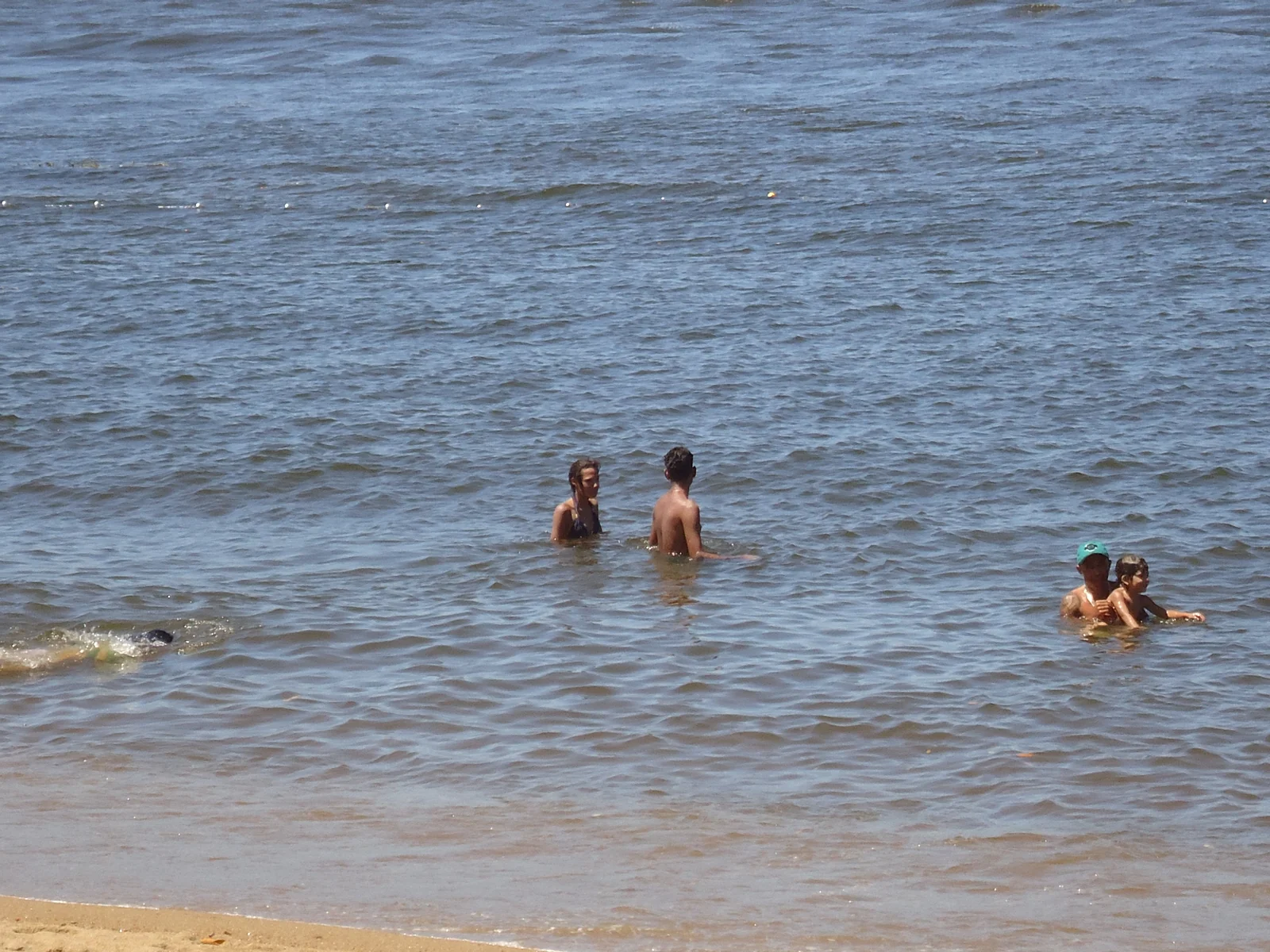
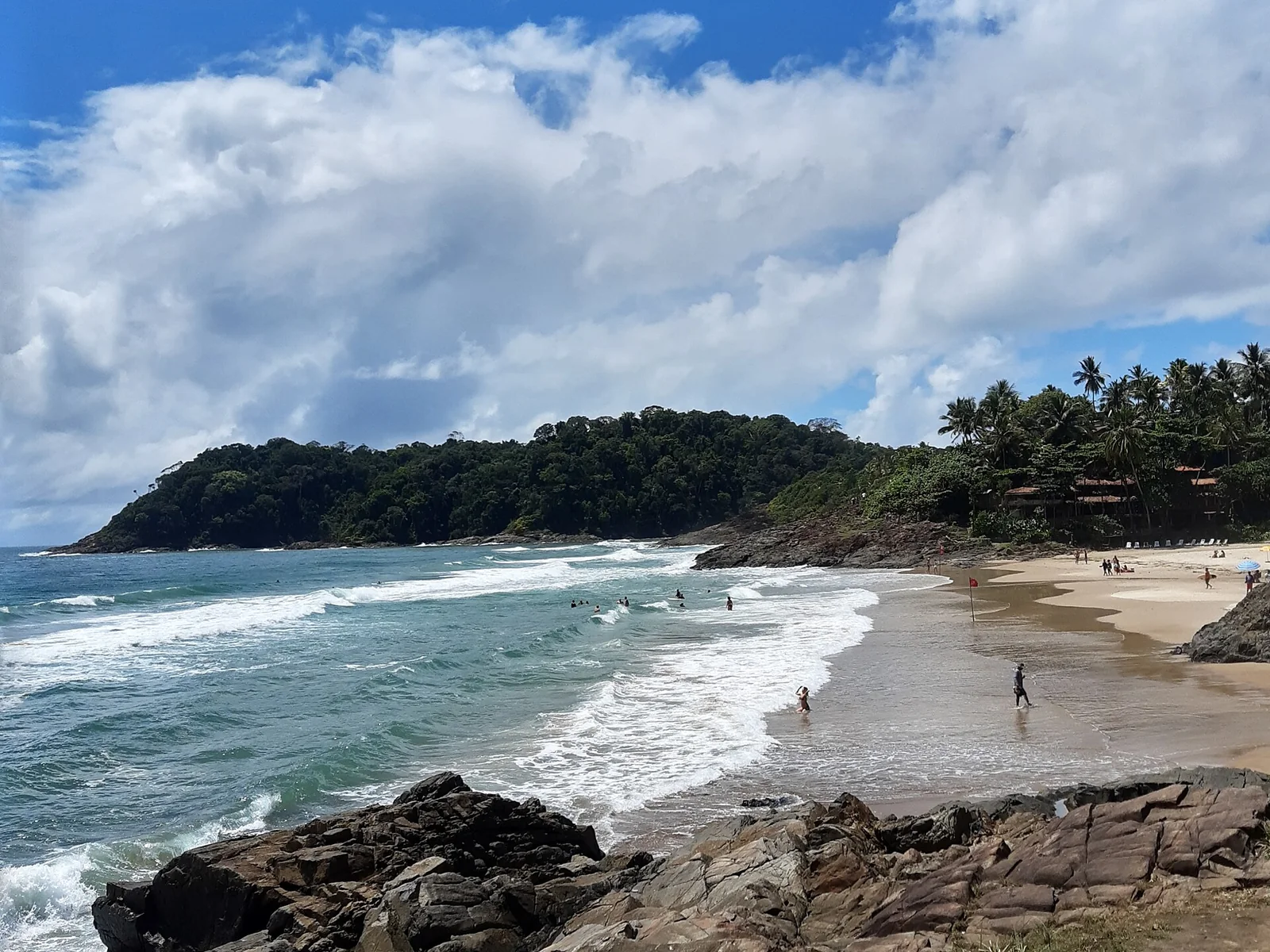
Praia da Concha starts right at the edge of the centre. The sea is calm, and the sand is backed by pousadas, restaurants and kiosks, which makes it the easy swimming beach and the place where stand-up paddle boards and outrigger canoes go out. South of it, a road known as the Caminho das Praias links four beaches in a row, each a short walk from the next:
- Resende, about 1.5 km from the Praia da Coroa, is usually quiet, with a few simple kiosks.
- Tiririca is the surf beach, with good waves and a younger, livelier crowd on the sand.
- Costa has currents that keep families away and no kiosks, so it is often the emptiest of the four.
- Ribeira, the last in the row, has calmer water, a freshwater river and kiosks with chairs, and it is where the trail to Prainha begins.
Beach access here is free, though on some beaches the only parking is on private land that charges. The tide changes these beaches a great deal, especially around new and full moons, so ask your pousada for the day's low-water time before you plan a long walk on the sand.
Beaches that need a trail
The coves people remember sit between headlands with no road to the sand.
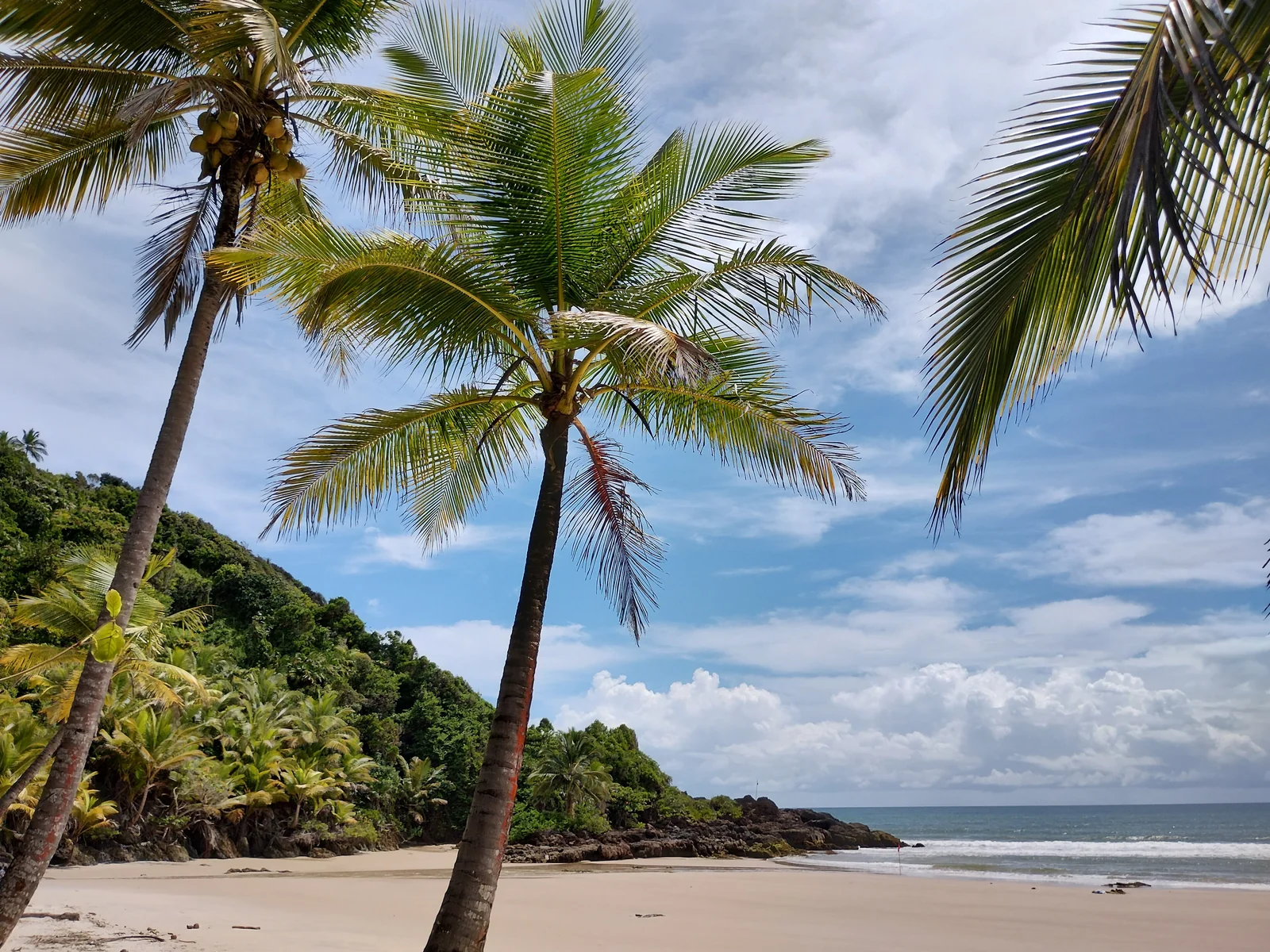
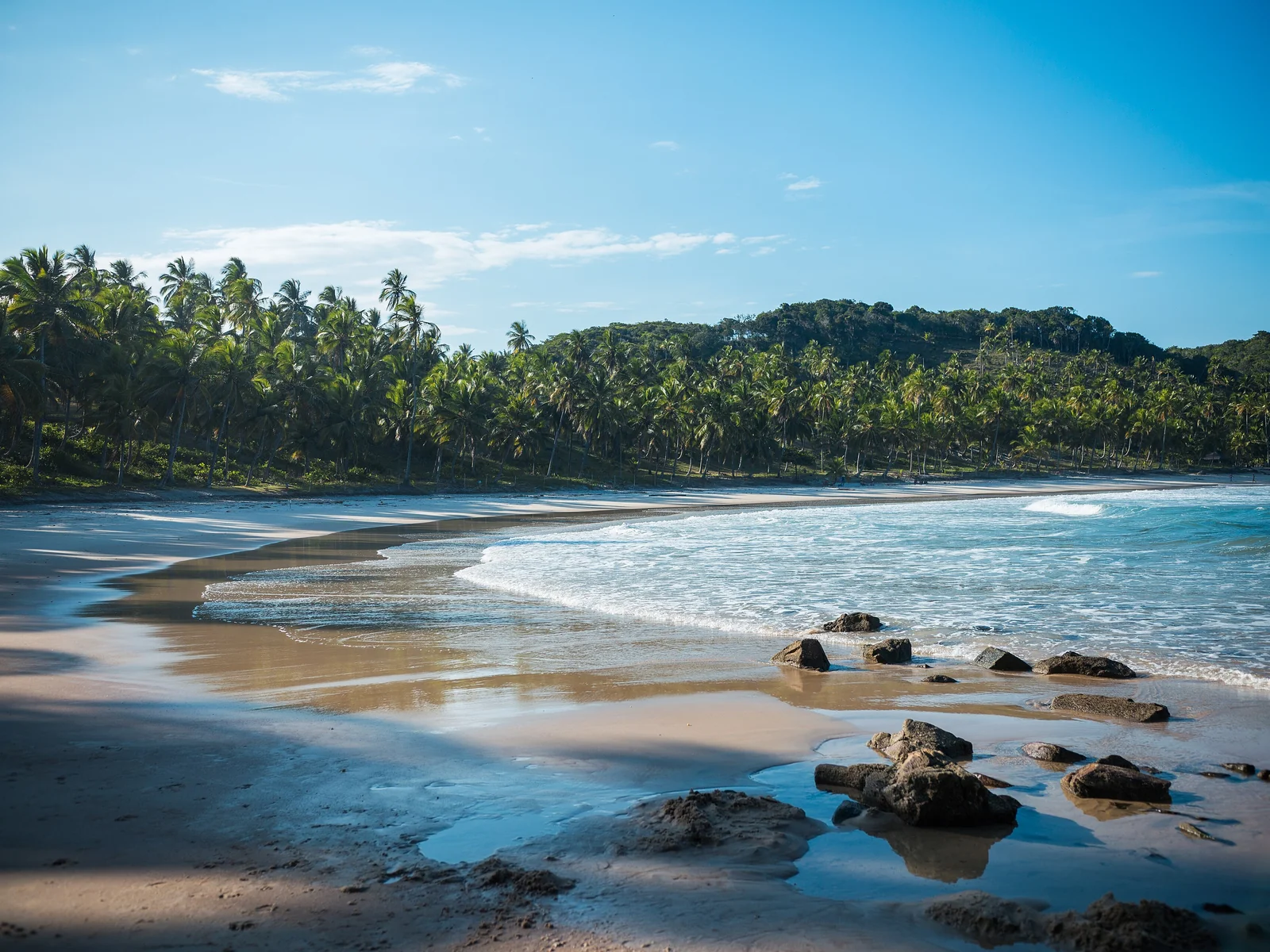
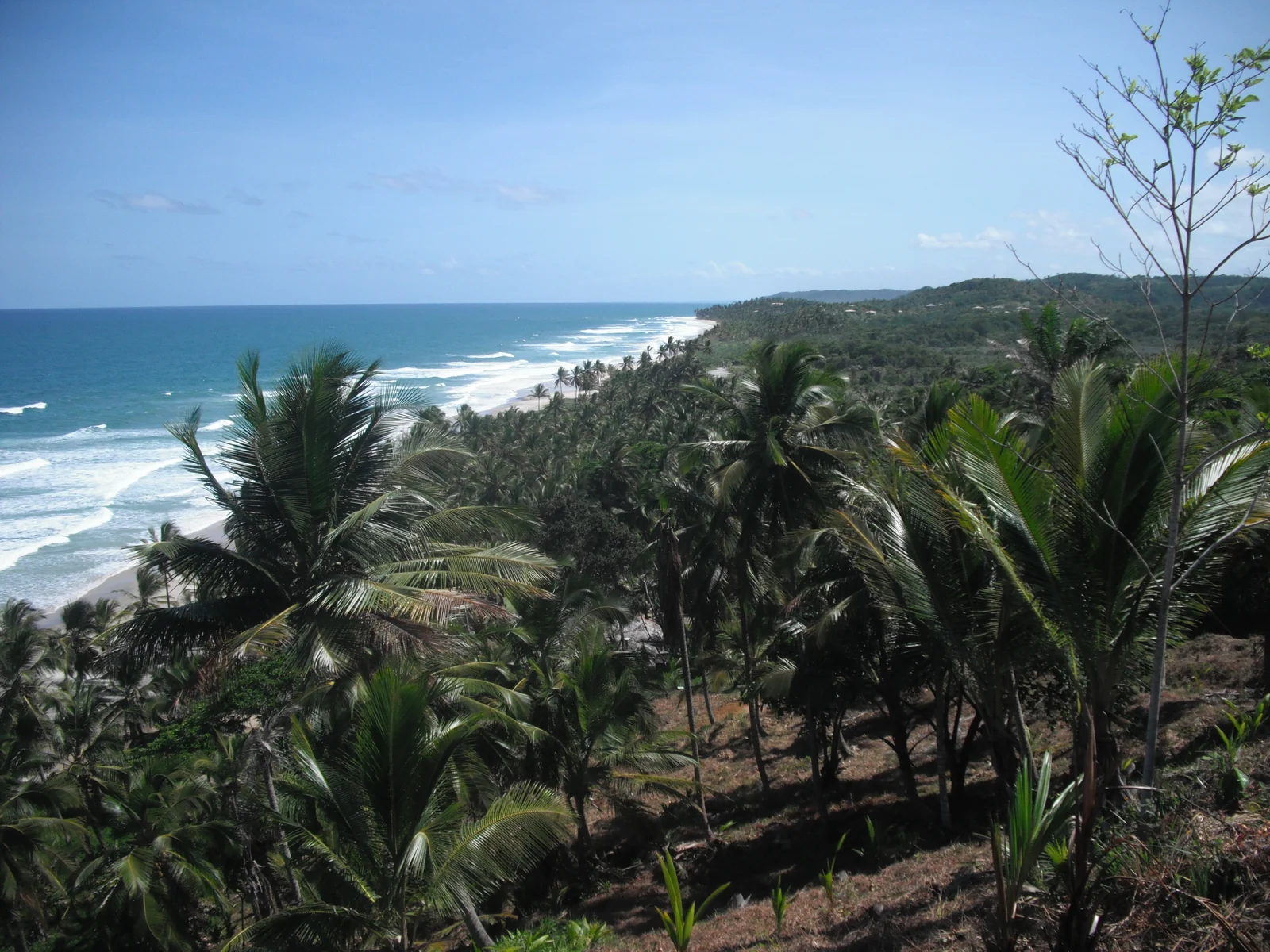
- Prainha is a horseshoe of sand framed by coconut palms and forest, about 40 minutes on foot from Ribeira on a trail of medium difficulty. The path has many forks and little signage, so a local guide is a sensible choice for the first visit.
- Jeribucaçu is reached by a dirt road of about 20 minutes off the BA-001 and then a trail of around half an hour. A freshwater river runs into the sea, there are kiosks, and because it takes effort to reach, it rarely fills up.
- The Trilha das Quatro Praias, the four-beaches trail, starts from a car park at about km 12 of the BA-001 towards Ilhéus and covers some 4 km in roughly an hour and a half of walking. It strings together Engenhoca, the surfers' favourite; Havaizinho, with calmer water and kiosks; Camboinha, also called Gamboa, the smallest and emptiest; and Itacarezinho, more than 3 km of sand and the largest beach in Itacaré.
Itacarezinho is the one beach on that trail you can also reach by car, through the restaurant at its entrance, which charges for parking; walkers enter free. Agencies in town sell the four-beaches walk as a guided day that often adds the Tijuípe waterfall; in March 2025 it cost about R$ 170 a person (about US$ 33).
Surfing in Itacaré
Itacaré is one of the best-known surf towns in Bahia, and Tiririca is its stage. The beach hosted World Surf League events in 2013, 2015 and from 2017 to 2019, and from 16 to 22 June 2025 it held the Itacaré Surf Festival, a stage of the Brazilian surfing confederation's Taça Brasil. On a normal day it is simply the town's surf beach, with Engenhoca as the other favourite.
Beginners can take lessons in town; ask at your pousada, which will know who is teaching that week. The longest-running option is EasyDrop, a surf camp on Rua João Coutinho in the centre, founded by Benjamin Kromayer in the late 1990s, which sells week-long packages of lessons and lodging with evening video review of each session; contact them for current dates and prices. On flat days, the calm water at the Concha suits a paddle board instead.
The Rio de Contas
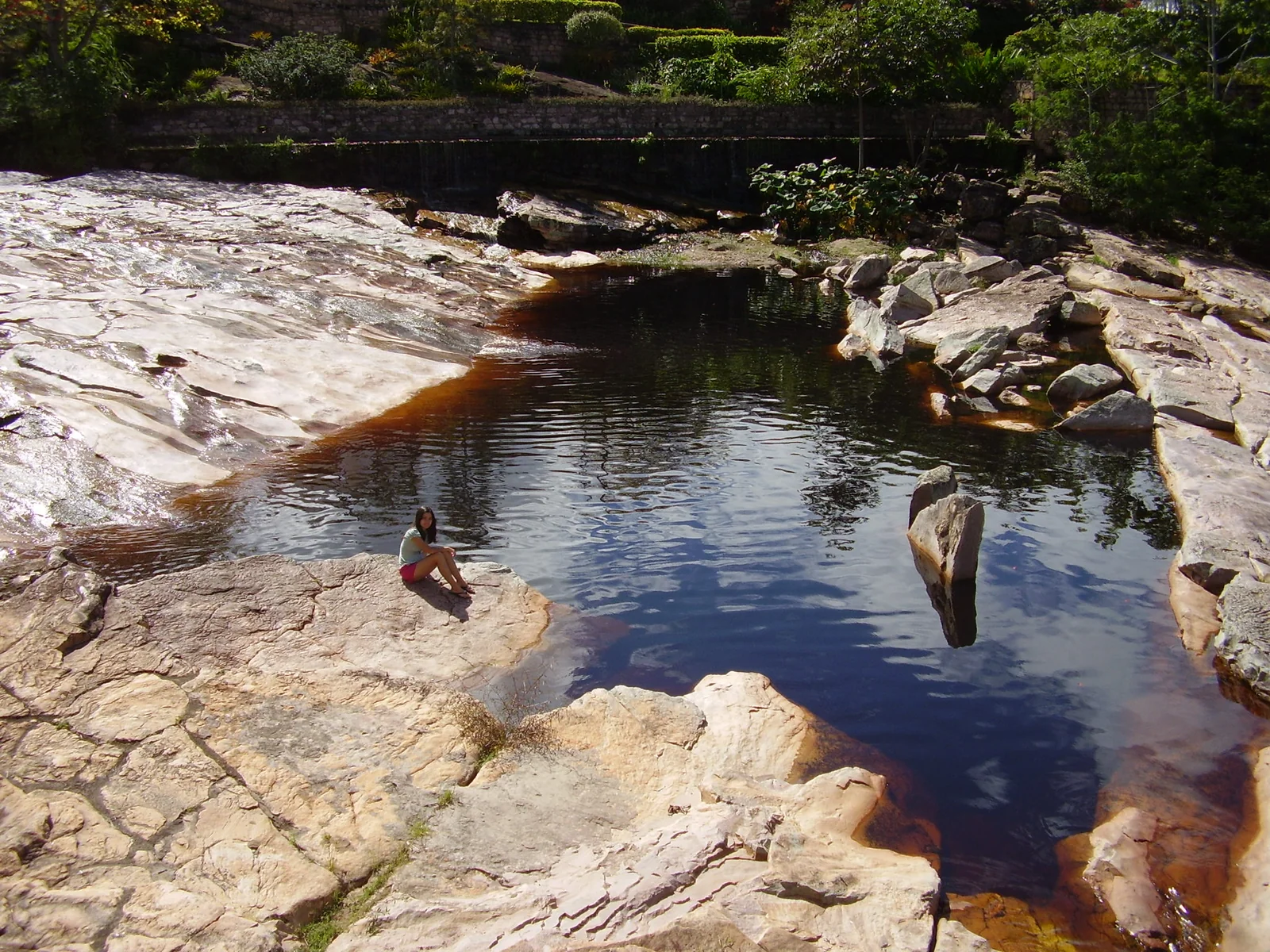
The Rio de Contas reaches the sea right beside the town. Boatmen wait on the riverbank, reached from Rua Massaranduba, for short trips through the mangrove of 30 minutes to an hour. Agencies also run a longer boat-and-canoe trip upriver to the Cachoeira do Cleandro, also called the Cachoeira do Engenho: three falls and a swimming pool, in a trip of about four and a half hours that cost around R$ 170 a person (about US$ 33) in March 2025. The falls sit on private land with a small visitor fee. In the late afternoon, outrigger canoes leave from the Concha for a paddle at sunset on the river mouth.
Waterfalls and rafting
The Cachoeira do Tijuípe is the easy waterfall: about 22 km from the Concha, beyond Itacarezinho, with a walk of around 400 metres through a private farm that charges an entry fee. It is often paired with the four-beaches trail.
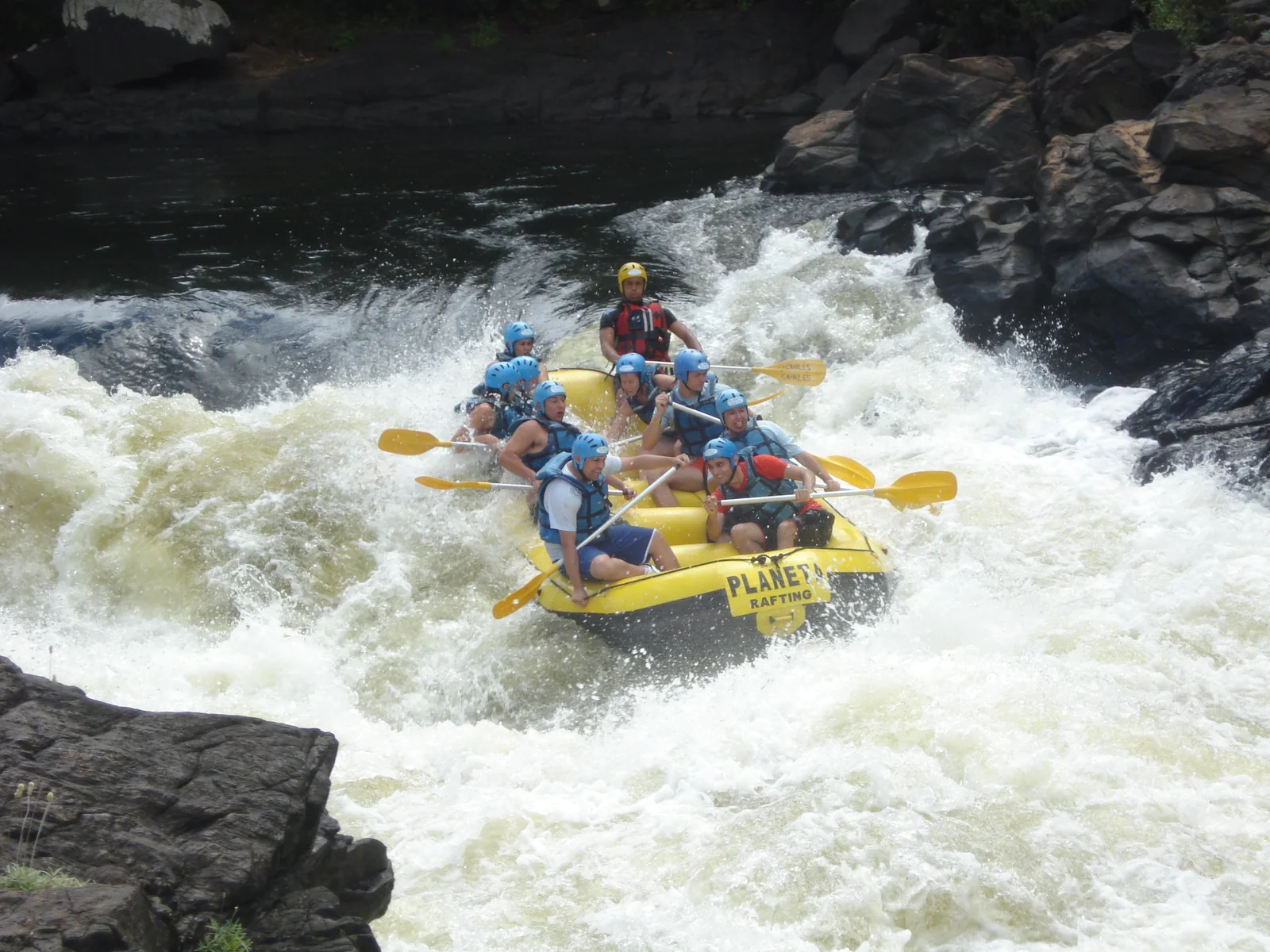
For more adrenaline, rafting on the Rio de Contas starts at Taboquinhas, about 28 to 30 km inland, a drive of around 45 minutes. Trips cover about 3 km of class III and IV rapids. A 2026 online listing for the outing gives five hours door to door, of which about an hour and a half is on the water, with hotel pickup, gear and a guide included, a minimum age of 8 and a price of about R$ 230 a person (about US$ 44 or €39). Agencies in Itacaré sell the same trip, so compare a couple before you book.
Cacao farms and chocolate
This coast was built on cacao. Ilhéus was once one of the biggest exporters of cocoa beans anywhere, and the witches'-broom disease that hit the plantations is still being fought. Several farms between Itacaré, Uruçuca and Ilhéus now receive visitors, and the closest to Itacaré is Fazenda Vila Rosa, in the Taboquinhas district, about 45 minutes away by road. The visit follows the bean from the cacao trees through drying to the chocolate bar, with tastings, the 19th-century farmhouse, Atlantic Forest paths, orchards and natural pools, and the farm runs a restaurant open to the public.
A 2026 listing for a three-hour Vila Rosa tour with hotel pickup and an English-speaking guide starts at about R$ 225 (about US$ 43 or €38). Rafting also starts in Taboquinhas, so the two make a natural pair of inland days.
The town and Rua Pedro Longo
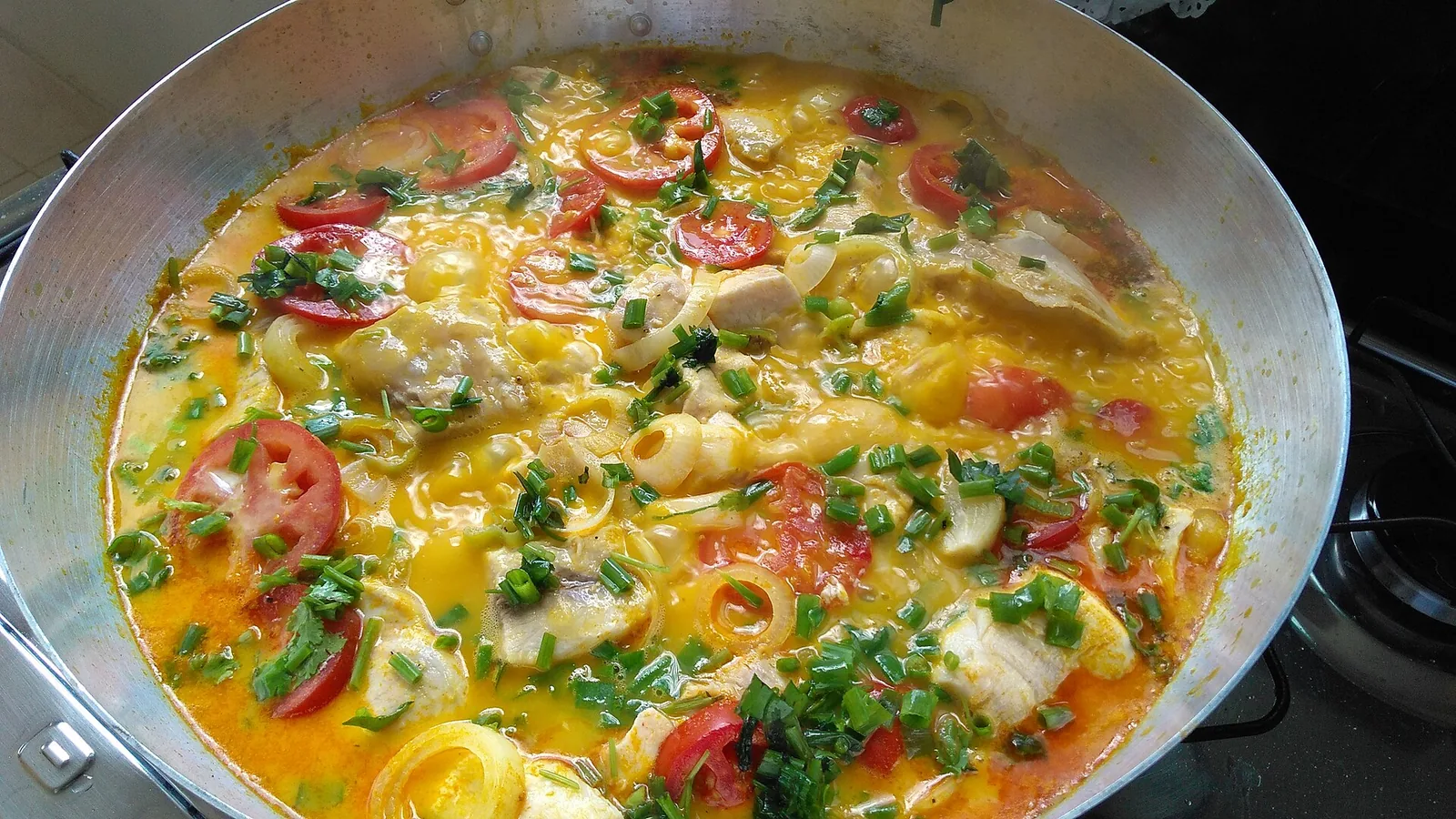
Evenings in Itacaré gather on Rua Pedro Longo, which everyone calls the Pituba. It is paved and well lit, lined with bars, restaurants and shops, and after dark it fills with live music and forró. The food runs from tapiocas and açaí to gelato, sushi and moqueca, and it is the natural place to wander after a beach day without a plan. The street is close to the Concha, Resende and Tiririca.
Best months to go
Rain falls in every month on this coast. The INMET normals for Ilhéus, the nearest weather station with a long record, add up to about 2,000 mm a year, with the least rain in August and September (about 130 mm each) and October and November close behind, and the most in March and April (205 to 217 mm) and again in June and July (about 200 mm). Days stay warm all year, with average highs of 26 to 29°C, and winter nights drop to around 19°C.
That makes September to November the calmest window for a beach-and-trail trip. From July to October humpback whales pass along the coast, a bonus for anyone on a boat. If you are building the trip around a Salvador festival, our best time to visit guide has the month-by-month picture.
Combining Itacaré with Boipeba, Morro or Ilhéus
Itacaré slots neatly into a longer coastal trip, because the coast road from Bom Despacho passes through Valença, the mainland port for the islands.
- Morro de São Paulo or Boipeba first. Spend two or three nights on the islands, take a launch back to Valença, and pick up a coast bus there for the roughly three-hour ride south to Itacaré. Our Morro de São Paulo guide and Boipeba guide cover the boats and the islands.
- The Península de Maraú. Barra Grande and the natural pools of Taipu de Fora lie just north. In March 2025 a day trip from Itacaré cost about R$ 300 a person (about US$ 58); independent travellers can also reach Barra Grande by boat from Camamu, about 54 km from Itacaré.
- Ilhéus last. The Rota bus covers the 70-odd km in about two hours, and Ilhéus, Jorge Amado's home town, has the flights out.
- The Chapada Diamantina. The highlands are inland from Salvador, the opposite direction, so do them first and the coast second; see our Chapada Diamantina guide.
If what you really have is a spare day rather than three nights, Itacaré is too far; look at the closer options in our beaches near Salvador guide and day trips from Salvador instead. For general safety habits on trails and at night, our safety guide applies here too.
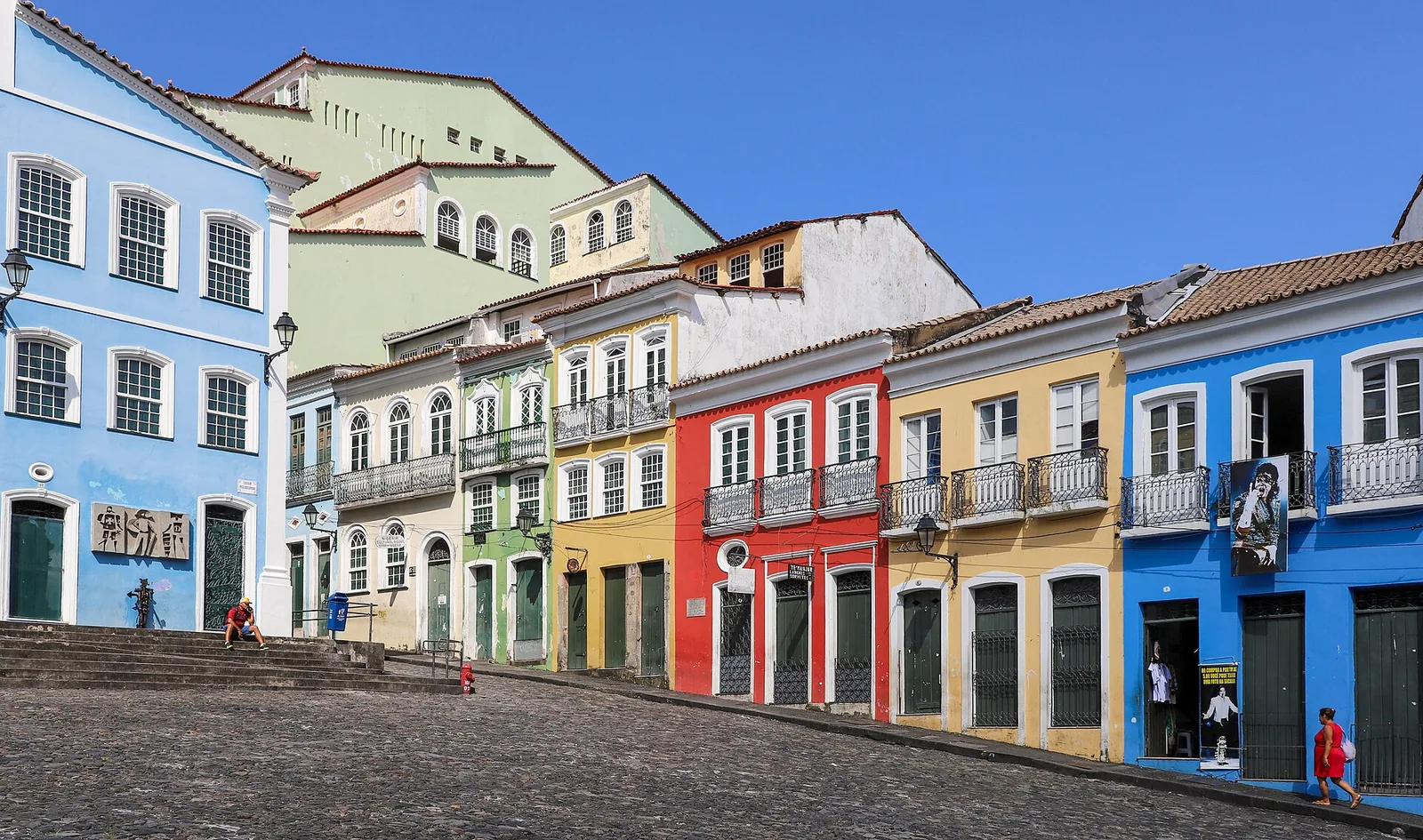
Most trips to Itacaré begin and end in Salvador, and an early ferry is easiest from somewhere central. Our four suites are in the Cidade Alta, a few minutes on foot from the Elevador Lacerda and the Pelourinho, and are booked on Airbnb, where guests message the host through the platform; they make a calm first and last night either side of the coast.
Frequently asked questions
How long does it take to get from Salvador to Itacaré?
By public transport, count on seven to eight hours door to door: the 60 to 80 minute ferry to Bom Despacho, waiting time, and a bus ride of about five and a half hours. By car it is around four to five hours of driving after the ferry. Flying to Ilhéus and riding north is quicker, but only when a Salvador-Ilhéus nonstop is operating.
Is there a direct bus from Salvador to Itacaré?
Not from Salvador's main bus terminal. The direct coaches leave from the Bom Despacho bus station on Itaparica, after the ferry crossing, and are run by Viação Cidade Sol and Águia Branca, at roughly R$ 85-110 in 2026.
Is it better to fly to Ilhéus?
Only when a Salvador nonstop fits your dates; in 2026 Gol flew it on Saturdays from 20 June to 1 August. Ilhéus works best as the way home, with nonstops to São Paulo and, on Saturdays, to Rio.
How many days do you need in Itacaré?
Three nights at least, four for a relaxed stay with one trail, one river or rafting day and one beach day. Surfers and anyone adding the Península de Maraú will want five or more.
Do you need a guide for the trails?
Not for the town beaches. For Prainha, a guide is a good idea because the trail forks often and is poorly signposted, and guided days on the four-beaches trail cost about R$ 170 a person in 2025.
Can you do Itacaré as a day trip from Salvador?
No. The journey alone takes most of a day each way, so plan at least three nights. For a single free day, a beach or island closer to the city is a far better use of your time.
Sources
- AGERBA: Resolução nº 11/2026 (ferry fares from 6 March 2026; in Portuguese; checked Oct 2026).
- Internacional Travessias: ferry-boat (crossing time, Hora Marcada; in Portuguese; checked Oct 2026).
- Correio: Fila do ferry-boat passa de três horas (4 Sep 2026 queues; in Portuguese; checked Oct 2026).
- CheckMyBus: Itaparica to Itacaré (operators, departures, ride times; checked Oct 2026).
- Buson: Bom Despacho to Itacaré (fare range; in Portuguese; checked Oct 2026).
- CheckMyBus: Itacaré to Ilhéus (Rota buses and fares; checked Oct 2026).
- Pontos pra Voar: GOL rota Rio-Ilhéus e voos sazonais para Salvador (30 Jun 2026; in Portuguese; checked Oct 2026).
- Correio: Azul anuncia 780 voos extras na Bahia (27 Sep 2026; in Portuguese; checked Oct 2026).
- Melhores Destinos: Como chegar a Itacaré (distances and routes; in Portuguese; checked Oct 2026).
- Melhores Destinos: Praias de Itacaré (beach access and trails; in Portuguese; checked Oct 2026).
- Melhores Destinos: Passeios em Itacaré (river trips, waterfalls, rafting base; in Portuguese; checked Oct 2026).
- Viciada em Viajar: O que fazer em Itacaré (updated Oct 2025, 2025 tour prices; in Portuguese; checked Oct 2026).
- Esse Mundo É Nosso: Onde ficar em Itacaré (the Pituba street; in Portuguese; checked Oct 2026).
- Civitatis: De Contas River Rafting (2026 price and details; checked Oct 2026).
- Civitatis: Vila Rosa Cacao Farm Tour (2026 price and details; checked Oct 2026).
- Correio: Cinco destinos na Bahia para comer chocolate (the Vila Rosa visit; in Portuguese; checked Oct 2026).
- A Tarde: etapa de surfe em Itacaré (June 2025 contest; in Portuguese; checked Oct 2026).
- EasyDrop Surf Camp (checked Oct 2026).
- Wikipedia: Itacaré (history, census, surf events; in Portuguese; checked Oct 2026).
- Wikipedia: Ilhéus (climate normals, cacao, Jorge Amado; checked Oct 2026).
- Valor Final: Salvador para Itacaré (road distance and times; in Portuguese; checked Oct 2026).
Salvador, in images
Photographs of the neighborhood, restaurant, and beach featured in this guide, with credit to each photographer.
Ready to discover Salvador?
Book one of the four Via Avantgarde suites in the Pelourinho — and receive the complete guides with recommendations for your stay.