Beaches Near Salvador everything beyond the city sand
Best beaches near Salvador Brazil: Praia do Forte, Imbassaí, Guarajuba, Itaparica, Ilha dos Frades and Morro de São Paulo — water, distance and crowds compared.
The essentials in 30 seconds
The best beaches near Salvador, Brazil sort themselves by direction. North, the coastal highway runs up the open Atlantic: Praia do Forte — polished village, sea-turtle sanctuary, reef pools — at about an hour and a quarter by car, quieter Imbassaí where a river runs beside the sea, and the low-tide pools of Guarajuba in between. South and into the bay: Itaparica by cheap hourly ferry, the improbably clear cove of Ilha dos Frades by schooner, and Morro de São Paulo a catamaran ride away. Chairs and umbrellas rent for R$ 10–20 almost everywhere (US$2–4); the reef pools only show at low tide. This page covers everything beyond the city limits — for the sand inside Salvador itself, see our city beaches guide.
Two coastlines, two kinds of water
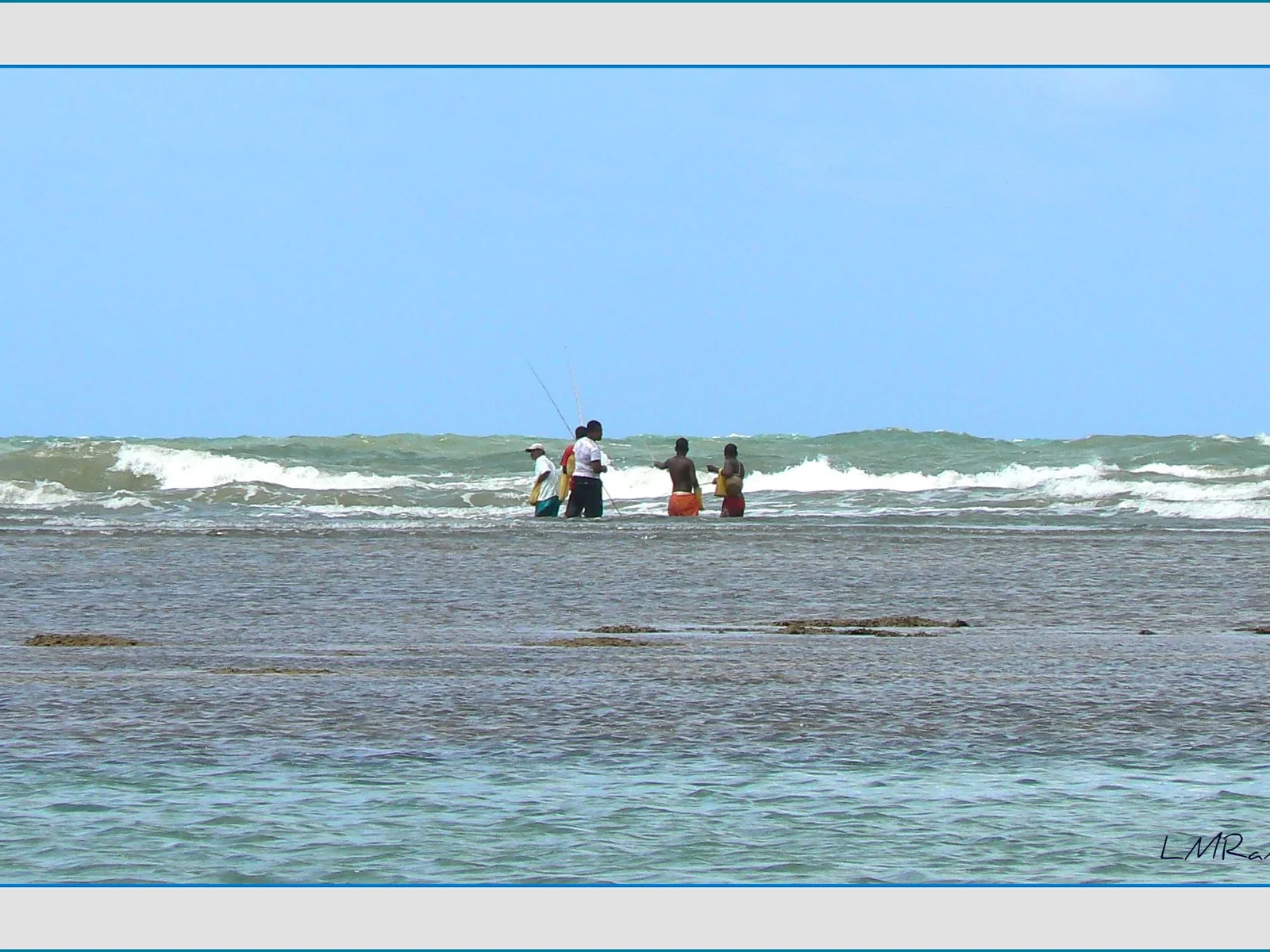
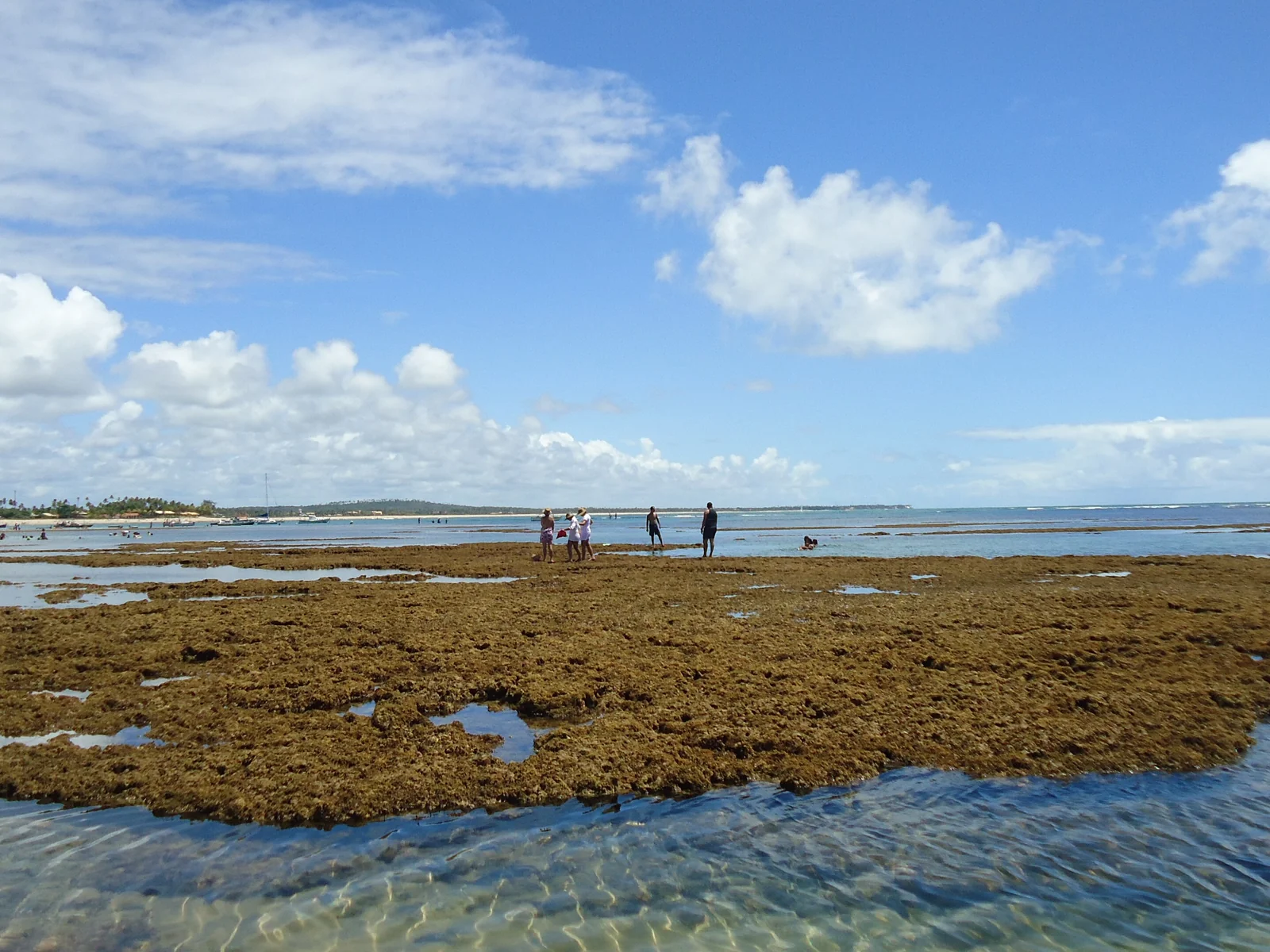
Ask where the best beaches near Salvador are and any honest local answers with a question: north coast or bay? The city sits on a thumb of land between the two, so every beach trip is a choice of direction. Head north and you are on the Estrada do Coco (BA-099), the coconut-lined highway that starts near the airport, passes a small toll, and becomes the Linha Verde beyond Praia do Forte on its way to the Sergipe border. That side is open Atlantic: proper waves, wind, and — this is the part worth learning — coral reefs that turn whole stretches into knee-deep, bath-warm pools when the tide drops. Cross the water instead and the physics reverse. The Baía de Todos os Santos is vast, sheltered and flat, with the calmest, clearest swimming in the region around its islands. Neither direction is better. They suit different moods, which is what the table further down is for.
Praia do Forte: the polished one
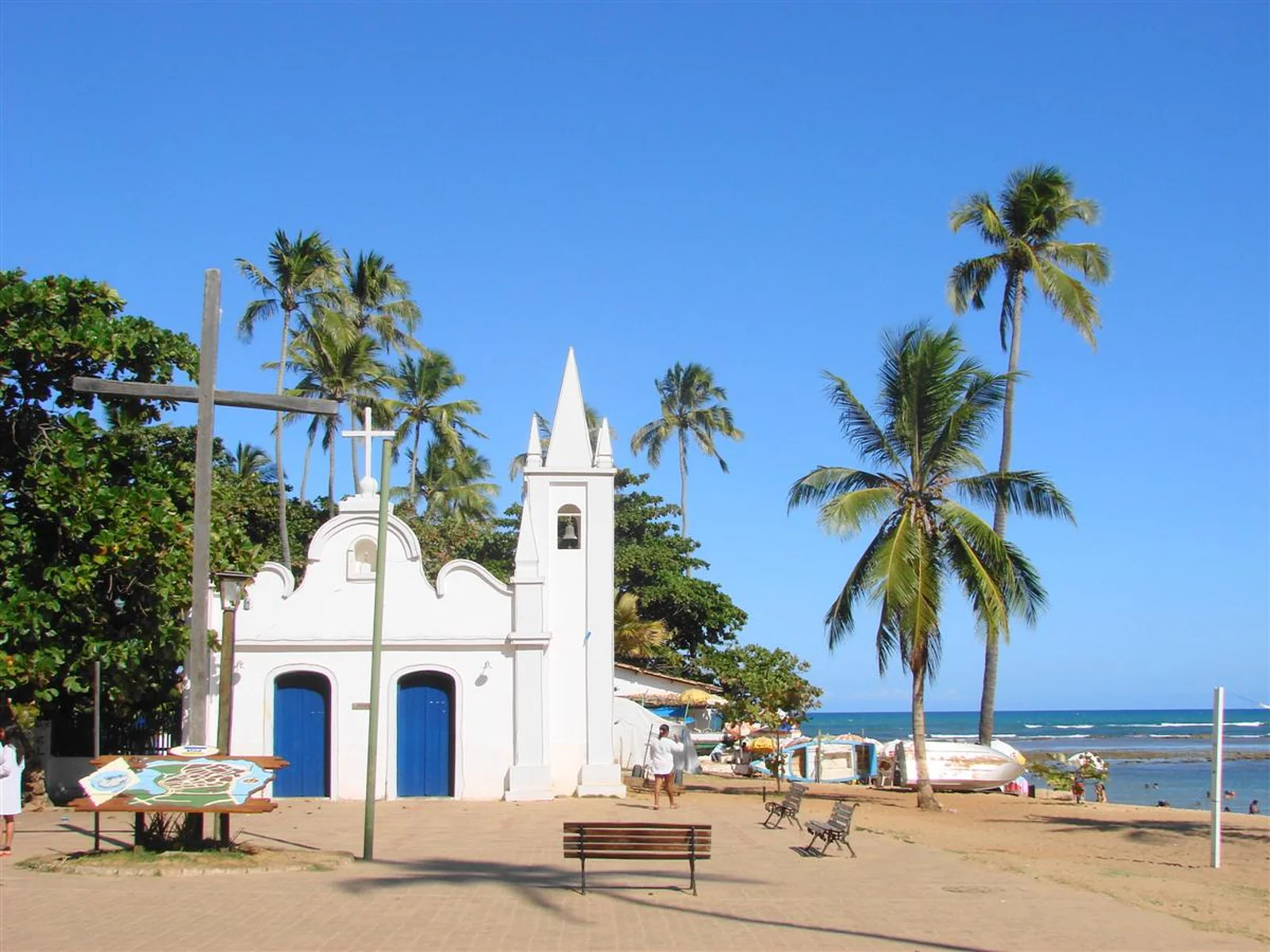
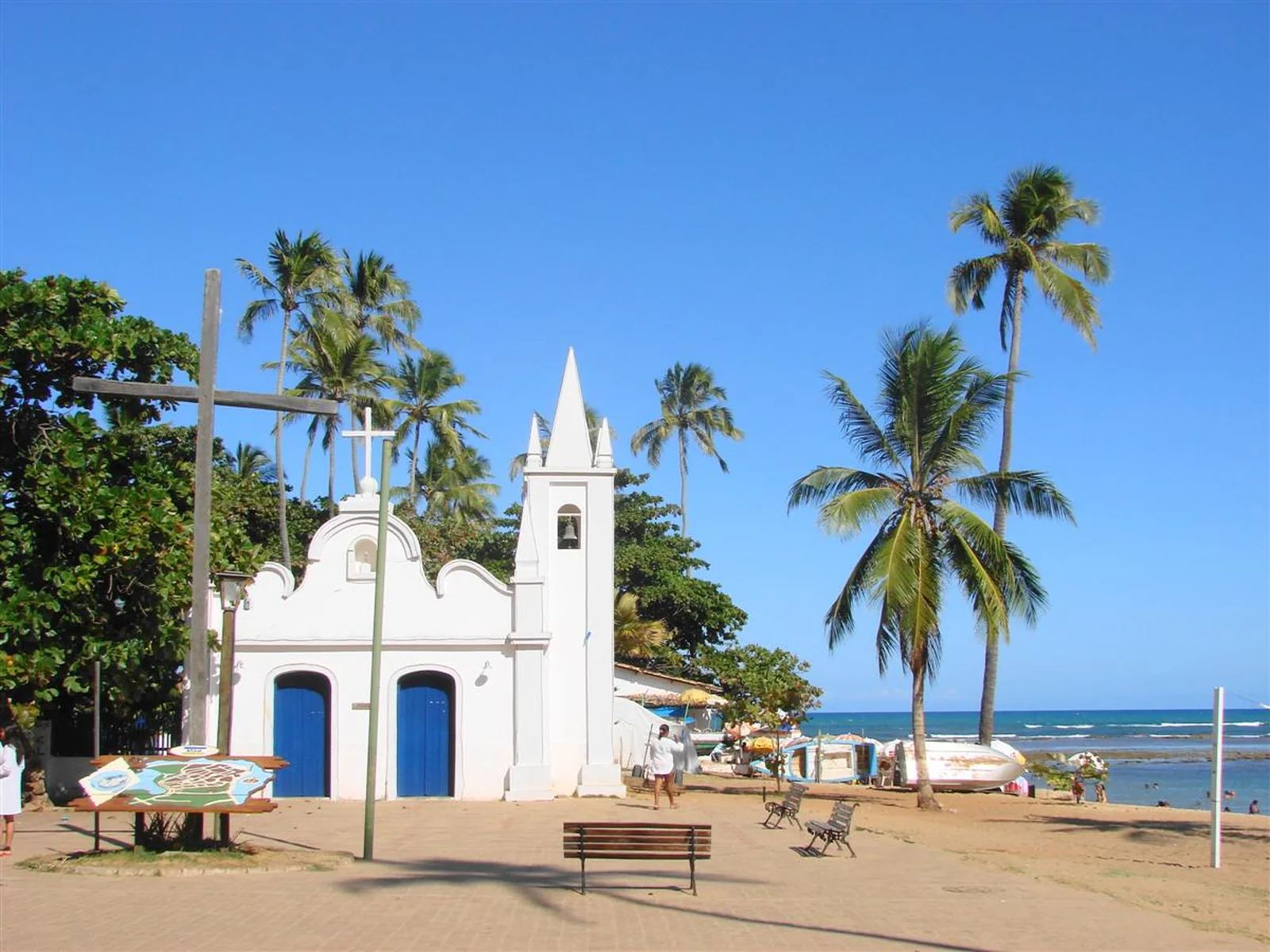
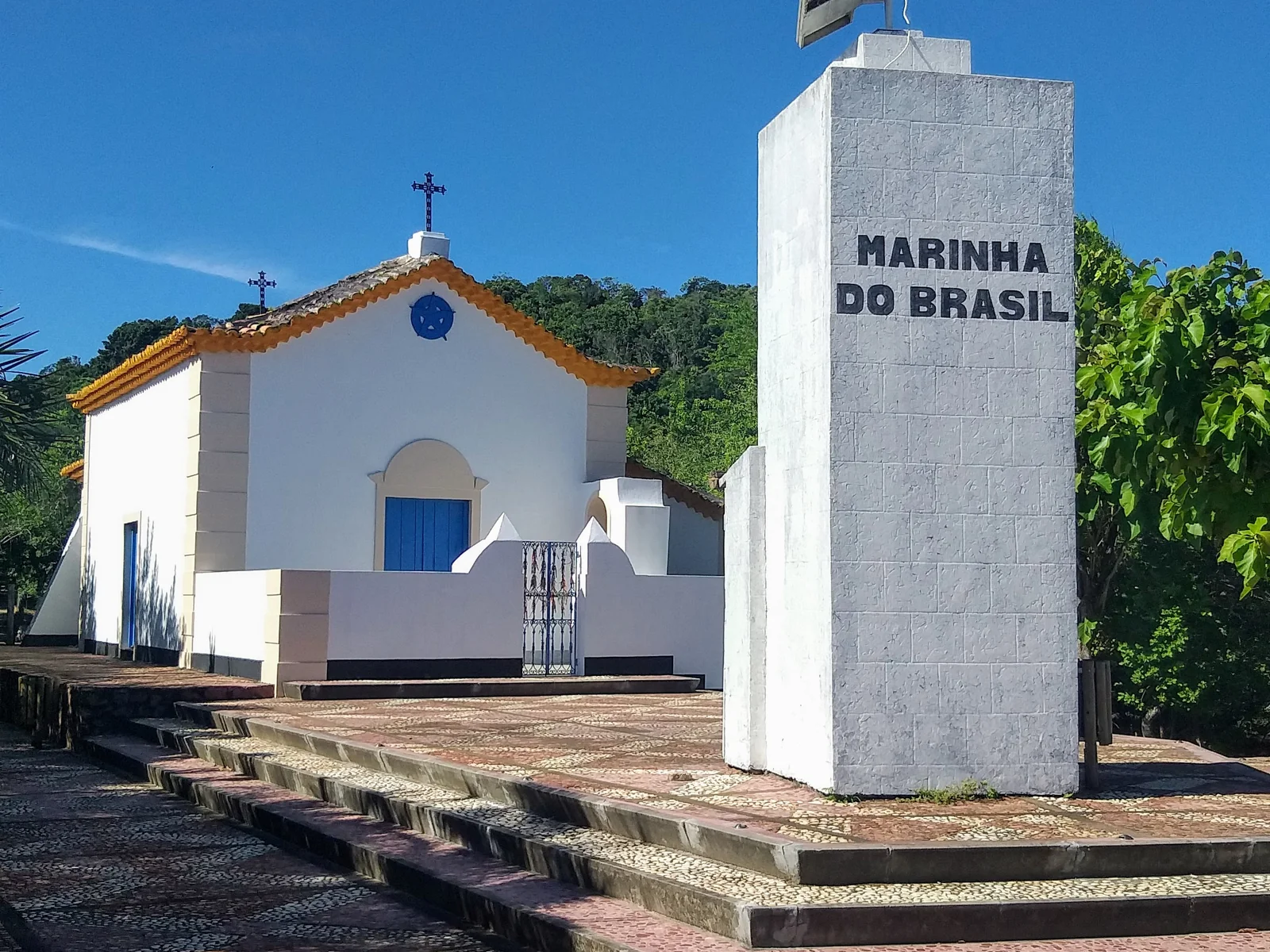
About 80 km north of the centre — an hour and a quarter to an hour and a half by car — Praia do Forte is the day trip most visitors take, and it earns it. The old fishing village is now a pedestrianised strip, the Alameda do Sol, with restaurants, ice-cream counters and surf shops running down to a little church on the sand; it is easily the best food situation of any beach on this page. The reason to come beyond lunch is Projeto Tamar, the national sea-turtle conservation project whose visitor centre — tanks, pools, resident turtles — anchors the end of the village. As of mid-2026 it opens Tuesday to Sunday, 11:00–17:00, at R$ 54 full price (about US$10.50), R$ 27 half. At low tide, reef pools open directly in front of the village; from July to October humpback whales pass offshore, with boat tours running in season and the peak in August and September. The ruined 16th-century Castelo Garcia d'Ávila stands a few kilometres inland. Weekends and the December–February holidays get crowded; a weekday morning is a different, better place. Our Praia do Forte day-trip guide has the full logistics, bus times included.
Imbassaí and the emptier coast beyond
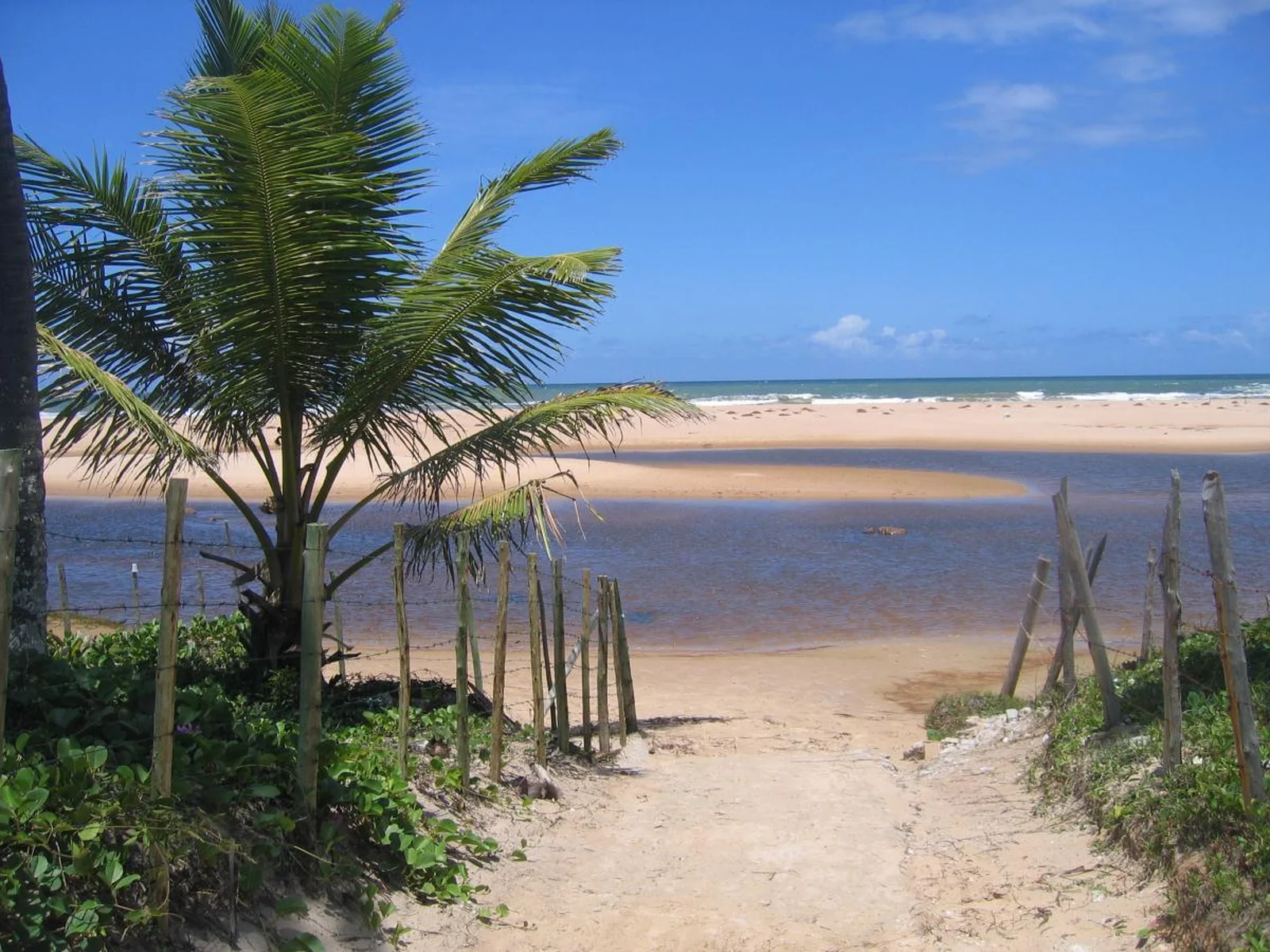
About 12 km past Praia do Forte, Imbassaí is the one to pick if you want the same coast with the volume turned down. The name is Tupi for "path of the river", which is the whole pitch: the Rio Imbassaí runs behind a dune ridge parallel to the ocean, so you paddle in warm, dark, fresh water on one side, climb the dune, and have Atlantic surf on the other. Barracas line the river bank and grill fish; the village keeps a handful of pousada restaurants. It is quieter than Praia do Forte in every season — there is no through-road to the sand — and about an hour and a half from the centre by car. No direct bus goes in; coaches drop you on the highway, so a car or a pre-arranged transfer makes life easier.
Keep going and the coast empties out. Massarandupió, around 93 km from the city, sits at the end of 7 km of dirt road off the km-88 marker of the Linha Verde: high dunes, coconut groves, turtle-nesting sand, and a regulated 2 km stretch that has been one of Brazil's few official naturist beaches since 1999 — the rest is simply empty. Baixio, at 131 km the honest limit of a day trip, spreads 16 km of sand from the mouth of the Rio Subaúma and hides a string of spring-fed freshwater lagoons behind it. Take cash and water to both; structure is minimal, which is the point.
Guarajuba and Itacimirim: reef pools and weekend condos
Guarajuba, a district of Camaçari about an hour north by car, is where Salvador families keep their beach flats, and it shows: gated condominiums behind the palms, reef pools in front of them. At low tide the reef off Praia dos Corais closes into warm, clear, waist-deep pools where small fish graze around your ankles — the best near-city beach for young children, by a margin. The trade-off is company: Saturdays and Sundays fill with the city's own weekenders, while midweek it can feel nearly private. Neighbouring Itacimirim, a few minutes closer to town, splits its personality in two. At the mouth of the Rio Pojuca the water is a calm mix of river and sea, with barracas and easy bathing — it is also the one corner tour buses can reach, so it hums on weekends. Walk the longer beach and it turns into surf territory, with real waves at high tide and a crowd that is mostly locals and surfers. Both places run on barraca food rather than restaurant rows; eat simply or bring a cool box like everyone else.
Further on, Costa do Sauípe is a different animal: a purpose-built, 176-hectare complex of five all-inclusive resorts and five smaller inns about 76 km from the airport, booked centrally through one operator. If you are staying there, you already know. As a day-trip target it makes little sense — you would drive past better, freer sand at Imbassaí to reach a gate.
Across the bay: Itaparica and Ilha dos Frades
The other direction needs no highway at all. The ferry to Itaparica leaves the São Joaquim terminal roughly every hour from about 05:00 until late evening, takes 45 minutes to an hour, and costs foot passengers small change — under R$ 10 on weekdays as of mid-2026. The island's bay side is everything the open coast is not: flat, warm, shallow water over pale sand, palm-lined at Ponta de Areia, with unhurried beach restaurants behind it. It is the easiest car-free beach day on this list and among the cheapest days out in the region. Summer Sundays bring queues and sound systems; a weekday crossing is serene. Which beach suits which mood — and how to do the island without wasting half the day — is in our Itaparica island guide.
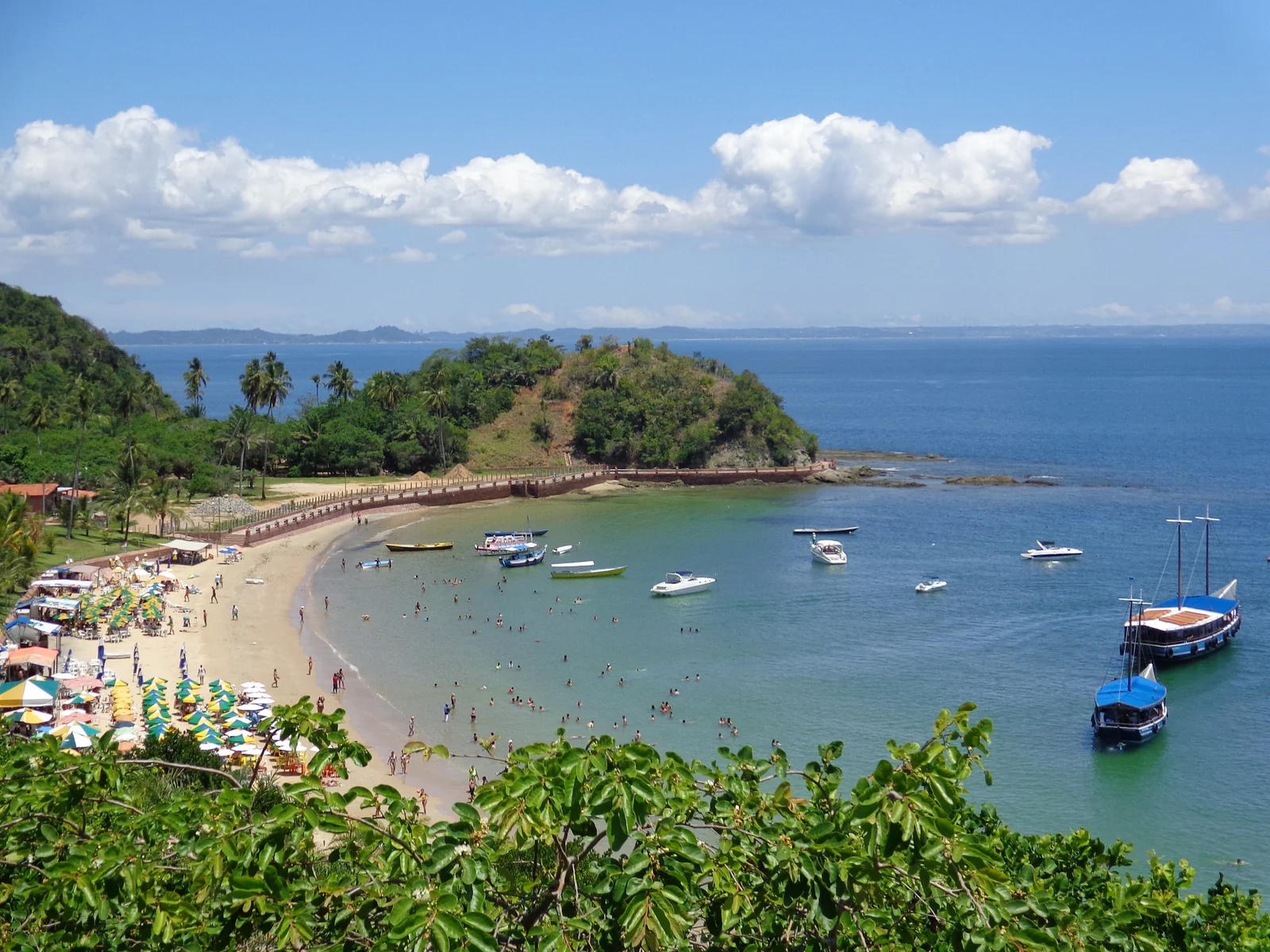
Ilha dos Frades is the bay's showpiece. The beach at Ponta de Nossa Senhora de Guadalupe — a wedge of pale sand below a chapel-topped hill — flies a Blue Flag and recently topped an international ranking of sustainable beaches. The water is the clearest easy swim near the city, glass-green over sand. Day schooners out of Salvador run about R$ 120–160 (US$23–31) plus a landing fee of R$ 25–30 collected for the island's upkeep, and barracas behind the beach grill fish for lunch. It is busiest while the schooner fleet is in, late morning to mid-afternoon. We arrange a schooner day to Ilha dos Frades directly, with pick-up from the suites.
Morro de São Paulo: when a day is not enough
Southernmost and best known, Morro de São Paulo is the car-free island village whose numbered beaches — Segunda, Terceira, Quarta — step from barraca-lined and social to long, calm and pool-flecked as you walk away from town. The catamaran from Salvador takes about 2h30 and costs R$ 150–170 (about US$30) each way, and it crosses a genuinely open stretch of sea: if you are prone to seasickness, take the tablet before boarding, not after the horizon starts moving. Since 1 August 2026 the island's visitor fee, the TUPA, is R$ 90 (about US$18), paid on arrival. A same-day return is possible but buys you barely four hours of island; it is far better as one night, and our Morro de São Paulo guide covers boats, fees and which beach to base on. For how Morro compares with the bay islands and the north coast as a day out, our day-trips guide ranks the field.
The best beaches near Salvador, by mood
Distances blur after a while. The honest way to choose among the best beaches near Salvador is by what you want the day to feel like.
| You want | Go to | The fine print |
|---|---|---|
| The calmest water | Ilha dos Frades, or Guarajuba at low tide | Schooner day for the island; a tide table for Guarajuba |
| The fewest people | Massarandupió or Baixio | Dirt-road access, minimal structure — bring cash and water |
| The best food | Praia do Forte | The village restaurants beat every barraca on this coast |
| Easiest without a car | Itaparica | Walk onto the São Joaquim ferry; hourly, under R$ 10 |
| A reason to pack a bag | Morro de São Paulo | 2h30 by catamaran; day-trippable, but one night is the trip |
Getting up the coast without a car
A hire car is the flexible option, not the only one. Buses toward Praia do Forte and the Linha Verde leave from Salvador's rodoviária a handful of times a day and take around two hours with stops; for Guarajuba, Itacimirim and Imbassaí they drop you at the highway junctions, where moto-taxis usually wait for the last stretch. Ride apps will happily take you north — the catch is the return, since few drivers idle in beach villages at five in the afternoon; agree a pick-up time with your outbound driver or plan around the bus. Day-tour vans bundle transport, a schedule and a guide, which is the lazy, reliable middle path. And the bay needs none of it: the ferry terminal and the schooner quay sit on the Comércio waterfront, directly below the Cidade Alta.
Every one of these beaches works as a day trip precisely because of where you sleep. From the historic centre, the São Joaquim ferry and the schooner quay are minutes below the Elevador Lacerda, and the northbound highway picks up past the airport — reef pools by ten, back among the cobbles for dinner. Our boutique suites in the Cidade Alta sit an elevator ride above the boats; the whole bay, in effect, starts at your door.
Salvador, in images
Photographs of the neighborhood, restaurant, and beach featured in this guide, with credit to each photographer.
Ready to discover Salvador?
Book one of the four Via Avantgarde suites in the Pelourinho — and receive the complete guides with recommendations for your stay.