Praia do Forte Day Trip turtles, reef pools and a castle
Praia do Forte day trip from Salvador: Projeto Tamar's turtles, low-tide reef pools, humpback whales Jul–Oct and the Garcia d'Ávila castle, plus 2026 hours and buses.
The essentials in 30 seconds
A Praia do Forte day trip is the easiest big day out from Salvador: a polished former fishing village about 80 km up the coast, an hour and a quarter to an hour and three-quarters away by road. Four anchors carry the day — the sea-turtle tanks of Projeto Tamar (R$ 54), the reef pools that open at low tide, humpback whales offshore from July to October, and the ruined Castelo Garcia d'Ávila a few kilometres inland. Check the tide table before you pick the date, and don't pick a Monday: the turtle centre and the castle both close.
The polished classic, 80 km up the coast
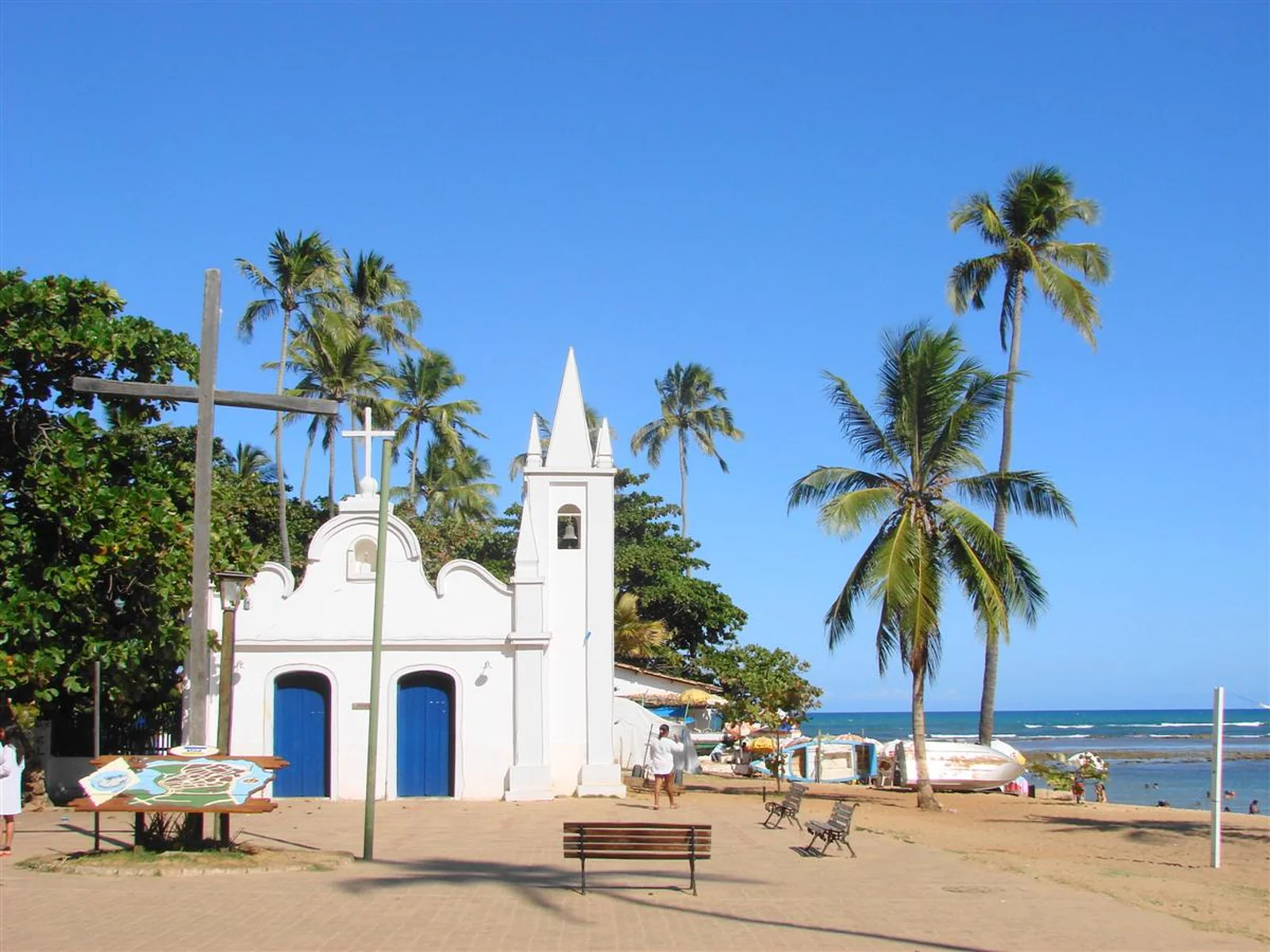
Of all the day trips from Salvador, this is the one people actually take. Praia do Forte sits about 80 km north of the centre on the BA-099 — the stretch everyone calls the Estrada do Coco, for the coconut plantations it runs through — and the drive takes an hour and a quarter on a quiet morning, closer to two hours by stopping bus. The old fishing village has been groomed into Bahia's tidiest little resort town: the main street, the Alameda do Sol, is pedestrianised end to end and lined with cafés, gelato counters, boutiques and restaurant terraces under old trees. Best to be plain about the character: this is pleasant, not raw. Nobody here is selling you grit, prices sit above Salvador's, and the turtle motif is on everything from the lampposts to the fridge magnets. What earns the trip is that the polish sits right next to genuinely serious nature — the home base of a national sea-turtle programme, a breeding ground for humpbacks, and a reef that opens into pools twice a day.
Projeto Tamar — the sea-turtle headquarters
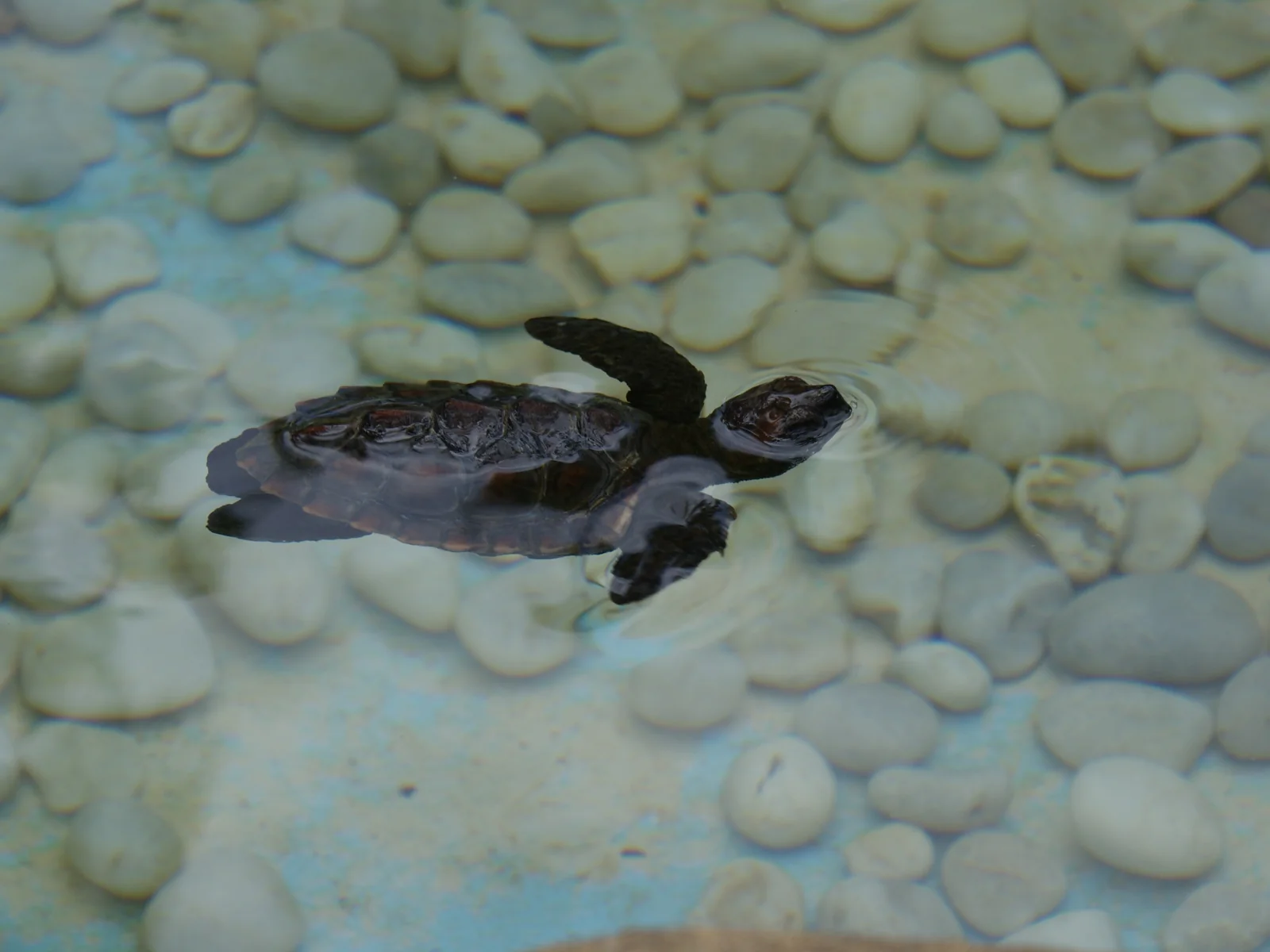
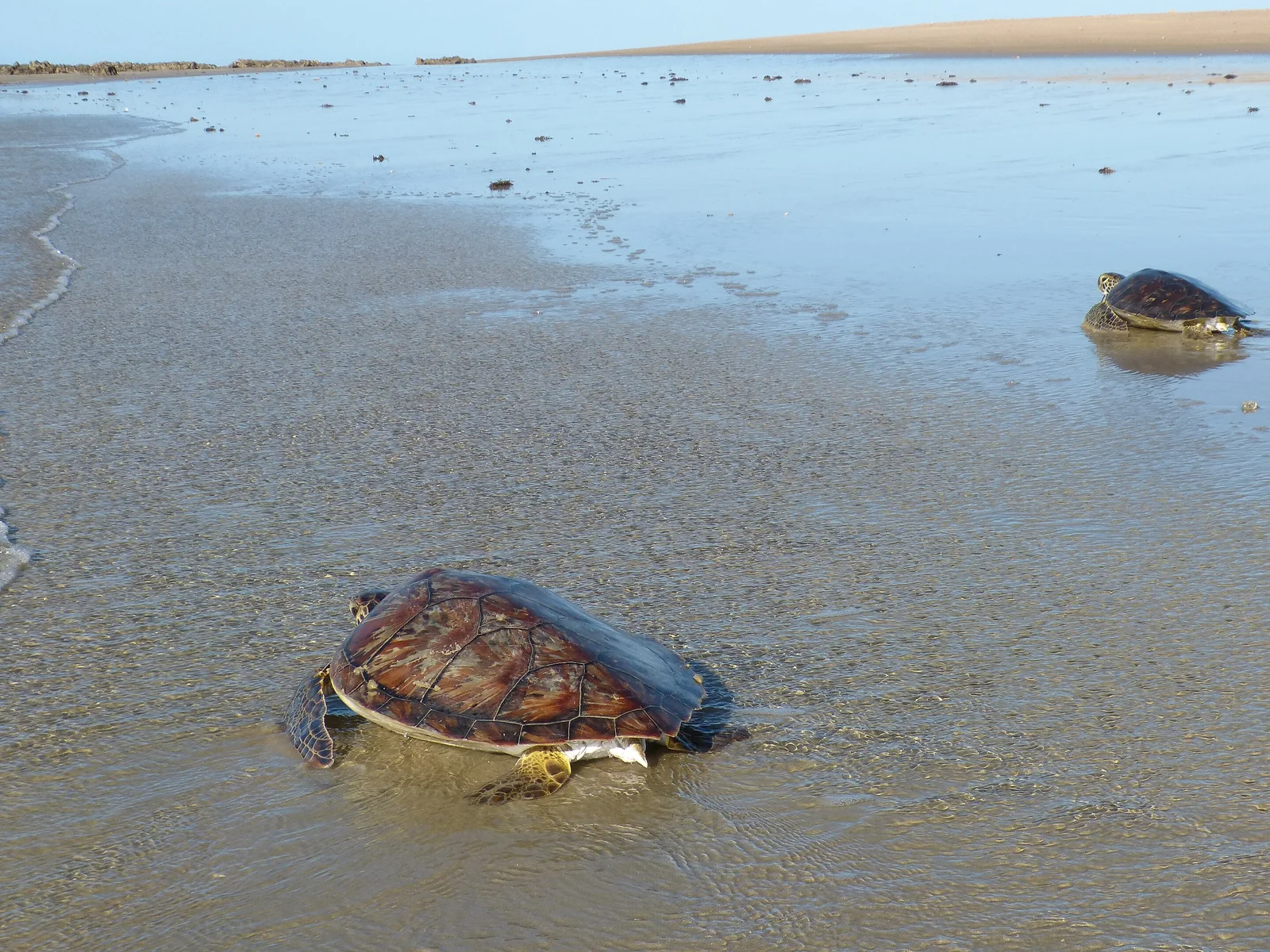
Brazil's national sea-turtle programme was born on this beach in 1980, and the Projeto Tamar visitor centre at the lighthouse end of the village is still its flagship: 750,000 litres of seawater in open-air tanks and aquariums holding four of Brazil's five sea-turtle species, from palm-sized hatchlings to adults you could not lift. As of mid-2026 it opens Tuesday to Sunday, 11am to 5pm; entry is R$ 54 (about US$10.50), a half ticket R$ 27, and a family pass for two adults and two children R$ 150. Give it a good ninety minutes. During the nesting season — roughly September to March on this coast — the hatchlings collected from the night's nests are released into the surf around 5pm, one of the great small spectacles in Brazil. In the July-to-October window there are no releases; your consolation swims offshore, below. With children this is the most reliable stop on the whole coast — more in our Salvador with kids guide.
The reef pools run on the tide table
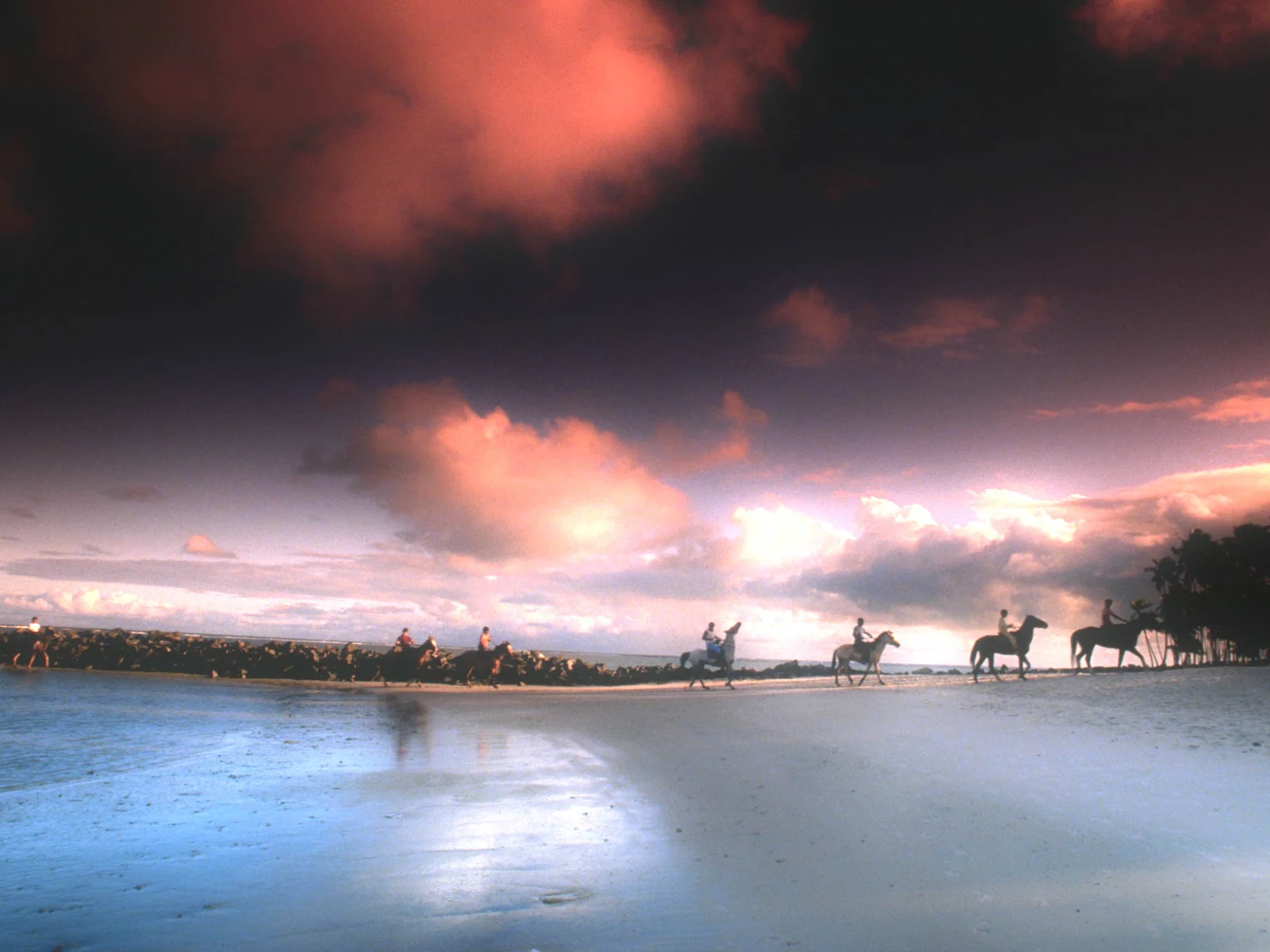
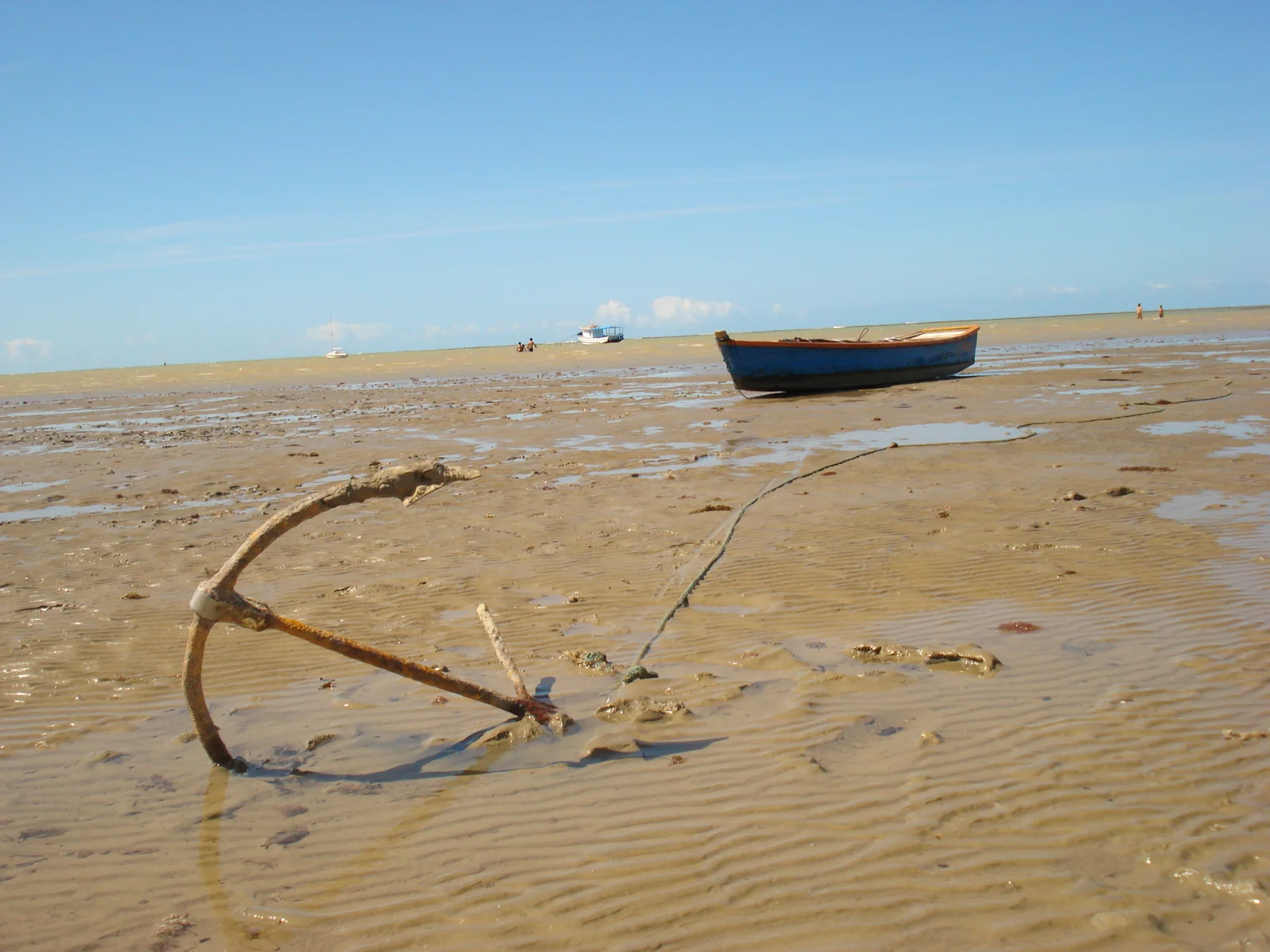
In front of the village a sandstone reef holds back the Atlantic, and when the tide drops, the water behind it stays: warm, clear, waist-to-shoulder deep and full of small fish. The best-known pool, Papa-Gente, lies off the lighthouse end of the beach and is deep enough for a real snorkel — masks rent right on the sand, and a chair and umbrella at a barraca run R$ 10–20. The mechanism is everything. The pools exist only around low tide, in roughly two windows a day, and they are at their best when the tide table shows a low of about 0.4 m or less; on a 0.2 m low the reef is a lagoon, on a 1.0 m low it is just sea. The same logic governs this whole coast — Guarajuba, Itacimirim, Imbassaí — and our beaches near Salvador guide compares the options.
Humpback whales, July to October
From July to October the humpbacks that feed in Antarctic waters come north to breed off Bahia, and Praia do Forte is the north coast's departure point for meeting them. The 2025 season's estimate ran to some 30,000 whales along the Bahian coast — one of conservation's great recoveries — with the peak in August and September, when mothers idle close inshore with new calves. Boats go out from the beach itself, run in season by two accredited local operators, Portomar and Base Náutica, with researchers from the Instituto Baleia Jubarte riding along to log the sightings; the institute keeps a small visitor centre on the Avenida do Farol that is worth twenty minutes before you board, and the village tourism portal publishes each season's accredited boats. Close to five thousand people sailed from this beach in the 2025 season, so at peak book a day or two ahead, take the morning trip if wind is forecast, pack seasickness pills if you have doubts, and accept the standing honesty of whale watching: at peak a sighting is overwhelmingly likely, and never guaranteed.
Castelo Garcia d'Ávila — the castle fifteen minutes inland
Three kilometres inland, on a low hill with the coast at its feet, stands something genuinely odd for the Americas: Castelo Garcia d'Ávila, a fortified great house begun in 1551 — two years after Salvador itself — and inhabited until 1835. It was the seat of the Ávila clan, whose cattle lands eventually reached deeper into the interior than most European kingdoms could claim, and it is billed, with some justice, as the only medieval-style castle built on the continent. A careful restoration threaded iron walkways through the shell of the house and added an interactive museum that rebuilds, room by room, what four centuries took apart; the little chapel of Nossa Senhora da Conceição still stands whole beside the ruin. As of mid-2026 the Fundação Garcia D'Ávila opens the site Tuesday to Thursday from 10am to 5pm, and Friday to Sunday and holidays until 6pm with a videomapping projection added; Mondays it is shut. Entry R$ 50 (about US$10), half price R$ 25. Count on ninety minutes to two hours, plus a ten-minute taxi or buggy from the village — walkable on the map, shadeless in real life.
Lunch, from fish cakes to a long moqueca
The village eats in three tiers. At the bottom, happily: the beach barracas, and Souza Bar, the corner institution whose bolinhos de peixe — fried fish cakes ordered by the plateful with cold beer — are the closest thing Praia do Forte has to a civic monument. In the middle, the terraces along the Alameda do Sol: Sabor da Vila and Casa da Nati both do honest Bahian plates, and Tango Café holds down the coffee end of the afternoon. At the top, Terreiro Bahia, chef Tereza Paim's refined take on the regional kitchen, where a moqueca stops being lunch and becomes the afternoon's main event. One honest note: everything in the village runs noticeably dearer than its Salvador equivalent — you are paying resort rents — and the terraces with the best people-watching are rarely the best kitchens.
Getting there without a car
The straightforward way is the bus. Atlântico runs the coastal service from Salvador's rodoviária — reachable by metro, see getting around Salvador — with departures spread through the day from 6am and cheap tickets sold at the counter, no booking needed. Count on about two hours with stops, and note one hard edge for planning: as of mid-2026 the last bus back leaves Praia do Forte around 5pm, which is fine for turtles and tide pools and fatal for the weekend videomapping. Not every departure calls at the airport, so ask before building a plan around that. In between sit the Linha Branca vans that work this coast more frequently, per-person transfers with hotel pickup, and the day tours sold all over Salvador, which bundle the drive with Tamar and sometimes the castle — zero logistics, in exchange for moving on the group's clock. A taxi or app car from the centre runs well into the hundreds of reais each way. Driving yourself, the BA-099 is a well-kept dual carriageway with a toll of R$ 6.40 on weekdays and R$ 9.70 at weekends, and paid car parks wait at the village entrance — the centre itself is closed to traffic.
Timing your Praia do Forte day trip
Weekdays, ideally. At weekends half of Salvador drives up this road, the toll rises, and the pools hold more people than fish. For a first visit the sweet spot is August or September, when whale season peaks and the rains have mostly gone: a Praia do Forte day trip in that window can plausibly deliver whales at nine and a reef lagoon at two. Let the tide set the skeleton — boat or castle in the morning, a long lunch, the pools in the hour either side of the afternoon low, one gelato on the Alameda do Sol before the ride home — and mirror the order on days when the low falls at noon. Tamar's 11am opening means dawn starts buy you nothing unless the tide table says otherwise.
The quiet case for doing this as a day rather than a stay: by six in the evening Praia do Forte is a resort winding down, and Salvador is a city just warming up. Ride back to drums in the squares and dinner in the old centre — from our suites in the Cidade Alta you step out into the middle of it, with the whole north coast exactly one bus away.
Salvador, in images
Photographs of the neighborhood, restaurant, and beach featured in this guide, with credit to each photographer.
Ready to discover Salvador?
Book one of the four Via Avantgarde suites in the Pelourinho — and receive the complete guides with recommendations for your stay.