Salvador With Kids cobbles included
Salvador, Brazil with kids: calm bay beaches, the free Elevador, ferries to Itaparica, child-friendly capoeira and Projeto Tamar's turtle tanks — plus the stroller truth.
The essentials in 30 seconds
Salvador, Brazil with kids works far better than the cobblestones suggest — if you get four things right. Bring a carrier, not a stroller, for the historic centre. Swim on the calm bay side, at Porto da Barra in the morning, and save the surf beaches for confident swimmers. Treat the Elevador Lacerda (free to ride in 2026) and the little Itaparica ferries as the cheap thrills they are. Book one beginner capoeira class — that is the thing your children will still be talking about months later. Add the sea-turtle tanks of Projeto Tamar at Praia do Forte for the classic family day trip, order acarajé sem pimenta, and keep everyone out of the sun between 10 a.m. and 3 p.m. The equator does not negotiate.
Salvador with kids starts with a stroller decision
The historic centre is paved with fist-sized cobbles, split by steep ladeiras and short on dropped kerbs. A stroller here is not transport; it is cargo. Bring a buggy up the Pelourinho and you end up carrying both. For anyone under about three, a soft carrier or hip seat wins comfortably — and it earns its place again on the elevator and the boats. Wheels do work in a few places: the flat seafront promenade running from the Barra lighthouse along the ocean beaches, the shopping centres, and the wide, level streets of Comércio at the foot of the bluff. If a stroller must come, make it a cheap, light, one-hand-fold model and expect to park it by a doorway more than once. Our packing list covers the rest of the kit; the short version is less than you think, plus a carrier.
Calm bay beaches versus surf beaches
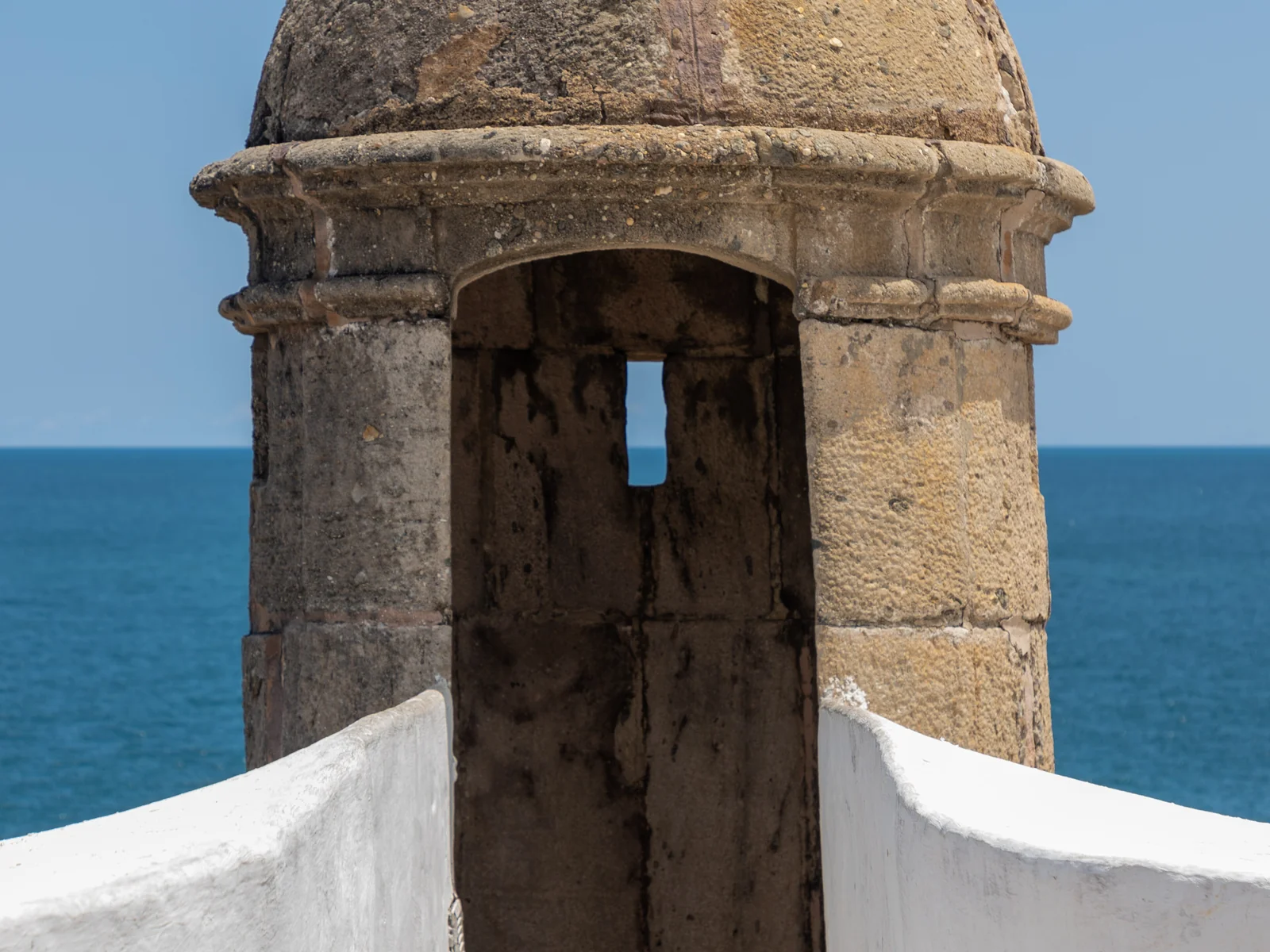
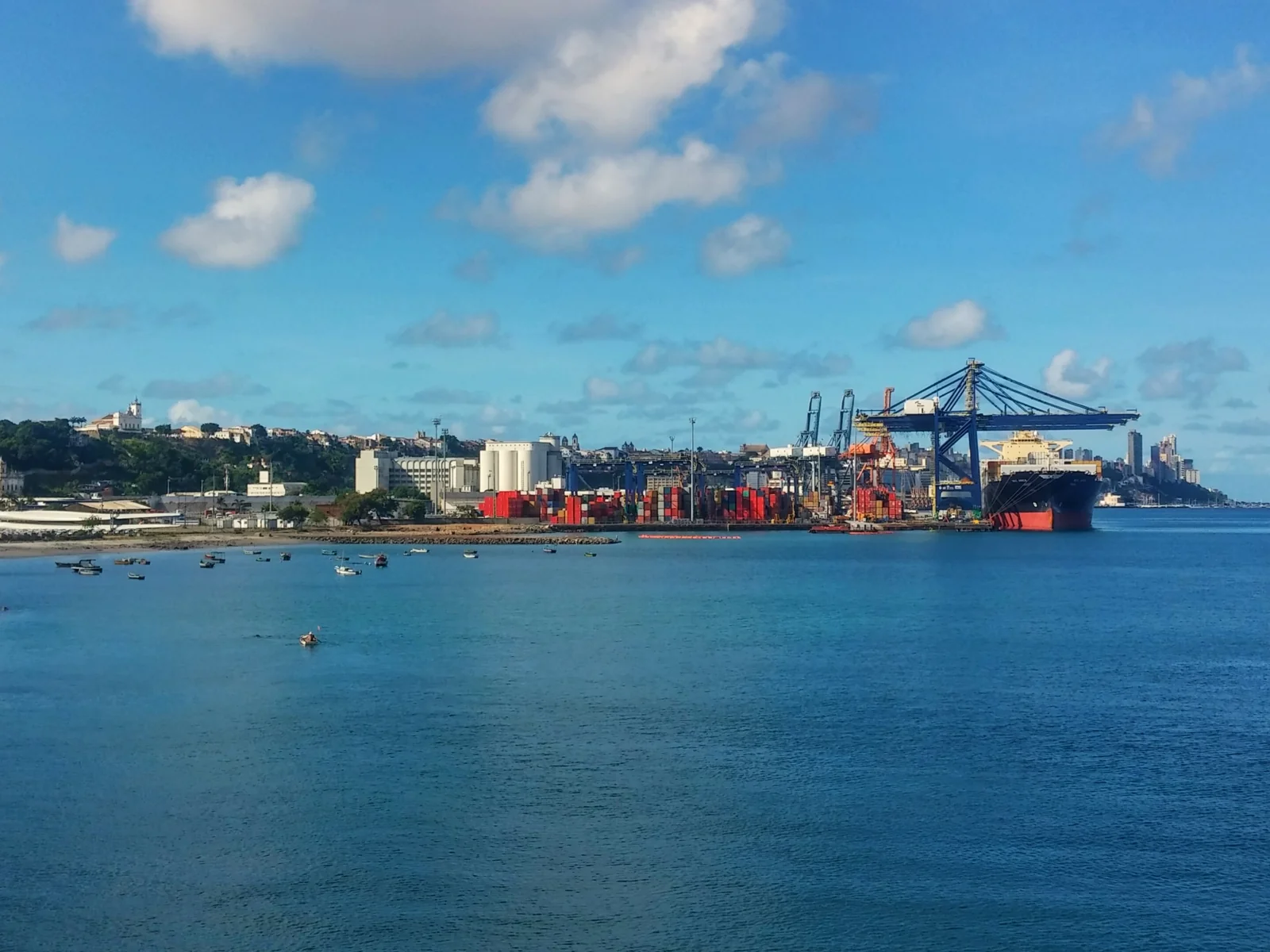
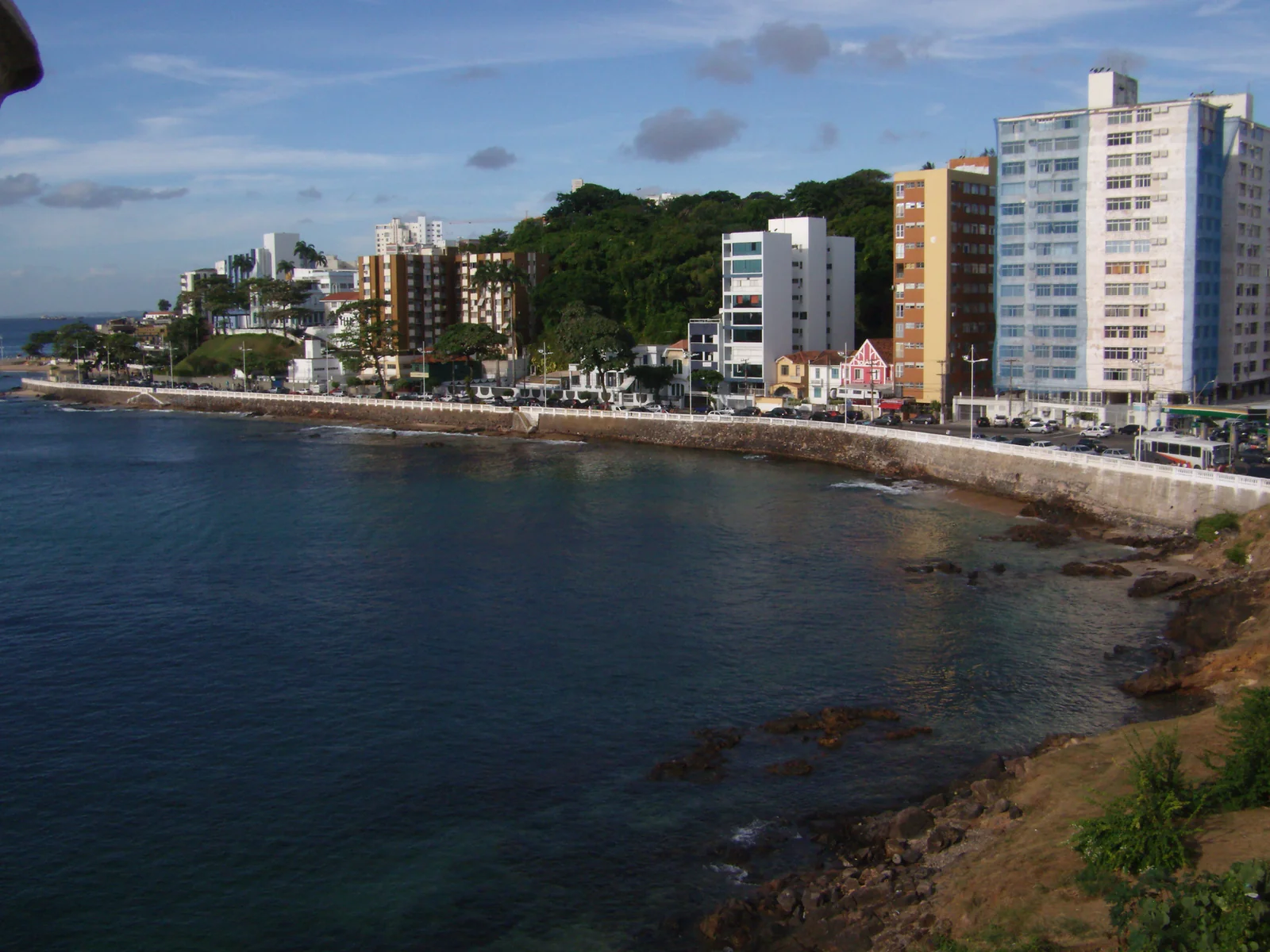
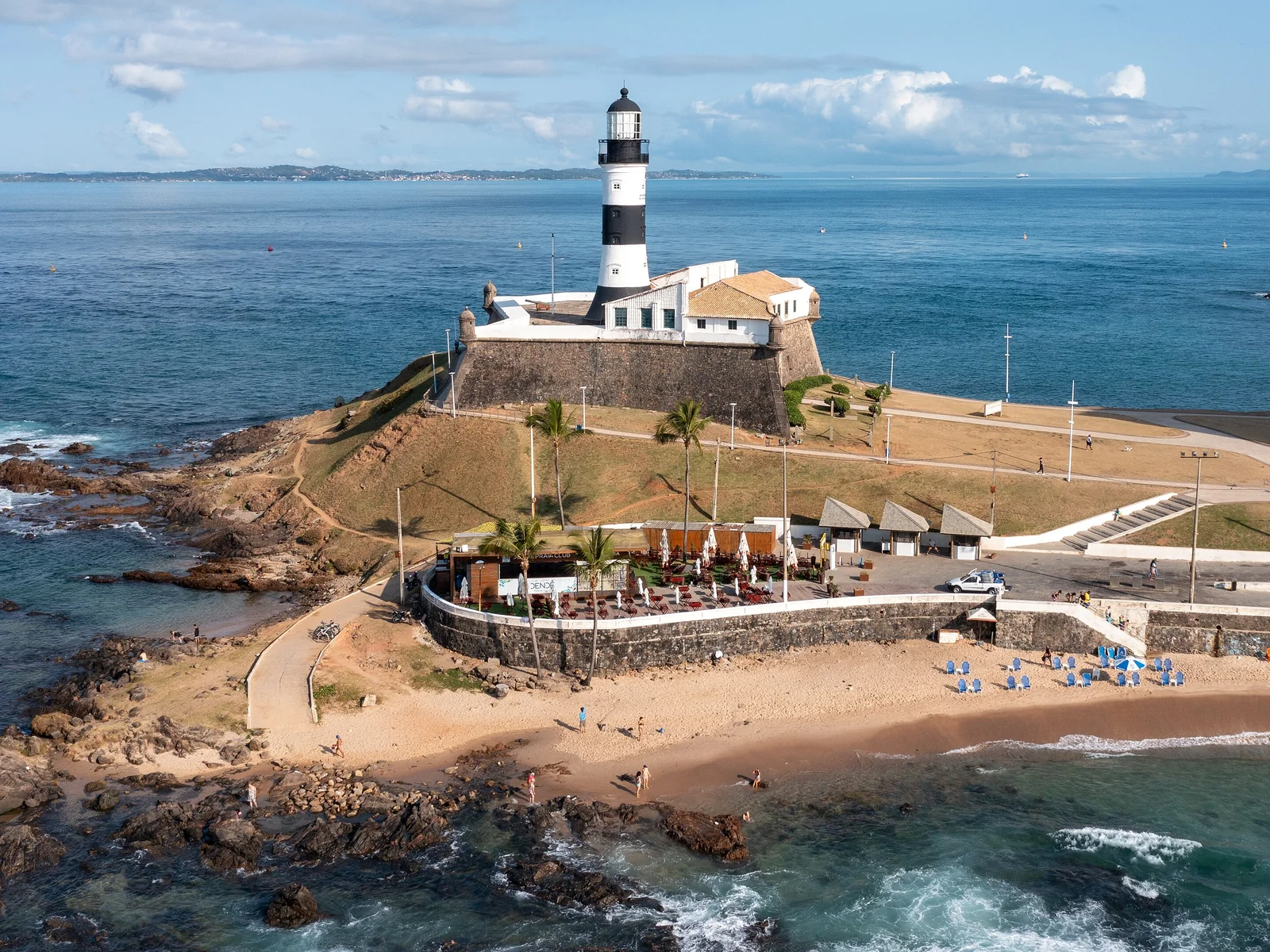
The whole beach question in one line: the bay side is a bathtub, the ocean side is the Atlantic. Get this one right and Salvador with kids is mostly solved. Porto da Barra — the small crescent between its two 17th-century forts, facing the bay — has warm, clear, almost waveless water and a gentle sandy entry, which makes it the default family beach in Salvador. Go in the morning: before 10 the light is kinder, the water is at its calmest and vendors will set you up with chairs and a parasol for a few reais. On weekend afternoons it is shoulder to shoulder. The Atlantic beaches — Flamengo, Stella Maris, Itapuã — are handsome and have real waves and real rip currents; they suit confident swimmers and older kids, always between the flags and near a lifeguard post. A quieter bay-side alternative is Ribeira on the Itapagipe peninsula, where the water stays flat and the Sorveteria da Ribeira, scooping since 1931, settles the afternoon. How chairs, vendors and beach etiquette actually work is in our Brazilian beach culture guide; the full coastline is in Salvador beaches.
The Elevador Lacerda and the ferries: maximum thrill per real
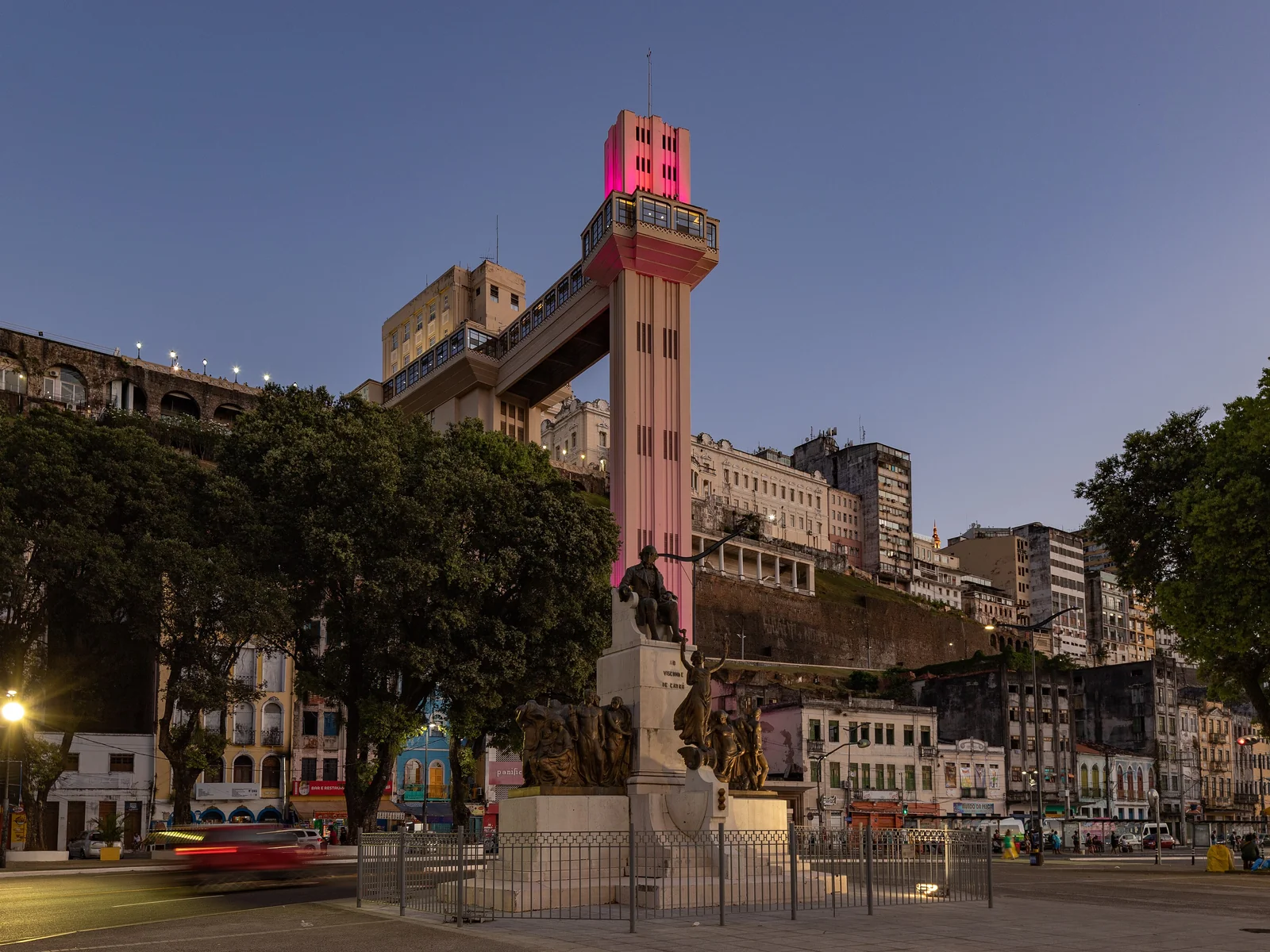
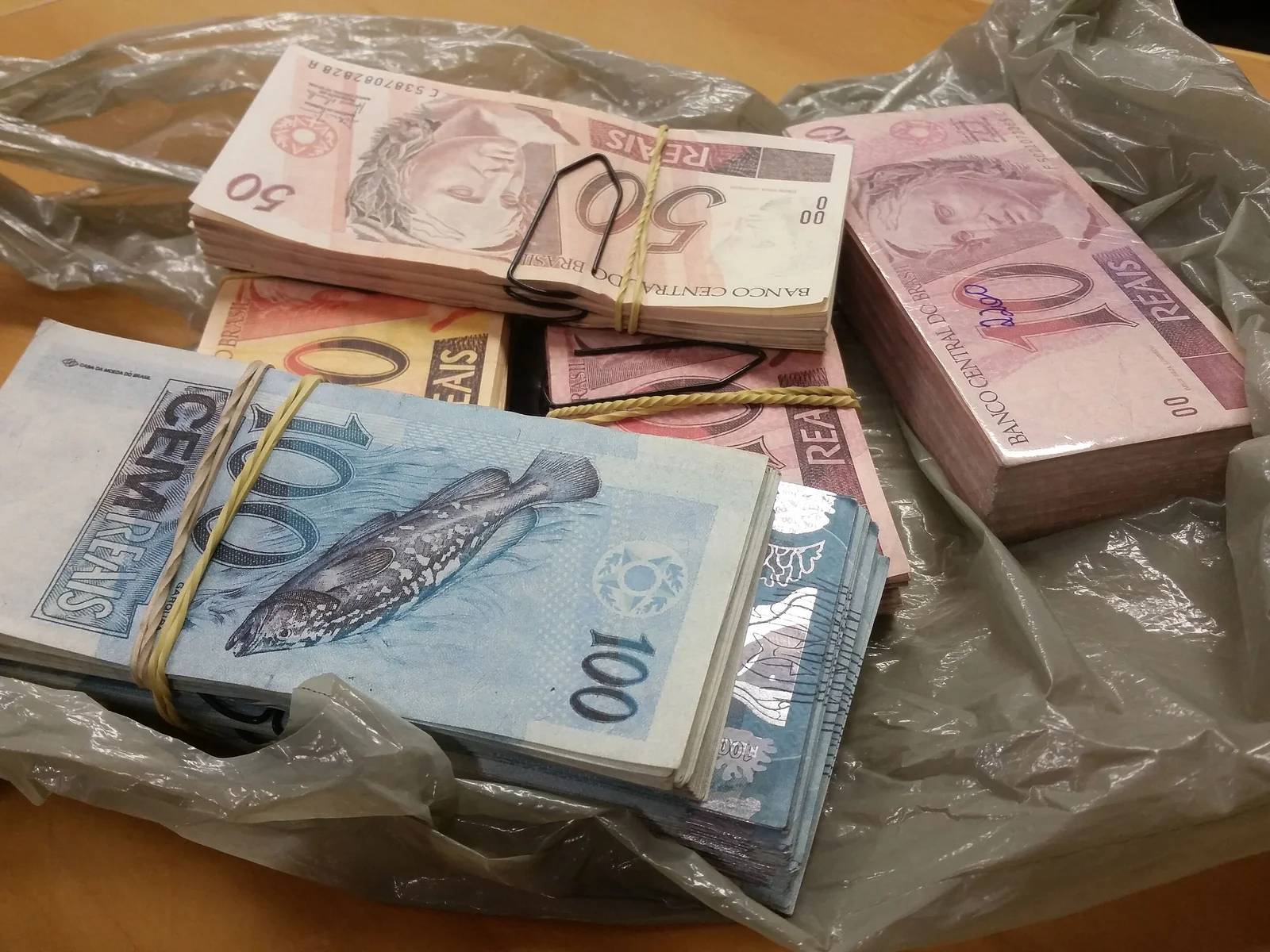
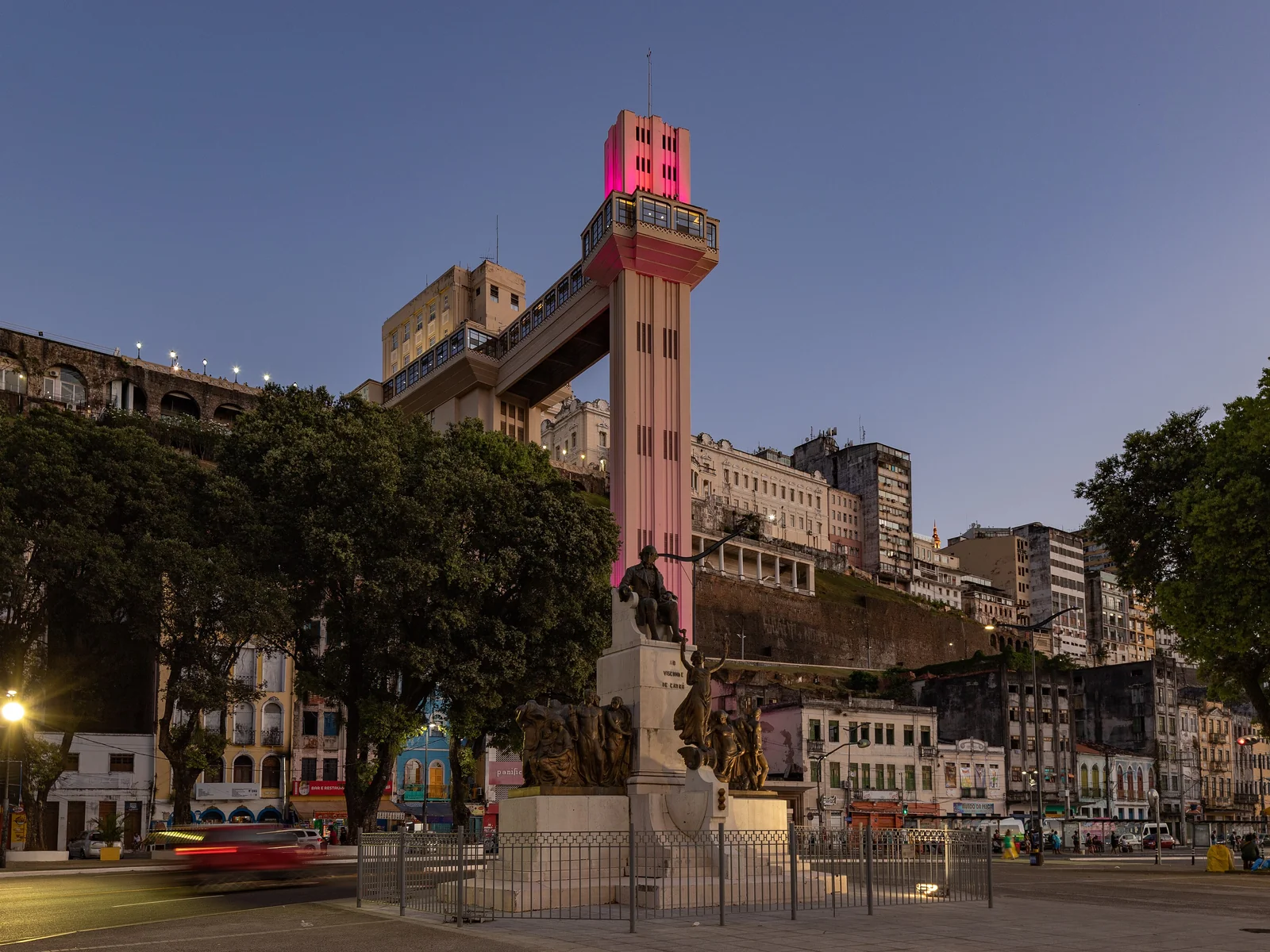
Small children do not care about baroque façades. They care about a 72-metre art-deco elevator that drops from the upper city to the port in about thirty seconds — running since 1873, restored top to bottom and reopened in February 2025, and free to ride in 2026. The bay view from the upper platform is free. Then make an afternoon of the boats: the little lanchas cross from the Terminal Náutico, beside the Mercado Modelo, to Mar Grande on Itaparica island in about forty minutes — R$ 10.50 Monday to Saturday, R$ 13.50 on Sundays and holidays, sailing roughly every half hour. The big car ferry from São Joaquim does a longer crossing for R$ 7.20 on weekdays. Either way, a family of four gets out on the Bay of All Saints and back for less than R$ 90. What waits on the far shore — calm beaches, seafood shacks, a slow island rhythm — is in our Itaparica island guide.
Capoeira is the thing they will actually remember
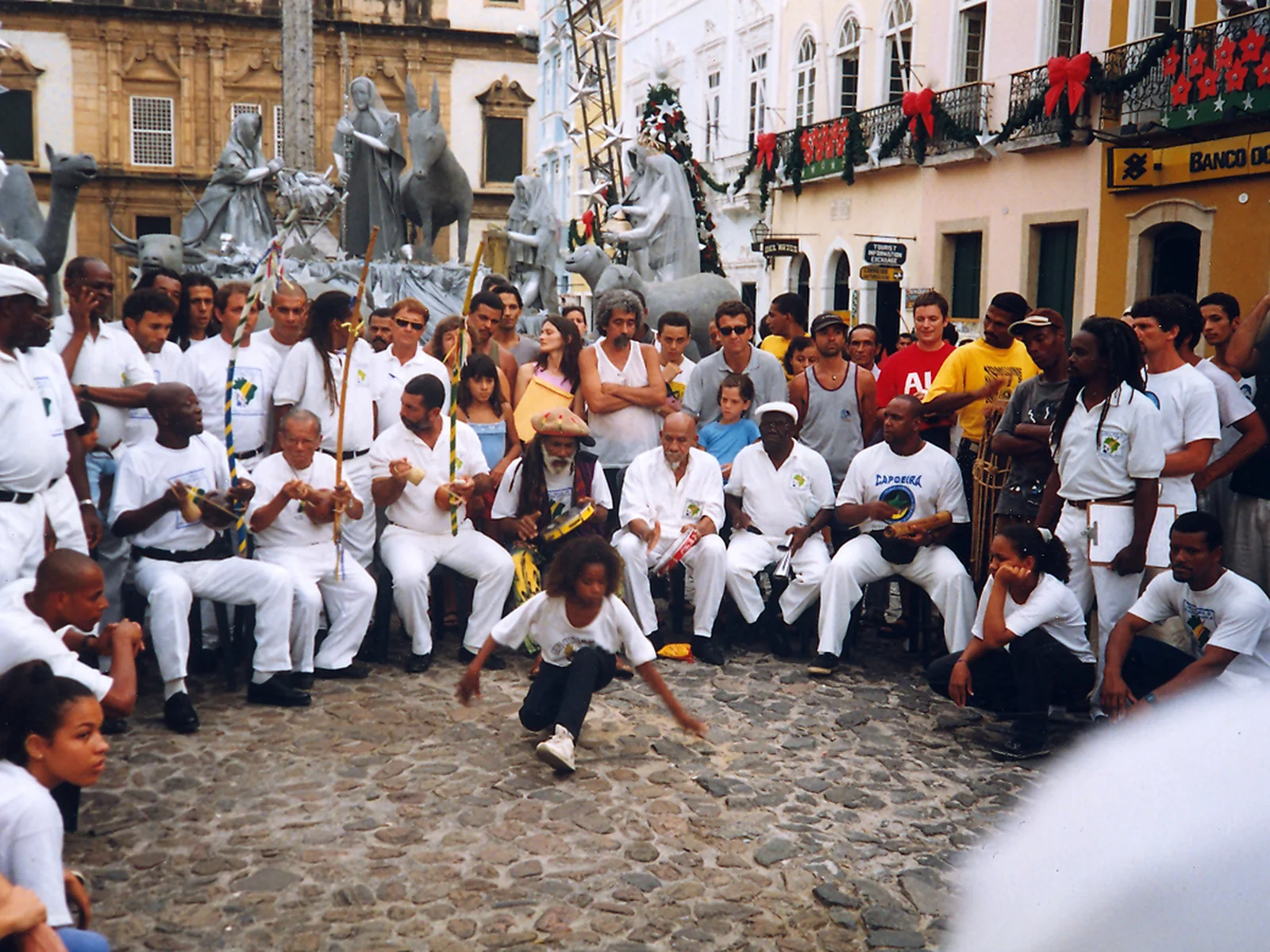
Ask a family what stuck a month after Salvador and the answer is rarely a church. It is capoeira — the Afro-Brazilian art that folds a game, a fight, acrobatics and live music into one circle. Children get it instantly, because to a child it looks exactly like what it is: a very serious game. You will come across street rodas around the Terreiro de Jesus; watch from the edge, and do not push a child into the circle uninvited. The way in is a class. The Filhos de Bimba Escola de Capoeira, founded in the historic centre in 1986 by Mestre Nenel — son of Mestre Bimba, the creator of capoeira regional — has taught children for decades and runs a kids' roda they call capoerê. Or keep it simple and book our private beginner capoeira class, which adapts happily to mixed ages and zero experience. Background and etiquette are in the capoeira guide.
Projeto Tamar at Praia do Forte: the classic family day trip
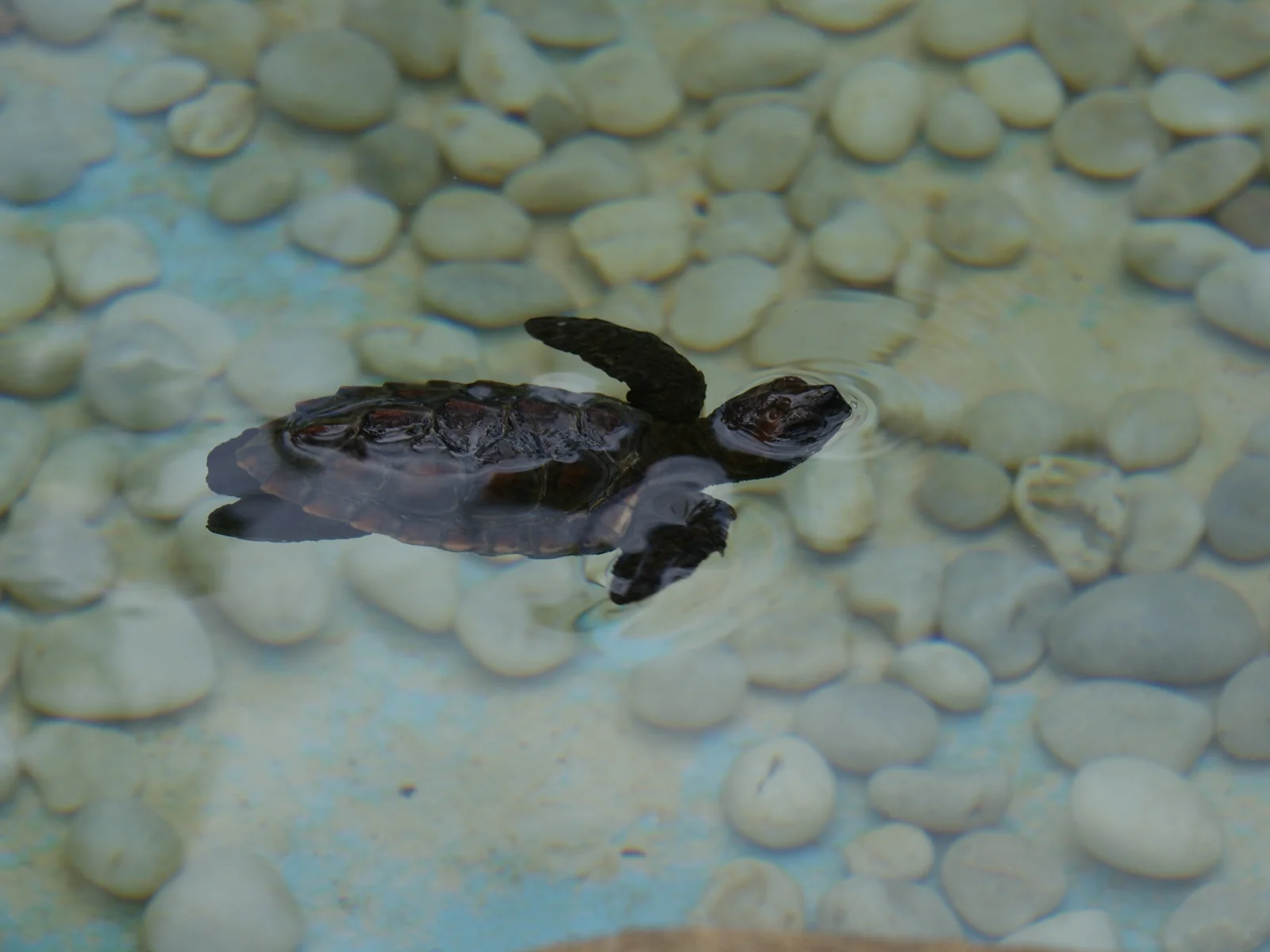
Eighty kilometres up the coast, the fishing village turned resort town of Praia do Forte holds the flagship visitor centre of Projeto Tamar, Brazil's sea-turtle conservation programme, at work since 1980. It is the best family half-day within reach of Salvador: around 750,000 litres of open-air tanks and aquariums holding four of the five sea-turtle species found in Brazil, from hatchling-sized to enormous, with bilingual signage and room to run between exhibits. As of mid-2026 it opens Tuesday to Sunday, 11 a.m. to 5 p.m.; entry is R$ 54 (about €9), half price from age six, free under five, and there is a family passport — two adults, two children — for R$ 150. Check the day's hours on the official Tamar site before committing to the drive: 1.5 to 2 hours each way along the Estrada do Coco. The village itself is easy with children — one pedestrianised main street running down to natural pools that are swimmable at low tide. Transport, tides and lunch are in our Praia do Forte day-trip guide.
A rainy-morning card: the Cidade da Música da Bahia
It does rain here, hardest from April to July, and the best wet-weather answer is three minutes from the Elevador's lower station. The Cidade da Música da Bahia, inside the blue-tiled Casarão dos Azulejos Azuis in Comércio, is four floors of Bahian music built to be touched: an interactive model of the city's musical neighbourhoods, nine video booths, a percussion room where an instructor puts real drums in your children's hands, and — the unbeatable part — karaoke studios where the family records an actual music clip. It runs Tuesday to Sunday; entry is R$ 20 (about €3, half price R$ 10) with last admission an hour before closing, and a visit takes around ninety minutes. Current hours are on the city culture department's page. For a seven-year-old it beats every church in the centre, and it is air-conditioned.
Acarajé heat levels, and ordering for children
Bahian food has a fearsome reputation that mostly comes down to one bottle. The heat in acarajé is not in the fritter — it is in the pimenta, the malagueta sauce the baiana adds at the end. Order sem pimenta (no pepper) and it becomes a warm bean fritter with prawns; baianas hear this all day and nobody blinks. Two more child-friendly moves from the same tray: abará, the steamed, softer cousin of acarajé, gentler on small stomachs than anything fried in dendê; and bolinho de estudante, a cinnamon-sugar tapioca fritter that is essentially dessert. Moqueca, despite the colour, is not hot either — the chili arrives on the side. On the beach, the reliable yeses are queijo coalho, the grilled cheese skewer; fresh tapioca crepes; and água de coco straight from the nut, which doubles as your rehydration plan. What each dish is and how to order it is in the Bahian food guide.
Sun discipline near the equator
Salvador sits 13 degrees south of the equator, and the midday UV index regularly reaches the extreme band — 11 and above, the top of the scale — for much of the year. This is a different sun from Europe or most of the US, and children burn before anyone notices. The local rhythm is the right one: beach and playground before 10 a.m., a long lunch and rest through the middle of the day, back out after 3 p.m. Between 10 and 15h, shade is the plan, not sunscreen — a UPF swim shirt and a real hat do more for a sandy, wriggling toddler than any cream you will actually manage to reapply. Cloud changes little; overcast days burn too. Keep the água de coco coming — a cold coconut costs a few reais on any beach — and treat a flushed, cranky child as a warning, not a mood. Children's sunscreen is stocked in every pharmacy but is not cheap here; bring a supply from home.
Pharmacies, nappies and the Uber car-seat reality
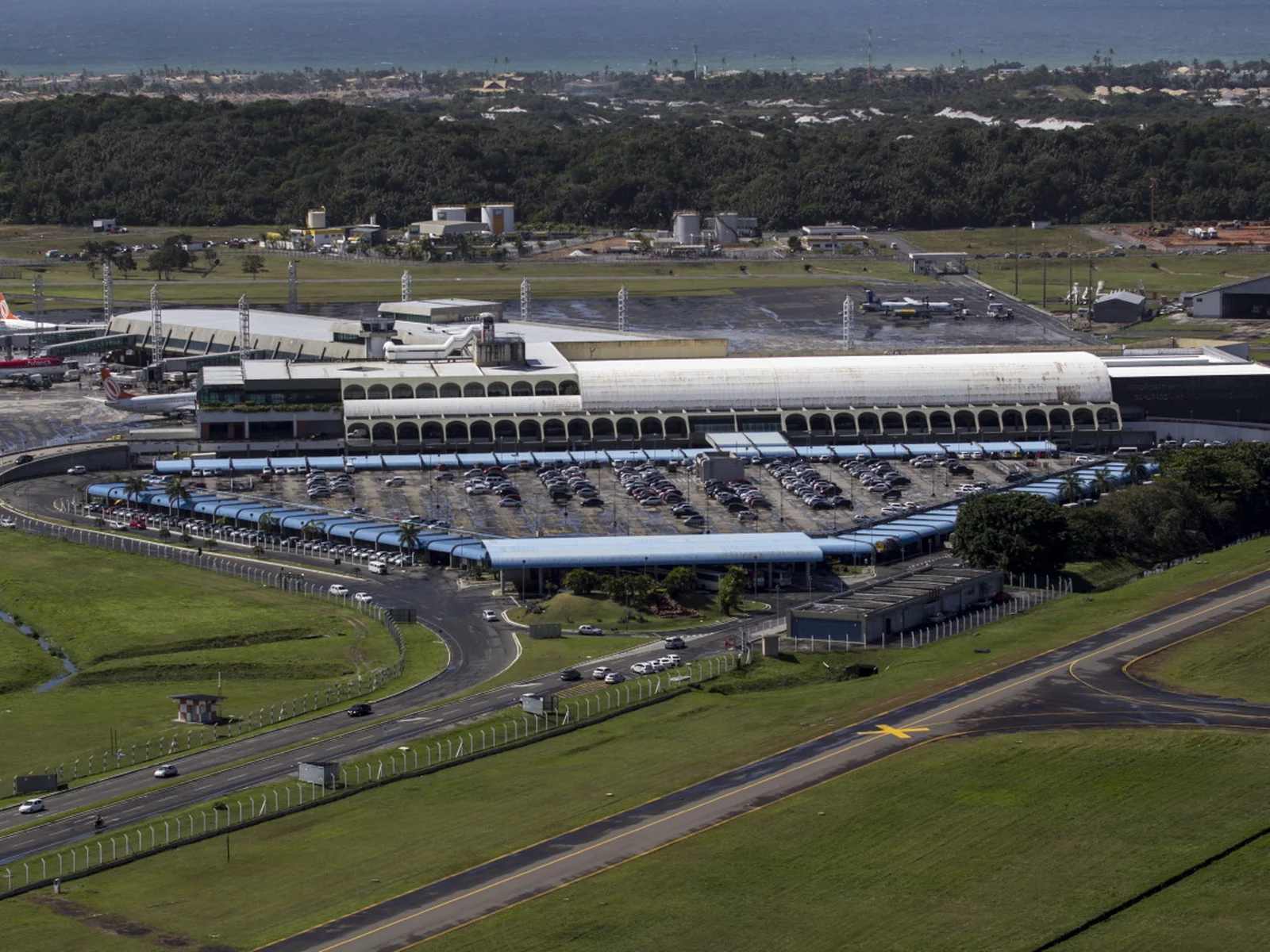
The practical layer is easier than feared. Pharmacies are everywhere and well stocked — Pague Menos and Drogasil are the big national chains, present across the city, and many branches deliver through their apps; pharmacists routinely advise on minor ailments before anyone needs a doctor. Nappies (fraldas — the word you need), formula and UHT milk are in every supermarket: GBarbosa is the workaday chain for a cheap big shop, while Perini — the local gourmet grocer, with stores in Graça, Pituba and Costa Azul — carries the imported and organic end, Graça being the branch closest to the centre. Now the honest part: car seats. Brazilian law requires children under 10 (and under 1.45 m) to use a child seat in private cars — but a 2021 change to the traffic law exempted ride-hailing, so your Uber will arrive without one, legally. Bring a folding travel booster, or book a private transfer with a seat where it matters most, the airport run. Under-tens ride in the back, always. SIM cards, hospitals and tap water live in the practical A–Z.
A last argument from the parents' side. Salvador with kids is, above all, a question of distances: what counts is not what a city offers but how much of it fits between breakfast and the first meltdown. Stay in the Cidade Alta and the elevator, the ferries, the capoeira school and the ice cream all sit inside a ten-minute walk, with your rooms close enough for a real midday nap before the evening drums start. Have a look at our boutique suites in the historic centre — the cobbles stay, but the distances disappear.
Salvador, in images
Photographs of the neighborhood, restaurant, and beach featured in this guide, with credit to each photographer.
Ready to discover Salvador?
Book one of the four Via Avantgarde suites in the Pelourinho — and receive the complete guides with recommendations for your stay.