Flights to Salvador every route that works in 2026
Flights to Salvador, Brazil from the US and Europe in 2026: the nonstops from Lisbon, Madrid, Paris and Panama, the São Paulo connection, fares and seasons.
The essentials in 30 seconds
Flights to Salvador, Brazil from the US all involve one stop — as of mid-2026 nobody flies nonstop from North America, so you connect in São Paulo (most choice), in Panama City on Copa’s new link, or in Europe. Salvador’s own long-haul roster is short but useful: TAP from Lisbon year-round, Air Europa from Madrid, Air France from Paris in winter, Copa from Panama since January 2026, and a December-to-March cluster from Buenos Aires. Domestic legs from São Paulo, Rio and Brasília run at shuttle frequency on LATAM, GOL and Azul. Book it all on one ticket, give São Paulo at least three hours, and consider the Lisbon stopover trick — it turns a layover into a second holiday.
What actually lands in Salvador from abroad
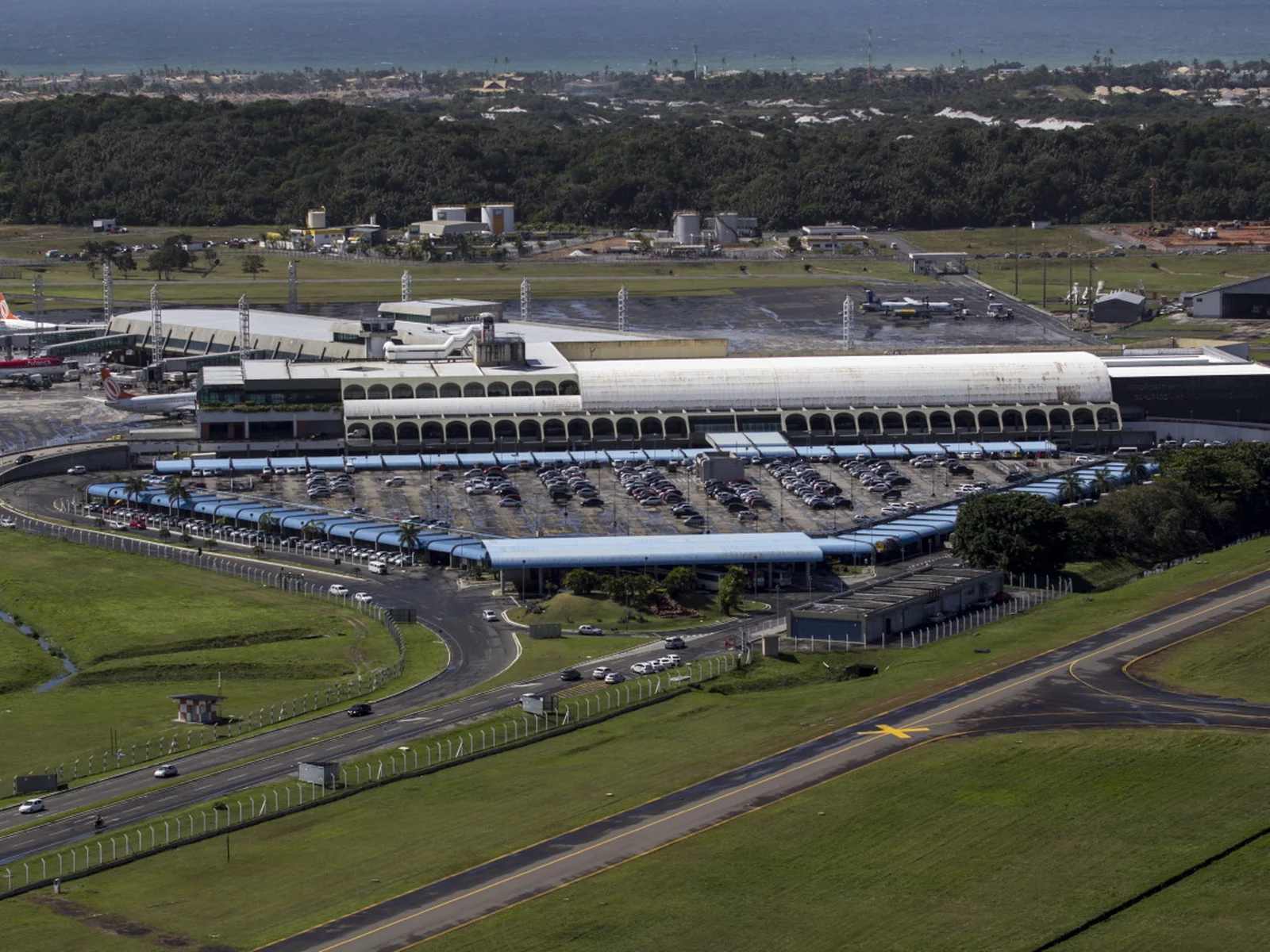
Salvador’s airport — Deputado Luís Eduardo Magalhães International, code SSA, run since 2018 by France’s Vinci — sits on Brazil’s eastern shoulder, which makes this the closest major Brazilian city to Europe: Lisbon to Salvador is about 6,500 km, roughly ninety minutes less flying than Lisbon to São Paulo. That geography has never translated into a crowded arrivals board, though. The intercontinental roster is short, and knowing it cold is most of the game.
| From | Airline | As of mid-2026 |
|---|---|---|
| Lisbon (LIS) | TAP Air Portugal | Year-round, 4–6 weekly |
| Madrid (MAD) | Air Europa | Year-round, about 3 weekly |
| Paris (CDG) | Air France | Winter season only, 3–5 weekly |
| Panama City (PTY) | Copa Airlines | Year-round, 4 weekly — new in January 2026 |
| Buenos Aires (AEP/EZE) | Aerolíneas Argentinas, GOL, Flybondi, Sky | Mostly December–March |
Frequencies flex with the seasons and the thinner routes get reviewed every year, so treat the table as the shape of things rather than gospel, and re-check schedules for your actual dates before you build a plan around one flight. Everything else — London, Frankfurt, Rome, Amsterdam, and every city in North America — reaches Salvador with one stop.
Flights to Salvador from the US and Canada: pick your stop
There are no nonstop flights to Salvador from the United States, and there has never been a durable one, so the question is not how to avoid a stop but which connection hurts least. Four patterns work.
- Via São Paulo (GRU) — the default, with by far the most rebooking options when something slips. American, Delta, United, LATAM and GOL fly nonstop to Guarulhos from Miami (around 8 hours), New York, Boston, Atlanta, Dallas, Houston, Chicago, Orlando and Los Angeles, and the onward hop to Salvador leaves practically every hour. Most East Coast departures are overnights that land between 05:00 and 10:00, which connects you to a morning shuttle and has you in the Cidade Alta by mid-afternoon.
- Via Panama City on Copa — one airline the whole way, from dozens of North American cities. Copa opened Panama–Salvador on 7 January 2026, four times a week on a 737-800. The catch is the clock: it lands in Salvador at half past midnight, so arrange your transfer before you fly.
- Via Lisbon or Madrid — sounds like a detour, prices like a contender from the East Coast outside peak season. More on this below.
- Via Rio (GIG) or Brasília (BSB) — both take long-haul arrivals and both have frequent Salvador shuttles; worth checking when São Paulo fares spike.
From Canada, the one nonstop into Brazil as of mid-2026 is Air Canada’s daily Toronto–São Paulo overnight, around ten hours; from the rest of the country, Copa via Panama is usually the tidiest routing. Whatever you pick, count on 14 to 18 hours door to door from the US East Coast. Salvador is a two-leg day — plan it as one.
From Europe: three nonstops and a Dutch workaround
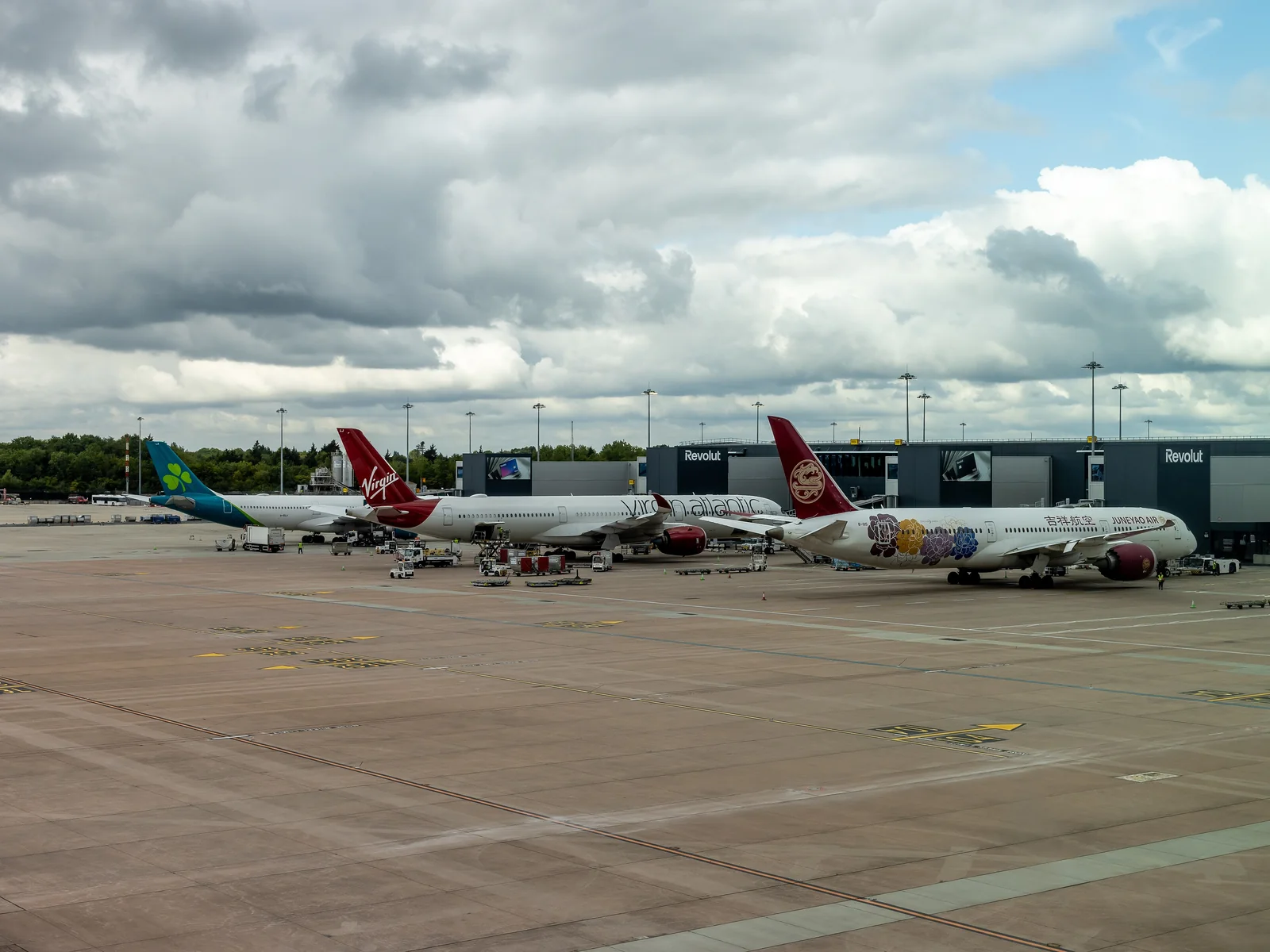
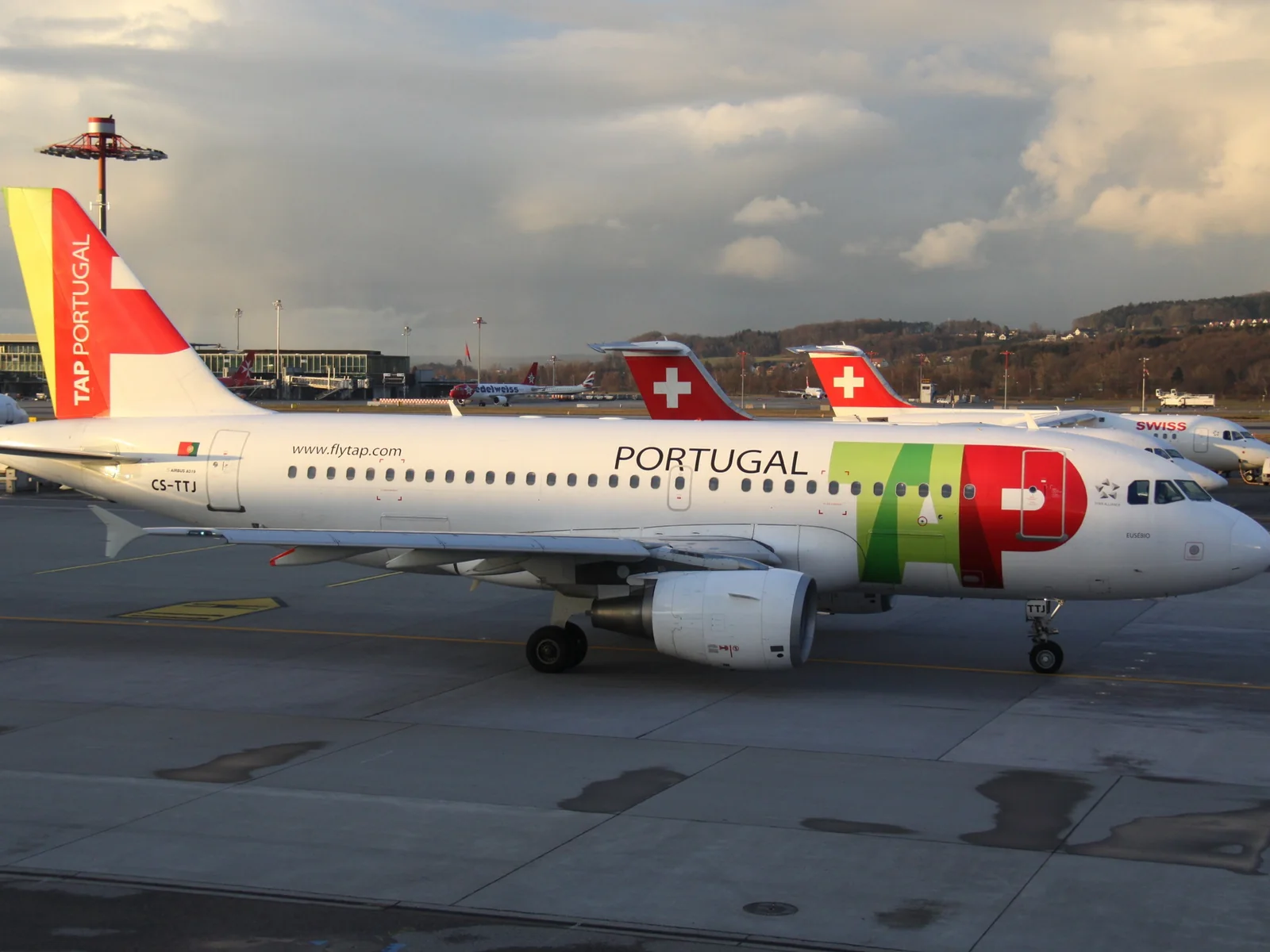
TAP Air Portugal is the historic link and still the spine of European access: Lisbon–Salvador year-round, four to six times a week depending on the season, on an A330neo, around eight and a half hours in the air. Air Europa connects Madrid about three times a week, also year-round. Air France treats Salvador as a winter city: its Paris CDG service ran three to five weekly through the 2025–26 high season and the airline has announced five weekly again for December 2026 to February 2027 — but as of mid-2026 there is no summer service, so a July traveller from France connects like everyone else.
From the rest of Europe it is one stop: over Lisbon, Madrid or wintertime Paris, or the other way round — into São Paulo or Rio on the big flag carriers, then onward on a domestic wing. From the Netherlands there is a neat workaround: KLM has flown Amsterdam–Fortaleza around three times a week, and Fortaleza–Salvador is a domestic hop of about an hour and a half — worth checking, though the route flexes seasonally. There is no Amsterdam–Salvador nonstop, and none from the UK, Germany or Italy either, as of mid-2026.
The Lisbon trick
TAP’s official Portugal Stopover programme lets you pause in Lisbon or Porto for up to ten days at no extra airfare: book the Salvador ticket, add the stopover, and the layover becomes a second trip. Nearly 193,000 travellers used it in the first half of 2025 alone, so this is an established product, not a fare-rules loophole. Even without the programme, deliberately booking a night in Lisbon on the way out de-risks the whole journey — you land, sleep, and board the long leg rested instead of gambling on a tight same-day change. From the US East Coast the Lisbon routing regularly prices close to the São Paulo one, and it swaps a domestic Brazilian connection for a few days in a European capital. One honest trade-off: it is usually the slower option door to door, so it suits travellers with days to spare rather than a long weekend.
The domestic leg: shuttle frequency, with one trap
From São Paulo Guarulhos, LATAM and GOL run about 75 nonstops a week to Salvador — ten or eleven a day between them — taking around 2 hours 20 minutes. Azul adds flights from its Campinas hub (VCP), a good hour and a half by road from São Paulo proper, and there are departures from Congonhas (CGH), the downtown airport, too. From Rio (GIG) and Brasília (BSB) the hop is about two hours, several times a day each. This is the healthy end of the market: seats are rarely the problem, and booked a few weeks ahead the leg typically costs R$ 400–800 one-way, roughly US$75–150 — though Carnival week can triple that.
Two practicalities. Brazilian domestic base fares include only a 10 kg carry-on, and a checked bag is a paid extra — unless the domestic leg sits on your international ticket, in which case the long-haul allowance usually carries through. And whatever your ticket says, Brazil has you collect your bag at the first airport of entry, walk it through customs and re-drop it at a transfer belt. It is a queue, not a formality — one of the reasons the next section exists.
One ticket or two — and the three-hour rule
Buy the whole journey as a single ticket whenever you can. On one booking, a late inbound is the airline’s problem: they must rebook you onto the next Salvador flight at no charge. On two separate tickets it is your problem, at walk-up prices. One ticket also checks your bag through after the customs re-drop and, as above, usually keeps the bigger baggage allowance on the domestic leg.
At Guarulhos, most long-haul carriers arrive at Terminal 3; GOL and LATAM fly domestic from Terminal 2, a signed indoor walk of roughly 700 metres from the Terminal 3 arrivals door; Azul leaves from Terminal 1, which needs the free 24-hour shuttle bus. Between you and that walk stand immigration — twenty minutes on a good morning, well over an hour on a bad one — plus bag reclaim, customs and the transfer drop. Three hours is the sensible minimum connection on a single ticket. On two tickets make it four or five, or simply sleep in São Paulo and take a morning shuttle: a hotel plus an early flight is often cheaper than the fare saving you were chasing.
When to fly: what the calendar does to fares
Fares to Salvador move on the Brazilian calendar, not the North American one. The expensive window runs from mid-December to Carnival: New Year here is enormous, and Carnival — 4 to 10 February in 2027, with street warm-ups from late January — fills flights months ahead at multiples of normal prices. July is a second, milder peak, when Brazilian school holidays meet the European summer. The value windows are March to June, after Carnival — May and June are lovely months in Bahia — and again August to November, when long-haul fares are at their calmest. International tickets tend to price best two to five months out, domestic legs one to three. For what the weather is doing in each window see our best time to visit guide, and scan the Bahia festival calendar before you lock dates — a festival you did not know about is either the best or the worst thing that can happen to your fare.
Landing in Salvador: the last 28 kilometres
SSA is compact, modern since its post-2018 renovation, and sits about 28 km up the coast from the historic centre — 40 minutes to an hour by car depending on traffic. Ride apps work well from arrivals, and registered taxis have desks in the hall. If you are on Copa’s half-past-midnight arrival, book a transfer ahead or make sure your host expects you. Everything else about the handoff — real prices into town, SIM cards, which side of the plane gets the bay view on approach — is in our Salvador airport guide.
However you route it, the flight is the hard part; arrival should be the easy one. Staying in the Cidade Alta means the car from the airport stops at the exact centre of everything — you unpack once, and the Pelourinho, the Elevador Lacerda and the bay are outside the door rather than across town. Have a look at our boutique suites, and once the flights are held, booking the suite takes two minutes. It is the easiest leg of the whole journey.
Salvador, in images
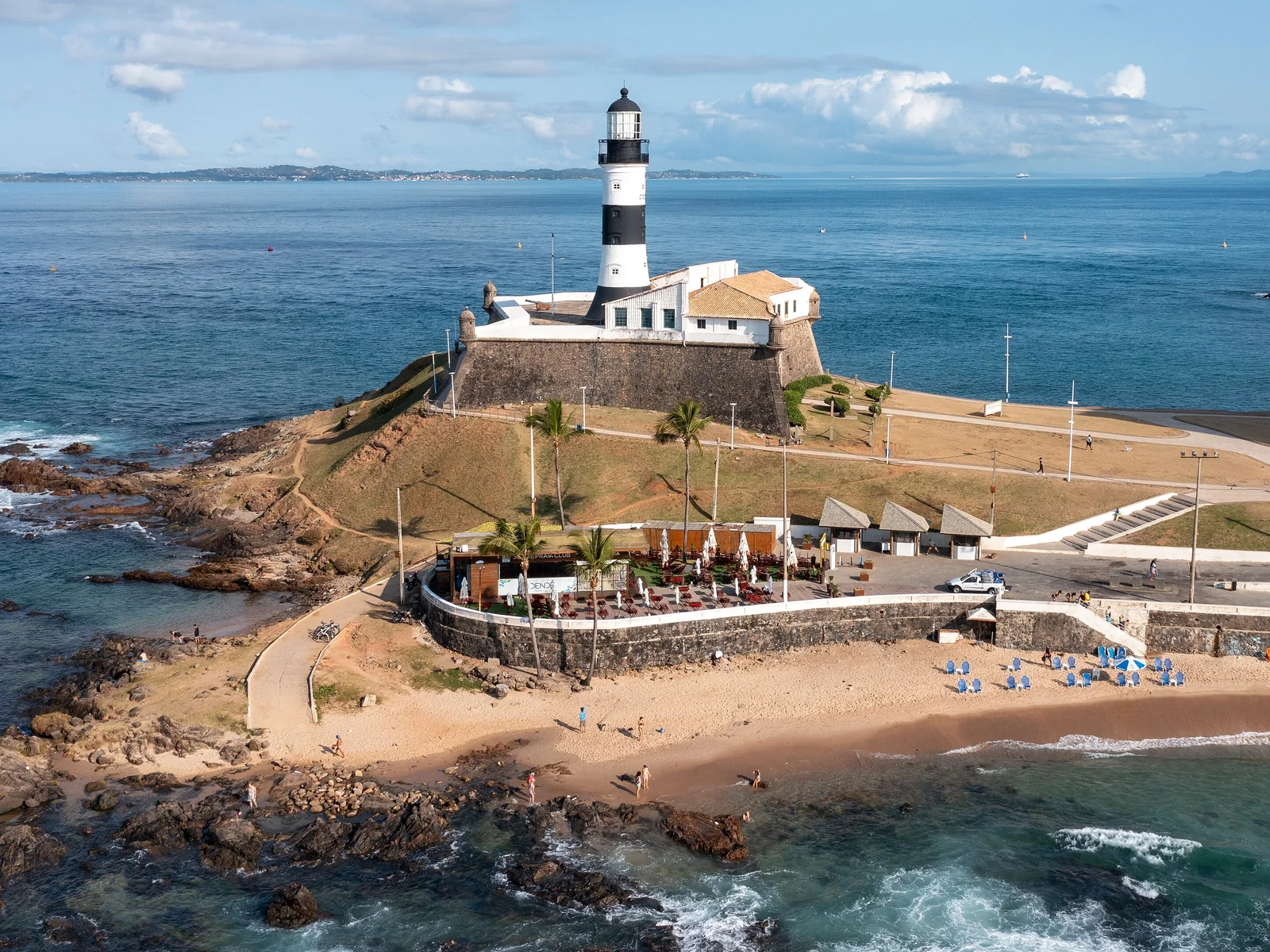
Photographs of the neighborhood, restaurant, and beach featured in this guide, with credit to each photographer.

Ready to discover Salvador?
Book one of the four Via Avantgarde suites in the Pelourinho — and receive the complete guides with recommendations for your stay.