Brazil Beach Culture the unwritten rules of the sand
Brazil beach culture etiquette: how the barraca system works, the vendors, the dress code, baba and altinha, the music, and where to swim safely on Salvador's beaches.
The essentials in 30 seconds
Brazil beach culture runs on unwritten rules, and the etiquette is simpler than first-timers fear. You sit at a barraca — a beach kiosk — where a pair of chairs and an umbrella run R$ 10–20 (about US$2–4) and the real rent is that you buy your drinks and lunch from that barraca, brought to your chair by a waiter on the sand. Roaming vendors offer grilled cheese, prawn skewers and bikinis all afternoon; a friendly não, obrigado ends each offer. Swimwear is small for every body; toplessness is neither normal nor legally safe. Music is part of the deal, Sunday is the full show, and nothing valuable ever goes onto the sand. On Salvador's Atlantic beaches you swim where the flags and lifeguards are, because the rip currents are real. Learn these habits and a Brazilian beach day is one of the most civilised things the country does.
How beach culture in Brazil actually works
Start with the legal fact that explains everything else: every beach in Brazil is public. There is no private beach, no hotel-only strip, no entry fee — the sand belongs to everyone, and everyone uses it. The beach is where birthdays are celebrated, football is argued about, business is quietly settled and three generations of one family camp from nine until sunset. Treat it as the country's shared living room and the rest of the etiquette follows on its own: you are a guest in a room where everybody else is a guest too.
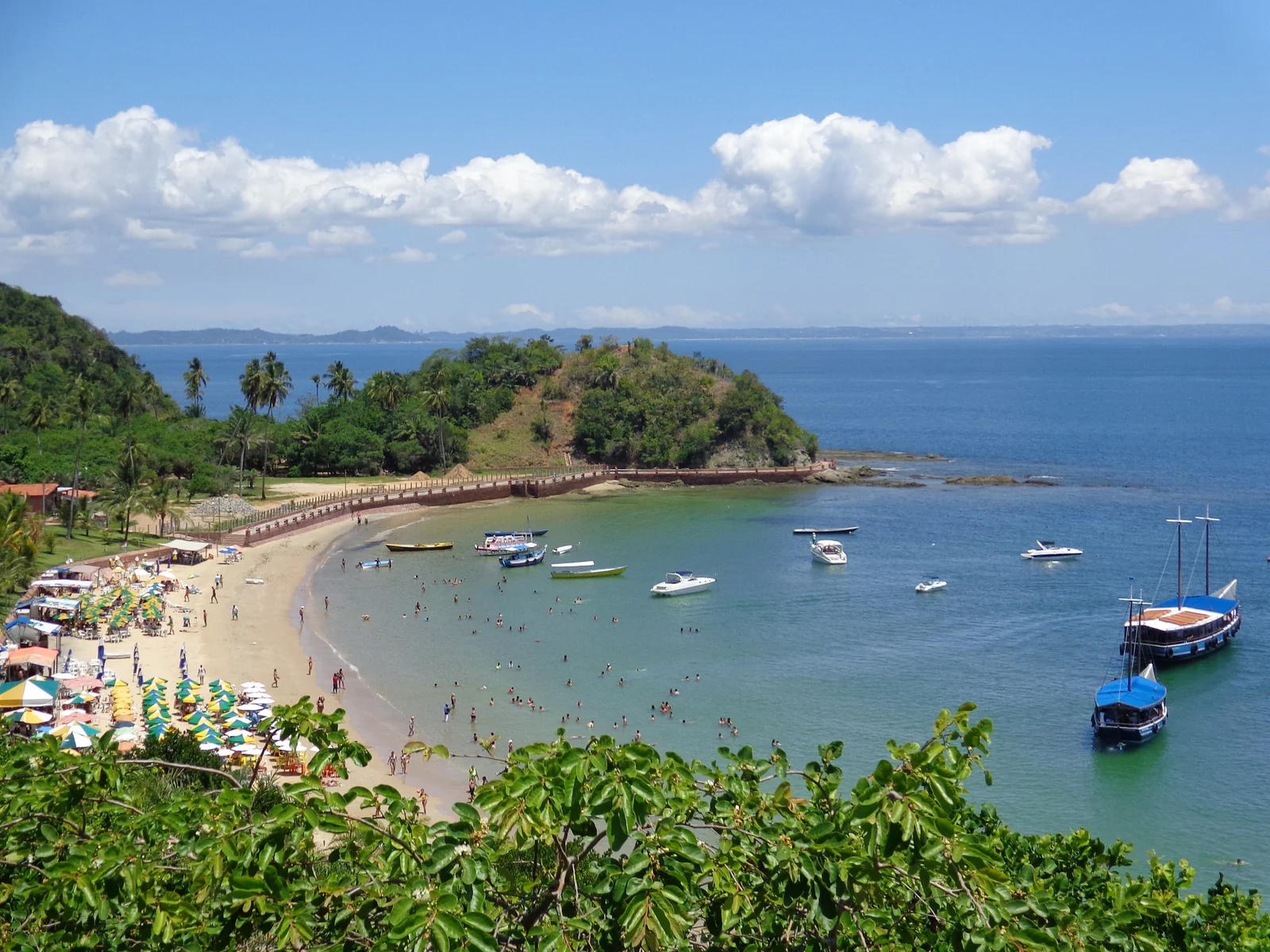
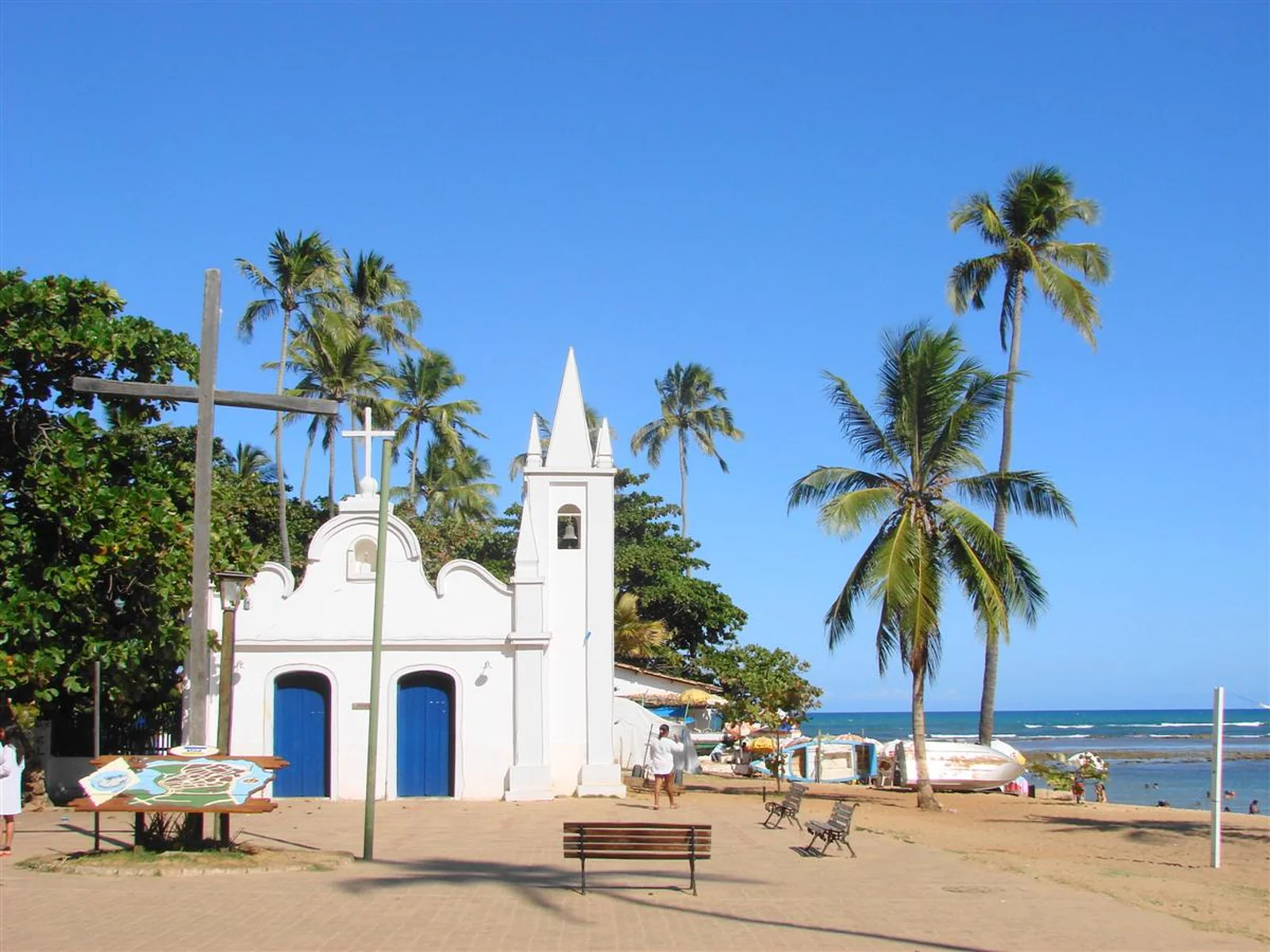
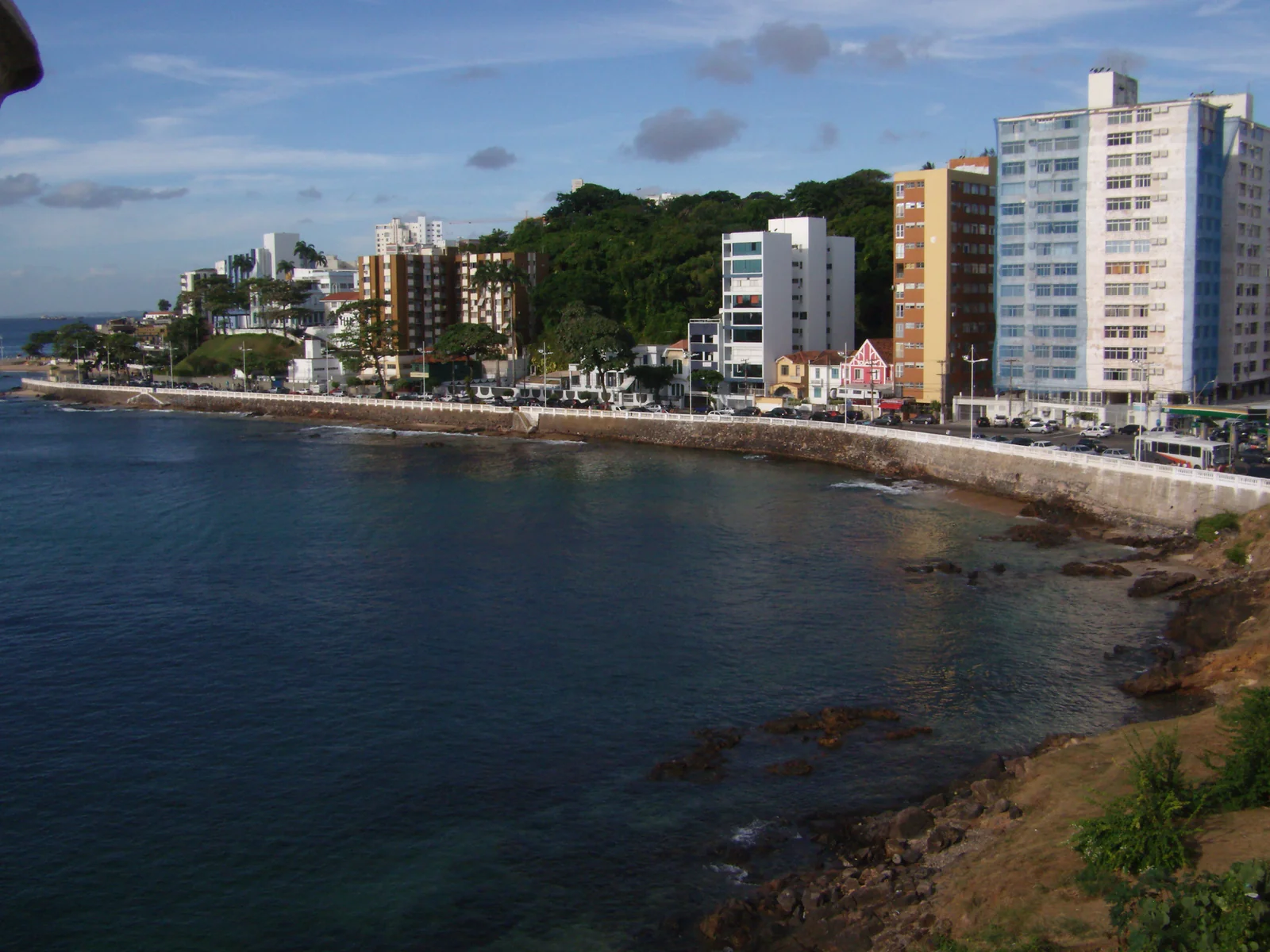
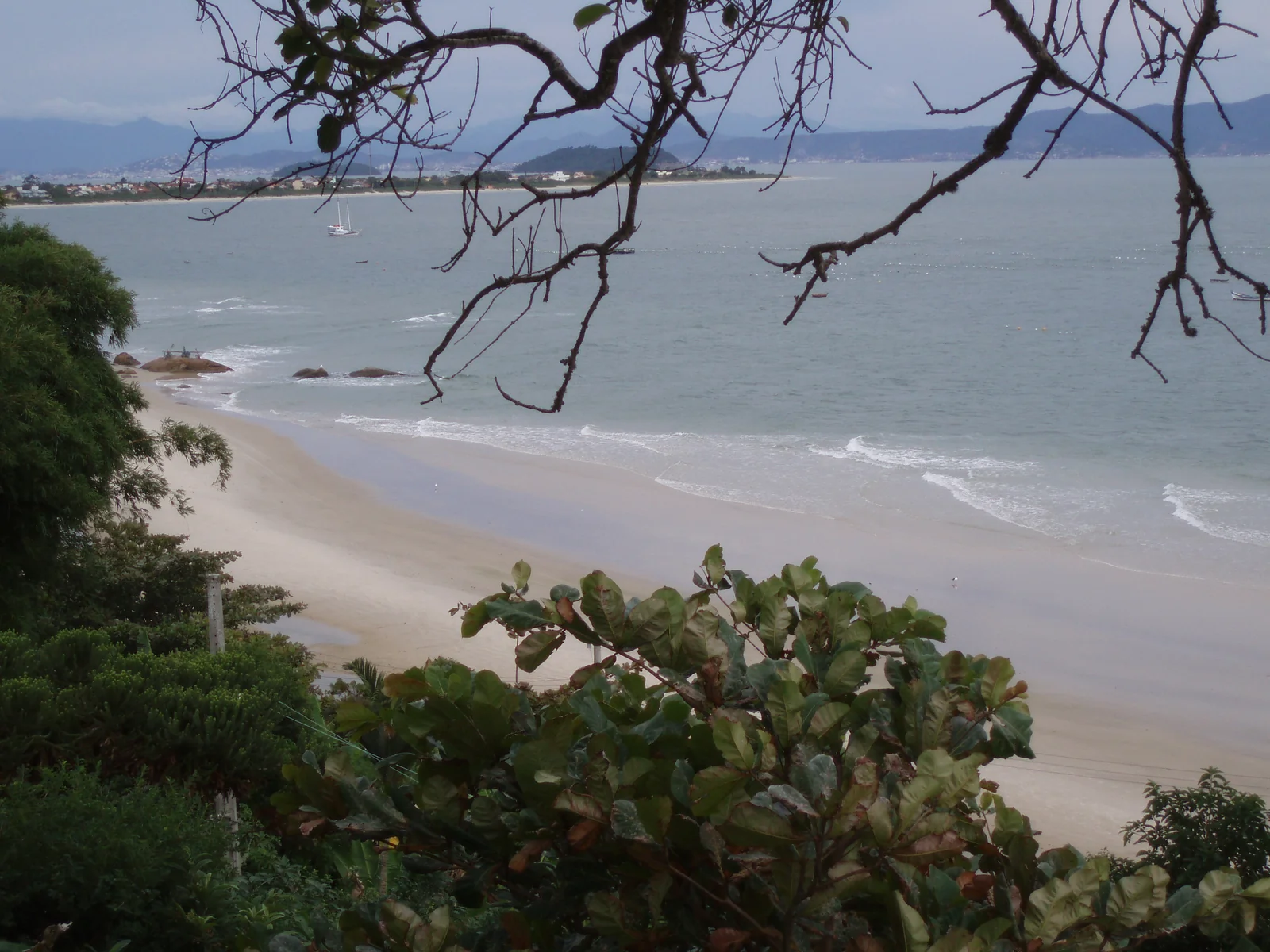
Salvador is a good city to learn the rules in, because it has two different seas. The bay side — Porto da Barra is the famous crescent — is warm, calm and swimmable at almost any hour. The Atlantic side, running out through Piatã and Itapuã to Stella Maris, has wind, surf and the kind of currents that put the safety half of this page to work. Which beach suits which mood is covered in our guide to Salvador's city beaches; this page is about how to behave once your feet hit the sand.
The barraca system: the chair is the contract
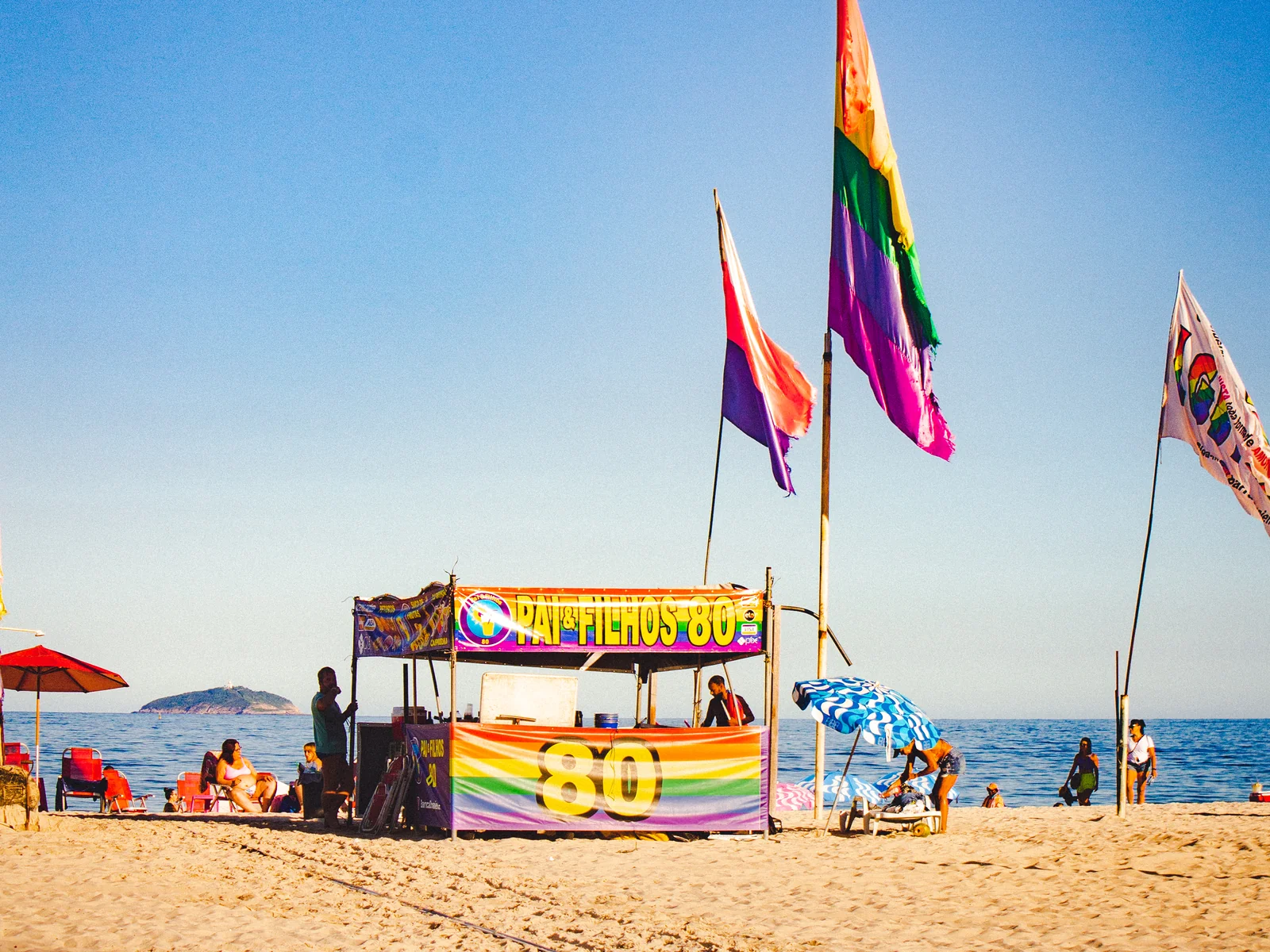
The first thing you notice on an urban Brazilian beach is that almost nobody lies on a towel in the open sun. People sit on chairs, under umbrellas, and both belong to the nearest barraca — the kiosk or tent working that stretch of sand. The deal, nowhere written and universally understood: you take a barraca's chairs, and in exchange you buy what you eat and drink from that barraca. Around Salvador the chairs-and-umbrella set runs R$ 10–20 (about US$2–4), and plenty of barracas quietly waive it if your table keeps ordering. A waiter — often the owner, usually barefoot — takes orders at your chair and runs a tab until you leave.
Far from being a hustle to dodge, this is the best feature of the whole arrangement. You get shade, a chair, cold drinks carried to you, somewhere to ask about the currents and a person who will keep half an eye on your bag while you swim. It is not expensive either: a February 2025 price survey at Porto da Barra found canned beer between R$ 10 and R$ 22 (US$2–4.30) depending on the barraca. There are only two real breaches of etiquette — settling into a barraca's chairs with a cooler you brought from home, and spreading across six chairs to order one bottle of water. Everything else is forgiven.
The vendor parade — and how to say no
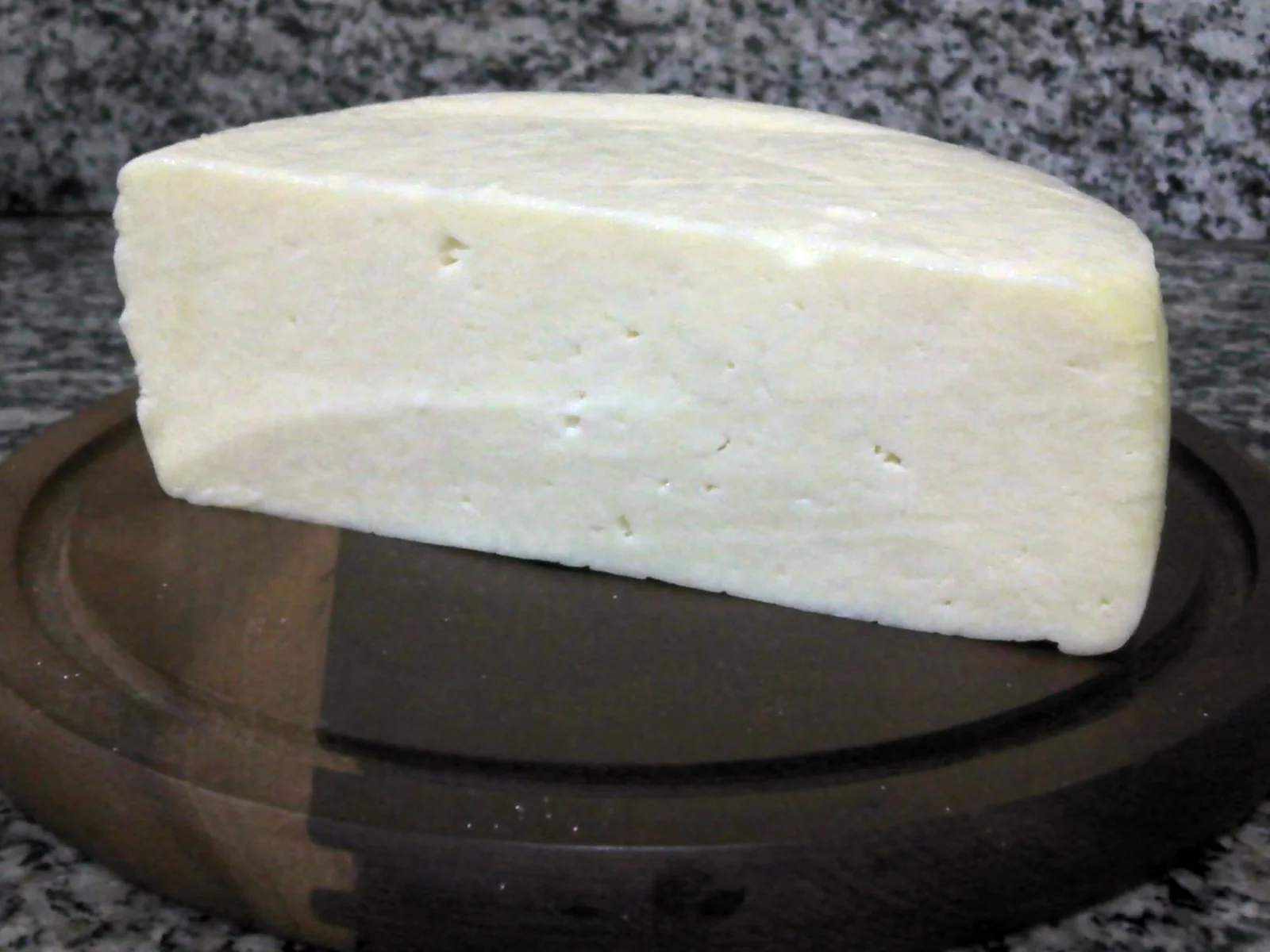
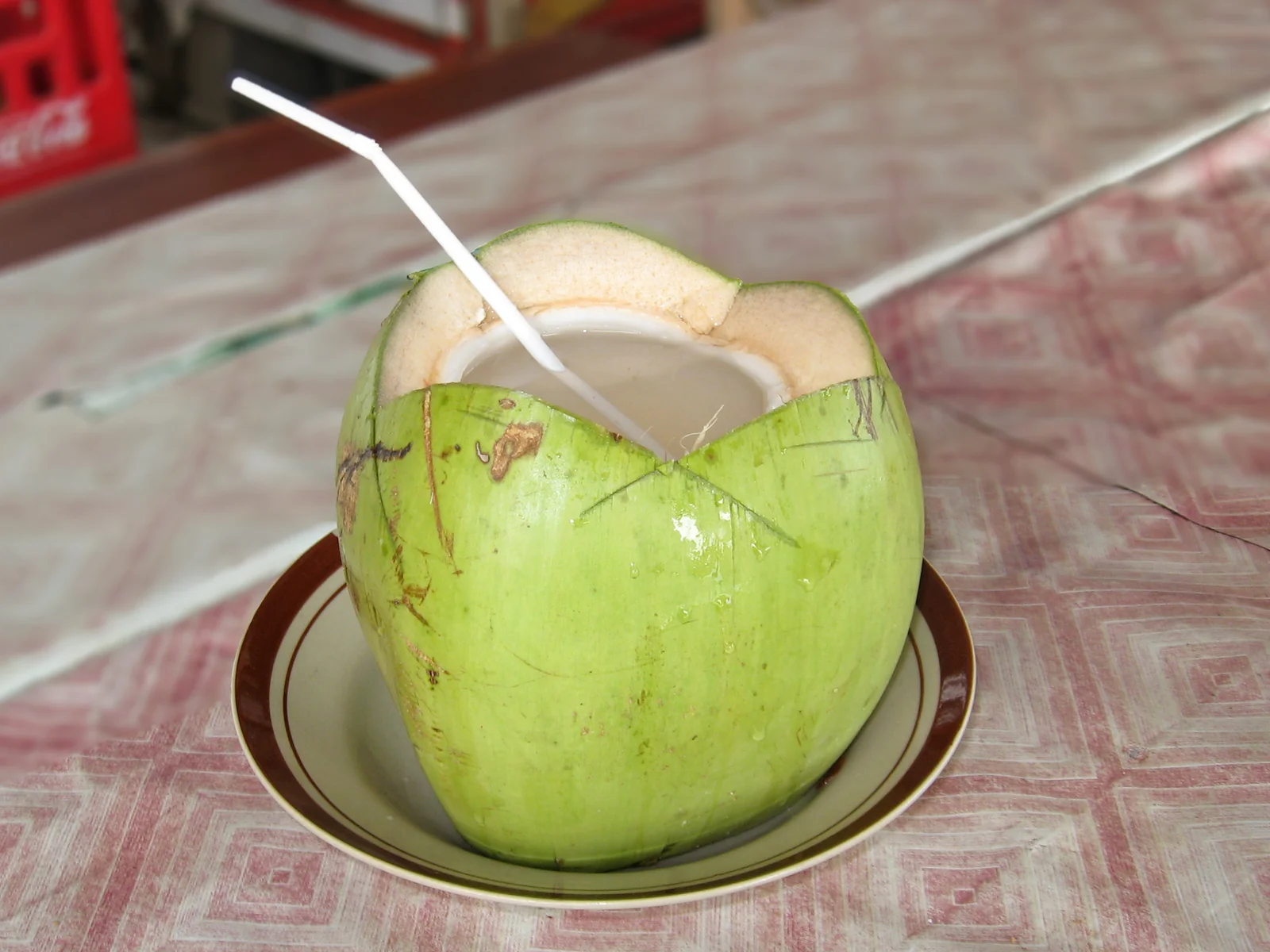
Between the barracas moves the second economy: the ambulantes, roaming vendors who work the sand in a slow, endless loop. In Salvador the classic figures are the queijo coalho man, who grills squeaky cheese skewers over charcoal in a tin brazier at your feet until they blister gold; the prawn seller with his skewers of camarão; the popsicle men — on the Barra beaches the traditional picolé is the capelinha, sold by licensed vendors, as the city's own Visit Salvador da Bahia guide notes; then boiled peanuts, coconut water, cangas, bikinis, sunglasses. Every beach city keeps its own register — Rio has its iced mate — and the parade is as much a part of the afternoon as the tide.
The etiquette costs nothing: eye contact, a smile and não, obrigado. That is a complete sentence here, nobody takes offence and nobody pushes twice. The other half of the etiquette is that buying something once an afternoon is part of the fun — R$ 10 of grilled cheese eaten off the skewer while a stranger fans his brazier is the best R$ 10 you will spend all day. If a baiana in white is frying acarajé within reach, that is lunch solved for R$ 10–15 at street stands, R$ 18–20 at the famous ones; our Bahian food guide explains what goes inside.
What people wear — and the one thing they don't
The dress code surprises Americans and Northern Europeans in opposite directions. Yes, swimwear is small: men of every age and build wear the snug sunga, women of every age and build wear bikinis that would be called brave elsewhere, and after twenty minutes the effect is the opposite of intimidating — nobody is performing, nobody is appraising, and every body simply belongs. Board shorts and one-pieces mark you as foreign, and exactly no one cares. The only real faux pas in Brazilian beach etiquette is visible self-consciousness.
The line that does exist: toplessness. It is not practised, you will essentially never see it, and it sits in an unresolved corner of the law. Off the sand, cover up loosely — a shirt or a canga — before shops and restaurants away from the seafront; on the beach promenade itself, salt-wet and shirtless is normal.
Baba, altinha and the etiquette of joining in
The sand is also a pitch. In Bahia a pickup football game is a baba — the local word for what cariocas call pelada — and the beach baba is an institution with regular players, fixed hours and occasionally a crate of beer riding on the result. Jaguaribe, on the Atlantic stretch, is the beach Salvadorans themselves rate as the city's baba headquarters. Altinha is the other game you will watch for an hour without meaning to: a circle of players keeping a ball airborne with feet, chest, shoulders and head — no hands, no goals, no score. It was born on Rio's beaches in the 1960s and its whole ethic is cooperative: the point is to make the next player look good, not to beat anyone.
Joining has its own small etiquette. Watch a while first. Ask — posso jogar? — between points, never mid-rally. Be honest about your level: a circle will happily carry a cheerful beginner and quickly freeze out a show-off. And when a stray ball thumps into your umbrella once an hour, throw it back with good grace; you chose to sit beside a pitch. Volleyball and futevôlei nets take over at the ends of the day, once the sun stops punishing athletes.
Weekends, weekdays and why nobody brings silence
Sunday is the beach's national holiday. Extended families arrive with folding tables, birthday cakes and grandmothers; the barracas triple their staff; the shallows at Porto da Barra become a standing-room party. It is the best single day to watch beach culture at full volume — and the worst day to want space. Children are welcome absolutely everywhere, fussed over by strangers and fed by half the barraca; our Salvador with kids guide goes deeper. For calm, come on a weekday before ten: the same sand, a tenth of the people, and a barraca owner with time to talk.
What never arrives, on any day, is silence. Someone's caixa de som is playing pagode, the barraca has its own speaker, a drum group may rehearse past. Music is not an interruption of the Brazilian beach; it is one of its load-bearing walls, and asking for it to be turned down is the one request that will genuinely puzzle everyone. A weekday morning is the closest thing Brazil has to a library. If you want emptier sand altogether, take the day-trip beaches north and across the bay — with the bonus that from July to October, peaking in August and September, humpback whales are moving along this coast.
Flags, lifeguards and the Atlantic
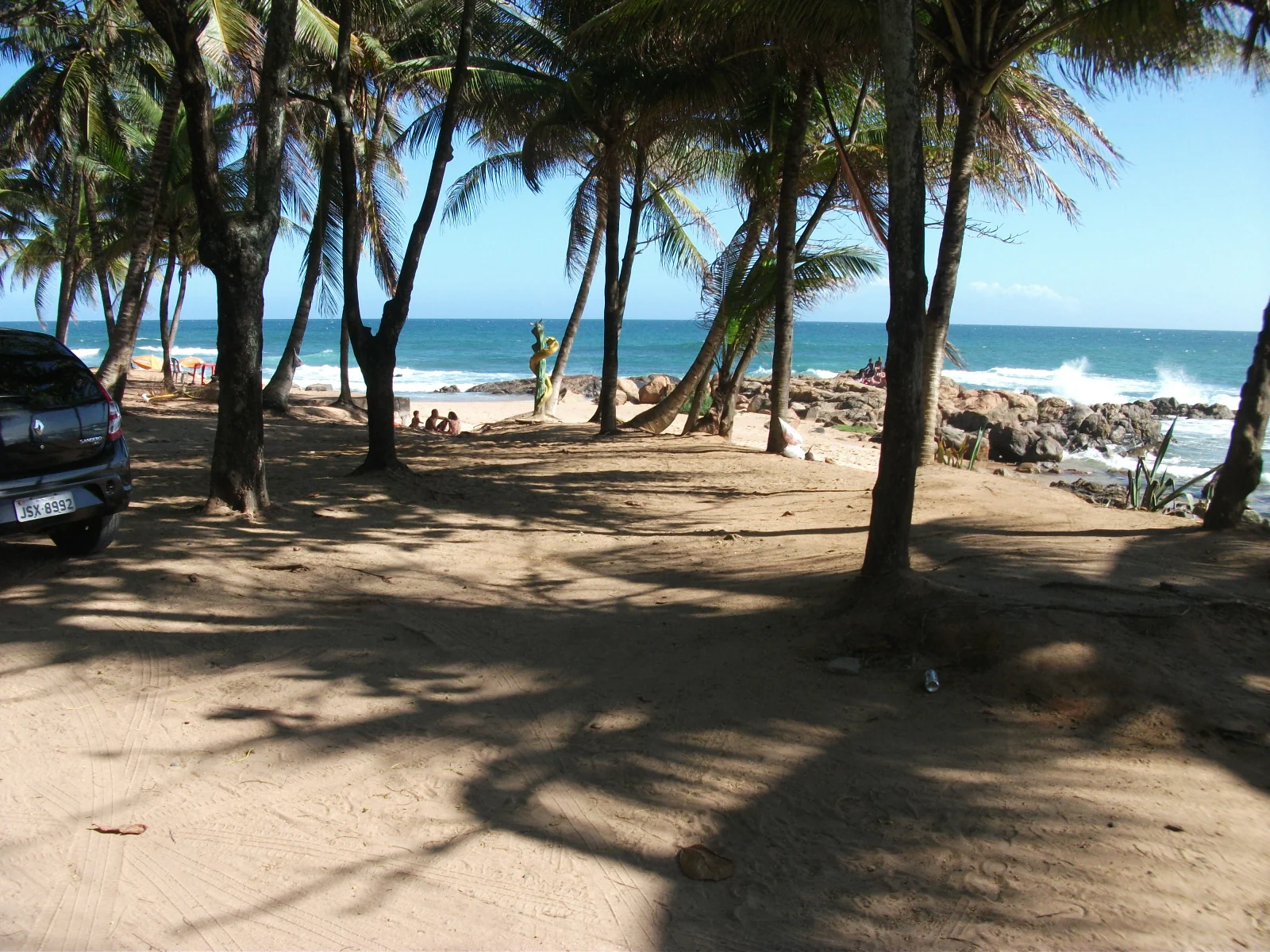
Now the part that matters more than manners. Salvador's two seas behave like two different planets. The bay beaches — Porto da Barra above all — are protected, clear and usually close to flat: swim there without a thought. The open Atlantic is a real ocean with real rip currents, and it earns the respect locals give it. The city's lifeguard service, Salvamar, keeps roughly 240 lifeguards along the stretch between Jardim de Alah and Ipitanga, working since late 2025 from a renewed network of 23 observation posts and three support modules. Its published risk list names Jardim de Alah, Jaguaribe, Aleluia, Stella Maris, Farol de Itapuã and Piatã as the beaches with the highest drowning risk, the stretch between the Itapuã lighthouse and Stella Maris worst of all — in 2023, five of the seven drowning deaths recorded in the city by October happened at Itapuã, Piatã and Stella Maris.
The flag code is national and worth thirty seconds of memory: green for low risk, yellow for caution, red for stay out of the water; purple warns of jellyfish, and a black flag means the post itself is unmanned. On the Atlantic beaches, swim in front of a manned post — that one habit is worth more than everything else on this page combined.
Phones, cash and the swim-in-shifts rule
The one rule locals follow without exception: nothing valuable goes onto the sand. Bahia has logged more than 54,000 phone thefts in a single year — the number has been falling, down roughly 14 per cent — but the habit stands. Theft on a busy beach is opportunistic, not violent: a phone face-up on a canga while its owner swims is simply an invitation. So Brazilians swim in shifts, someone always staying with the things, and they bring almost nothing worth staying with. The wider picture, in and out of the water, is set out honestly in our is Salvador safe guide.
The beach-day kit, refined by a nation over a century:
- Small notes and one card — around R$ 50 in fives and tens for vendors and the barraca tab. PIX and cards work at most barracas; the queijo coalho man wants cash.
- A canga, not a towel — the printed cotton wrap dries in minutes, shakes off sand and doubles as shade, skirt and pillow. Towels stay damp and mark you as brand new.
- Flip-flops — by noon the sand is a frying pan. Havaianas cost a few reais at any supermarket.
- Serious sunscreen and a hat — this is the tropics; the UV does not negotiate with visitors.
- A phone only if you must, in a waterproof pouch that goes swimming with you.
What to pack for the trip as a whole — reef shoes, medication rules, the rainy-season question — is in our Salvador packing list.
Beach culture is the cheapest lesson Brazil offers: the whole curriculum above costs a chair, a grilled cheese and a cold can. Staying in the Cidade Alta puts you about fifteen minutes from a Porto da Barra barraca — swim until the sunset applause, then be showered and back in the historic centre by dinner. Have a look at our four suites and give the sand one full, unhurried Brazilian day.
Salvador, in images
Photographs of the neighborhood, restaurant, and beach featured in this guide, with credit to each photographer.
Ready to discover Salvador?
Book one of the four Via Avantgarde suites in the Pelourinho — and receive the complete guides with recommendations for your stay.