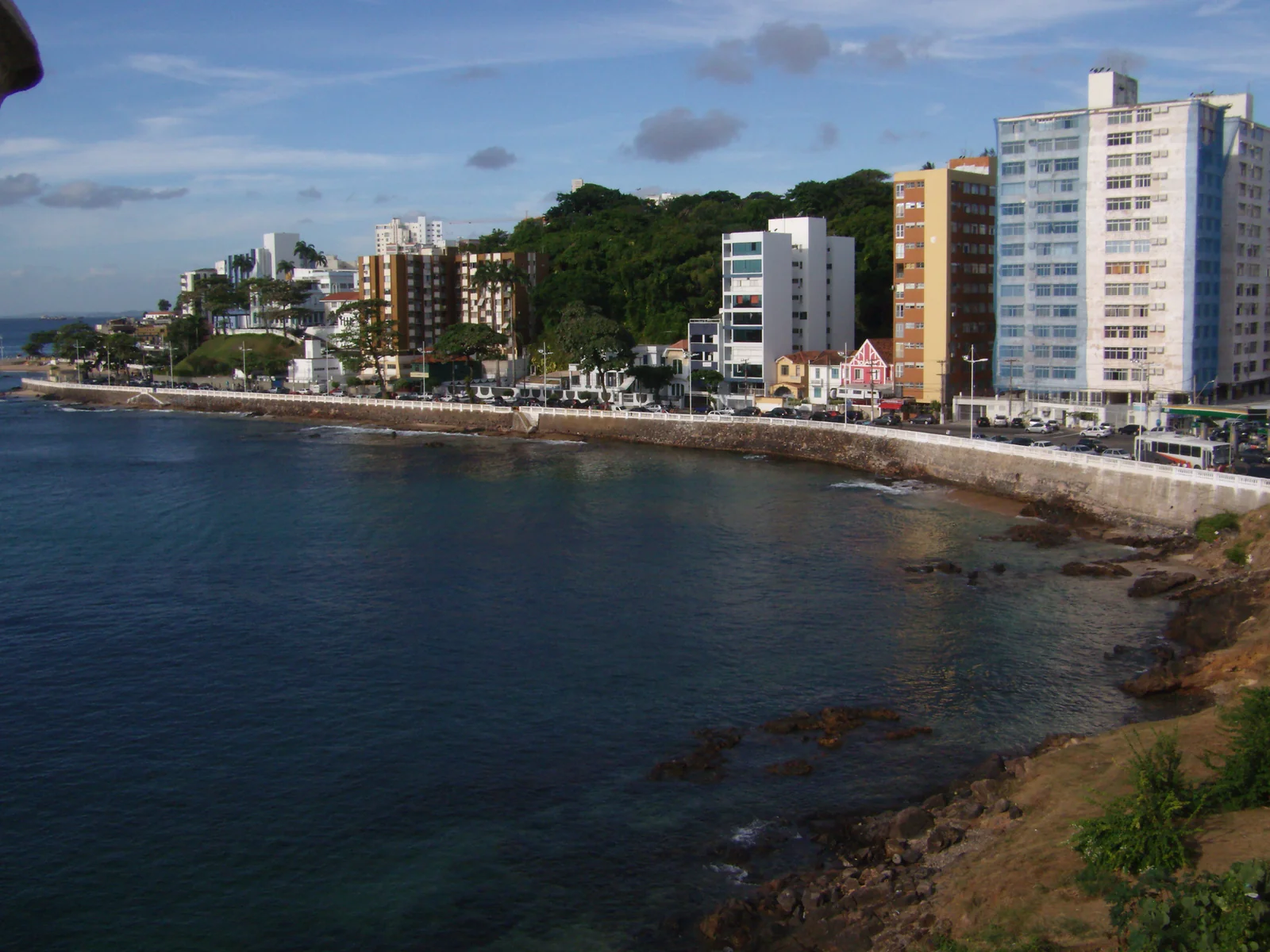
Praia do Porto da Barra (Salvador).jpg
Guide 45 / 64 · Salvador · 9 min · 1,790 words

Sunset Spots in Salvador the seven spots and when to turn up

Best sunset in Salvador, Brazil: Porto da Barra and its applause, the Farol da Barra lawns, the MAM seawall, Ponta do Humaitá and the R$ 1 Lacerda deck.

By Via Avantgarde

The essentials in 30 seconds

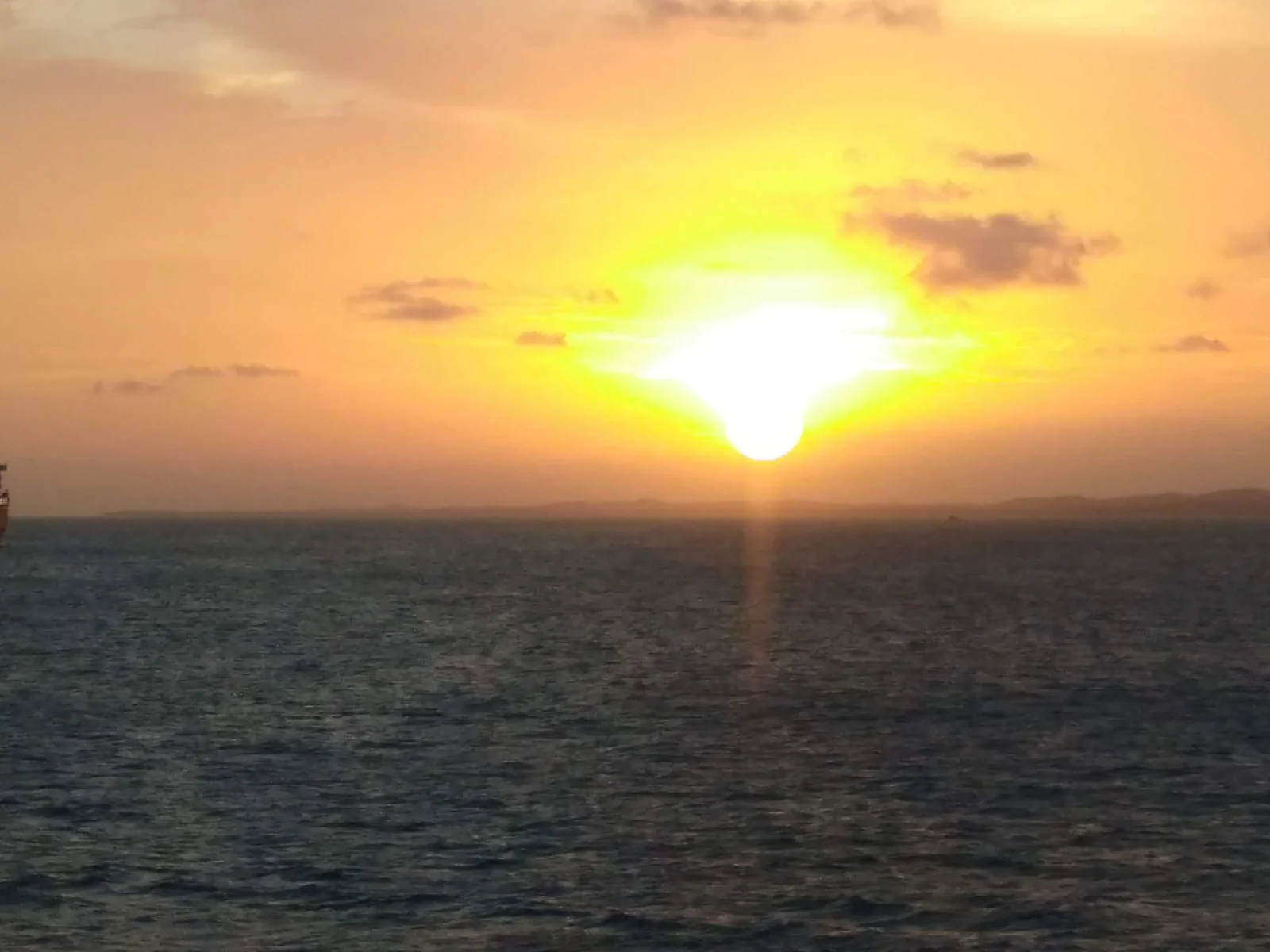
The best sunset in Salvador, Brazil is less a single spot than a civic habit: this is the rare Brazilian Atlantic city that faces west over water, and it shows up for the event. The canon: Porto da Barra, where the beach applauds the sun; the free lawns around the Farol da Barra; the MAM seawall at the Solar do Unhão, ideally on a JAM no MAM Saturday; Ponta do Humaitá, a little lighthouse point with the whole bay in front of it; the Elevador Lacerda upper deck for R$ 1; a caipirinha terrace on the Santo Antônio ridge; and the water itself, by sunset catamaran or a well-timed lancha back from Itaparica. The sun goes down between 17:15 and 18:10 all year, and night follows within about twenty minutes. Arrive early, leave promptly.

Why Salvador gets the sunset other Brazilian cities don't

Nearly every city on Brazil's coast — Rio, Recife, Fortaleza — watches the sun rise out of the Atlantic and set somewhere behind the apartment blocks. Salvador is the exception. It sits on a thumb of land with the ocean at its back and the Baía de Todos os Santos spread out to its west, so the sun ends its day over open water, in full public view, every evening of the year. The city has organised itself around this fact.

At 13 degrees south of the equator, the schedule barely moves. The earliest sunsets come in late May, around 17:15; the latest in late January, a few minutes past 18:00. That is the entire annual range.

MonthsSunset lands around
December – February17:55 – 18:10
March – April17:25 – 17:50
May – August17:15 – 17:30
September – November17:30 – 17:50
Good to know — Twilight this close to the equator is brief: sundown to proper dark takes about twenty minutes. Be in position half an hour before the times above, and settle how you're getting home before the light goes — every spot on this page empties quickly once it does.

Porto da Barra — the applause ritual

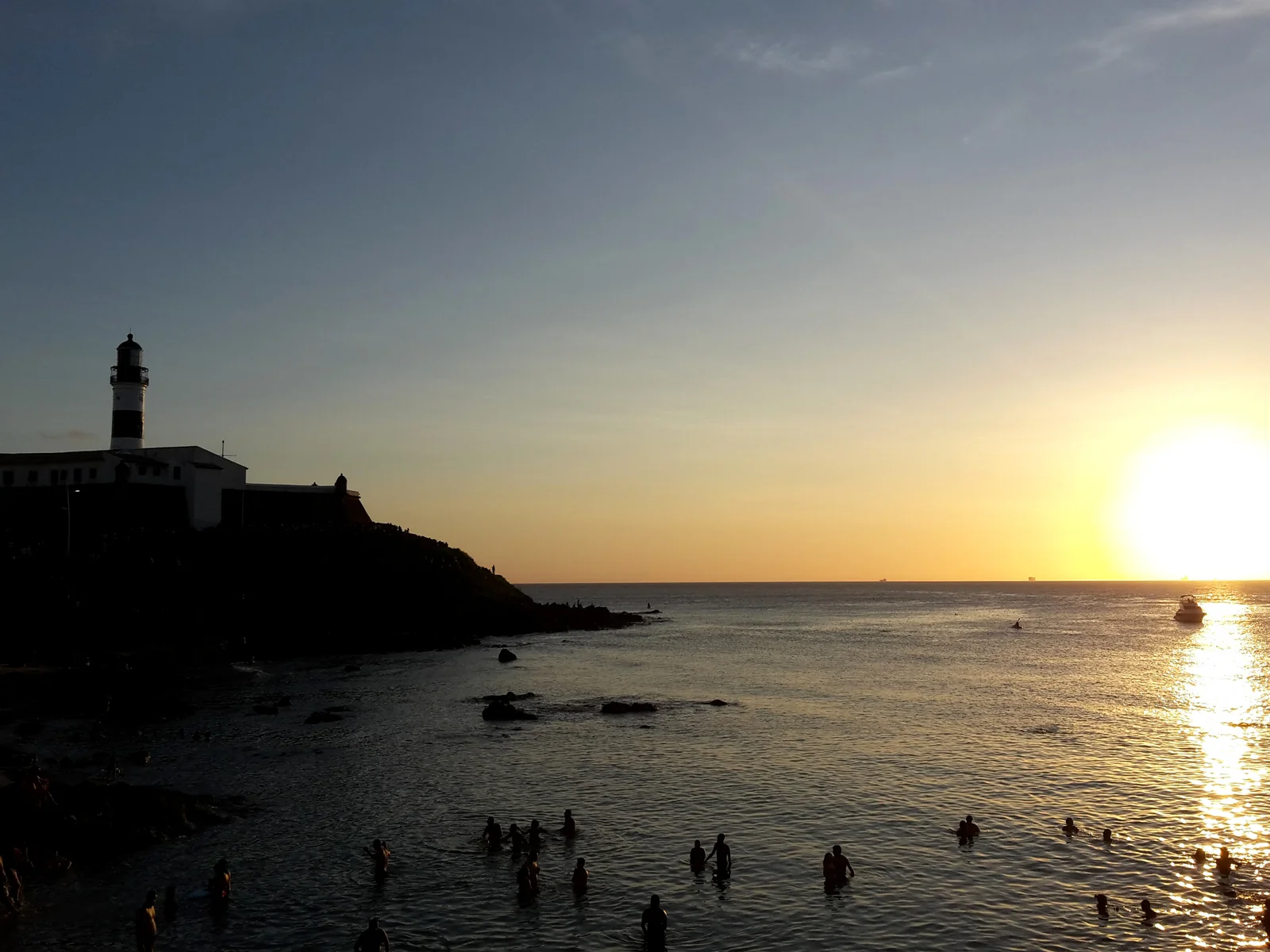
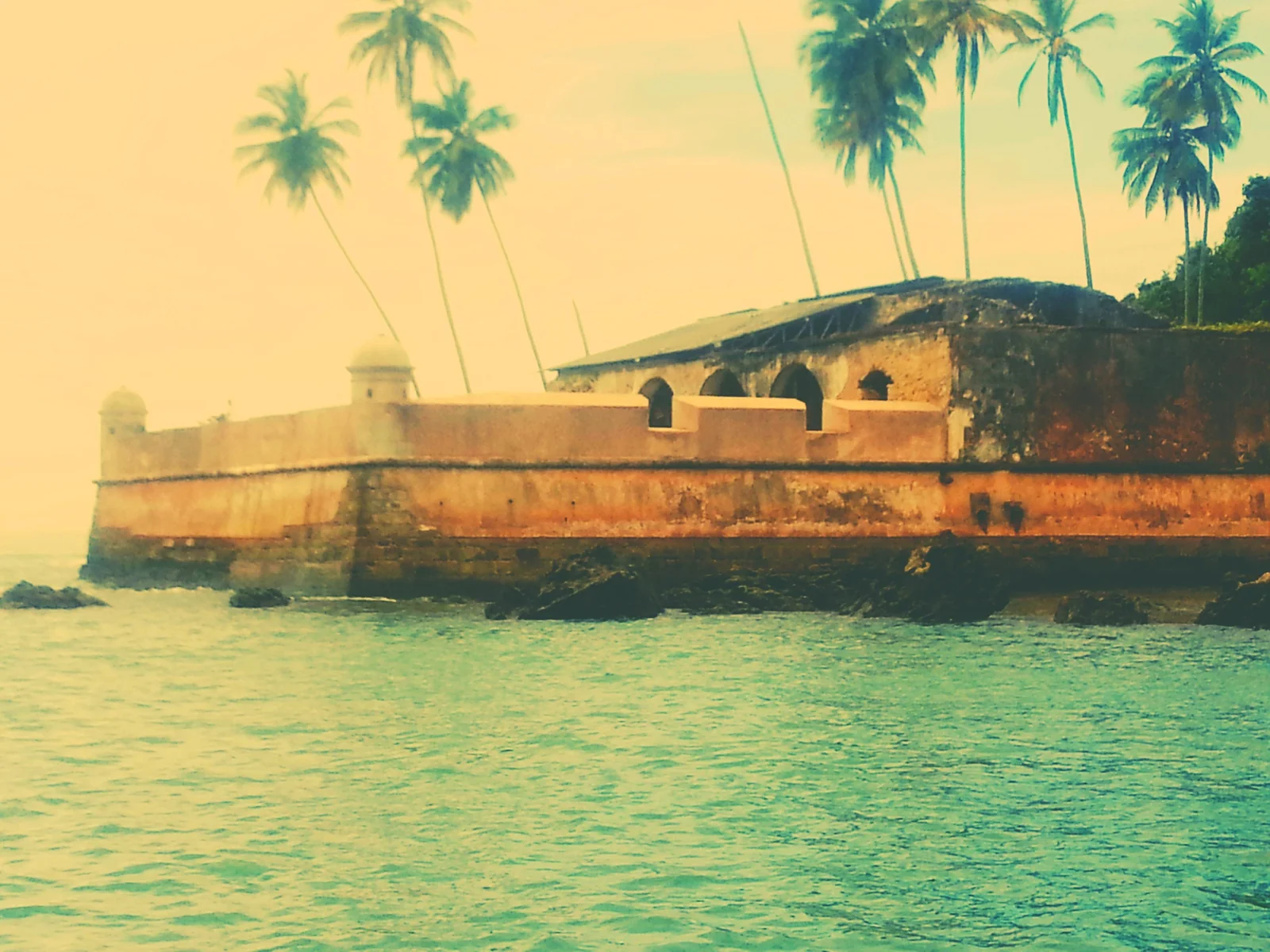
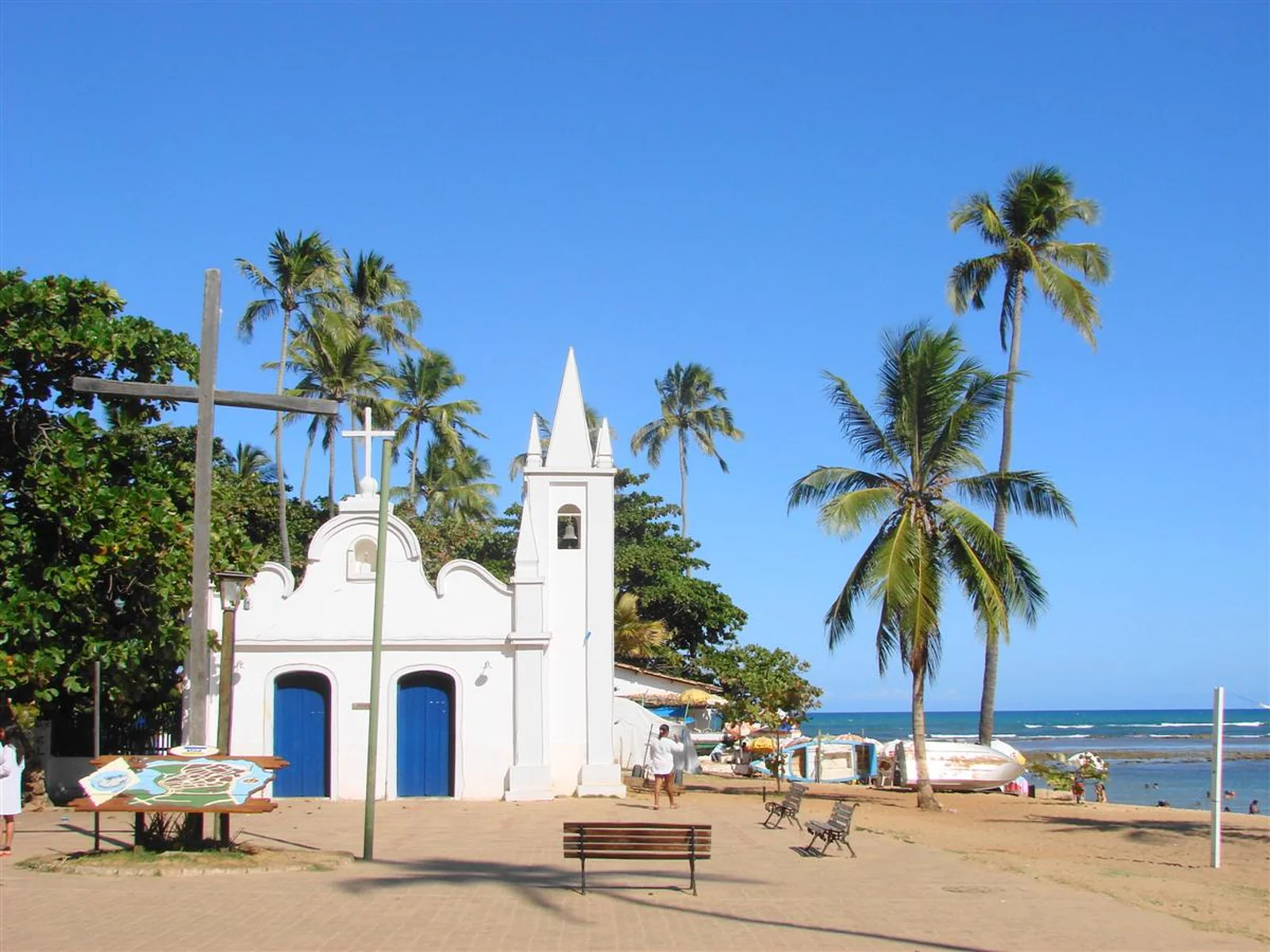
Porto da Barra is the default answer to the best sunset in Salvador, and it has earned it: a small, calm, bay-facing crescent between two colonial forts, angled precisely west. The ritual is real, not a guidebook legend — when the last sliver of sun drops below the horizon, the whole beach claps. Nobody organises it. It happens every clear evening.

Sit at the southern end below the Forte de Santa Maria — since 2022 a small museum of Pierre Verger's photography — because the centre of the sand fills first; the low wall above the beach works if you'd rather not get sandy. Arrive by 17:00 most of the year, closer to 17:30 in December and January, and give it 45 minutes on weekends. It costs nothing; vendors work the sand until dark, and a cold can of beer runs R$ 10–22, about US$ 2–4. Skip the shot everyone takes — the sun pinched between two fingers — and at the applause, turn around and photograph the crowd instead. That is the event. The beach itself gets full treatment in our Salvador beaches guide.

Farol da Barra — take the lawn, not the queue

Fifteen minutes' walk around the point, the Farol da Barra lighthouse marks the exact corner where the Atlantic meets the bay. The move here is not the monument but the wide public lawns wrapping the fort walls: free, breezy, pointed straight at the sunset, and covered by early evening in couples, dogs and canga picnics. If you want to go inside, the fort houses the Museu Náutico da Bahia — Tuesday to Sunday, 9:00 to 18:00, daily in January and July, R$ 20 (about US$ 4), half price for students and over-60s. In December and January the sun sets minutes before the doors shut, which technically buys you a sunset from the ramparts; the lawn is the safer plan. And the head-on lighthouse silhouette is on every feed in Brazil — walk fifty metres along the seawall and let the fort wall lead into the frame instead.

The MAM seawall — and the Saturdays with a soundtrack

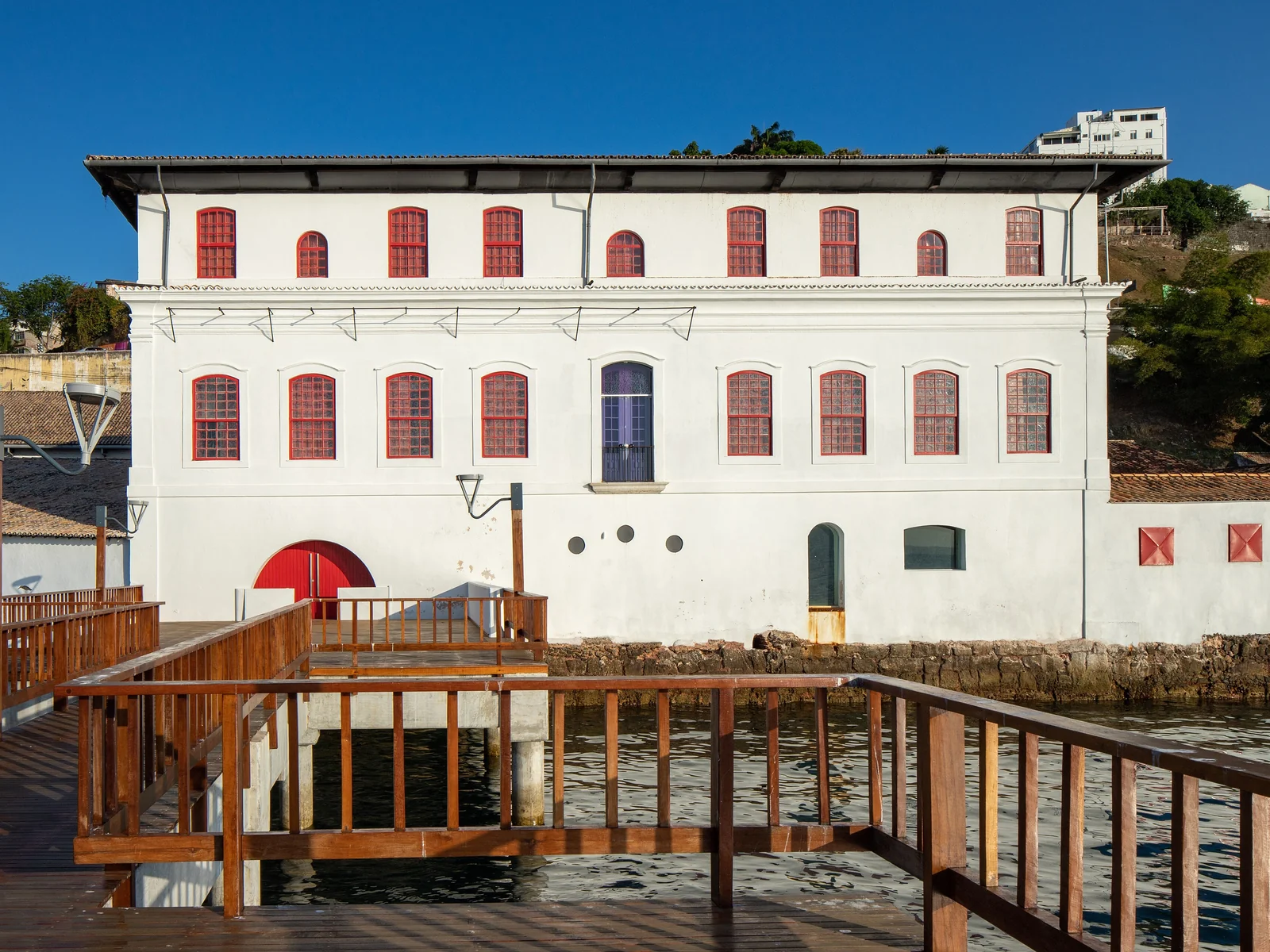
Between the centre and the port, the Museu de Arte Moderna da Bahia occupies the Solar do Unhão, a sixteenth-century sugar-estate complex right on the water below the Contorno avenue. Its stone seawall is the connoisseur's sunset: the sun drops into the bay with the old jetty and the sculpture garden in the foreground, and the crowd runs more to sketchbooks than selfie sticks. The grounds are free. Roughly every other Saturday, as of mid-2026, it pairs with JAM no MAM, the long-running open-air jazz session: gates around 17:00, music from 18:00 to 21:00, tickets R$ 10–40 — under €7. The sequence writes itself: seawall for the sun, courtyard for the horns. Two flat notes — face west until the light is gone, the stage will still be there afterwards; and take an app car both ways rather than walking the Contorno in the dark.

Ponta do Humaitá — the point with the whole bay

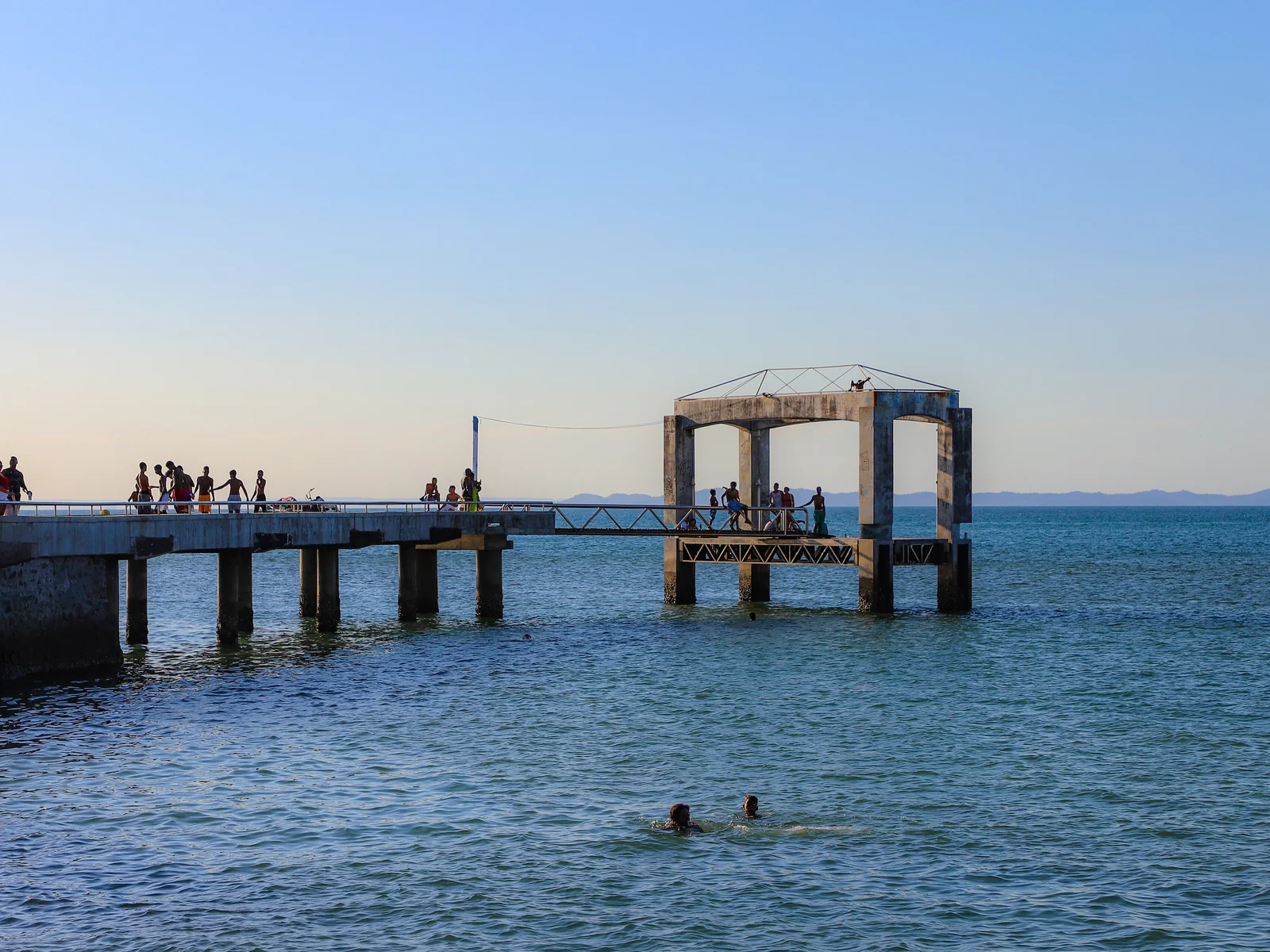
Out on the Itapagipe peninsula, a kilometre past the Bonfim basilica, the city runs out at Ponta do Humaitá: a paved point with the little church and monastery of Monte Serrat, a pier, and a squat lighthouse standing with its feet in the sea — the only one of Salvador's three that does. This is where locals send you when you ask about the best sunset in Salvador and they can tell you'll actually make the trip. The whole sweep of the bay opens in front of the point, the Cidade Alta stacked on its ridge away to the south, and on good evenings a capoeira roda or a drum circle works the esplanade. It is free, and it has public bathrooms, which is rarer than it should be. Come by Uber or 99 — about twenty minutes from the centre — ideally by 16:30, and pair it with a late-afternoon look at Bonfim's ribbon-wrapped railings. The lighthouse close-up is the postcard; the better picture faces the other way, at the skyline going amber across the water.

The best sunset in Salvador for zero effort — the R$ 1 balcony

From the Cidade Alta, the nearest west-facing rail is a two-minute walk. The upper platform of the Elevador Lacerda and the parapets of the Praça Municipal beside it hang directly over the bay, with the round Forte de São Marcelo in the water below and the ferries crossing the frame. The elevator is still R$ 1 — about twenty US cents — and the parapet costs nothing; the belvedere by the Praça da Sé repeats the trick a few streets on. This is the sunset for the evening you arrive, luggage barely open, and it is not a consolation prize. One habit worth copying: when the show ends, move on with the crowd — the squares go quiet soon after dark.

A caipirinha terrace on the Santo Antônio ridge

The ridge running north from the Pelourinho through Santo Antônio Além do Carmo is one long balcony over the bay, and two addresses on the Rua do Carmo will put a drink in your hand for it. Bar Cruz do Pascoal, pouring since 1952, hangs its small terrace straight over the drop — come by 17:00 or accept standing. Cafélier, at Rua do Carmo 50, is the quieter version: coffee, cake and a back terrace over the water, better for the hour before sundown than the minute of it. And the Hotel Fasano rooftop on the Praça Castro Alves — pool cut from blue Bahia granite, the widest terrace view in the old centre — has taken outside guests since late 2023, by reservation, Thursday to Saturday evenings. One catch: those slots start around 19:00, after the sun is already down. You get the DJ and the lights of the Cidade Baixa; the bay does not do encores. If a rooftop sunset matters to you, that is an argument for checking in — or for letting us stage the whole evening, terrace and timing included, through our romance package.

Sunset from the water — catamaran or the R$ 9 crossing

The canon ends where the city does: on the bay itself. The organised version is a two-hour late-afternoon catamaran out of Porto da Barra, tracing the shoreline past the lighthouse and the Forte de São Marcelo and turning home as the light drops. Departures sit on the big booking platforms, and berths genuinely run out around holidays, so book a day or two ahead. Prices depend on the boat and the headcount — a shared berth costs a fraction of a private charter, which lands in the low hundreds of reais per person for a small group.

The unorganised version costs pocket change and beats most paid tours. Spend the afternoon at Mar Grande on Itaparica, then take the 17:00 or 17:30 lancha back to the Terminal Náutico: R$ 8.60 on weekdays, R$ 11.60 on weekends — €1.50 to €2 — for a forty-odd-minute crossing aimed straight at the city as its waterfront turns gold. Recent timetables listed 18:00 and 19:00 as the last departures, but the board shuffles; confirm at the pier and don't cut it fine. Every way onto the water, ferries to full-day schooners, is mapped in our Bay of All Saints boat guide.

Which evening, which spot

There is no one best sunset spot in Salvador — there is the right one for the evening you're having:

  • First evening in town — the Lacerda platform or the Praça da Sé belvedere. Zero logistics.
  • The classic — Porto da Barra, with a swim before and the applause after.
  • A Saturday — check whether JAM no MAM is on; if so, seawall then jazz is the best-planned evening in the city.
  • Fewest tourists per square metre — Ponta do Humaitá, paired with Bonfim.
  • From the water — the catamaran, or the 17:30 lancha back from Mar Grande.
  • Full moon — go east instead: Rio Vermelho fronts the open Atlantic, useless for sunset and exactly right for watching the moon climb out of the sea at nightfall. Our Rio Vermelho guide has the bars to do it from.

A last practical point: sunset here is an early, everyday event — 17-something most of the year — so where you sleep decides how much of it you catch. From our suites in the Cidade Alta, the Lacerda balcony is two minutes away and the Santo Antônio terraces ten, which means the day's last errand can simply be watching it end.

em português

O essencial em 30 segundos

O melhor pôr do sol de Salvador é menos um lugar e mais um hábito da cidade: esta é a rara capital brasileira do Atlântico que olha para oeste sobre a água — e que comparece todos os dias. O cânone: o Porto da Barra, onde a praia aplaude o sol; os gramados gratuitos do Farol da Barra; o quebra-mar do MAM, no Solar do Unhão, de preferência num sábado de JAM no MAM; a Ponta do Humaitá, com um farolzinho e a baía inteira pela frente; a plataforma do Elevador Lacerda por R$ 1; um terraço de caipirinha na crista do Santo Antônio; e a própria água, de catamarã ou numa lancha bem cronometrada voltando de Itaparica. O sol se põe entre 17h15 e 18h10 o ano inteiro, e a noite chega em uns vinte minutos. Chegue cedo, vá embora sem demorar.

Por que Salvador tem o pôr do sol que as outras capitais não têm

Quase toda cidade do litoral brasileiro — Rio, Recife, Fortaleza — vê o sol nascer do Atlântico e se pôr em algum lugar atrás dos prédios. Salvador é a exceção. A cidade ocupa uma língua de terra com o oceano às costas e a Baía de Todos os Santos aberta a oeste, então o sol termina o dia sobre a água, à vista de todo mundo, todas as noites do ano. A cidade se organizou em torno desse fato.

A 13 graus ao sul do Equador, o horário quase não muda. Os pores do sol mais cedo vêm no fim de maio, por volta das 17h15; os mais tarde no fim de janeiro, poucos minutos depois das 18h. Essa é toda a variação anual.

MesesO sol se põe por volta de
dezembro – fevereiro17h55 – 18h10
março – abril17h25 – 17h50
maio – agosto17h15 – 17h30
setembro – novembro17h30 – 17h50
Bom saber — Tão perto do Equador, o crepúsculo é curto: do sol posto ao escuro de verdade são uns vinte minutos. Esteja no lugar meia hora antes dos horários acima e resolva como vai voltar antes de a luz acabar — todos os pontos desta página esvaziam rápido depois disso.

Porto da Barra — o ritual do aplauso

O Porto da Barra é a resposta padrão para o melhor pôr do sol de Salvador, e mereceu o posto: uma enseada pequena e calma, virada para a baía, entre dois fortes coloniais, apontada exatamente para oeste. O ritual é real, não lenda de guia — quando o último fio de sol some no horizonte, a praia inteira bate palmas. Ninguém organiza. Acontece toda noite de céu limpo.

Sente na ponta sul, embaixo do Forte de Santa Maria — desde 2022 um pequeno museu com a fotografia de Pierre Verger —, porque o centro da faixa de areia enche primeiro; a mureta acima da praia resolve se você não quiser areia. Chegue até as 17h na maior parte do ano, mais perto das 17h30 em dezembro e janeiro, e com 45 minutos de folga nos fins de semana. Não custa nada; os vendedores circulam até escurecer, e a lata de cerveja gelada sai por R$ 10–22. Pule a foto que todo mundo tira — o sol apertado entre dois dedos — e, na hora do aplauso, vire-se e fotografe a multidão. O evento é esse. A praia em si tem tratamento completo no nosso guia de praias de Salvador.

Farol da Barra — fique no gramado, não na fila

A quinze minutos a pé contornando a ponta, o Farol da Barra marca a esquina exata onde o Atlântico encontra a baía. A jogada aqui não é o monumento, e sim os gramados públicos que abraçam as muralhas do forte: de graça, ventilados, apontados direto para o poente e, no comecinho da noite, tomados de casais, cachorros e cangas estendidas. Se quiser entrar, o forte abriga o Museu Náutico da Bahia — de terça a domingo, das 9h às 18h, diariamente em janeiro e julho, R$ 20, meia para estudantes e maiores de 60. Em dezembro e janeiro o sol se põe minutos antes de fecharem as portas, o que tecnicamente rende um pôr do sol das muralhas; o gramado é o plano mais seguro. E a silhueta frontal do farol já está em todos os feeds do Brasil — ande cinquenta metros pela mureta e deixe a muralha do forte puxar o enquadramento.

O quebra-mar do MAM — e os sábados com trilha sonora

Entre o centro e o porto, o Museu de Arte Moderna da Bahia ocupa o Solar do Unhão, um conjunto de engenho do século XVI colado na água, abaixo da avenida Contorno. Seu quebra-mar de pedra é o pôr do sol dos entendidos: o sol cai na baía com o antigo cais e o jardim de esculturas em primeiro plano, e a plateia tem mais caderno de desenho do que pau de selfie. A entrada no terreno é gratuita. Mais ou menos sábado sim, sábado não, em meados de 2026, ele se junta ao JAM no MAM, a tradicional jam de jazz ao ar livre: portões por volta das 17h, música das 18h às 21h, ingressos de R$ 10 a R$ 40. A sequência se escreve sozinha: quebra-mar para o sol, pátio para os metais. Duas notas secas — olhe para oeste até a luz acabar, o palco continua lá depois; e vá e volte de carro de aplicativo em vez de andar pelo Contorno no escuro.

Ponta do Humaitá — a ponta com a baía inteira

Lá na península de Itapagipe, um quilômetro depois da basílica do Bonfim, a cidade termina na Ponta do Humaitá: uma ponta calçada com a igrejinha e o mosteiro de Monte Serrat, um píer e um farol atarracado com os pés dentro do mar — o único dos três de Salvador assim. É para cá que o soteropolitano manda você quando pergunta pelo melhor pôr do sol de Salvador e ele percebe que você vai mesmo até lá. A baía inteira se abre na frente da ponta, com a Cidade Alta empilhada na sua crista ao sul, e nas noites boas uma roda de capoeira ou de tambores toma a esplanada. É de graça e tem banheiro público, coisa mais rara do que deveria. Vá de Uber ou 99 — uns vinte minutos do centro —, de preferência até as 16h30, e emende com uma visita de fim de tarde às grades cheias de fitas do Bonfim. O close do farol é o cartão-postal; a foto melhor olha para o outro lado, para o perfil da cidade ficando âmbar do outro lado da água.

O melhor pôr do sol de Salvador sem esforço — a varanda de R$ 1

Na Cidade Alta, o parapeito voltado para oeste mais próximo fica a dois minutos de caminhada. A plataforma superior do Elevador Lacerda e as murezinhas da Praça Municipal ao lado debruçam direto sobre a baía, com o Forte de São Marcelo redondo na água lá embaixo e os ferries cruzando o quadro. O elevador ainda custa R$ 1, e o parapeito não custa nada; o belvedere junto à Praça da Sé repete o truque poucas ruas adiante. Esse é o pôr do sol da noite em que você chega, mala meio aberta, e não é prêmio de consolação. Um hábito que vale copiar: acabou o espetáculo, saia junto com a multidão — as praças esvaziam logo depois do escuro.

Um terraço de caipirinha na crista do Santo Antônio

A crista que sobe do Pelourinho pelo Santo Antônio Além do Carmo é uma varanda comprida sobre a baía, e dois endereços da Rua do Carmo põem um copo na sua mão para aproveitá-la. O Bar Cruz do Pascoal, servindo desde 1952, pendura seu terraço pequeno bem sobre o barranco — chegue até as 17h ou aceite ficar em pé. O Cafélier, na Rua do Carmo 50, é a versão quieta: café, bolo e um terraço dos fundos sobre a água, melhor para a hora antes do poente do que para o minuto dele. E o rooftop do Hotel Fasano, na Praça Castro Alves — piscina de granito azul-Bahia, a vista de terraço mais larga do centro antigo —, recebe não hóspedes desde o fim de 2023, com reserva, de quinta a sábado à noite. Um porém: essas vagas começam por volta das 19h, com o sol já posto. Você ganha o DJ e as luzes da Cidade Baixa; a baía não faz bis. Se um pôr do sol de rooftop importa para você, é um argumento para se hospedar lá — ou para deixar que a gente monte a noite inteira, terraço e horário incluídos, com o nosso pacote romance.

Pôr do sol da água — catamarã ou a travessia de R$ 9

O cânone termina onde a cidade termina: na própria baía. A versão organizada é um catamarã de duas horas no fim da tarde saindo do Porto da Barra, margeando a orla, passando pelo farol e pelo Forte de São Marcelo e voltando enquanto a luz cai. As saídas estão nas grandes plataformas de reserva, e os lugares realmente acabam perto de feriados — reserve com um ou dois dias de antecedência. O preço depende do barco e do grupo: um lugar compartilhado custa uma fração do fretamento privado, que fica nas poucas centenas de reais por pessoa para um grupo pequeno.

A versão desorganizada custa trocado e ganha de muito passeio pago. Passe a tarde em Mar Grande, na ilha de Itaparica, e volte na lancha das 17h ou das 17h30 para o Terminal Náutico: R$ 8,60 em dia de semana, R$ 11,60 no fim de semana, por uns quarenta minutos de travessia apontada direto para a cidade enquanto a orla dela doura. Os quadros recentes listavam 18h e 19h como últimas saídas, mas a tabela muda; confirme no píer e não deixe para a última. Todos os jeitos de cair na água, do ferry às escunas de dia inteiro, estão mapeados no nosso guia de barcos da Baía de Todos os Santos.

Para cada noite, um lugar

Não existe um único melhor lugar para o pôr do sol em Salvador — existe o certo para a noite que você está tendo:

  • Primeira noite na cidade — a plataforma do Lacerda ou o belvedere da Praça da Sé. Logística zero.
  • O clássico — Porto da Barra, com banho de mar antes e aplauso depois.
  • Um sábado — veja se tem JAM no MAM; se tiver, quebra-mar e depois jazz é a noite mais bem planejada da cidade.
  • Menos turista por metro quadrado — Ponta do Humaitá, emendada com o Bonfim.
  • Da água — o catamarã, ou a lancha das 17h30 voltando de Mar Grande.
  • Lua cheia — vá para o leste: o Rio Vermelho encara o Atlântico aberto, inútil para o poente e exato para ver a lua subir do mar ao anoitecer. Nosso guia do Rio Vermelho tem os bares para isso.

Um último ponto prático: o pôr do sol aqui é um evento cedo e diário — dezessete e pouco na maior parte do ano —, então onde você dorme decide quanto dele você pega. Das nossas suítes na Cidade Alta, a varanda do Lacerda fica a dois minutos e os terraços do Santo Antônio a dez, o que significa que a última tarefa do dia pode ser simplesmente ver o dia acabar.

The city is right there

Ready to discover Salvador?

Book one of the four Via Avantgarde suites in the Pelourinho — and receive the complete guides with recommendations for your stay.