Brazilian Drinks from the caipirinha to the cafezinho
Brazilian drinks caipirinha guide: how to order a real caipirinha, cachaça worth sipping, ice-cold beer, guaraná, água de coco and Bahia's juices, liqueurs and coffee.
The essentials in 30 seconds
The drink everyone comes for is the caipirinha, and this Brazilian drinks caipirinha guide starts where it should: cachaça, lime and sugar over ice, and nothing else in the glass. From there the country opens up — cachaça worth sipping neat, beer so cold it stings from a shared 600 ml bottle, guaraná and the soft-drink shelf, água de coco from the shell on the beach, a juice counter of fruit you have never tasted, the June liqueurs of São João, and coffee at two speeds. Salvador drinks outdoors and in company, most of it for a few reais — here is what to order, how to order it well, and how to last a long afternoon in the heat.
The caipirinha, made the way it should be
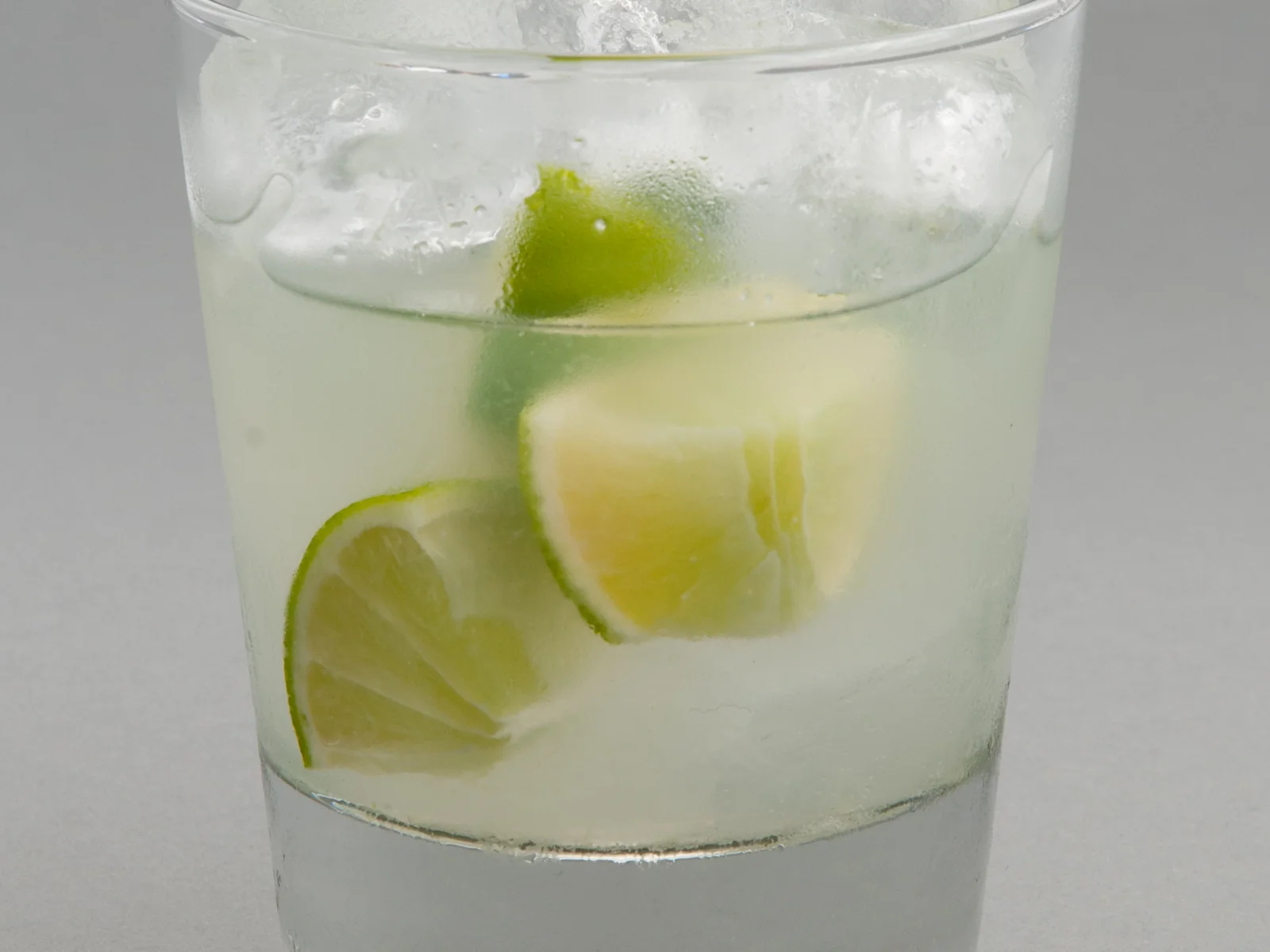
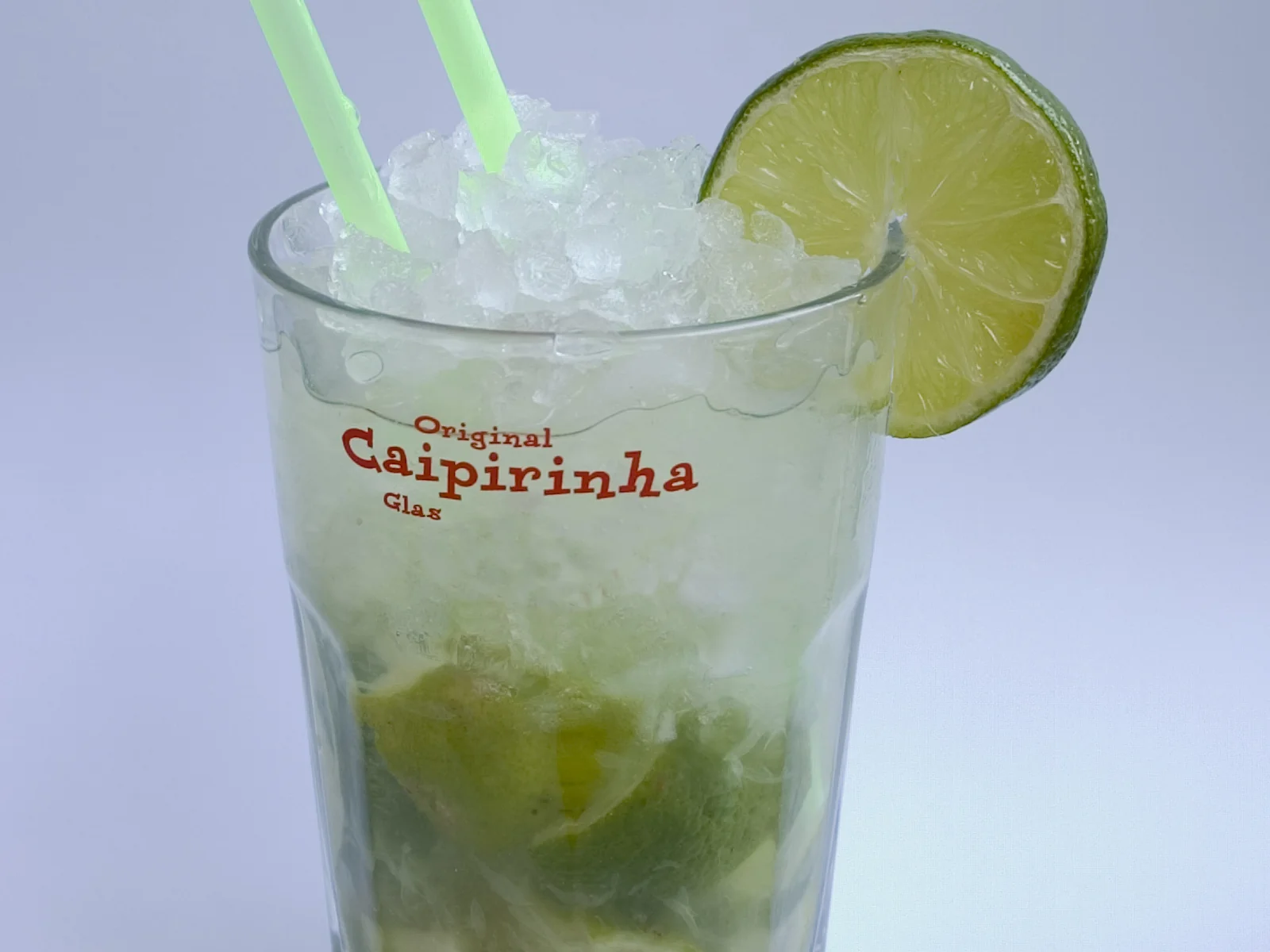
A real caipirinha has three things in it and no more: cachaça, lime and sugar. You cut a whole limão — the small Tahiti lime — into chunks, muddle it with a spoon of sugar to pull the oil out of the skin, fill the glass with ice and top it with cachaça. No purée, no syrup, no soda, no secret fourth ingredient. If it arrives pink or frothy or tasting of a bottled mixer, someone has cut a corner. One honest warning: on the tourist squares a "caipirinha" is sometimes made with vodka to save on cachaça. If you want the original, ask for a caipirinha de cachaça and watch it built.
Bahia's own twist is the caipifruta — the same formula with a local fruit crushed in. The ones that taste of this place are umbu, the sweet-sour fruit of the dry interior; mangaba, soft and milky; and cajá, sharp, resinous and bright yellow. Order a caipifruta de umbu once and the plain lime version feels like a warm-up. And to be straight about the vodka: made with vodka the drink is a caipiroska, a perfectly good thing to order — just under its right name, not by surprise.
Cachaça: what is actually under the lime
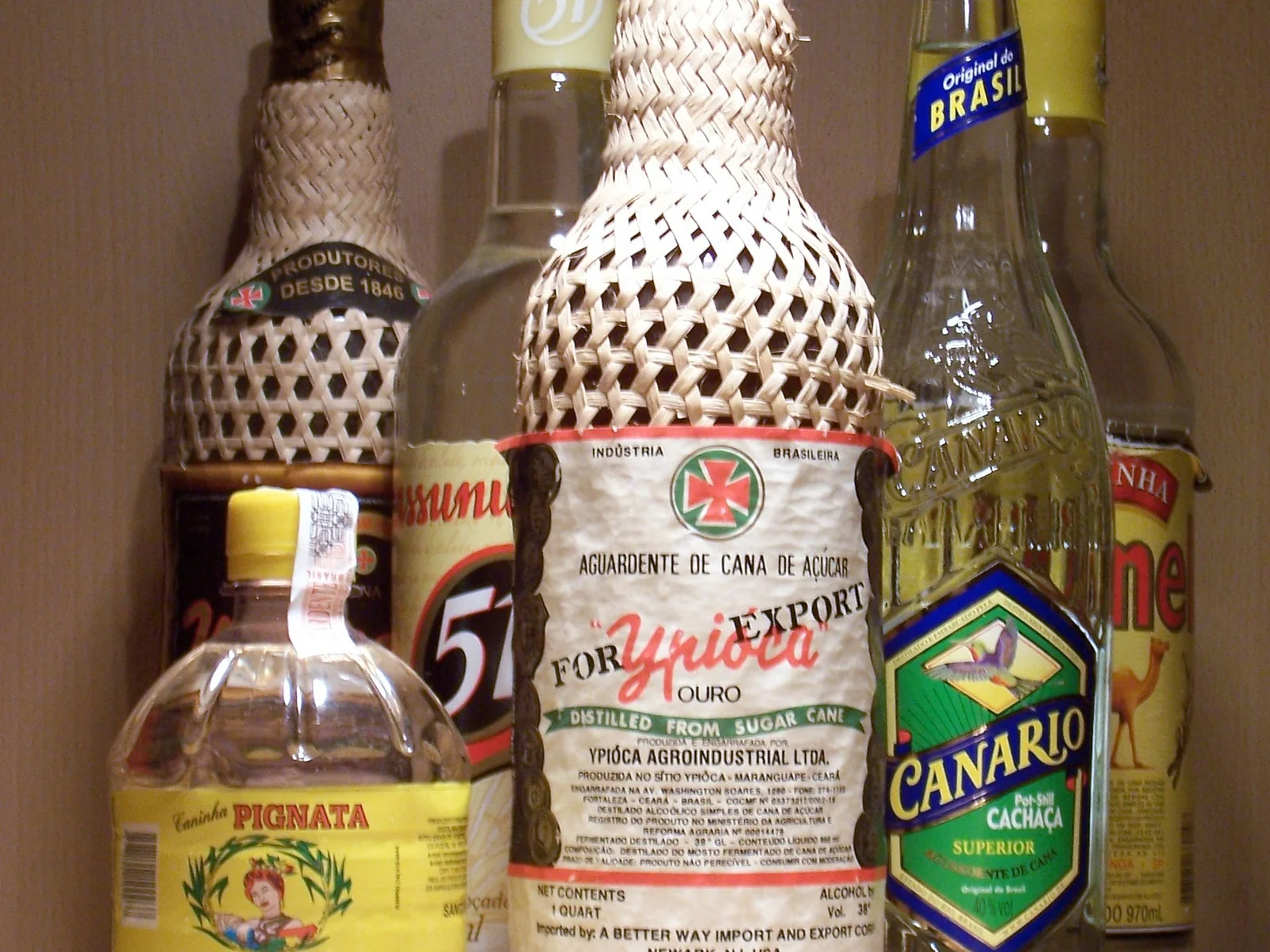
Pull the lime and sugar away and you are left with cachaça, Brazil's sugarcane spirit and the thing that makes the caipirinha worth drinking. It splits into two broad families. Industrial cachaça comes off a continuous column still in huge volume — the supermarket names — and is clean and strong, without the character you would sip on its own. Artesanal cachaça is distilled in small batches in a copper pot still, an alambique, and at its best it is a spirit you sip neat, pura, the way you would a good rum or a mezcal. It can be unaged and clear (prata or branca) or rested in wood until it turns gold (ouro, envelhecida). The country has some two thousand fond nicknames for it — pinga, branquinha, aguardente — which tells you how it is regarded.
To order a good one, skip the caipirinha and ask for uma boa cachaça de alambique, artesanal, served pura in a small glass. In Bahia, two places to point at. The Recôncavo, the old sugar country around the bay, still has working stills selling raw cane spirit off the stall next to the coconut sweets. But the state's benchmark is Abaíra, high in the Chapada Diamantina: its stills sit above 1,000 metres, and in 2014 it became the only cachaça in Bahia to earn a geographic indication, the Brazilian equivalent of a controlled appellation. The mountain climate makes for a slow ferment and a delicate, aromatic spirit — the Mapa da Cachaça lists the producers if you want to go looking.
Beer, and the ritual of the frozen bottle
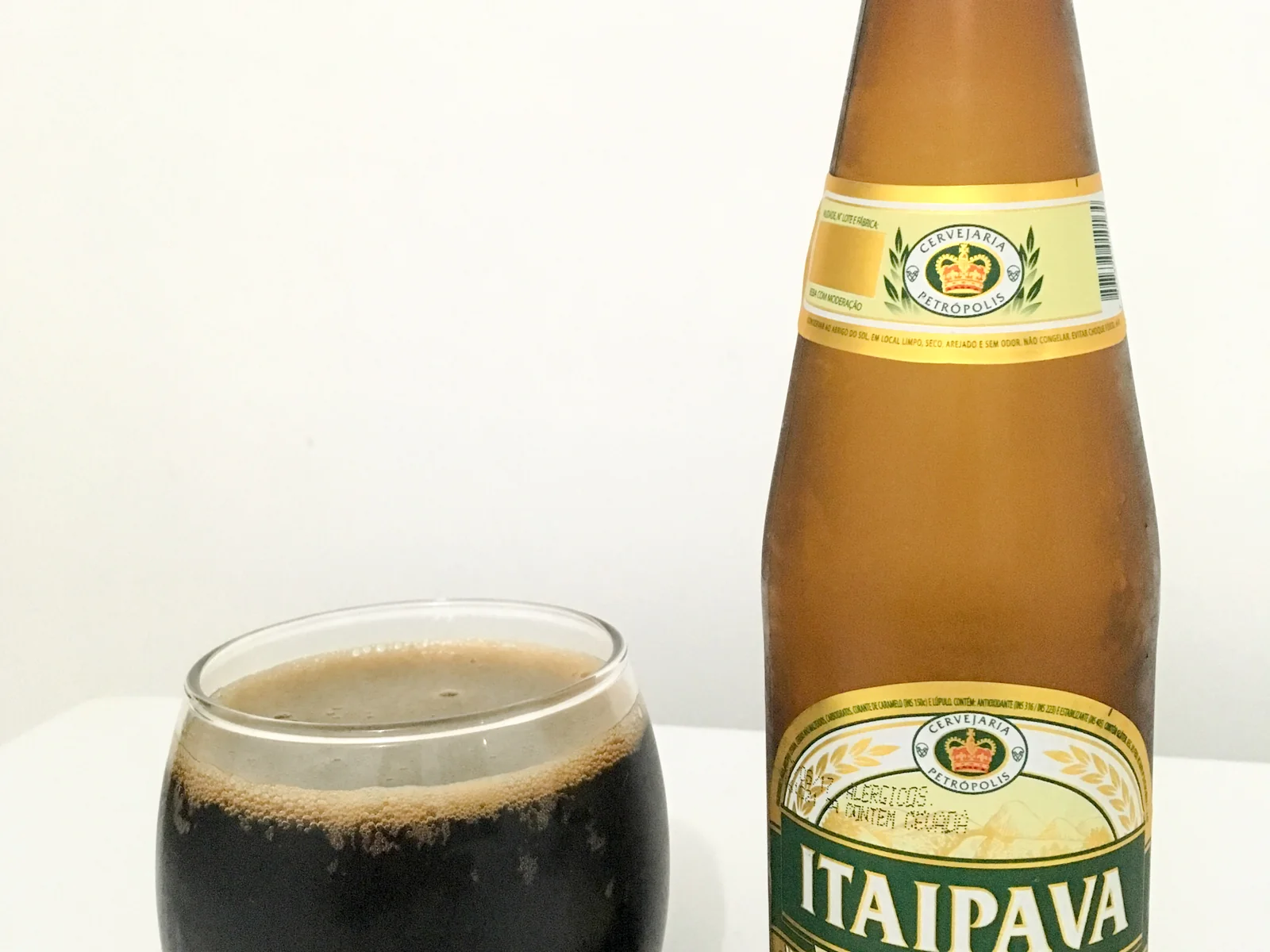
Beer in Bahia means cold lager, and cold here is not a figure of speech. The default order is a shared 600 ml garrafa in a foam jacket, poured into small cups so it never warms in your hand, and it arrives estupidamente gelada — stupidly cold, often with a skin of ice on the glass. The everyday pilsens are Skol, Brahma and Antarctica; a step up is an Original, a crisp pilsen going back to 1931, or a Serramalte, a maltier 5.5% lager that regulars swear is better from the bottle than the can. At a beach barraca a can or bottle runs about R$ 10 to R$ 22 (roughly €2 to €4), which pays for the chair and the shade as much as the drink.
The craft scene is real now, with Salvador at its centre. MinduBier, started in the city in 2016, won its category at the World Beer Awards 2023 with the MinduIPA; Proa pours across some eighty bars and runs its own taproom, the Proa Embassy, in Pituba. You will not find these on the sand — that runs on big-brand lager — but the bars of Rio Vermelho and the newer neighbourhoods take them seriously.
Guaraná and the soft-drink shelf
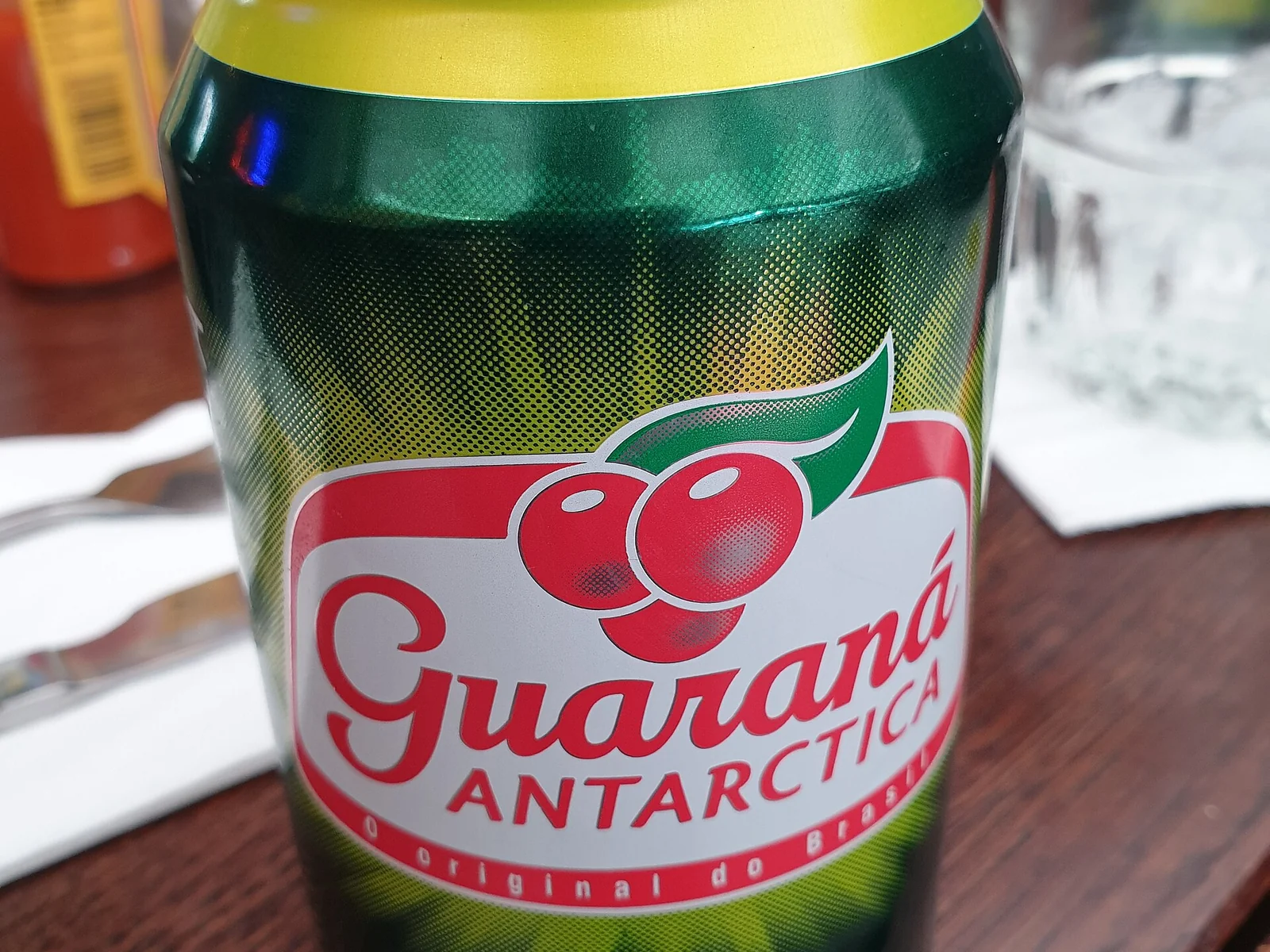
The soft drink that means Brazil is guaraná, and the bottle you will meet first is Guaraná Antarctica, first sold in 1921. It is made from the guaraná berry, a bright-red Amazon fruit long cultivated by the Sateré-Mawé people around Maués, upriver from Manaus; the name comes from their Tupi word for it. It does not taste like cola — lighter and sweeter, with a faint apple-and-berry note — and it is the standard partner to a plate of food when you are off the beer. Alongside it sit Sukita and the older regional tubaínas, sweeter and more artificial, the drink of a childhood birthday party. Ask for it bem gelada and it does a lot of the same cooling work as everything else on this list.
Água de coco, straight from the shell
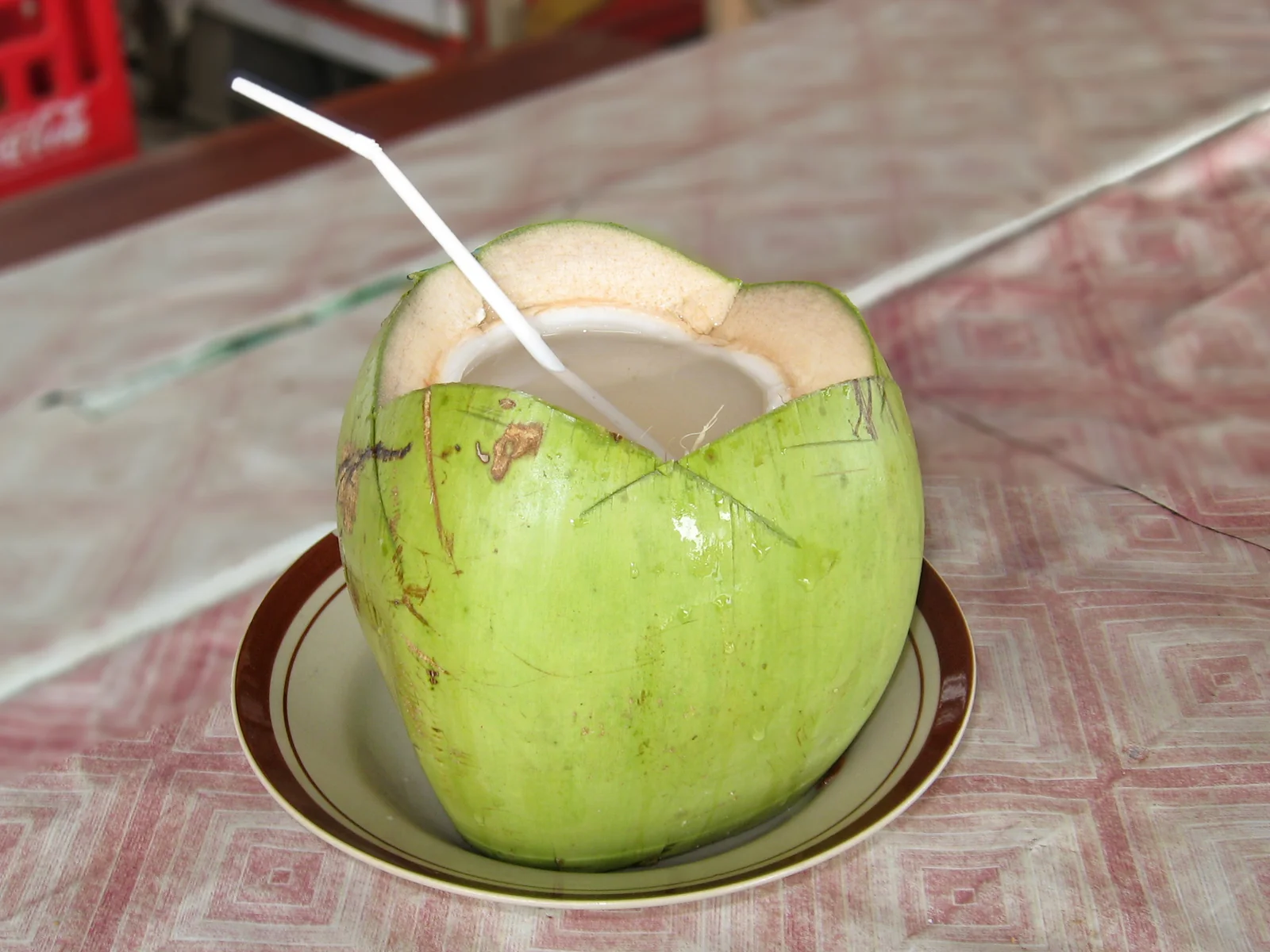
The one drink that keeps a beach day going is água de coco na casca — cold green-coconut water drunk through a straw from the nut itself, hacked open in front of you for a few reais. It is faintly sweet, full of salts, and about the most useful thing you can drink between swims — the beach drip. When the water is gone, hand the coconut back and the vendor splits it and shaves off the soft jelly inside to eat with the lid. It is everywhere the sand is, and it is the backbone of the beach culture that runs this coast.
The juice counter: cajá to cacau
Brazil takes fruit juice more seriously than almost anywhere, and a corner casa de sucos will list twenty or thirty, blended to order with water (com água) or milk (com leite). Ask for it sem açúcar if you would rather it were not sweetened, because it usually is. The ones worth crossing the street for taste of nowhere else:
- Cajá — sharp, yellow and resinous, tropical without being sweet.
- Umbu — the fruit of the dry backlands, green and tart with a soft, almost milky finish.
- Acerola — the Barbados cherry, clean and sour and famously loaded with vitamin C.
- Graviola — soursop, thick and custardy, somewhere between banana and pineapple.
- Cacau — yes, the cocoa fruit; the white pulp around the beans makes a fresh, floral, citrus-edged juice, and Bahia is Brazil's cocoa country. Its cousin cupuaçu is tangier, closer to pear.
The sit-down places that treat juice and food with the same care are gathered in our restaurant guide.
Licor de jenipapo and the bottles of June
Come the June festivals of São João, the drink of the season is licor de jenipapo — the aromatic brown genipap fruit steeped in cachaça with sugar and poured into little cups at every stall. Every family holds its own recipe to be the right one, and the Recôncavo towns bottle theirs seriously; when the jenipapo runs short, umbu, tamarind and passion-fruit versions fill in. This is also the season of the corn-and-peanut liqueurs and of quentão, warm spiced cachaça for cooler nights inland. How the whole month works — the bonfires, the food and where to stand — is in our São João guide.
Coffee: the cafezinho, and the specialty turn
Everyday coffee here is the cafezinho: a small, strong shot, already sweetened, handed over as a welcome at shop counters, offices and front doors all day. You drink it standing, in a swallow or two, and another appears before long. That is the ritual, and it is not going anywhere. But Bahia has quietly become a serious coffee state on top of it. The coffee of the Chapada Diamantina — grown around Piatã between 1,000 and 1,600 metres — earned its own denomination of origin in 2024 across two dozen mountain municipalities, with the chocolate-and-nut character altitude gives. You can drink it made properly in Salvador: Do Coado ao Espresso, a Bahian roaster judged the country's best in late 2025, pours these beans at its café in Pituba — the specialty end of a coffee culture that still runs, day to day, on the sweet little cafezinho.
How to drink here, and stay standing
A few unwritten rules keep it smooth. Beer is communal: the big bottle belongs to the table, you fill other people's cups before your own, and you keep the cups small so nothing warms up. The round offered near the end is the saideira — "the one for the road" — a promise no table has ever actually kept. Drinking in the street is legal and ordinary here, and the late-afternoon beer at a beach barraca as the light goes is one of the real pleasures of the city; our guide to the best sunset spots says where to take it.
The heat, not the drink, is what catches people out. Two degrees south of the line, the sun and the sugar do more damage than the alcohol, so pace it: a glass of water or an água de coco between every beer or caipirinha, a later start than you think, and small notes or PIX, since the coconut vendor takes no card. Do that and a Salvador afternoon runs for hours without a reckoning the next morning.
Every one of these — the sunset caipirinha, the frozen garrafa, the cafezinho pressed on you at a counter — is a few minutes from the door if you base yourself in the Cidade Alta. That is the quiet case for the historic centre: you finish the last round and you are already home. Have a look at our boutique suites, a short walk from the bars and the bay.
Salvador, in images
Photographs of the neighborhood, restaurant, and beach featured in this guide, with credit to each photographer.
Ready to discover Salvador?
Book one of the four Via Avantgarde suites in the Pelourinho — and receive the complete guides with recommendations for your stay.