Dois de Julho — Bahia's Independence Bahia's true independence day
Guide to Dois de Julho in Salvador: why Bahia marks its independence in 1823, the Caboclo and Cabocla, the procession from Lapinha to Campo Grande and the Bahian heroes.
The essentials in 30 seconds
Brazil declared independence on 7 September 1822 — but in Bahia they had to win it, and they did on 2 July 1823, the day the last Portuguese troops were driven out of Salvador. That is why the Dois de Julho is Bahia's true independence day and, many locals will tell you, a more authentic celebration than Carnival: a civic-yet-popular festival with no tourist packaging, built around two folk figures — the Caboclo and the Cabocla — paraded on carts from the Lapinha to the Campo Grande. This guide explains the history most visitors never learn, what happens on the day, the heroes it honours, and why catching it is one of the most genuinely local things you can do in the city.
Why 2 July, not 7 September
Elsewhere in Brazil, independence is 7 September, the day Dom Pedro declared it beside the Ipiranga in São Paulo. In Bahia that date meant little, because the Portuguese did not simply leave. A large royal garrison held Salvador, and independence here had to be fought for through a hard year of siege and battle across the Recôncavo. Only on 2 July 1823 did the Brazilian forces finally enter the city and the last Portuguese troops sail away — and so, for Bahians, that is the day independence was actually achieved rather than merely announced. The distinction matters to them, and understanding it is the key to the whole festival: this is a victory the people here believe they earned with their own blood.
The war for Bahia
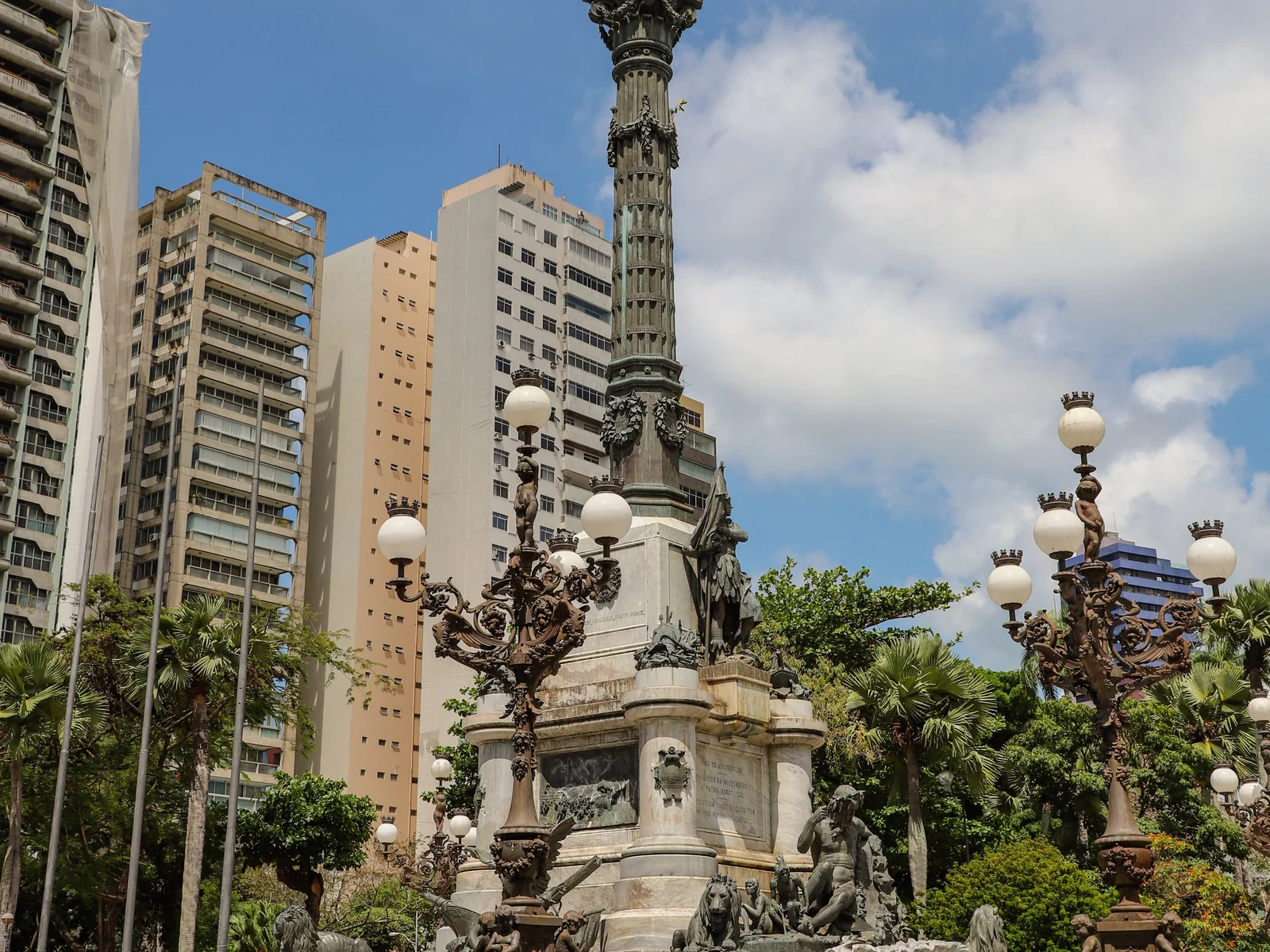
After the September declaration, the Portuguese commander in Salvador refused to recognise it, and the city became the last stronghold of the old empire in Brazil. Through late 1822 and the first half of 1823 a Brazilian army, backed by irregular fighters from the surrounding towns and a small improvised navy, besieged the port and choked its supply lines. The countryside of the Recôncavo — Cachoeira, Santo Amaro, the island of Itaparica — rose in support, and it is worth knowing that this was not a war won by generals alone but by ordinary Bahians of every colour. When the garrison finally evacuated, the war of independence in Brazil was effectively over, decided here. The deeper story of this region and its people runs through our Afro-Brazilian heritage guide.
The Caboclo and the Cabocla
The festival has no king and no float of a saint. Its icons are two 19th-century wooden figures: the Caboclo, an indigenous warrior driving a spear into a serpent, and his counterpart the Cabocla. They stand for the mixed, native and Black popular forces who won the war — a deliberate choice to make the ordinary Bahian, not a European prince, the face of independence. On the day, the two figures are drawn through the streets on ceremonial carts, cheered, showered with flowers, and treated with real affection; people reach out to touch them. If you understand nothing else about the Dois de Julho, understand the Caboclo: he is the whole meaning of the day carved into a single defiant image.
The heroes it honours
The Dois de Julho keeps alive a set of Bahian independence heroes you will hear named all day. Maria Quitéria disguised herself as a man to enlist and fight, and became the first woman in the Brazilian army. Maria Felipa led a band of fisherwomen on Itaparica who harried and burned Portuguese boats. Sister Joana Angélica died at the door of her convent barring Portuguese soldiers. These names — a soldier, a fisherwoman, a nun, all of them local — tell you why the day feels less like a state occasion than a family remembering its own. They are Bahia's founders, and the city has never let them be forgotten.
How the day feels
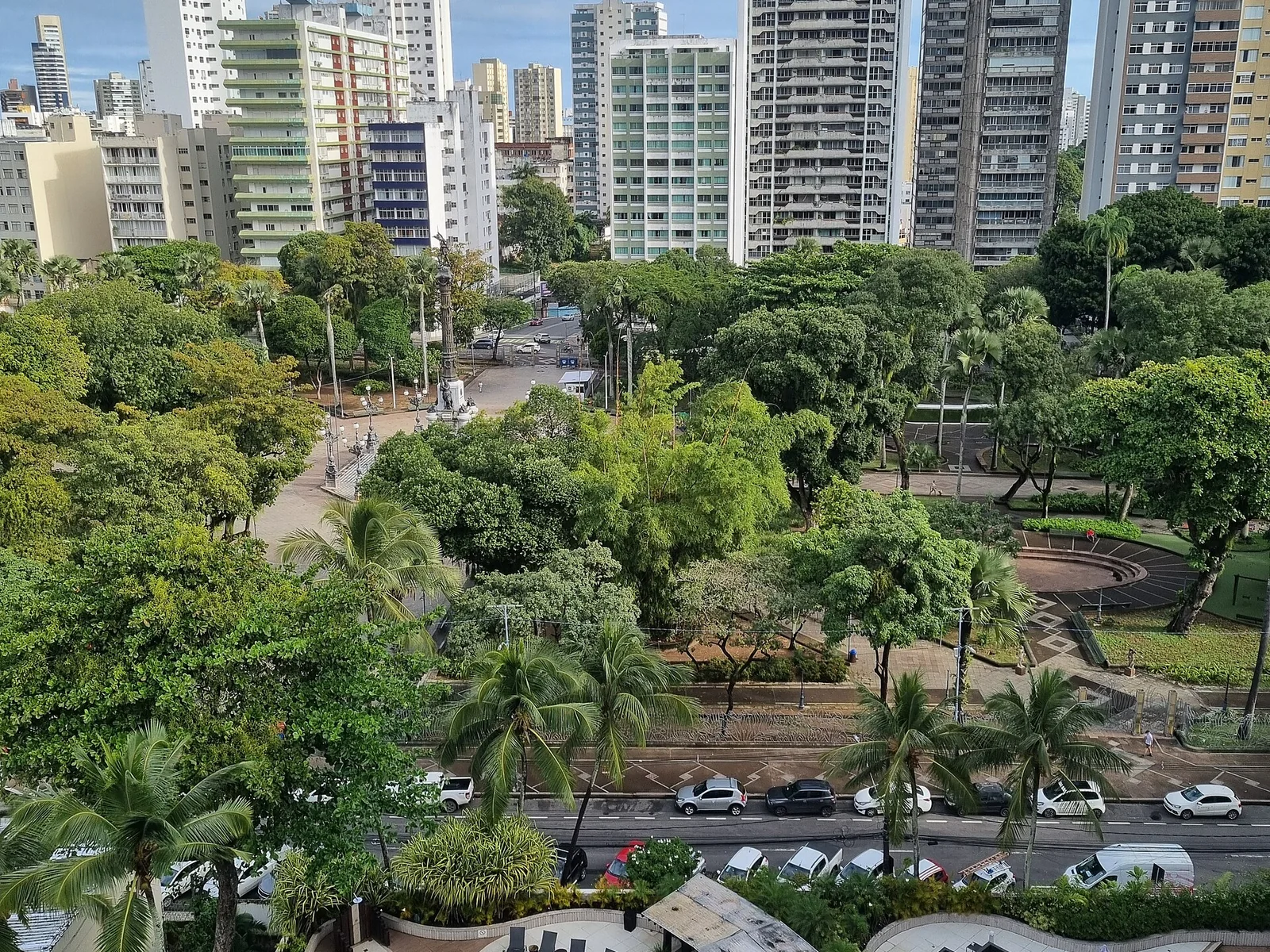
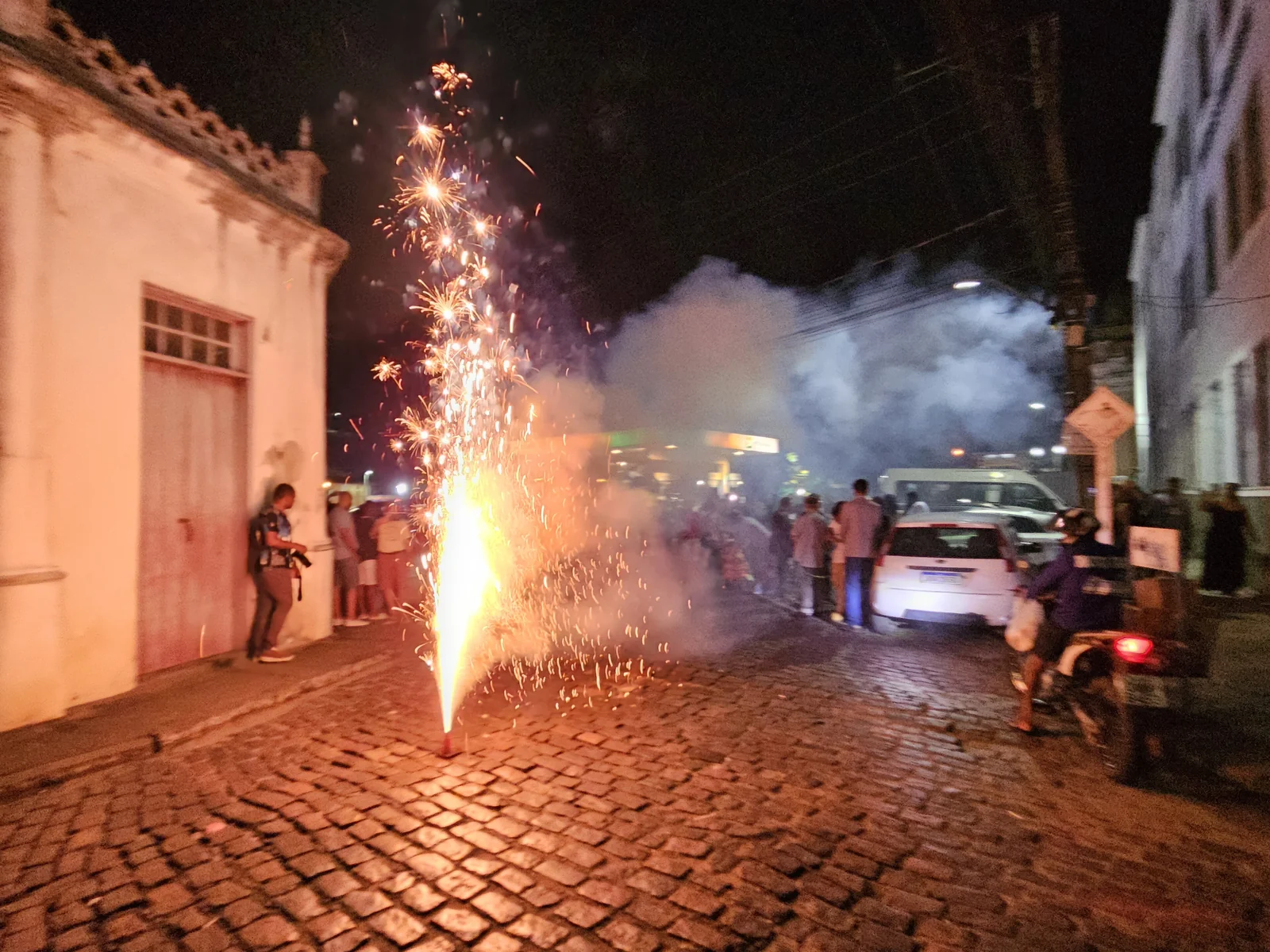
What strikes most visitors is how un-touristy it is. There are no camarote tickets, no sound trucks selling access, no international line-up — just an enormous, warm, self-organised civic celebration that belongs entirely to the city. Families line the route in the green-and-gold of Bahia; philharmonic bands play; the caboclos pass to real emotion; and the Campo Grande fills for an afternoon and evening of music and food. It falls, conveniently, in the cooler, drier winter season, right after the June São João festivities, so early July is quietly one of the most rewarding and least crowded times to be here. For where it sits among everything else, see our Bahia festival calendar.
Seeing it — and staying close
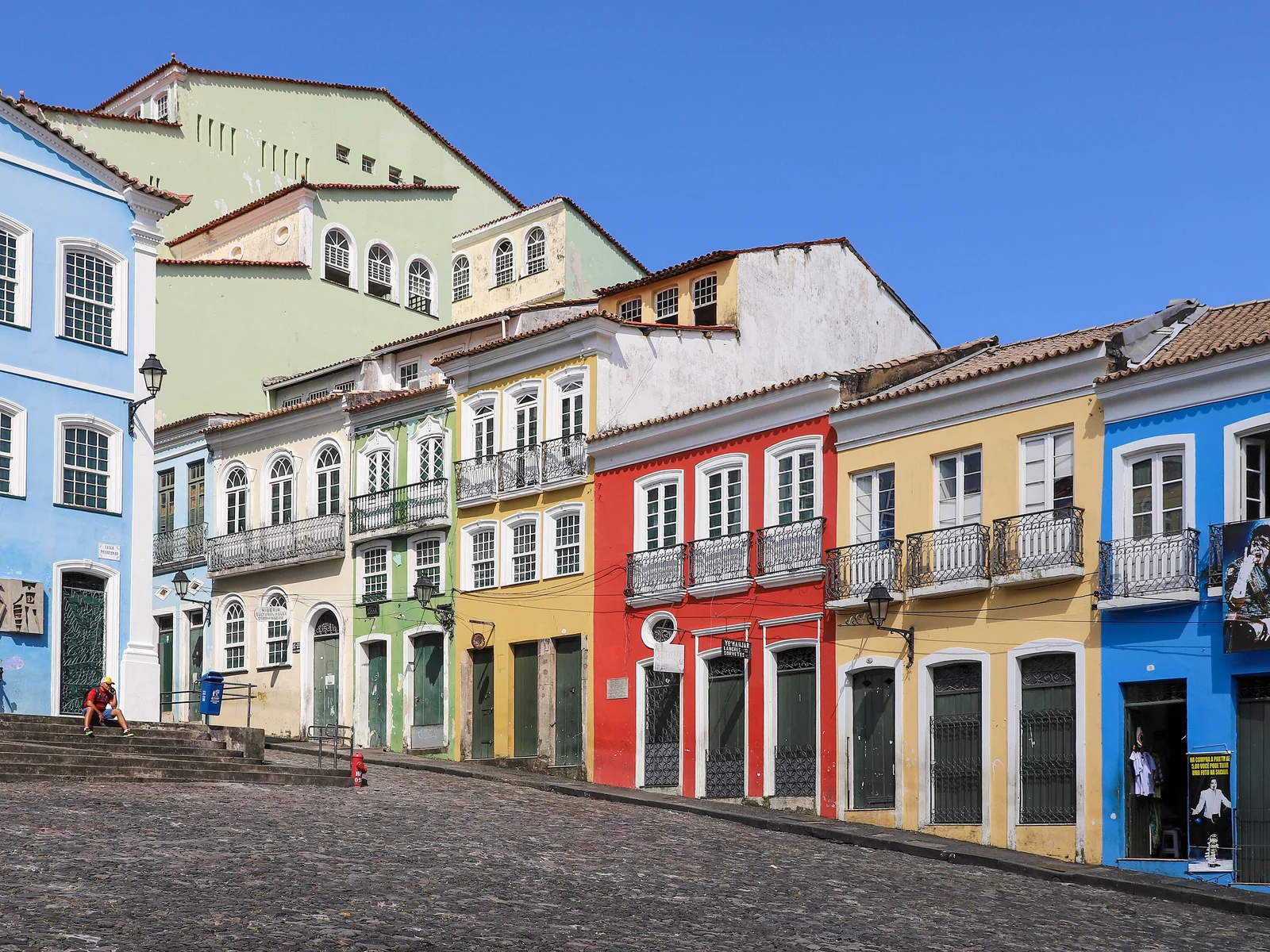
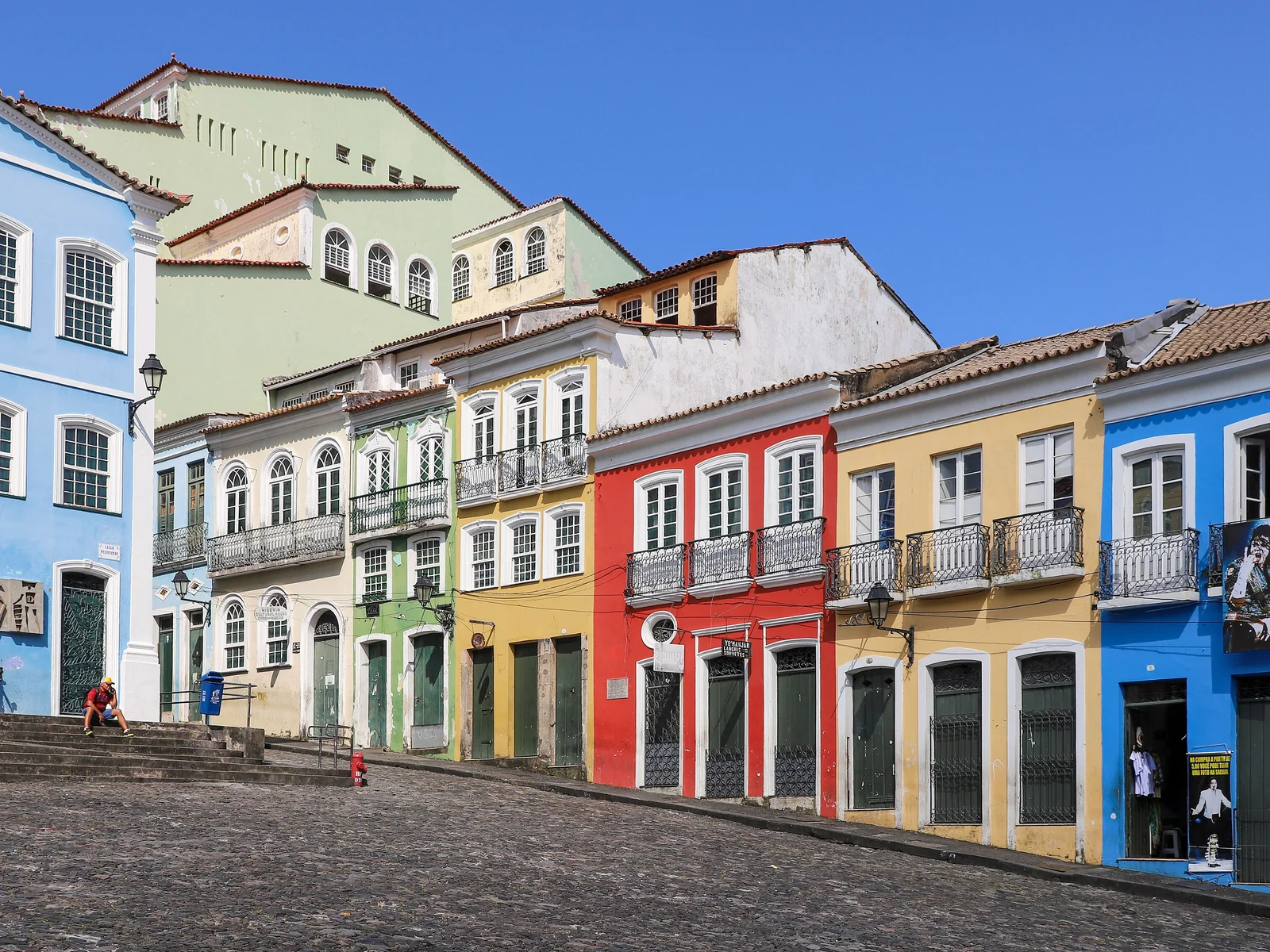
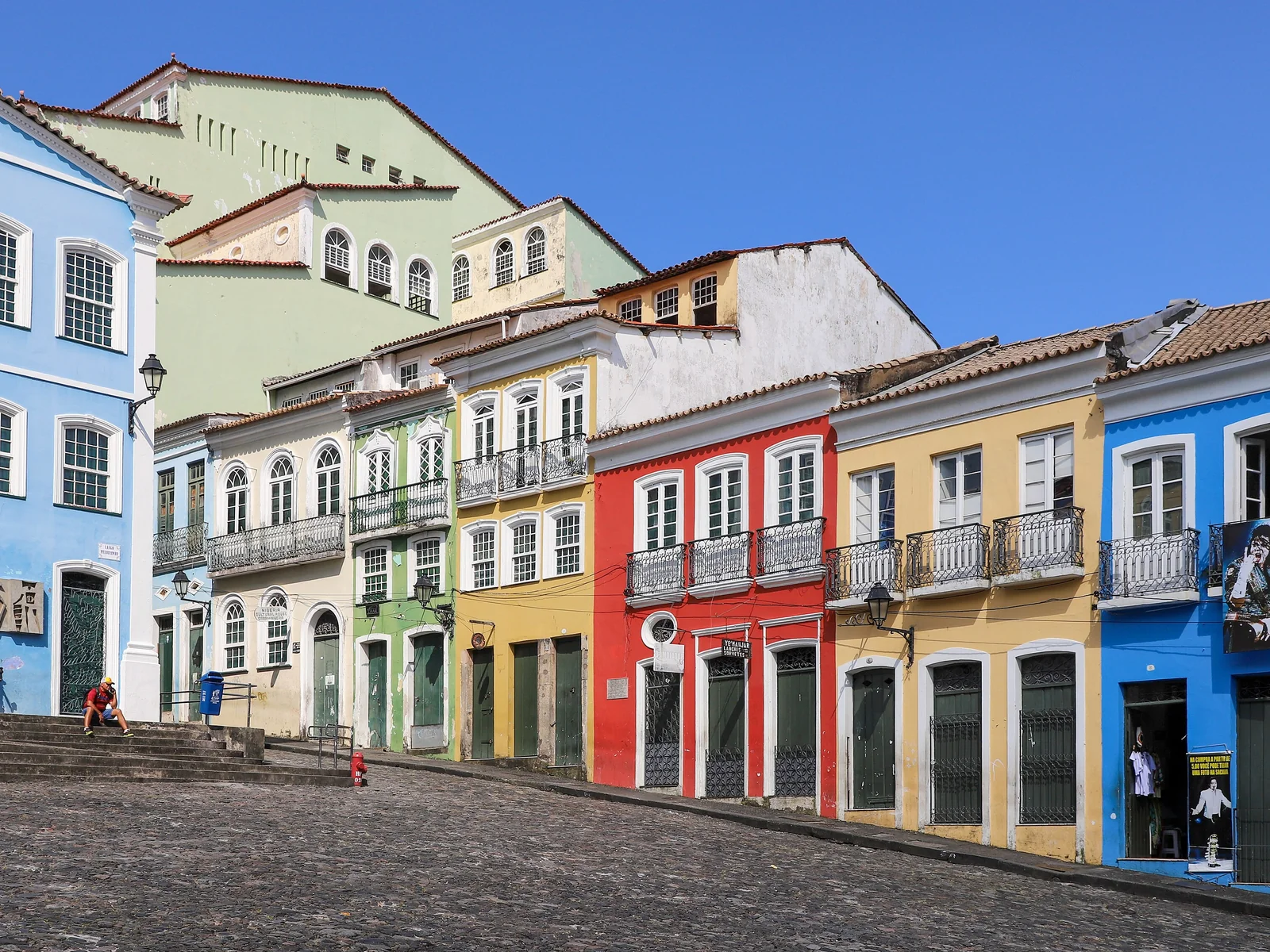
To catch the Dois de Julho well, base yourself centrally and simply walk into it. The procession threads through the old city that our suites sit inside, and the Campo Grande finish is a short ride or a long stroll from the Pelourinho. Come in white or in Bahia's colours, stand along the route rather than trying to follow the whole thing, and let the crowd carry you to Campo Grande for the arrival. Our four suites are up in the Cidade Alta, minutes from the historic heart the parade moves through — the easiest possible base for a day like this. Have a look at our four suites if you are planning an early-July trip.
Salvador, in images
Photographs of the neighborhood, restaurant, and beach featured in this guide, with credit to each photographer.
Ready to discover Salvador?
Book one of the four Via Avantgarde suites in the Pelourinho — and receive the complete guides with recommendations for your stay.