Olodum & the Bloco Rehearsals the drums the world knows
Guide to Olodum and the bloco afro rehearsals in Salvador: samba-reggae, the Pelourinho Tuesday, Ilê Aiyê in Curuzu, Timbalada in Candeal and how to see them.
The essentials in 30 seconds
The thunder of massed drums is the sound of Salvador, and this guide is about where to actually hear it: the blocos afro — the Black cultural drumming groups born in this city — and their open rehearsals, the ensaios. It covers Olodum, the Pelourinho group the world knows from Michael Jackson and Paul Simon; the free Tuesday night in the Pelourinho that is the easiest way in; Ilê Aiyê and its legendary Curuzu rehearsals; and Carlinhos Brown's Timbalada in Candeal. Here is what these groups are, when the rehearsal season runs, how to experience it safely, and why staying in the Pelourinho puts the best of it on your doorstep.
What a bloco afro is
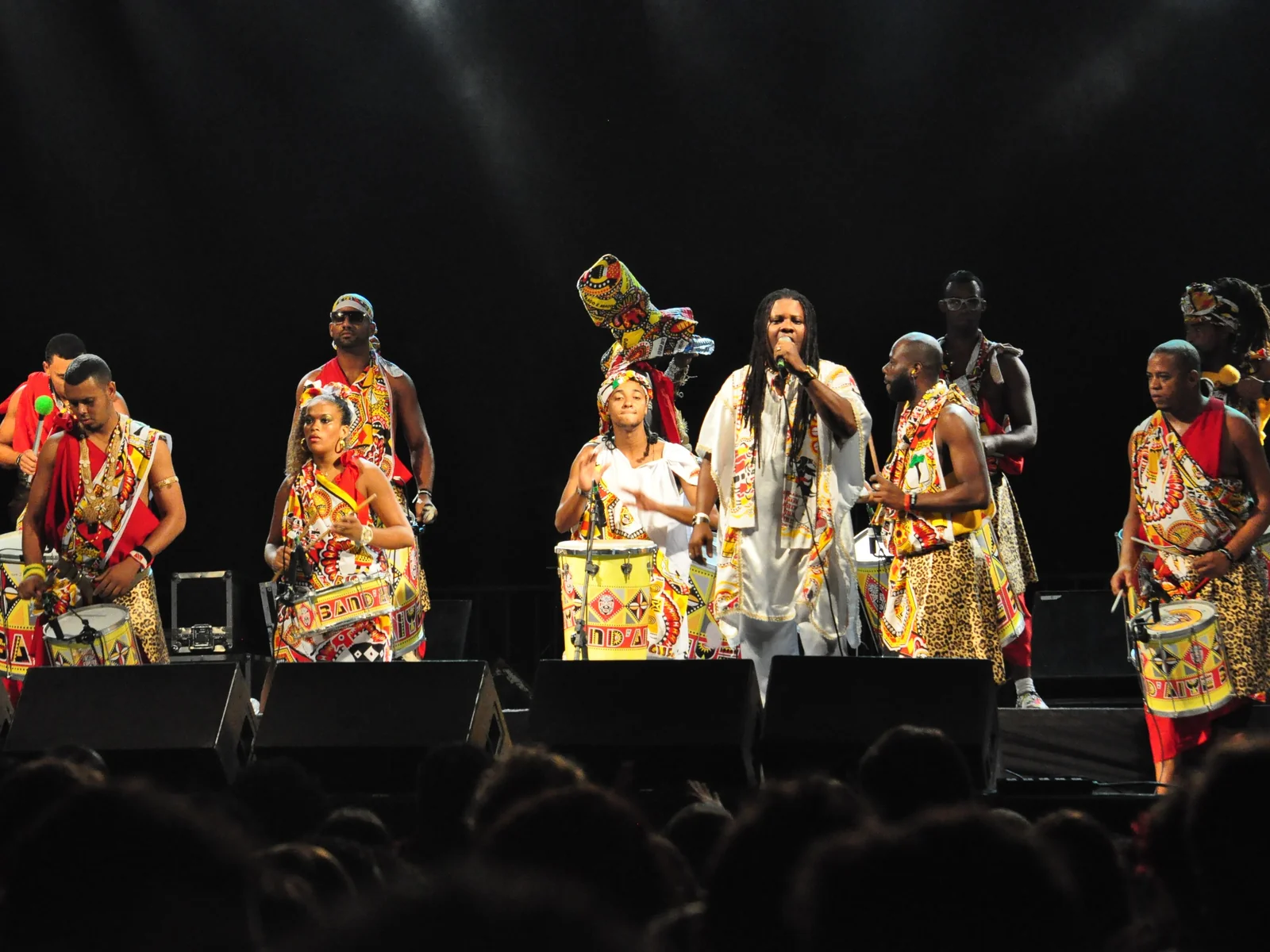
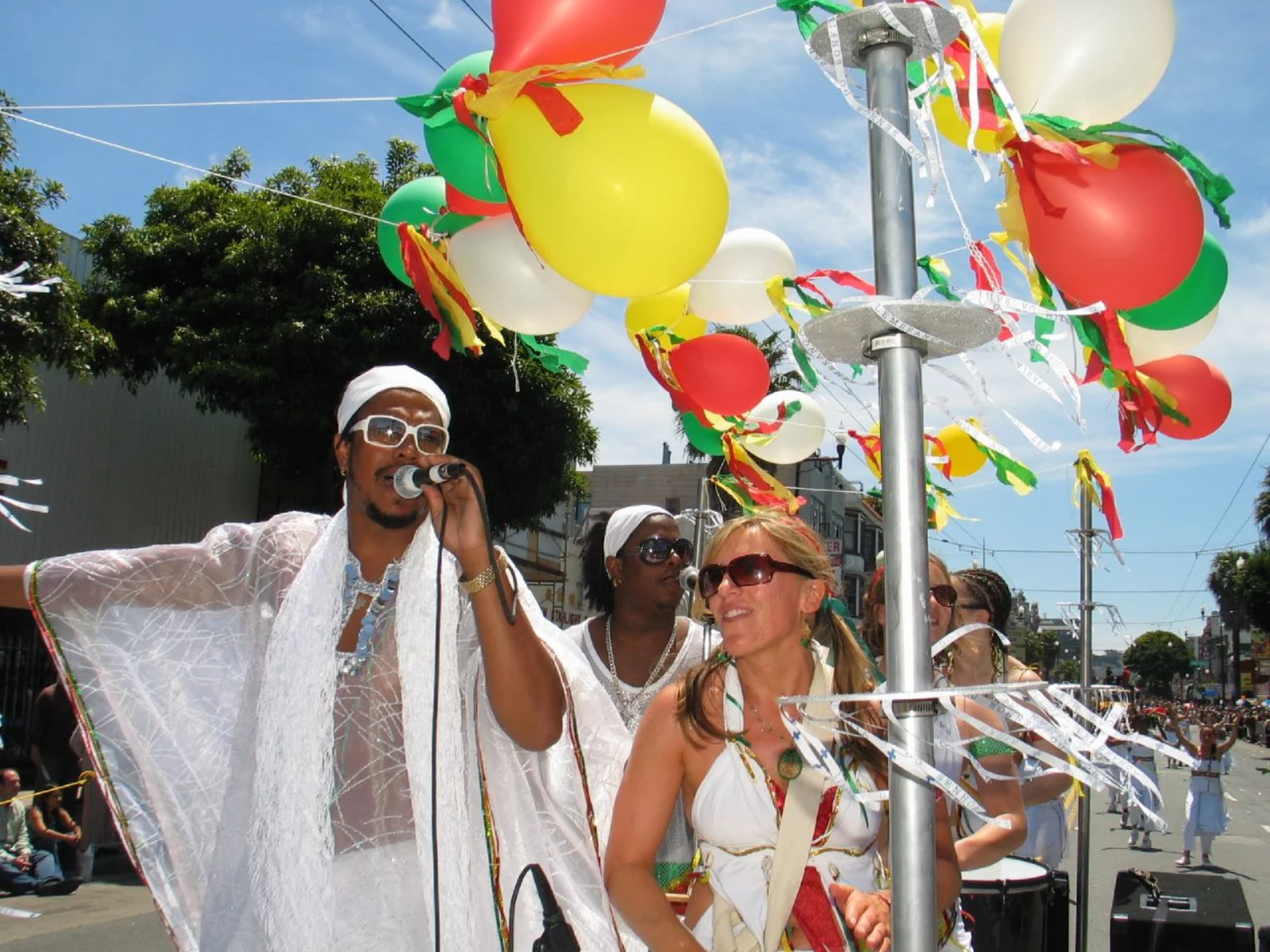
To understand the drums you have to understand the bloco afro. These are community drumming and carnival organisations founded from the 1970s in Salvador's Black neighbourhoods, as much cultural and political movements as music groups — created to assert Afro-Brazilian identity and pride at a time when Carnival largely shut Black revellers out. Out of them came samba-reggae, the deep, rolling percussion rhythm invented here in the 1980s that you now hear all over the city. Their year builds toward Carnival, but the best way to encounter them is not in the February crush; it is at their rehearsals in the months before. For the wider musical map, our music, nightlife and Carnival guide is the companion to this one.
Olodum — the Pelourinho drums the world knows
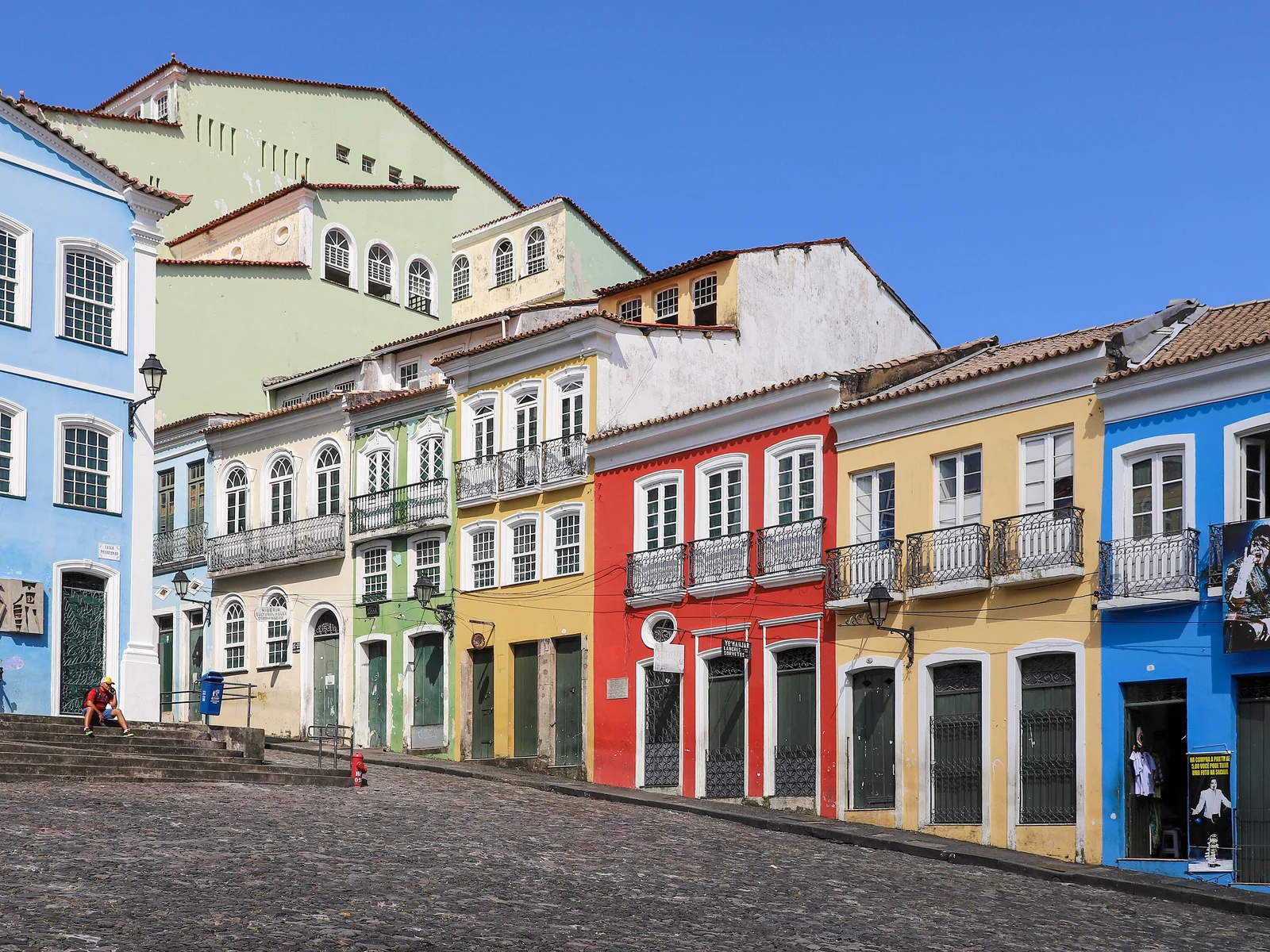
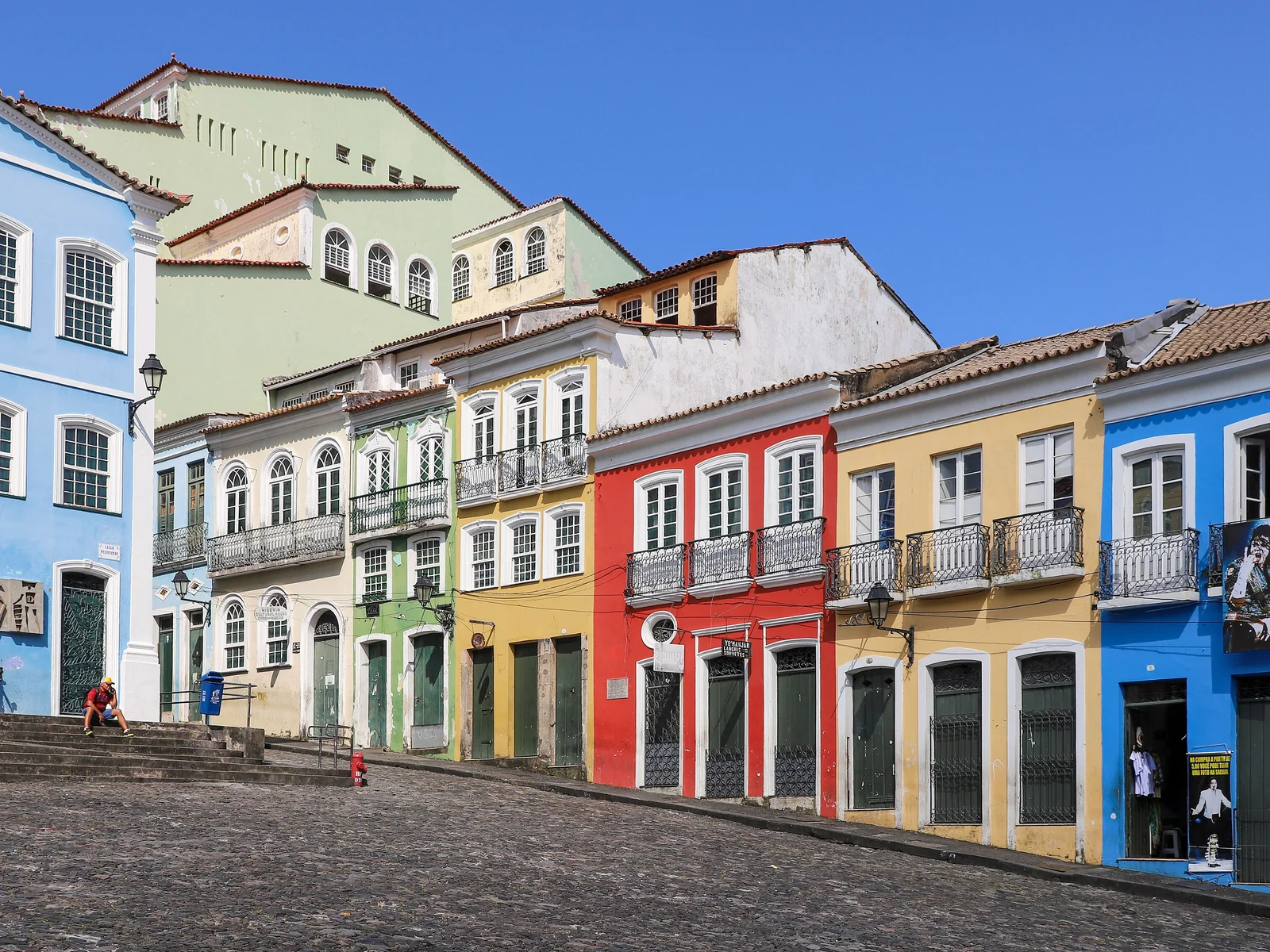
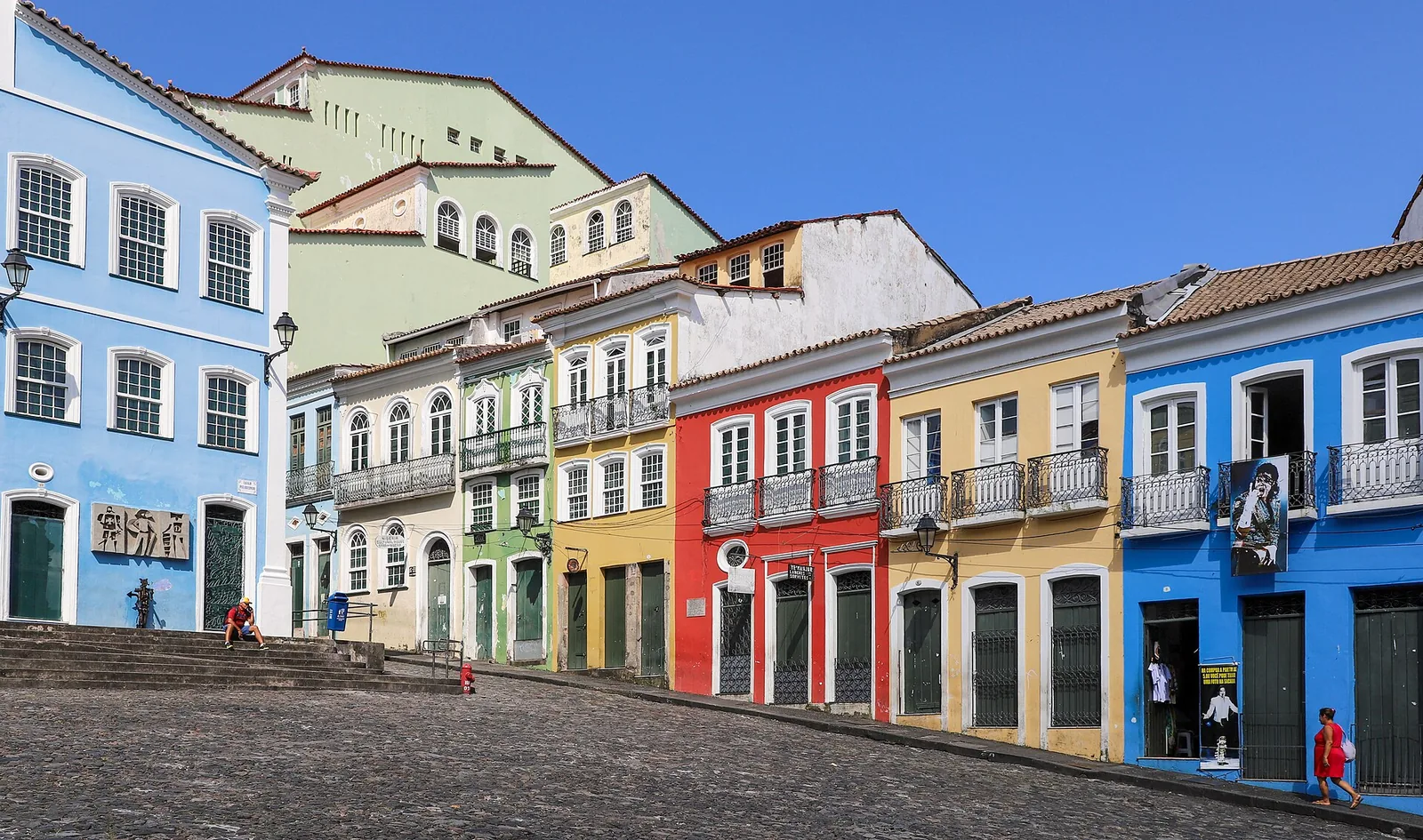
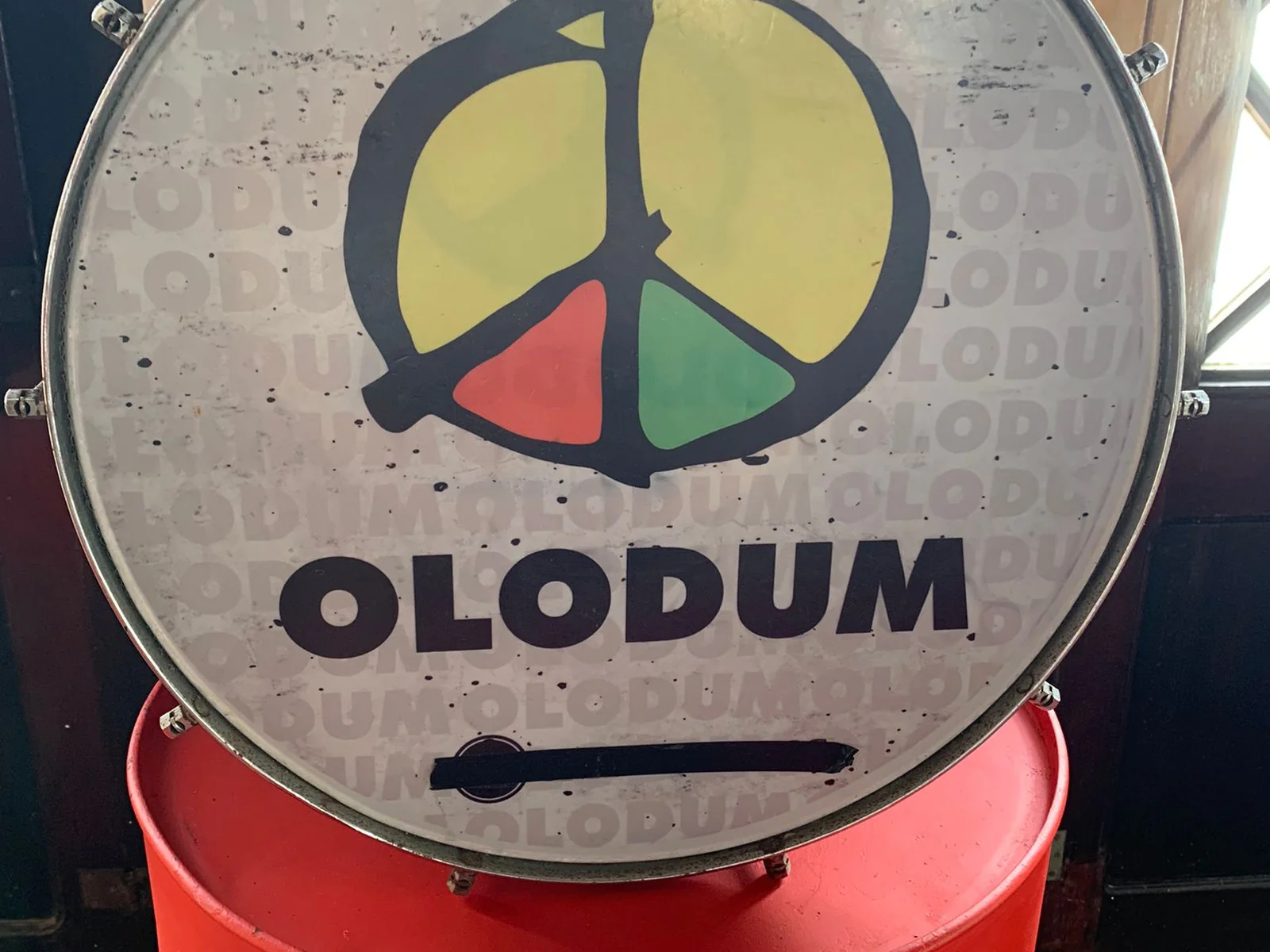
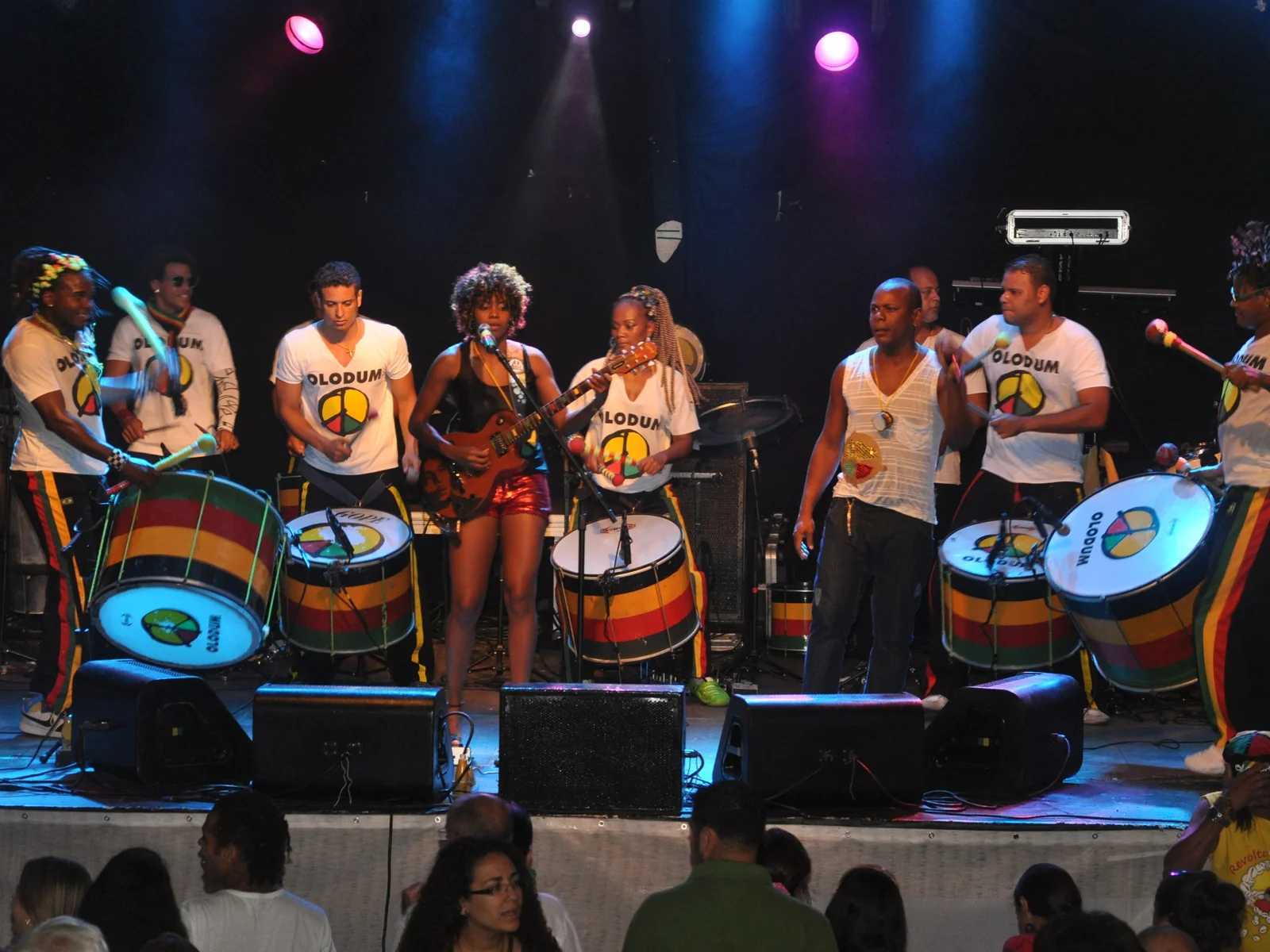
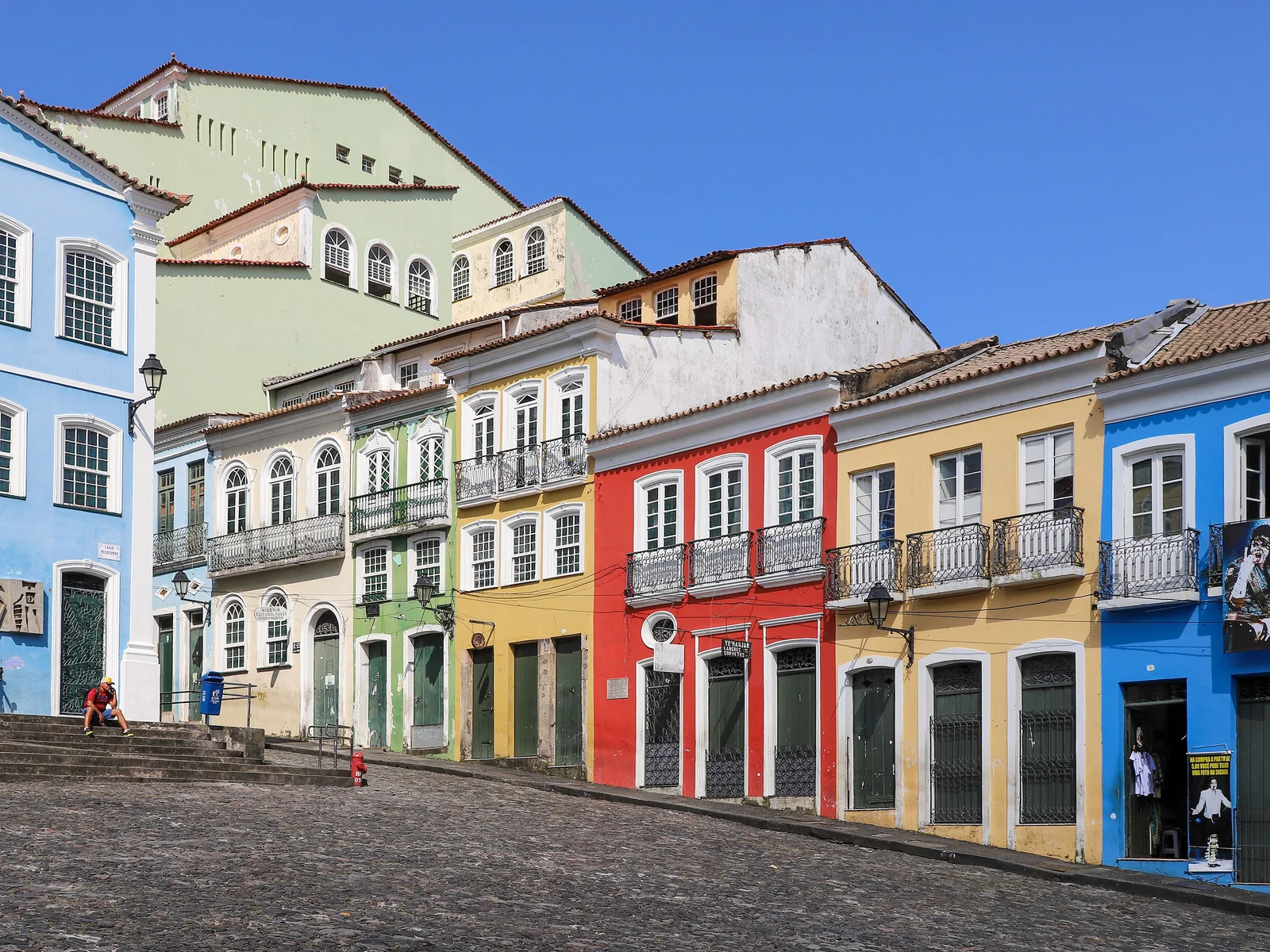
Olodum, founded in 1979 in the Pelourinho, is the most globally famous of them all. If you have heard massed Bahian drumming, you have probably heard Olodum: they recorded with Paul Simon on "The Obvious Child" in 1990, and in 1996 Michael Jackson filmed part of the video for "They Don't Care About Us," directed by Spike Lee, on the steps and squares of the Pelourinho with Olodum's drummers behind him. That is the group's home turf — the Escola Olodum and the largos of the old town — and catching them play there, where they were born, is one of the great Salvador experiences. Their story is woven through our Afro-Brazilian heritage guide.
Tuesday night in the Pelourinho — the easy way in
The simplest and best introduction needs no ticket and no plan. For decades, Tuesday night — the Terça da Bênção — has been the Pelourinho's great free night of music: it begins with a blessing at the Igreja do Rosário dos Pretos and spills out into live bands, drumming and dancing across the largos until late. Olodum and other groups have long been part of it, and even on an ordinary Tuesday the old town turns into an open-air concert. If you do one music night in Salvador, make it this one — and because our suites are right here in the Cidade Alta, it is a walk home rather than a taxi. Our Salvador at night guide has more on the evening.
Ilê Aiyê and the Curuzu rehearsals
The first bloco afro of all was Ilê Aiyê, founded in 1974 in the Curuzu area of the Liberdade neighbourhood, and it remains the most fiercely rooted. Its Saturday-night rehearsals in Curuzu in the run-up to Carnival are legendary — a home crowd, extraordinary drumming, and a proud, explicitly Black celebration that feels nothing like a tourist show. Liberdade is a working neighbourhood well off the visitor trail, so this is one to do with care: go with a local guide or a group, by arranged transport, rather than wandering in alone. Done right, it is unforgettable.
Timbalada and Candeal
Out in the neighbourhood of Candeal, the musician Carlinhos Brown built Timbalada, the drumming group whose summer rehearsals became one of the city's signature nights, and along the way he transformed his home community with a music school and cultural centre. Timbalada's percussion — timbau drums by the dozen — is its own sound, and catching an ensaio in season is a highlight for many visitors. As with the other outer-neighbourhood rehearsals, arrange your transport and ideally go with people who know the way.
How to experience it — and where to stay
Put simply: start with the free, central, easy Tuesday night in the Pelourinho, and if the drums grab you — they will — build up to a ticketed rehearsal of Olodum, Ilê Aiyê or Timbalada, going to the outer neighbourhoods with a guide or group and pre-arranged transport. The season to aim for is roughly September through Carnival. All of it is easier from the middle of the old town, which is exactly where the Tuesday night happens and where Olodum was born. Our four suites sit in the Cidade Alta, a short walk from the largos where the drums play; have a look at our four suites, and read our Carnival guide if you are timing a trip to the season's climax.
Salvador, in images
Photographs of the neighborhood, restaurant, and beach featured in this guide, with credit to each photographer.
Ready to discover Salvador?
Book one of the four Via Avantgarde suites in the Pelourinho — and receive the complete guides with recommendations for your stay.