Olodum & os Ensaios dos Blocos os tambores que o mundo conhece
Guia do Olodum e dos ensaios dos blocos afro em Salvador: samba-reggae, a terça no Pelourinho, o Ilê Aiyê no Curuzu, a Timbalada no Candeal e como vê-los.
O essencial em 30 segundos
O trovão dos tambores em conjunto é o som de Salvador, e este guia é sobre onde de fato ouvi-lo: os blocos afro — os grupos de percussão da cultura negra nascidos nesta cidade — e os seus ensaios abertos. Ele cobre o Olodum, o grupo do Pelourinho que o mundo conhece por Michael Jackson e Paul Simon; a terça-feira gratuita no Pelourinho, o jeito mais fácil de entrar; o Ilê Aiyê e os seus lendários ensaios no Curuzu; e a Timbalada de Carlinhos Brown, no Candeal. Aqui vai o que são esses grupos, quando corre a temporada de ensaios, como vivê-la com segurança e por que ficar no Pelourinho põe o melhor disso à sua porta.
O que é um bloco afro
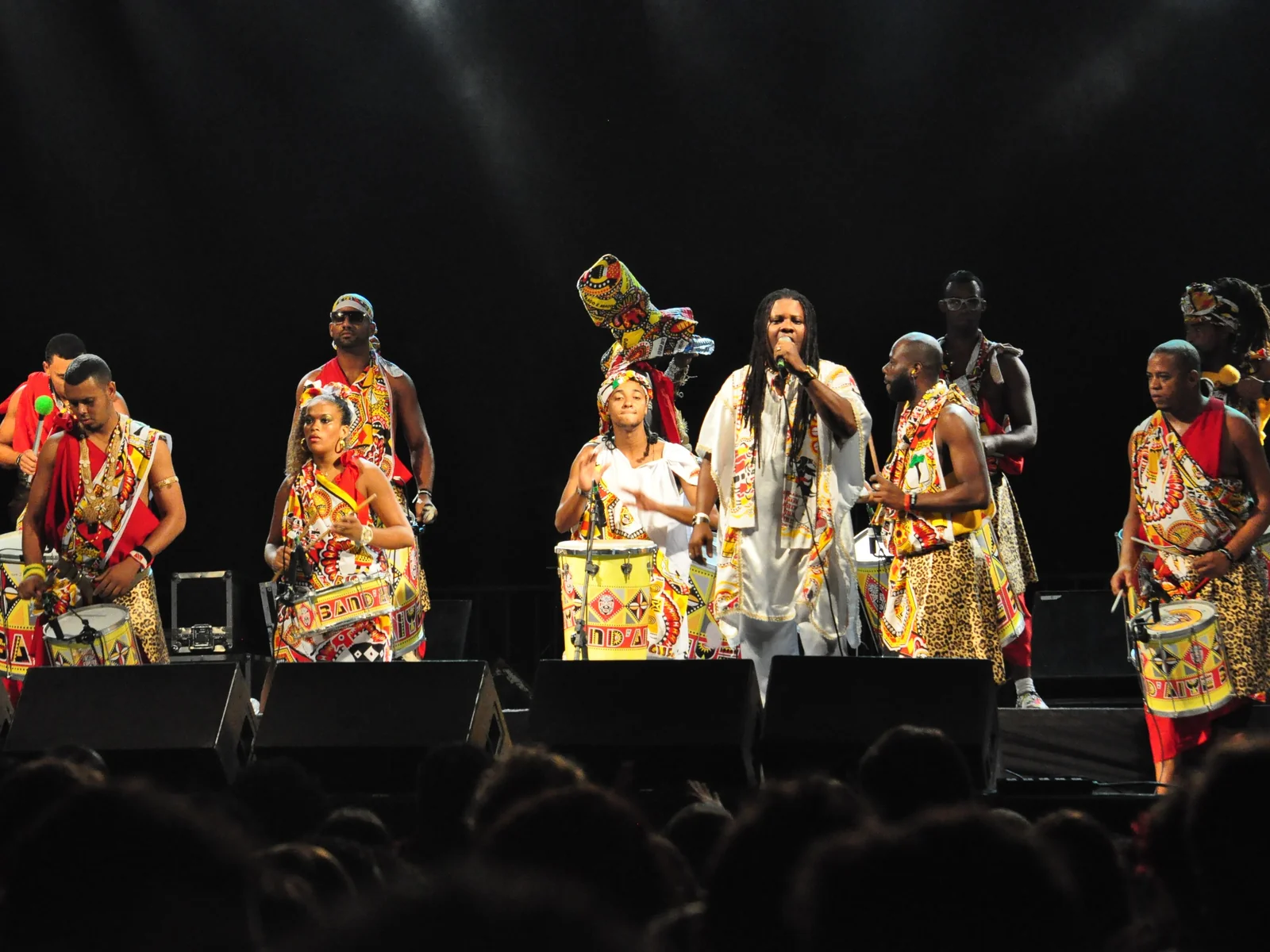
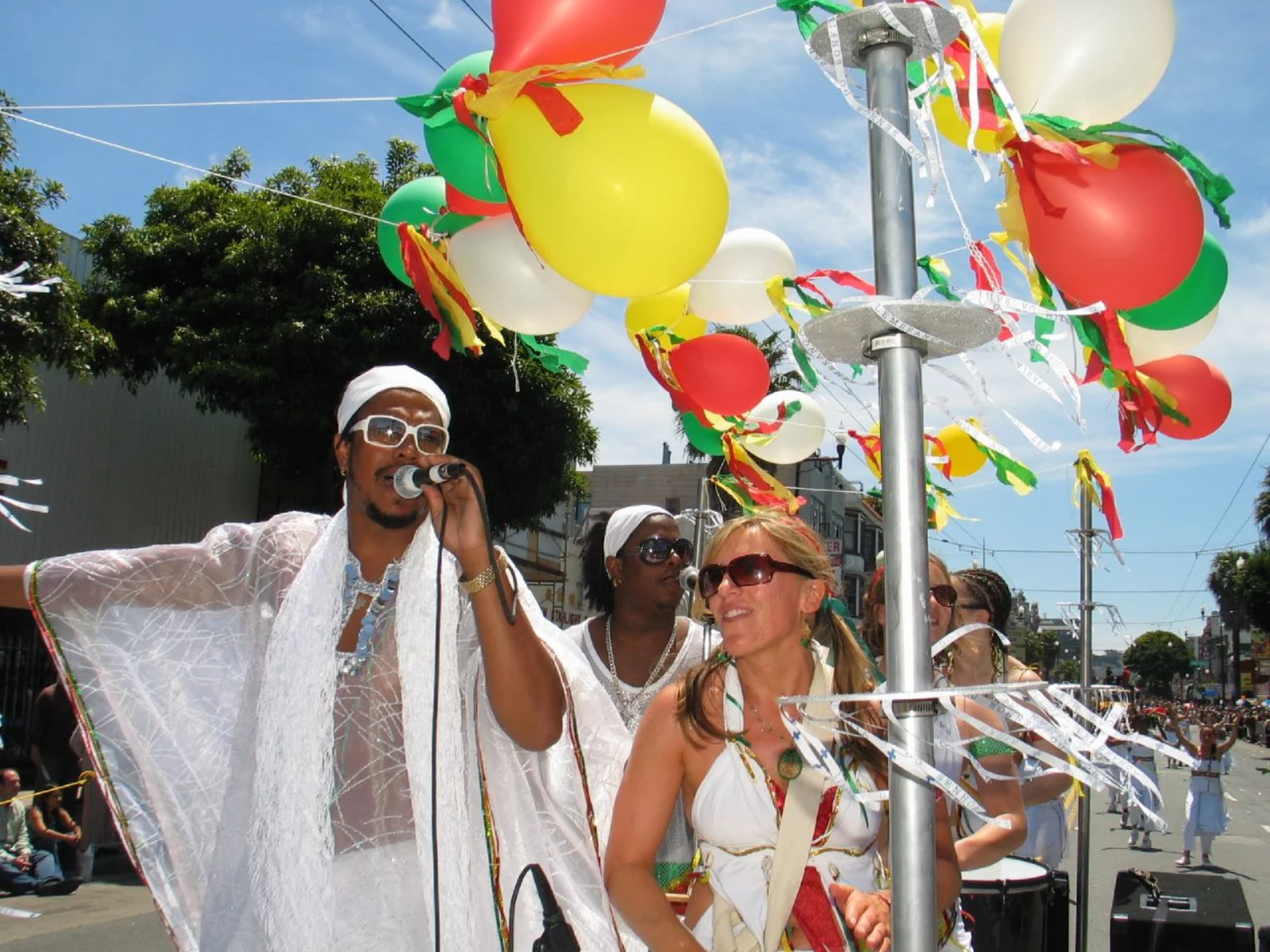
Para entender os tambores é preciso entender o bloco afro. São organizações comunitárias de percussão e carnaval fundadas a partir dos anos 1970 nos bairros negros de Salvador, tanto movimentos culturais e políticos quanto grupos musicais — criados para afirmar a identidade e o orgulho afro-brasileiros numa época em que o Carnaval em grande parte excluía os foliões negros. Deles nasceu o samba-reggae, o ritmo grave e ondulante inventado aqui nos anos 1980 que hoje se ouve pela cidade inteira. O ano deles avança rumo ao Carnaval, mas o melhor jeito de encontrá-los não é no aperto de fevereiro; é nos ensaios dos meses anteriores. Para o mapa musical maior, o nosso guia de música, vida noturna e Carnaval é o companheiro deste.
Olodum — os tambores do Pelourinho que o mundo conhece
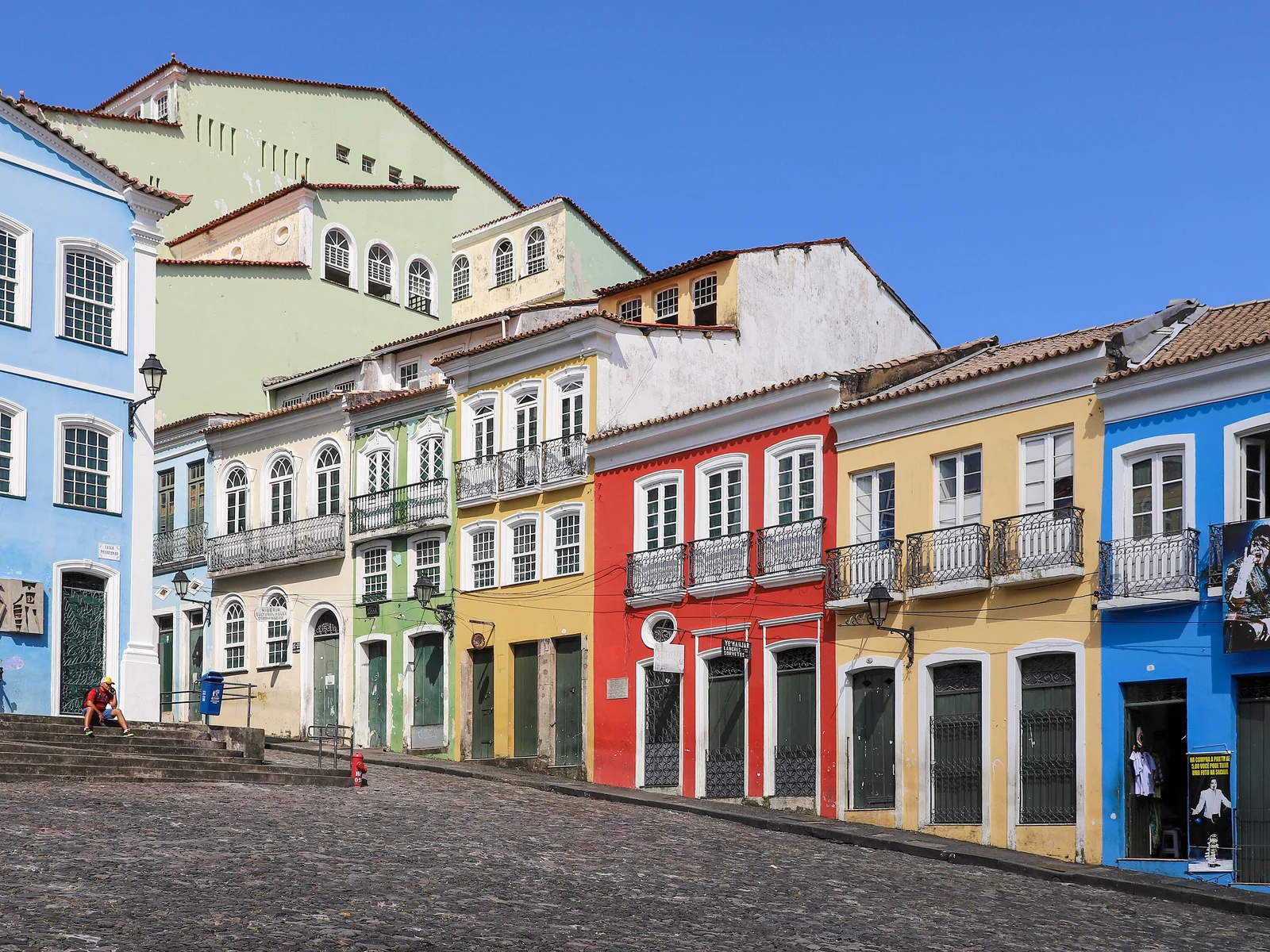
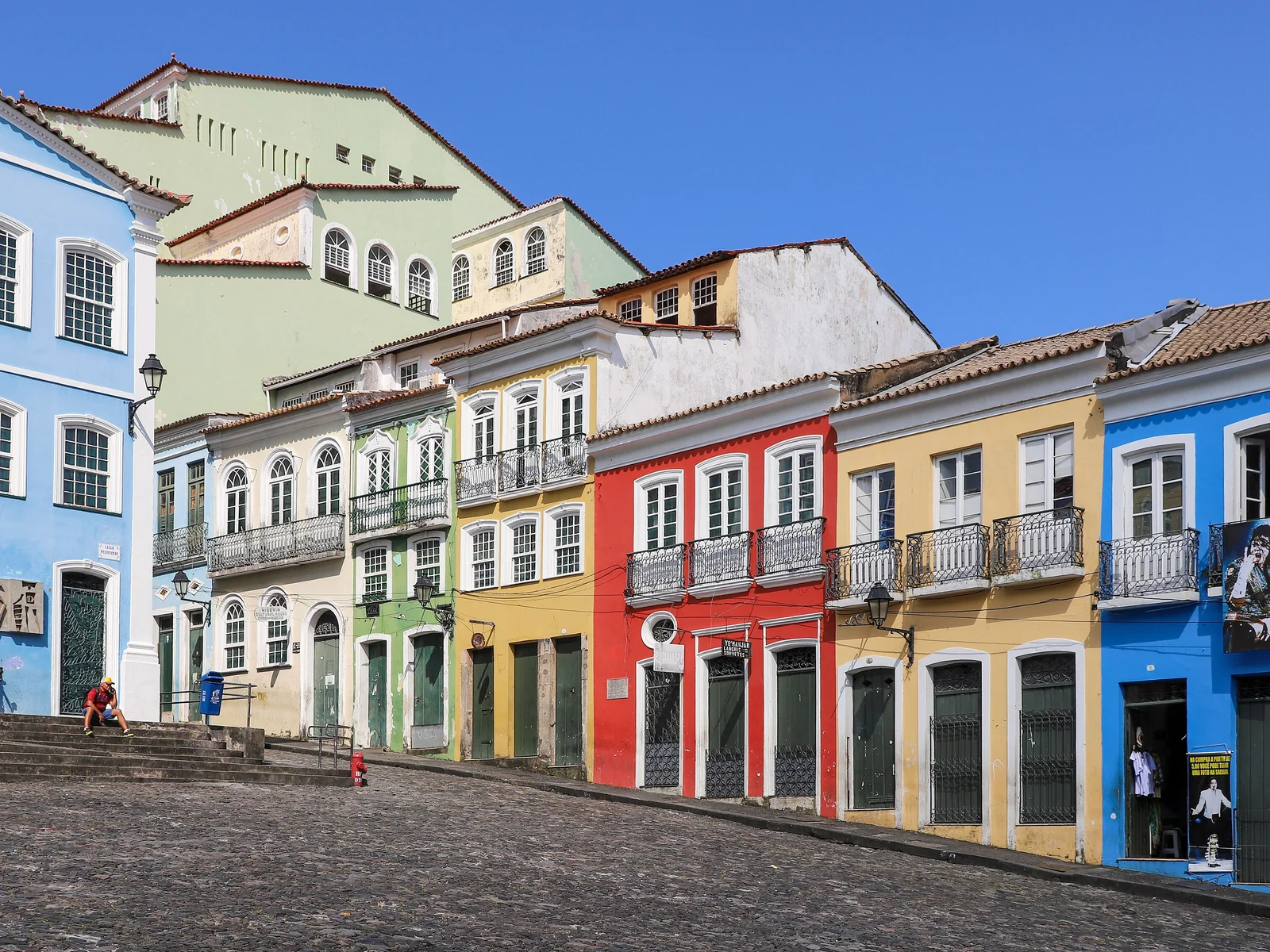
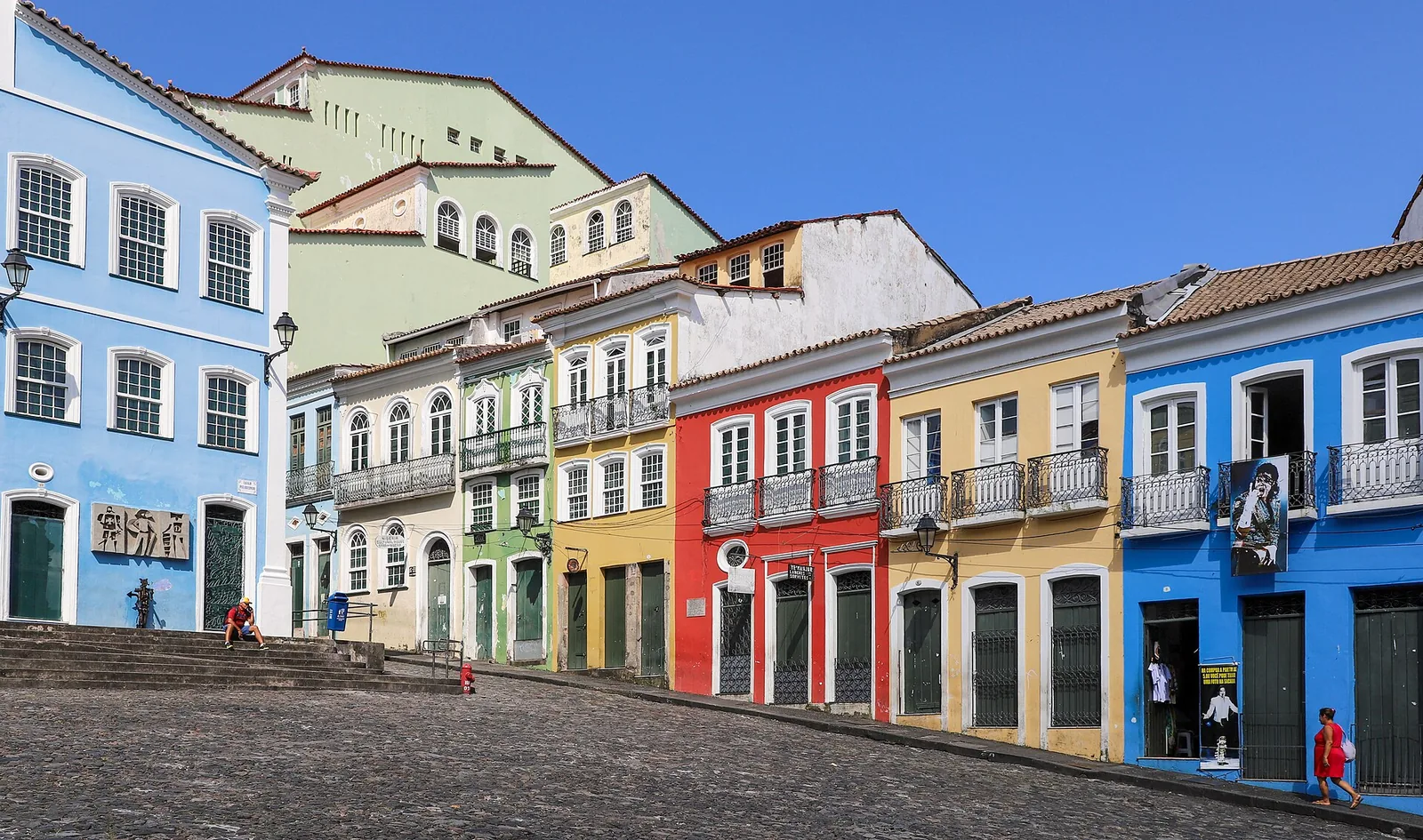
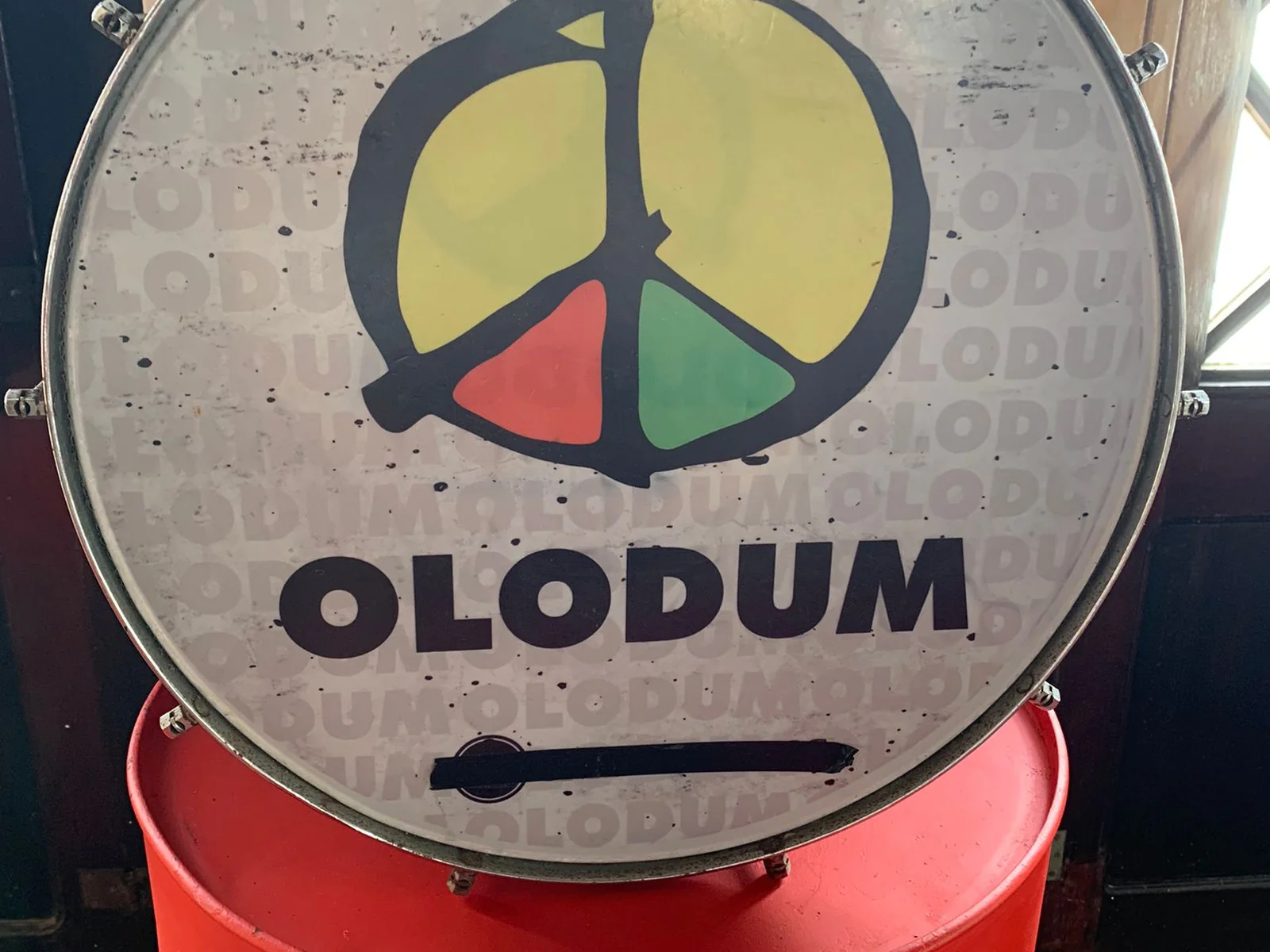
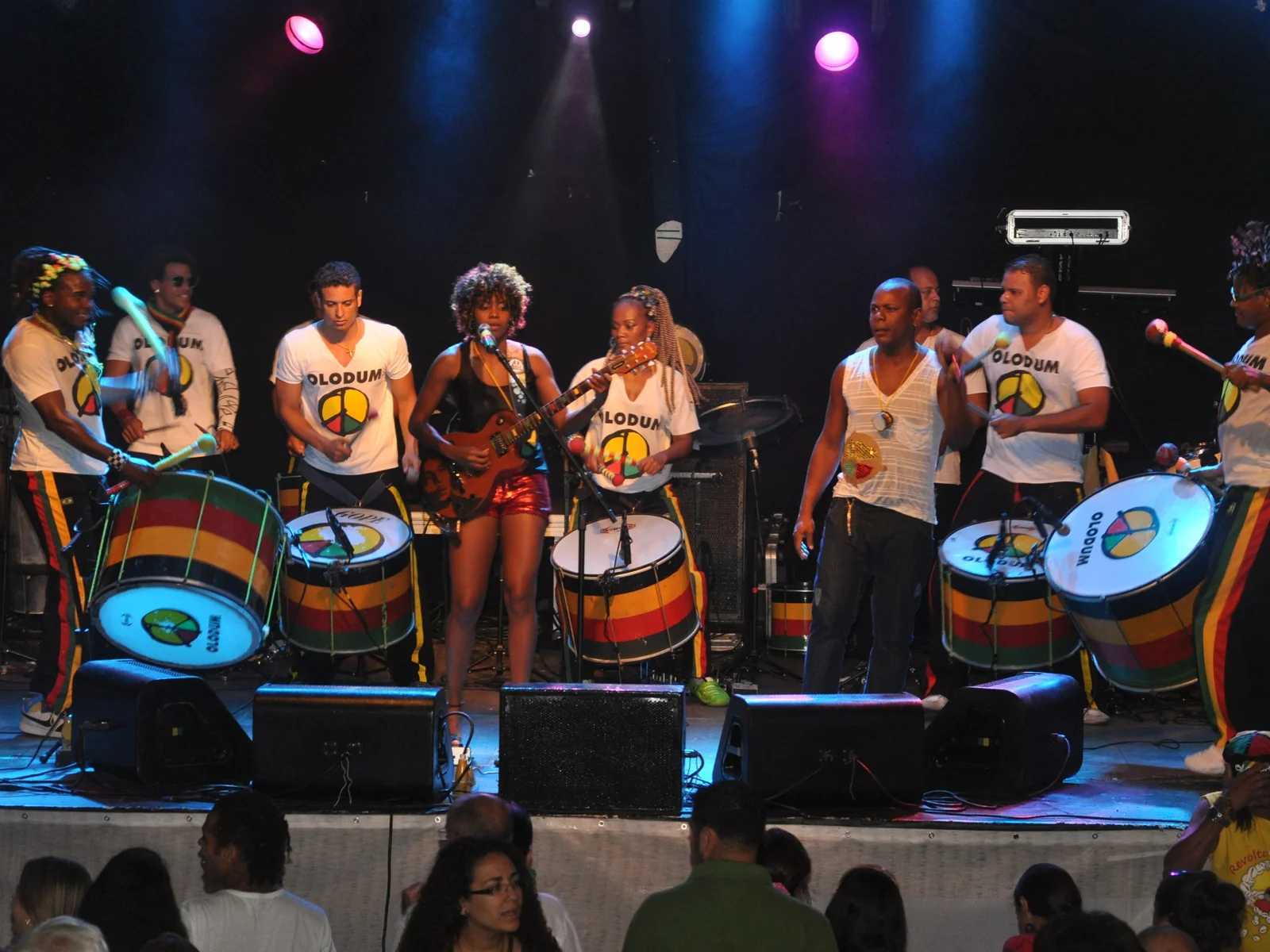
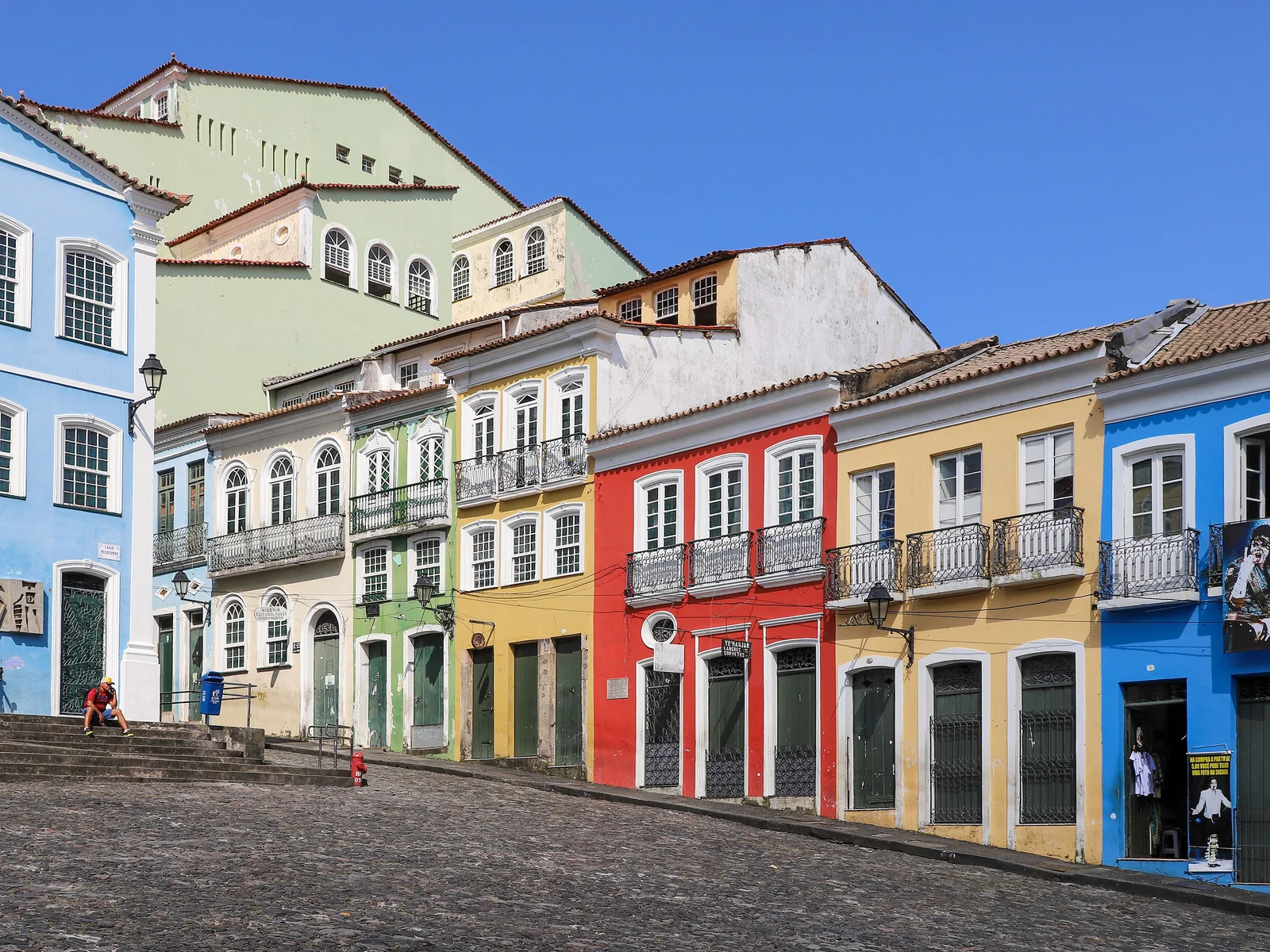
O Olodum, fundado em 1979 no Pelourinho, é o mais famoso de todos no mundo. Se você já ouviu tambores baianos em conjunto, provavelmente ouviu o Olodum: gravaram com Paul Simon em "The Obvious Child", em 1990, e em 1996 Michael Jackson filmou parte do clipe de "They Don't Care About Us", dirigido por Spike Lee, nas escadarias e largos do Pelourinho com os percussionistas do Olodum atrás dele. Este é o território deles — a Escola Olodum e os largos da cidade velha — e pegá-los tocando ali, onde nasceram, é uma das grandes experiências de Salvador. A história deles está tecida no nosso guia da herança afro-brasileira.
Terça-feira no Pelourinho — o jeito fácil de entrar
A introdução mais simples e melhor não precisa de ingresso nem de plano. Há décadas, a terça-feira — a Terça da Bênção — é a grande noite gratuita de música do Pelourinho: começa com uma bênção na Igreja do Rosário dos Pretos e transborda em bandas ao vivo, tambores e dança pelos largos até tarde. O Olodum e outros grupos há muito fazem parte dela, e mesmo numa terça comum a cidade velha vira um show ao ar livre. Se você fizer uma noite de música em Salvador, faça esta — e como as nossas suítes ficam aqui mesmo, na Cidade Alta, é uma caminhada de volta para casa, não um táxi. O nosso guia de Salvador à noite tem mais sobre a noite.
Ilê Aiyê e os ensaios do Curuzu
O primeiro bloco afro de todos foi o Ilê Aiyê, fundado em 1974 no Curuzu, no bairro da Liberdade, e continua o mais firmemente enraizado. Os seus ensaios de sábado à noite no Curuzu, na reta que antecede o Carnaval, são lendários — plateia da casa, percussão extraordinária e uma celebração negra orgulhosa e explícita que não parece em nada um show para turista. A Liberdade é um bairro de trabalho bem fora da rota do visitante, então este é para se fazer com cuidado: vá com um guia local ou em grupo, com transporte combinado, em vez de entrar sozinho. Feito direito, é inesquecível.
Timbalada e Candeal
Lá no bairro do Candeal, o músico Carlinhos Brown construiu a Timbalada, o grupo de percussão cujos ensaios de verão viraram uma das noites símbolo da cidade, e pelo caminho transformou a sua comunidade com uma escola de música e um centro cultural. A percussão da Timbalada — timbaus às dezenas — é um som próprio, e pegar um ensaio na temporada é um ponto alto para muitos visitantes. Como nos outros ensaios de bairro afastado, combine o seu transporte e, de preferência, vá com quem conhece o caminho.
Como vivê-la — e onde ficar
Em resumo: comece pela terça-feira gratuita, central e fácil do Pelourinho e, se os tambores te fisgarem — e vão —, avance para um ensaio pago do Olodum, do Ilê Aiyê ou da Timbalada, indo aos bairros afastados com um guia ou grupo e transporte combinado antes. A temporada a mirar vai mais ou menos de setembro ao Carnaval. Tudo isso é mais fácil a partir do meio da cidade velha, que é justamente onde acontece a terça-feira e onde o Olodum nasceu. As nossas quatro suítes ficam na Cidade Alta, a uma curta caminhada dos largos onde os tambores tocam; dê uma olhada nas nossas quatro suítes, e leia o nosso guia do Carnaval se estiver mirando o clímax da temporada.
Salvador, em imagens
Fotografias do bairro, do restaurante e da praia que aparecem neste guia, com crédito a cada autor.
Pronto para conhecer Salvador?
Reserve uma das quatro suítes da Via Avantgarde no Pelourinho — e receba os guias completos com recomendações para a sua estadia.