Vaccines & Health for Bahia yellow fever, mosquitoes and the basics
Vaccines and health guide for Salvador and Bahia: yellow fever and the 10-day rule, routine shots, dengue, why malaria isn't a risk here, water, sun and insurance.
The essentials in 30 seconds
Planning a trip to Salvador and wondering what shots you need? The short answer: yellow fever vaccination is recommended for Bahia and is the one to arrange well ahead; make sure your routine vaccines are current, and consider hepatitis A and typhoid; take mosquito-bite precautions against dengue; and, good news, malaria is not a risk in Salvador or coastal Bahia, so you almost certainly do not need anti-malarial pills. This guide walks through each of those, plus food, water, sun and healthcare on the ground. It is general orientation only — confirm everything with a travel-health clinic or your country's official advice, ideally four to six weeks before you fly.
The short version — and see a travel clinic
Most healthy travellers visit Salvador with very little medical fuss, but a short appointment beforehand makes it smoother. The single most useful thing you can do is see a travel-health clinic four to six weeks before departure: that leaves time for any vaccine to take effect and for a course that needs more than one dose. Everything below is general orientation to walk in informed with — your clinic, and your country's official travel-health guidance, give the advice that actually applies to you, your health and your itinerary. Keep this practical planning alongside our Brazil visa guide and packing list.
Yellow fever — the one to plan ahead
Yellow fever is the vaccination to think about first, because Bahia is considered a risk area and the shot needs time. It must be given at least ten days before travel to be valid and effective, so this is not a last-minute item. A single dose is now considered to give long-lasting, generally lifelong protection for most people. Keep the vaccination certificate (the yellow "ICVP" card) with your passport, because some other countries ask to see proof of yellow fever vaccination when you arrive from Brazil — a detail worth checking against your onward route.
Routine and recommended vaccines
Beyond yellow fever, the basics matter most. Make sure your routine vaccinations are up to date — the standard childhood and adult schedule, including measles-mumps-rubella and tetanus. Travel clinics commonly recommend hepatitis A and typhoid for Brazil, both linked to food and water, and depending on your plans and health they may suggest hepatitis B or others. None of this is exotic or alarming; it is the ordinary pre-travel checklist for a tropical destination, and most of it is a quick conversation and a jab or two.
Mosquitoes — and the good news on malaria
The realistic day-to-day health consideration in Salvador is mosquito bites, not tropical disease. Dengue exists in Brazil, including Bahia, along with chikungunya and Zika, and they are more active in and after the rainy months, so the sensible move is simply to avoid bites: use repellent, especially by day, and cover up around dawn and dusk. Now the reassurance travellers most often want: malaria is not a risk in Salvador or on the Bahian coast — malaria in Brazil is essentially an Amazon-region issue — so unless your trip adds the far interior or the north, you will almost certainly not need anti-malarial tablets. Pregnant travellers should get personalised advice about Zika before booking. Our best time to visit guide notes when the wetter, more mosquito-prone months fall.
Food, water and sun
The everyday things keep most visitors healthiest. Drink bottled or filtered water rather than tap, which is the norm here; be a little careful with ice and raw items when you first arrive while your stomach adjusts, though Salvador's restaurants and the famous street food are generally fine with basic sense. The tropical sun and heat are the underrated risk: it is strong year-round, so sunscreen, a hat and steady hydration matter more than any pill, especially on beach and festival days. Our packing list covers repellent, sun protection and a small personal medical kit.
A smooth, healthy trip
Put simply: book a travel-clinic visit four to six weeks out, sort yellow fever early and carry the certificate, top up routine and food-and-water vaccines, pack repellent and sunscreen, drink bottled water, and take out medical travel insurance. Do that and the health side of Salvador becomes a non-event, leaving you free to enjoy the city. Being based centrally helps too — close to pharmacies and hospitals and an easy ride from the airport. Our four suites sit in the historic Cidade Alta; see our practical Salvador guide for the rest of the pre-trip logistics, and our four suites for where to stay.
Salvador, in images
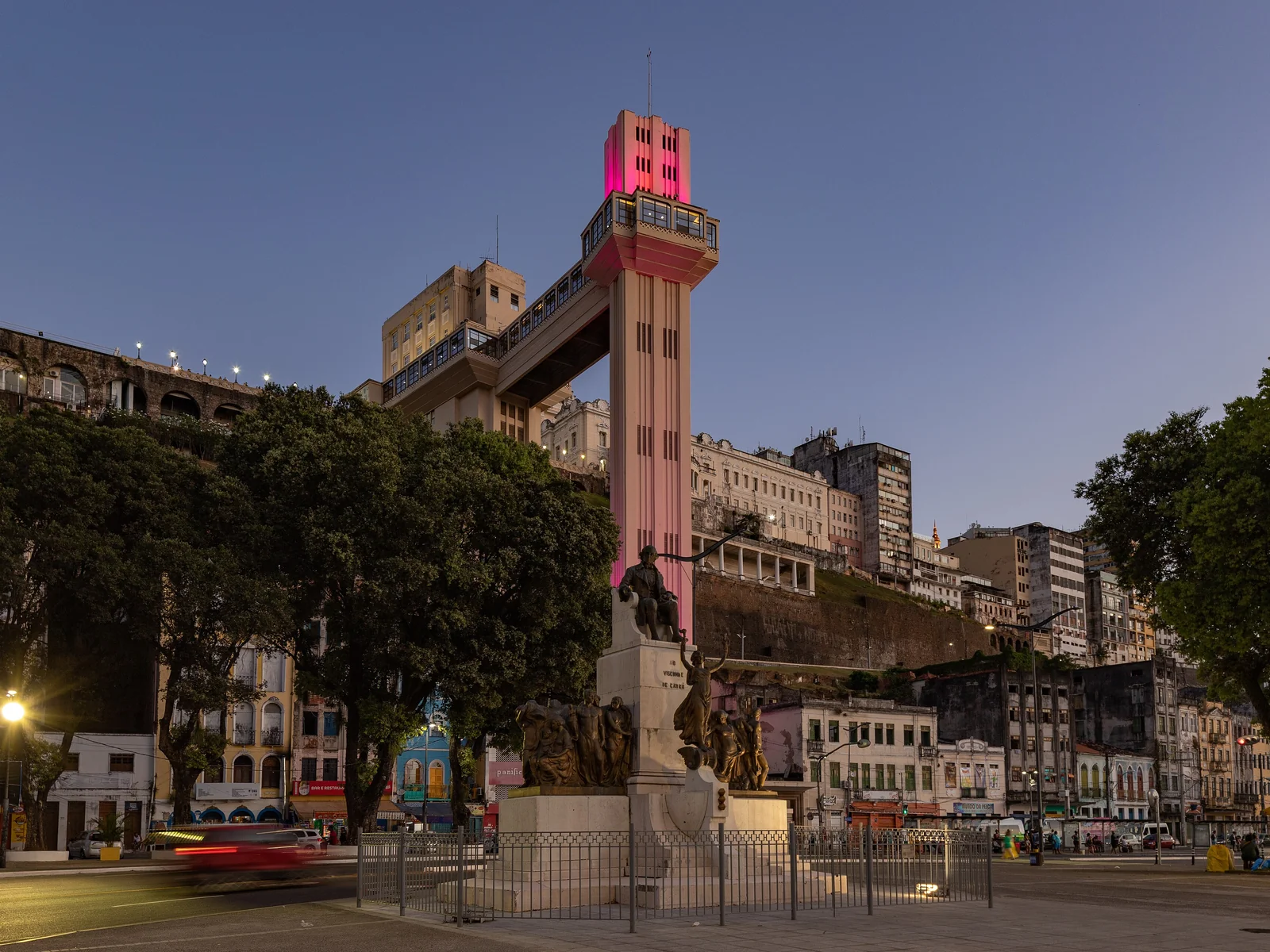
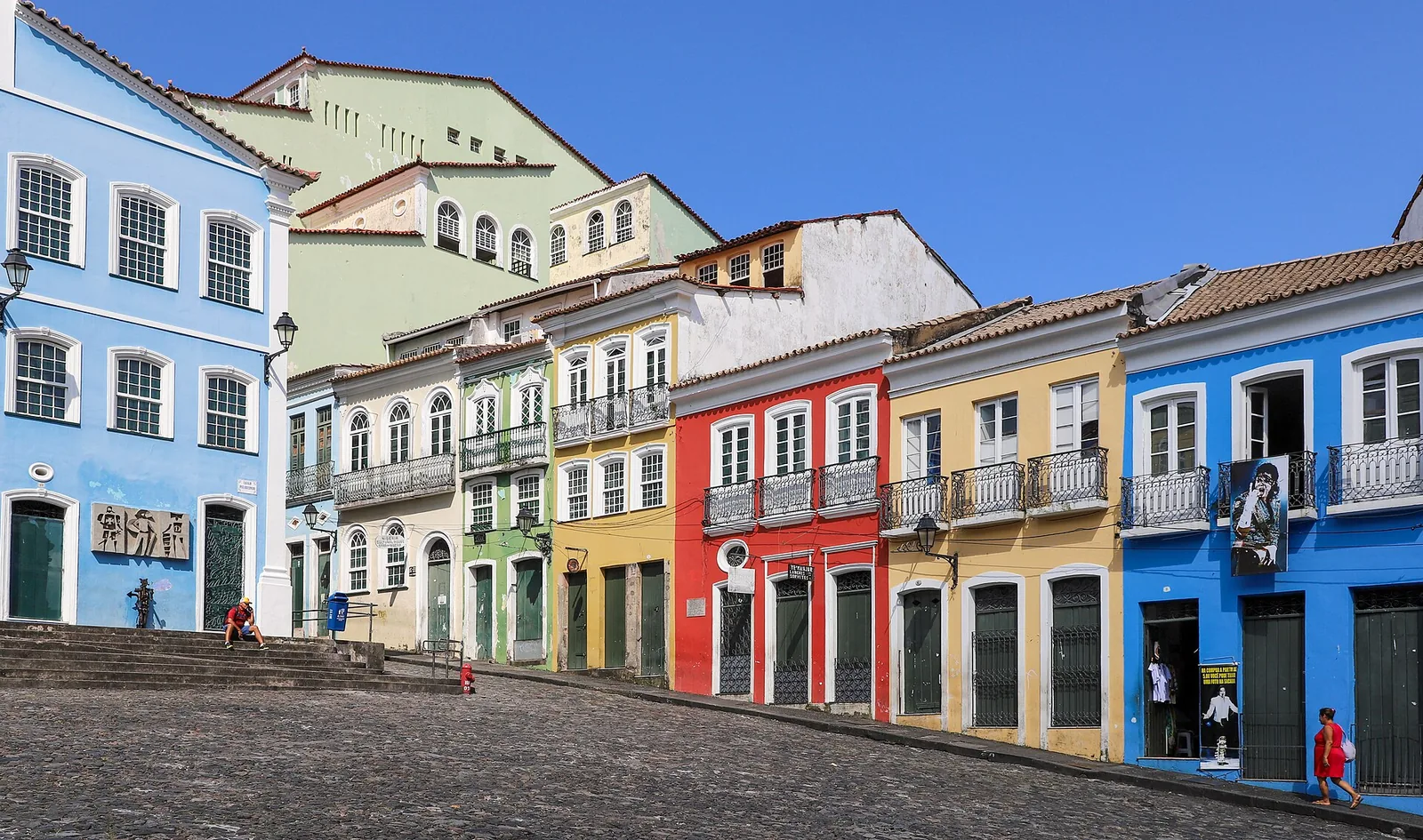
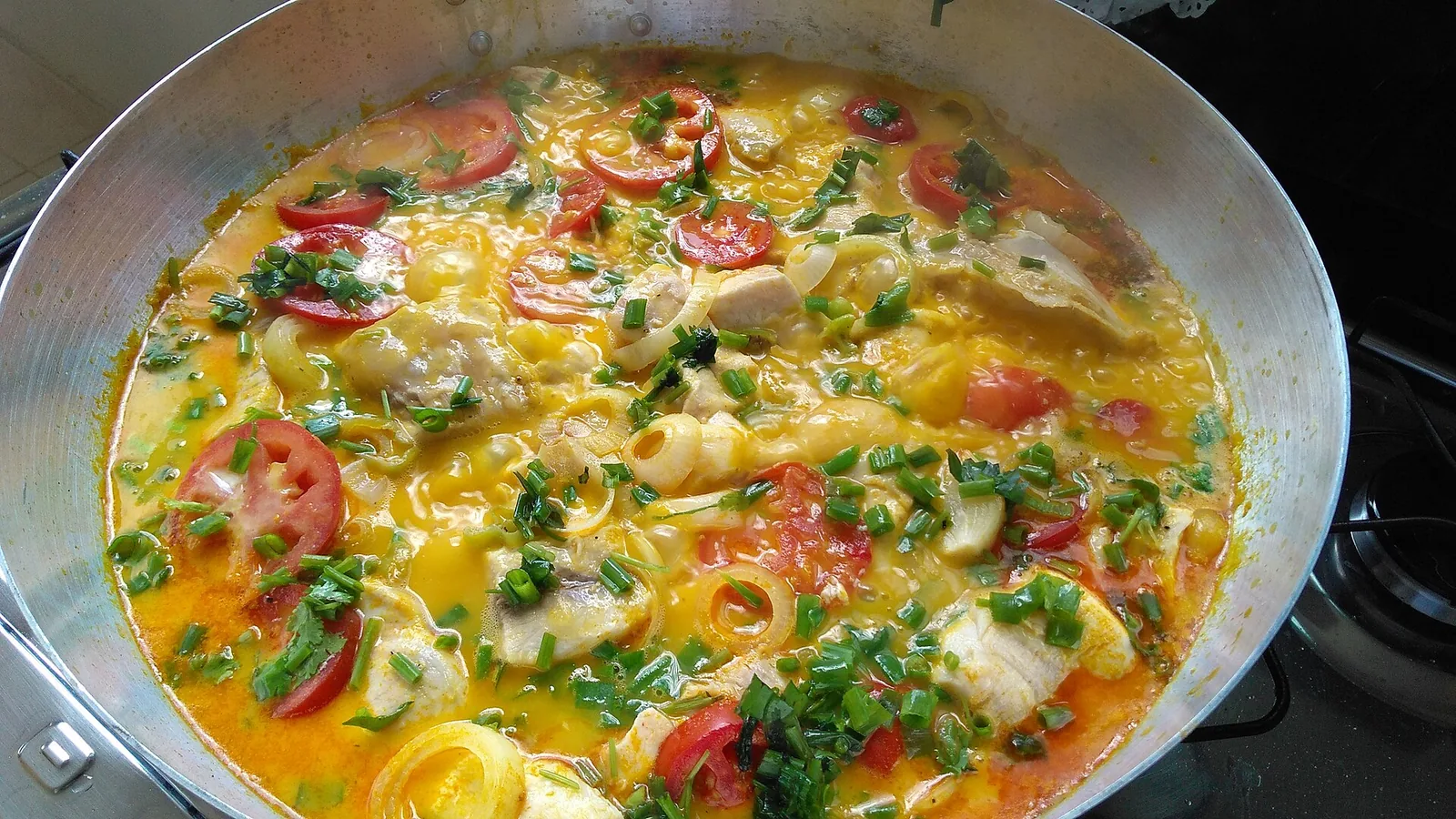
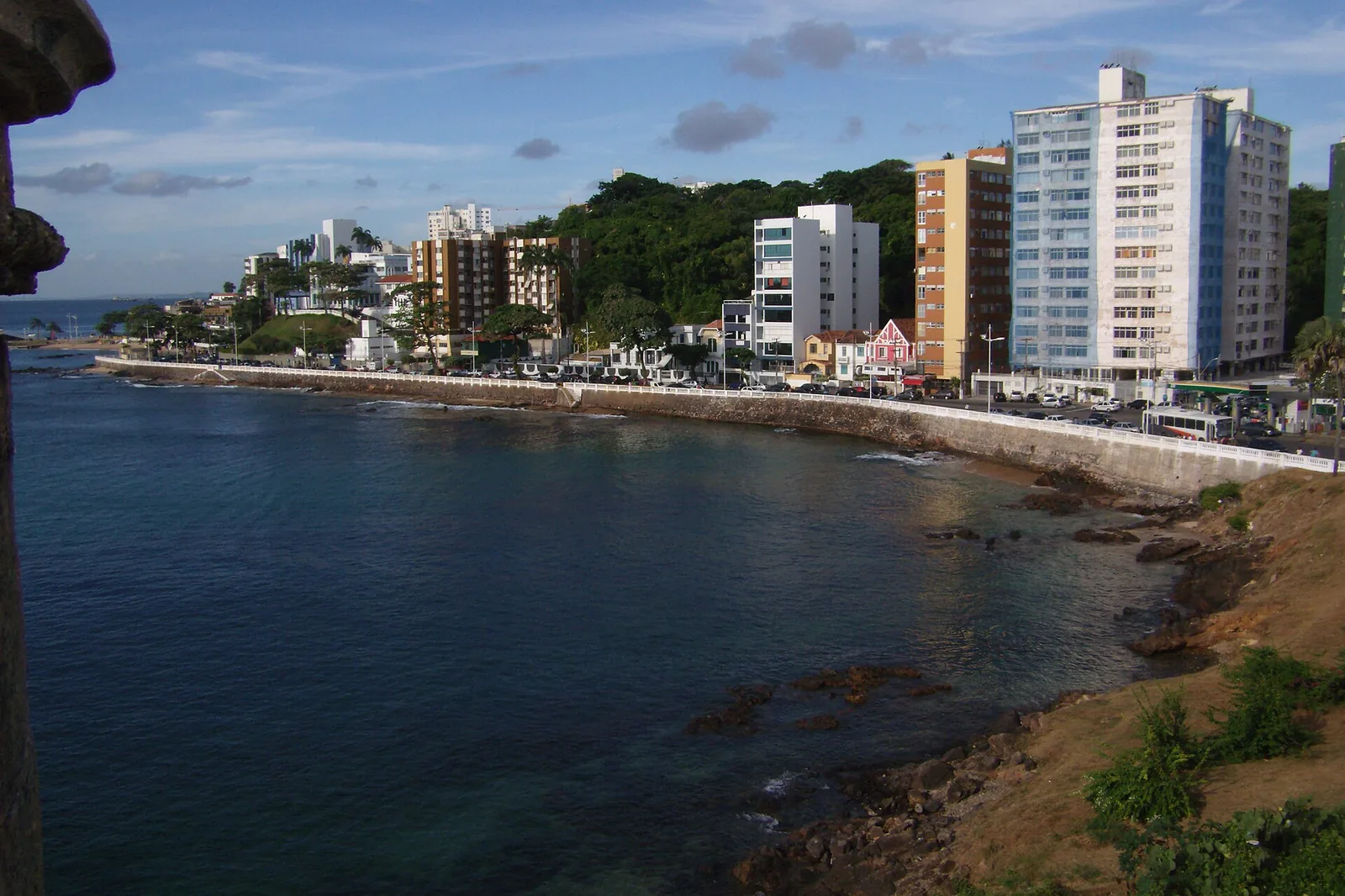
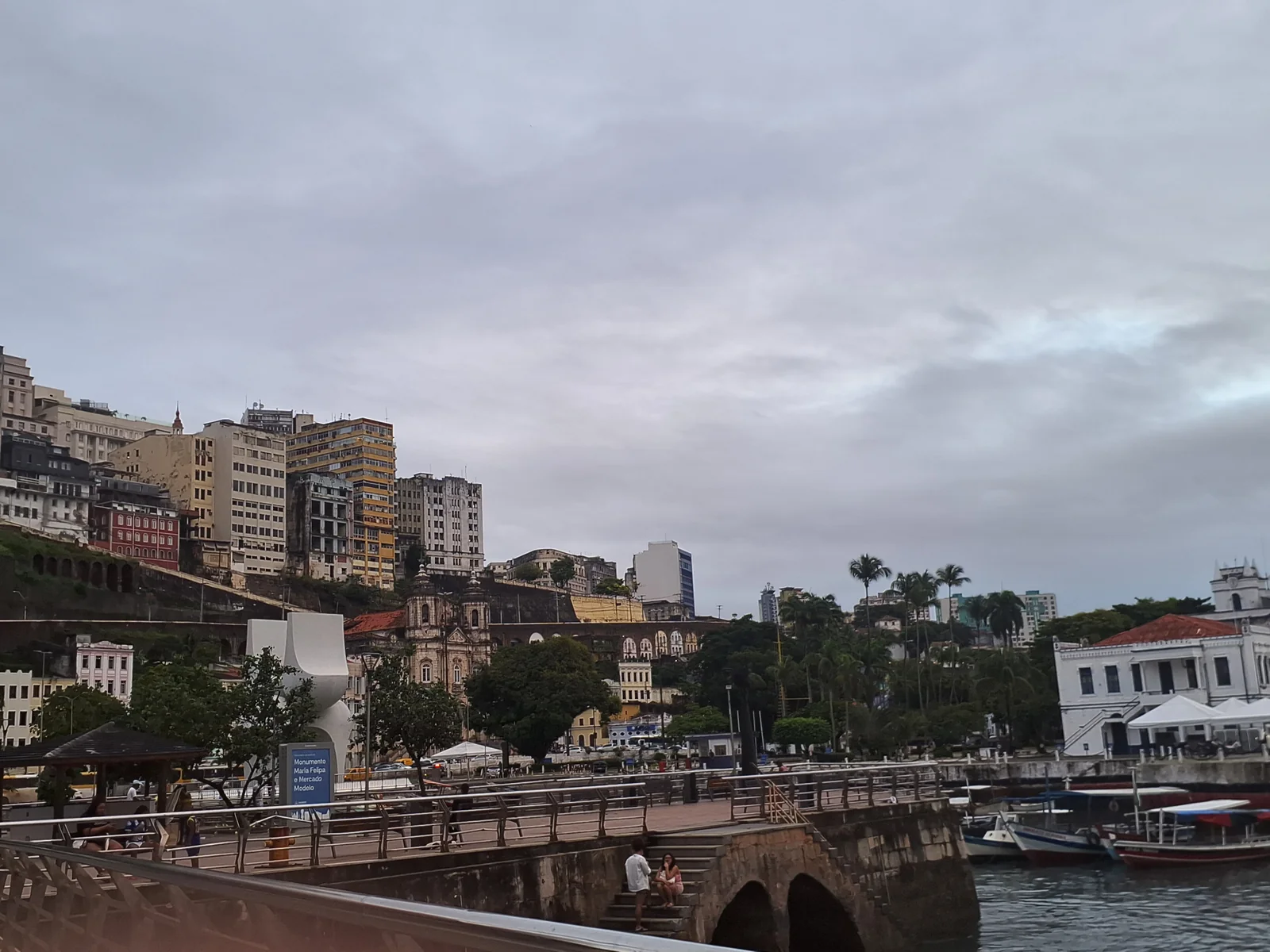
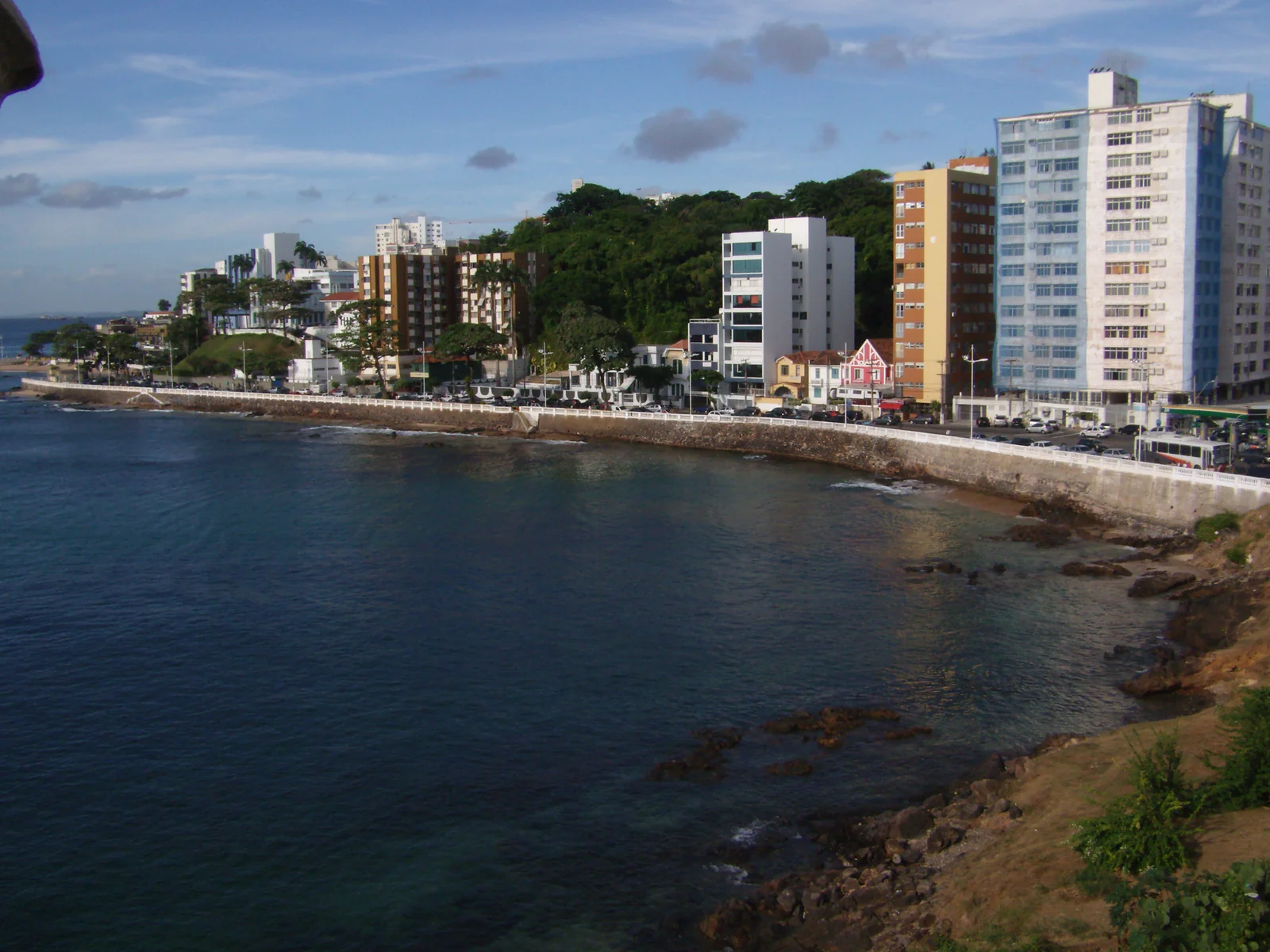
Photographs of the neighborhood, restaurant, and beach featured in this guide, with credit to each photographer.
Ready to discover Salvador?
Book one of the four Via Avantgarde suites in the Pelourinho — and receive the complete guides with recommendations for your stay.