Money in Brazil cards, Pix and how much cash to carry
Money in Brazil for tourists: the August 2026 exchange picture, cards vs Pix, how much cash to carry, ATM caps and fees — and the one conversion screen to refuse.
The essentials in 30 seconds
Money in Brazil for tourists comes down to four habits: pay by contactless card almost everywhere (Visa or Mastercard — Amex is patchy), keep a little cash in small notes for street food and stalls, withdraw that cash from ATMs inside bank branches or malls rather than machines on the street, and when any screen offers to charge you in dollars or euros instead of reais, refuse. The currency is the real — about R$ 5.10 to the US dollar and R$ 5.90 to the euro as of early August 2026 — and nobody accepts foreign cash. Pix, the instant-payment system Brazilians use for everything, generally needs a Brazilian bank account, so don't plan around it. Tipping is the easy part: the 10% service charge is already on the restaurant bill.
The real, and the rough maths for August 2026
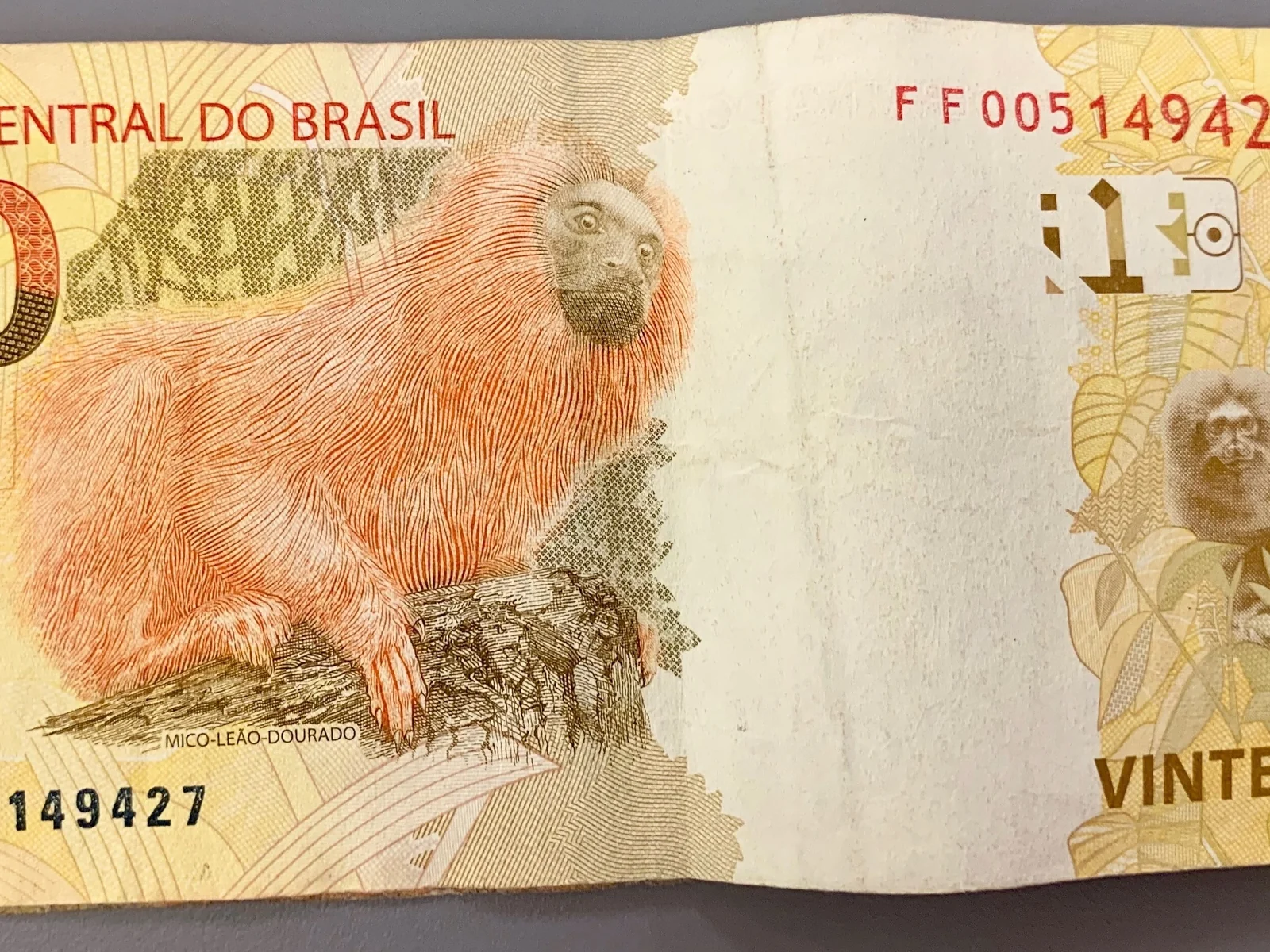
Brazil's currency is the real (plural reais, sign R$). As of early August 2026 the picture looks like this: one US dollar buys about R$ 5.10, one euro about R$ 5.90. The real has firmed noticeably this year — roughly 6% against the dollar over twelve months, closer to 10% against the euro — so Brazil is slightly less cheap than it was in 2025, and prices in older blog posts deserve a mental markup. Check the live rate on the Central Bank's official converter the week you fly, then commit one shortcut to memory and stop thinking about it: R$ 10 is about US$ 2 (or €1.70), R$ 50 about US$ 10, R$ 100 about US$ 20.
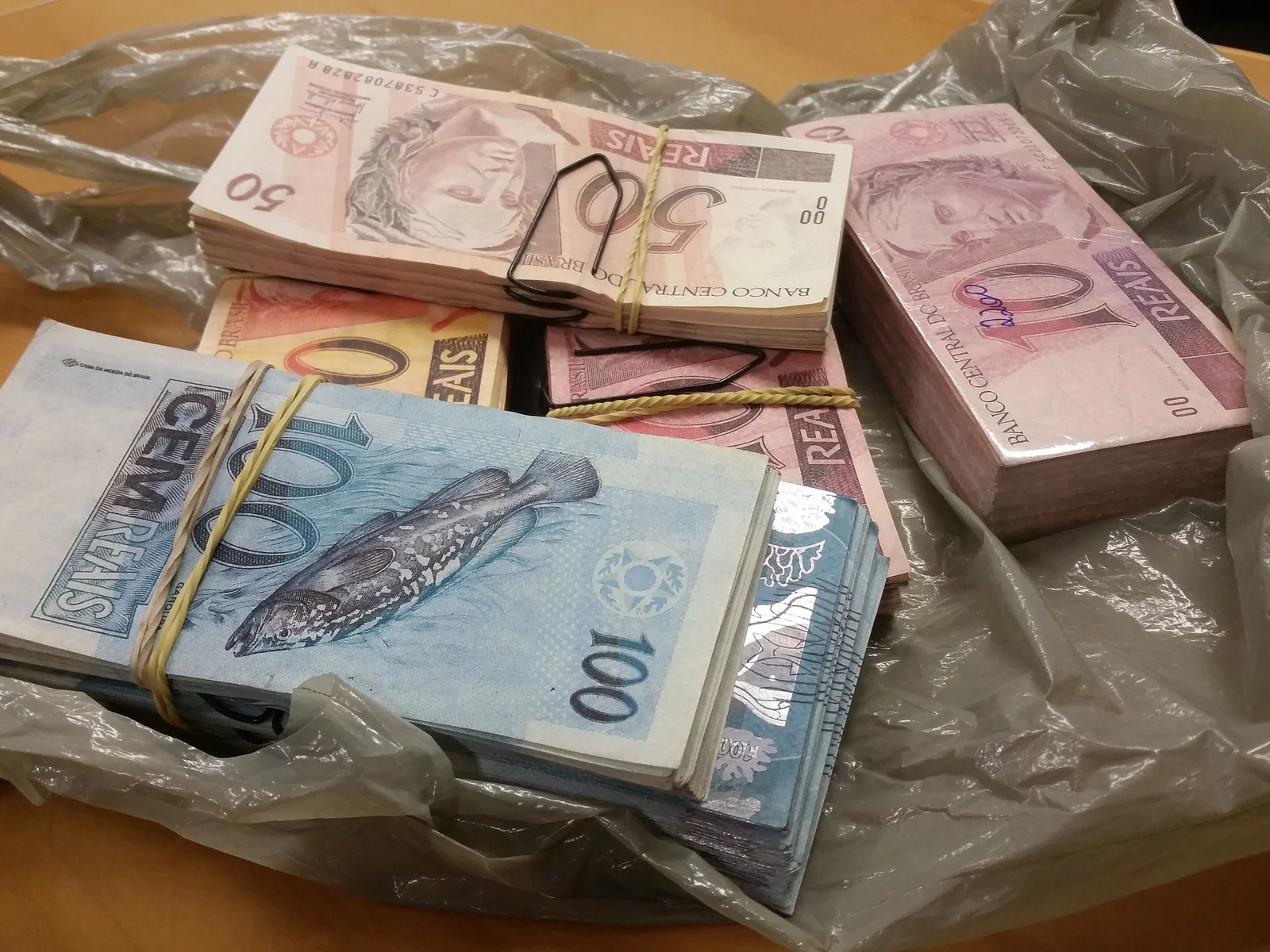
Notes run from R$ 2 to R$ 200, and the useful ones are the small ones. Street vendors often can't break an R$ 100 — sometimes not even an R$ 50 before lunchtime — so split big notes in supermarkets and pharmacies and hoard the tens and twenties. What things actually cost once you've converted — the acarajé, the moqueca, a fair taxi across town — is a page of its own: see our Salvador travel costs guide.
One thing to be clear about, because travellers keep asking: nobody here accepts dollars or euros. Brazil is not Argentina in its blue-dollar years — there is no parallel rate, no shopkeeper hoping for hard currency. The rare stallholder who will take your US$ 20 is doing you no favour; he sets the exchange rate himself, on the spot, in his favour. Keep foreign cash for the trip home.
Money in Brazil for tourists runs on cards
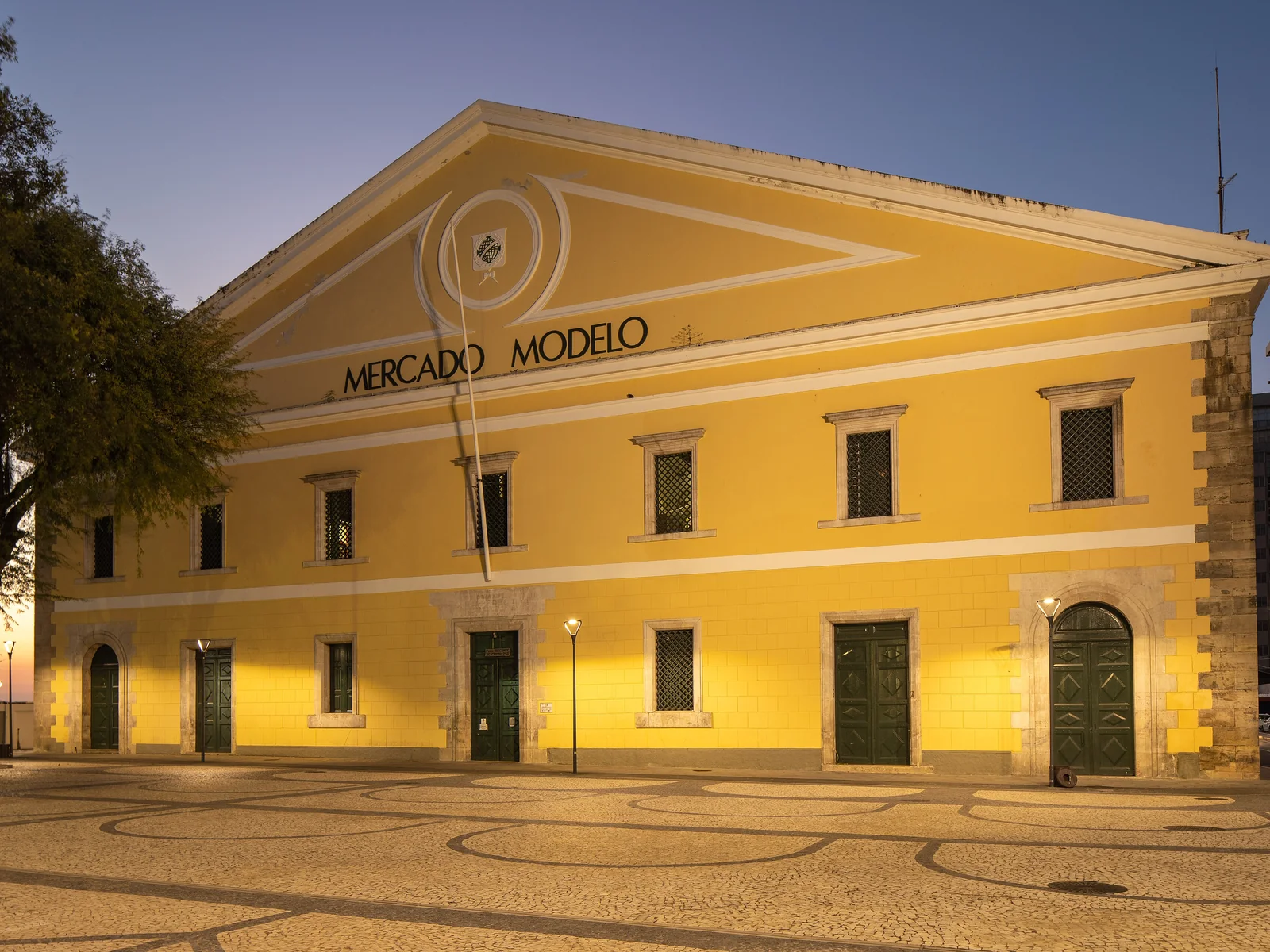
The single most useful fact in this guide: a contactless Visa or Mastercard covers nearly everything in Salvador. Brazil adopted tap-to-pay wholesale — por aproximação, as the card machines say — and the little white readers, the maquininhas, are everywhere: beach vendors, taxi drivers, the man selling coconuts from a cooler, many acarajé stands, the craft stalls of the Mercado Modelo. Apple Pay and Google Pay work wherever contactless does, which in practice means your phone can be your wallet for a fortnight.
Two caveats. American Express is genuinely patchy — fine in bigger hotels and smarter restaurants, refused at most small places — so never travel with Amex as your only card. And at some point a cashier will ask crédito ou débito? Foreign cards usually process as credit; say crédito and the machine sorts itself out. If one of your cards charges no foreign-transaction fee, make it your default: it quietly saves around 3% on every purchase, which over two weeks is a dinner.
Pix — the system that ate Brazilian wallets
You'll see the word Pix within an hour of landing, taped to coolers and till screens. Pix is the Central Bank's instant-payment system, launched in November 2020: free, round-the-clock transfers that clear in seconds, paid by scanning a QR code or keying in a phone number. It has swallowed the country. Roughly nine in ten Brazilian adults use it, it moves more payments than credit and debit cards combined, and on its record day in December 2025 it cleared over 310 million transactions in 24 hours. On a Salvador street this looks like: the barraca has a laminated QR code taped to the parasol, the baiana takes Pix, the church takes Pix for candles. Carrying a wallet is starting to look like a foreign habit.
Now the honest part for visitors: you almost certainly can't use it. Pix needs a Brazilian bank or payment account, and opening one needs a CPF, the Brazilian taxpayer number. The fintech workarounds are narrower than their marketing suggests: Wise only switches its Pix features on for accounts registered to a Brazilian address, and Revolut's Brazilian app is a separate product for people who live there. True international Pix — scanning a QR code with your own home banking app — is being built, and Brazilian processors spent 2025 and 2026 wiring it up for foreign banks and wallets, but as of August 2026 almost no US or European bank has switched it on. Check your own app the week you travel; this is the fastest-moving corner of Brazilian money.
Cash: how much to carry, and where to withdraw it
Less than you think. R$ 100-200 in small notes — about US$ 20-40 — is a comfortable daily float for the things cards occasionally miss: a coconut where the machine is resting, a tip, loose change for a street acarajé. Plenty of travellers get through whole days on zero cash. Salvador is no longer a cash economy; it's a Pix economy that tolerates cards.
When you do withdraw, do it inside doors. The ATMs worth using are inside bank branches — Banco do Brasil, Bradesco, Santander and Itaú all take foreign Visa and Mastercard — and inside the big malls, like Shopping Barra or Salvador Shopping, where the machines sit in guarded corridors. Most machines cap a foreign-card withdrawal somewhere between R$ 1,000 and R$ 2,000 depending on the bank, and add a local access fee — typically in the R$ 12-25 band, on top of whatever your own bank charges — so one proper withdrawal beats five timid ones. The red Banco24Horas machines in supermarkets work reliably with foreign cards but sit at the top of that fee range. Standalone street ATMs are the ones to skip: they're where skimmers get installed, and where someone watching you count notes is someone you don't want. Withdraw in daylight; many machines cut their limits at night anyway, and branch lobbies lock.
At the airport, arrivals has both bank ATMs and exchange desks. The desks are convenience-priced — their rate runs several percent worse than what your card gets — so if you land carrying euros or dollars, change a small amount for peace of mind and get the rest from a machine, or just tap your card. The full arrivals routine, SIM cards and taxis included, is in our airport guide.
The one screen that costs travellers real money
Somewhere in your first days, a card machine or an ATM will offer a choice: pay in reais, or in your home currency with the conversion helpfully done for you. This is dynamic currency conversion, and the helpful conversion carries a hidden markup — commonly several percent. The machine's rate is set by the machine's operator; your card network's rate is close to the interbank rate. So the rule has no exceptions: always choose reais. At an ATM, press the equivalent of continue without conversion; on a card machine, if the screen shows euros or dollars, ask for em reais, por favor. The same trap appears on hotel bills and booking websites, dressed as a convenience. Refusing it consistently saves more than any amount of exchange-rate shopping.
Before you fly: blocks, backups and the stolen-phone problem
A first foreign transaction can trip a fraud block at either end — your bank's or, occasionally, the Brazilian acquirer's. Three preparations cover it. Check your banking app's travel settings before you leave: most modern banks no longer want notice, some older ones still do, and knowing how to unfreeze a card from the app at midnight beats phoning a call centre from the beach. Follow the backup doctrine: two cards on two networks — one Visa, one Mastercard — kept in two different places, one of them in the suite safe, so a blocked or swallowed card costs you a shrug instead of an afternoon. And remember that if your phone is your wallet, your phone is also the thing worth stealing: put a PIN on the wallet app, know your bank's remote-freeze switch, and keep that physical backup card so a snatched phone doesn't strand you. Our safety guide covers the phone-theft picture honestly — a manageable risk, but the one to manage.
Haggling, tipping and the 10% already on the bill
Haggling has a map. At craft stalls — the upper floor of the Mercado Modelo, beach vendors selling cangas and hats, informal souvenir tables — a friendly counter-offer is expected, and prices soften by maybe 10-20%, more if you're buying several things. Keep it light; walking away politely is the strongest move and often the fastest discount. Everywhere else — shops with price tags, supermarkets, pharmacies, restaurants, food stalls — prices are fixed, and haggling over an acarajé would be as odd as haggling in a bakery.
Tipping is blessedly simple. Restaurants add a 10% serviço to the bill automatically; it's technically optional, everyone pays it, and nothing more is expected on top. If service was genuinely bad you can ask for it to be removed, which is rare enough to be a statement. Beyond that: round up a taxi fare, tip app drivers in the app if you like, leave small notes for housekeeping, and hand R$ 10-20 to a guide or boat crew after a good day out. Nobody expects American percentages, and nobody is insulted by their absence. The rest of the day-to-day rules — plugs, pharmacies, opening hours, tap water — live in our practical A-Z.
Money ends up being one of the lightest logistics of a Salvador trip: a tapped card, a few small notes, one refused conversion screen. It gets lighter still if you sleep in the Cidade Alta, where the day's spending — the coffee, the acarajé, the museum, the sunset beer — happens within a few hundred metres of your door. Our boutique suites put you in the middle of that geography, a few minutes on foot from the Pelourinho, and most of what fills a good Salvador day costs nothing to reach.
Salvador, in images
Photographs of the neighborhood, restaurant, and beach featured in this guide, with credit to each photographer.
Ready to discover Salvador?
Book one of the four Via Avantgarde suites in the Pelourinho — and receive the complete guides with recommendations for your stay.