Salvador for Remote Workers visas, wifi, costs and long stays
Working remotely from Salvador: Brazil's digital nomad visa, the time zone that covers Europe and the US in one day, internet, cost of living, best neighbourhoods and how to book a monthly stay.
The essentials in 30 seconds
Salvador is one of Brazil's most underrated bases for remote work — warm all year, culturally extraordinary, and a fraction of the cost of Rio or São Paulo. Brazil's digital nomad visa (VITEM XIV) asks for roughly US$1,500 a month in income or US$18,000 in savings, plus health insurance and a clean criminal record, and grants a year, renewable to two. The time zone (UTC−3) is the quiet superpower: a full working overlap with Europe in your morning and with the entire United States in your afternoon. Fibre internet is widely available and fast; mobile data is cheap. Pick your neighbourhood carefully, book monthly rather than nightly, and budget for ride apps instead of a car.
Why Salvador, and not Rio or Florianópolis
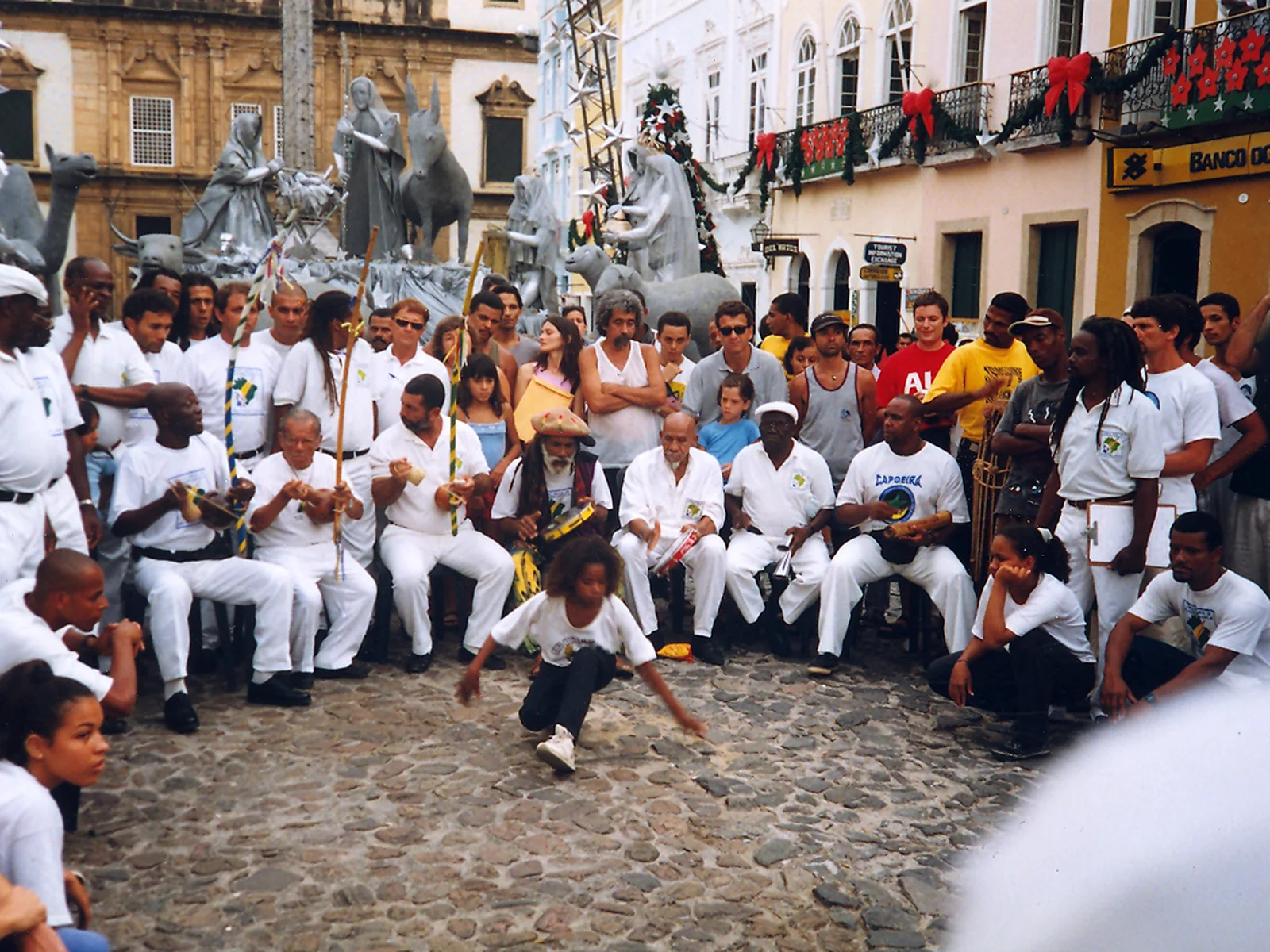
The obvious Brazilian bases are well trodden: Rio for the setting, São Paulo for the work, Florianópolis for the beaches and the startup scene. Salvador makes a different offer. It is significantly cheaper than any of them for the same standard of living. It is warm every month of the year rather than seasonally. And it gives you something the others can't: daily access to the densest Afro-Brazilian cultural life in the Americas — live music most nights, capoeira in the squares, a distinct regional cuisine, and a historic centre that is genuinely beautiful to walk out into at the end of a working day.
The honest counterweights: the digital-nomad community here is small compared to Florianópolis or Lisbon, so you'll build a social life through local networks rather than a ready-made scene; English is less widely spoken than in the southern cities; and the city demands more situational awareness than a European base does. None of these are dealbreakers. All of them are worth knowing in advance.
The visa: what Brazil actually requires
Brazil created a dedicated digital nomad visa (VITEM XIV) that is refreshingly straightforward for anyone with foreign income. As it stands, the core requirements are:
- Proof of remote employment or contracts with an entity outside Brazil — you may not work for a Brazilian employer on this visa.
- Income of about US$1,500 per month, evidenced by roughly three months of bank statements, or a bank balance of about US$18,000.
- Private health insurance valid in Brazil for the length of your stay.
- A criminal record certificate from your country of residence, plus a valid passport and the usual forms.
The visa is granted for one year and is renewable for a second. Dependents are allowed, with additional income expected per person. Applications go through a Brazilian consulate or, in some cases, are converted in-country; requirements and fees change, so confirm with your nearest consulate before you commit. If you only want a few months, note that many nationalities — including EU, UK and US passport holders — can simply enter as tourists for up to 90 days, extendable to 180 in a year; our Brazil visa guide covers the tourist route in detail.
The time zone is the real advantage
Salvador sits at UTC−3 year-round, and Brazil no longer observes daylight saving. That places you four to five hours behind Western Europe and one to four hours ahead of the United States, depending on the season. In practice: European colleagues are online through your morning, and the entire US working day lands in your afternoon and early evening. If your team is transatlantic, this is one of the best-positioned time zones on Earth — you overlap with both sides without ever taking a call at 3am. Compare that with Southeast Asia, where a European or American team means permanent night shifts.
Internet, SIMs and the practical infrastructure
Connectivity is better than most people expect. Fibre broadband is standard in modern apartments across the city, and speeds of 200–600 Mbps are routine — comfortably enough for video calls, large uploads and multiple devices. Two rules apply anyway: always confirm the actual connection with your host before booking a long stay, and always have a fallback. That fallback is mobile data, which in Brazil is cheap and fast; Vivo, Claro and TIM all have good 4G/5G coverage in Salvador, and an eSIM bought before you fly is the frictionless option for the first week. Tether from your phone when the building's fibre drops, and the drop becomes a non-event.
For a workspace, Salvador has a modest but real coworking scene — spaces clustered in the commercial districts and around Rio Vermelho and the Corredor da Vitória — and a good supply of cafés that tolerate a laptop. Realistically, though, most remote workers here work from home and use cafés for a change of scene, which makes the quality of your apartment's desk, chair, air conditioning and wifi the single most important decision you'll make.
Where to base yourself
Four areas suit long stays, each with a different character:
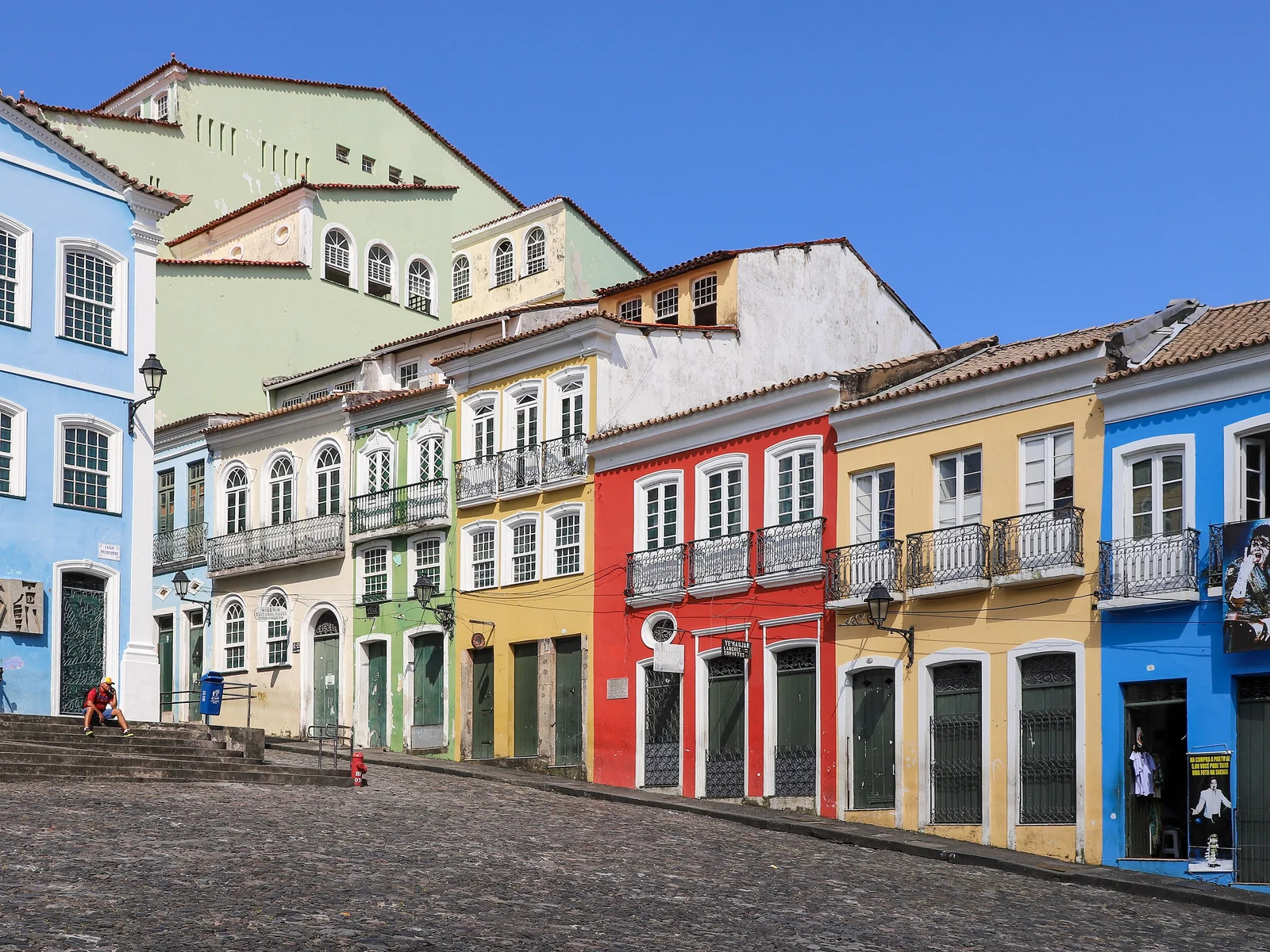
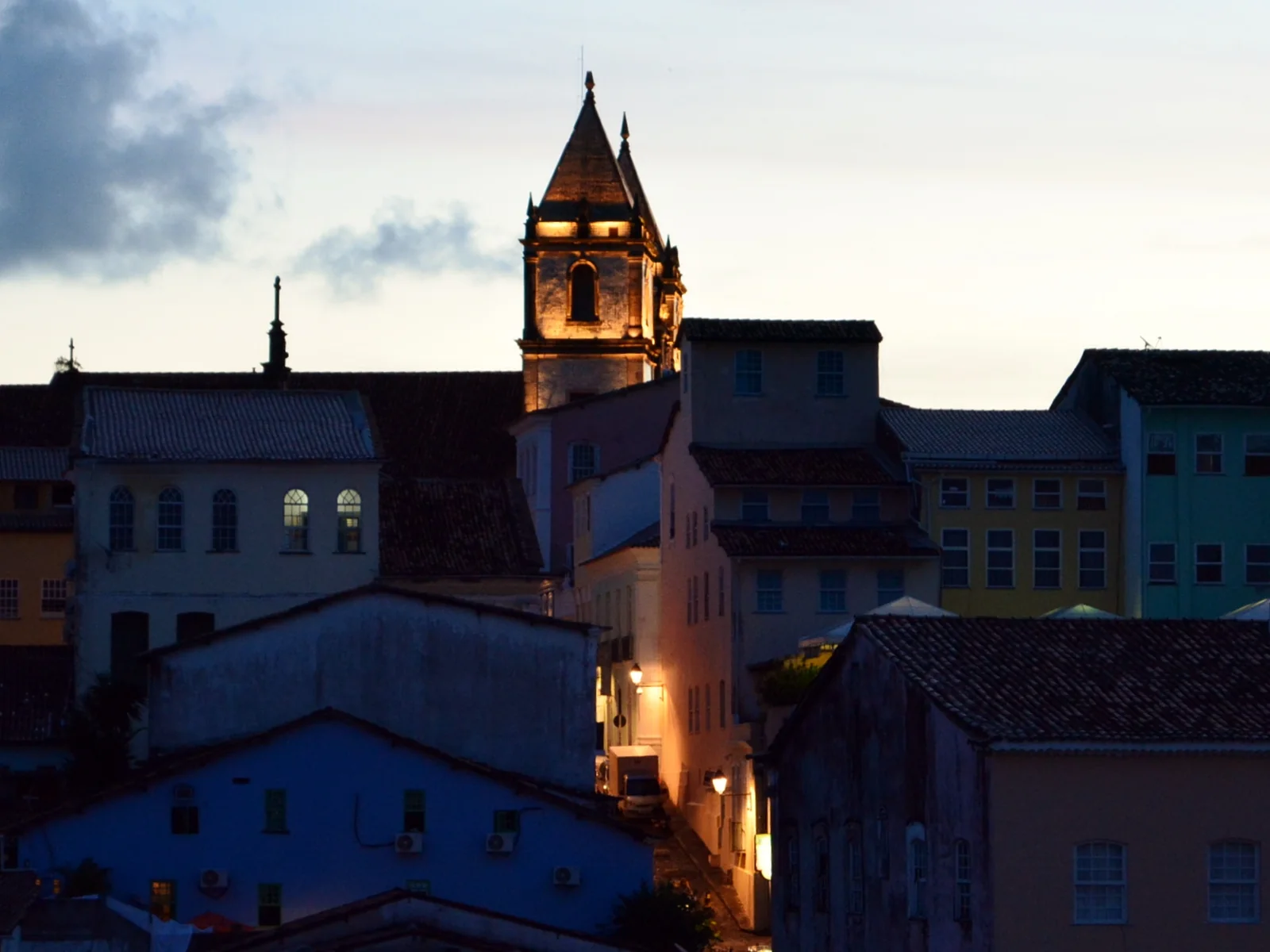
- Cidade Alta / Santo Antônio — the historic centre. Beautiful, atmospheric, walkable, culturally unbeatable, and the best value for the quality of building you get. Choose a calmer street a few minutes off the busiest squares.
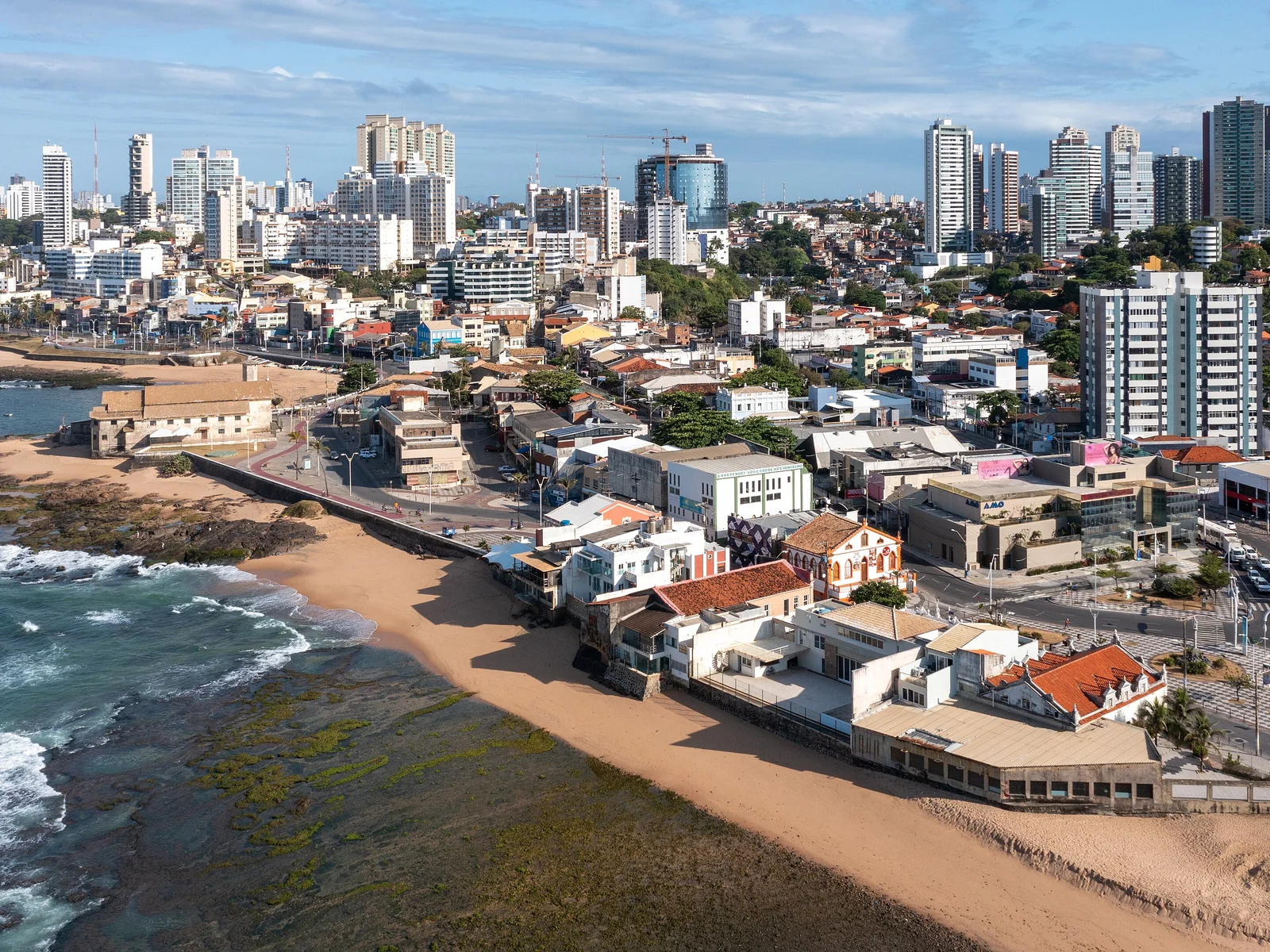
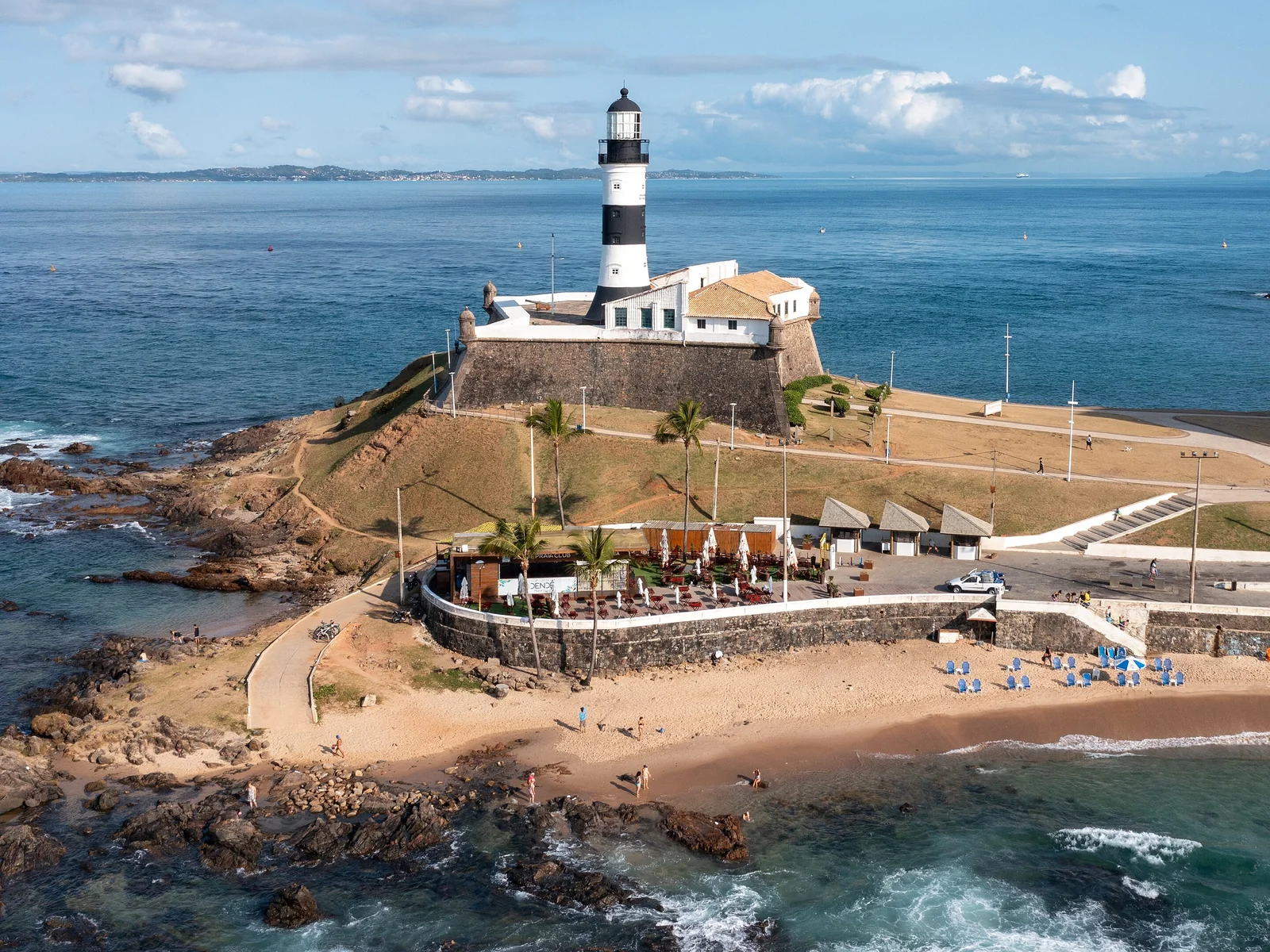
- Barra — beaches, the lighthouse, supermarkets, gyms and a promenade. Practical and easy, more modern, less characterful.
- Rio Vermelho — the bohemian district: bars, live music, restaurants, a young crowd. The best nightlife, the most noise.
- Corredor da Vitória / Graça — quiet, leafy, residential and upmarket. Comfortable and a little dull.
Our neighbourhood guide compares all of them in depth. Whichever you choose, book monthly rather than nightly — long-stay rates in Salvador are dramatically lower per night, and a serviced apartment with a real kitchen changes your cost base entirely once you're cooking rather than eating out twice a day.
Cost of living
Salvador is inexpensive by Northern-Hemisphere standards and cheap even by Brazilian ones. A comfortable, well-located one-bedroom on a monthly rate, plus groceries, transport, a gym, mobile data and eating out several times a week, lands far below what the same life costs in Lisbon, Mexico City or Medellín — and further below Rio. The prato feito lunch that fuels working Brazil costs a few euros; a beer costs less; a cross-town ride app costs less again. Your two variable levers are rent and restaurants: cook a few nights a week in an apartment with a proper kitchen and the monthly number drops sharply. Note that prices climb steeply around Carnival and New Year, when the city fills — plan long stays around those weeks, or book them very early.
Settling in: health, money and community
A few last practicalities. Private health insurance is a visa requirement and a good idea regardless; Salvador has excellent private hospitals. Bring a card with no foreign-transaction fee, use bank ATMs rather than street machines, and expect Pix — Brazil's instant payment system — to be the way everyone pays for everything; with a CPF and a local account you can use it too. Learn some Portuguese: it is the difference between visiting and living here, and our Portuguese phrases guide is a starting point. And for the social side, treat the city itself as the network — a capoeira academy, a Portuguese class, a regular bar in Rio Vermelho, the Tuesday-night music in the Pelourinho. Salvador is an easy place to meet people and a hard place to stay a stranger.
If you're testing the idea before committing to a year, the sensible move is a month in the historic centre — long enough to know whether the city fits your work and your temperament, short enough to be no risk. All four of our boutique suites have full kitchens, fast wifi and a proper place to work, and we take monthly bookings; get in touch and we'll quote you a long-stay rate.
Salvador, in images
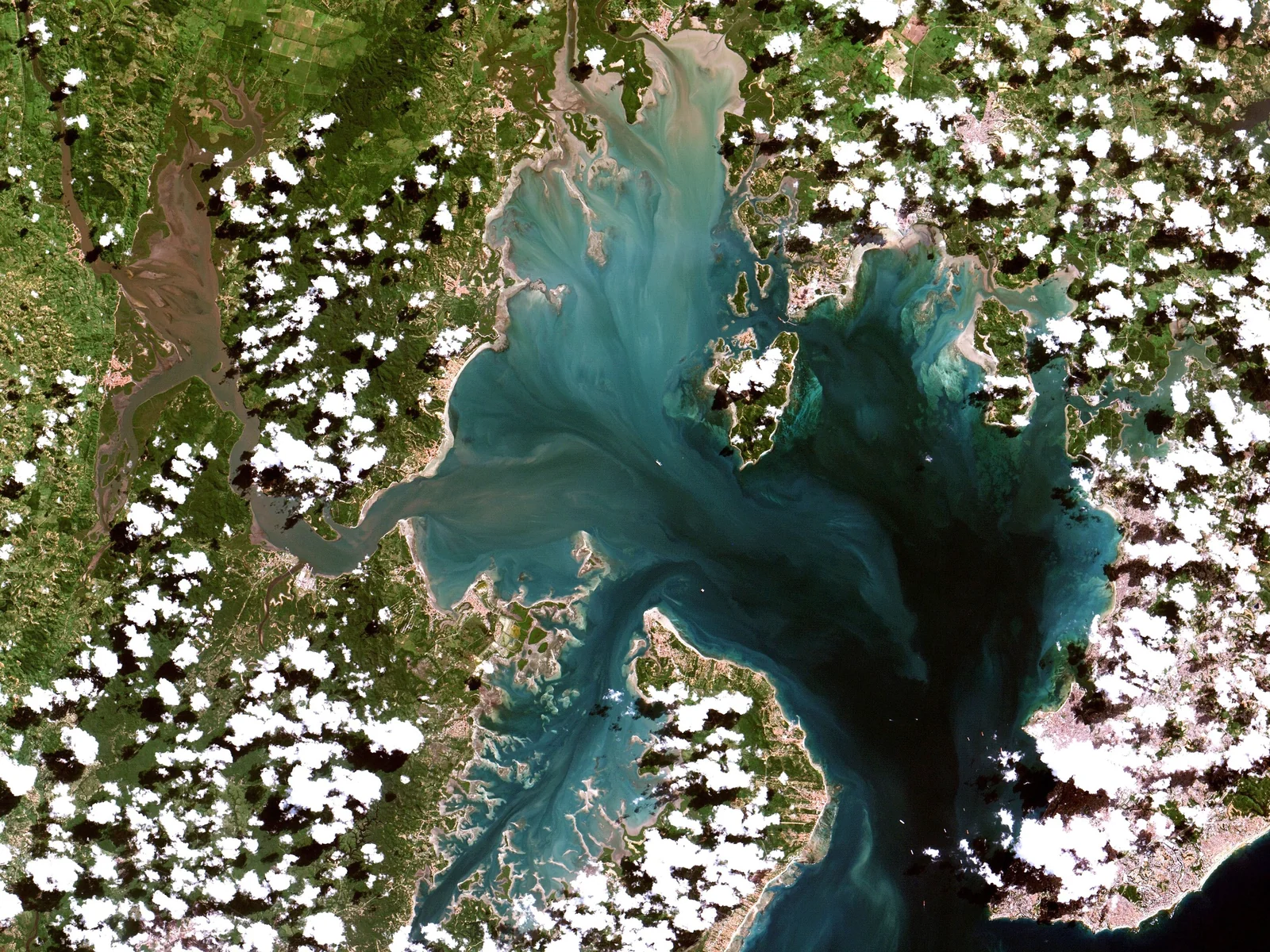
Photographs of the neighborhood, restaurant, and beach featured in this guide, with credit to each photographer.
Ready to discover Salvador?
Book one of the four Via Avantgarde suites in the Pelourinho — and receive the complete guides with recommendations for your stay.