Candomblé for Visitors how to attend a ceremony respectfully
Candomblé in Salvador, explained with respect: what a terreiro is, how visitors attend a ceremony — dress, photos, etiquette — and where the faith meets the street.
The essentials in 30 seconds
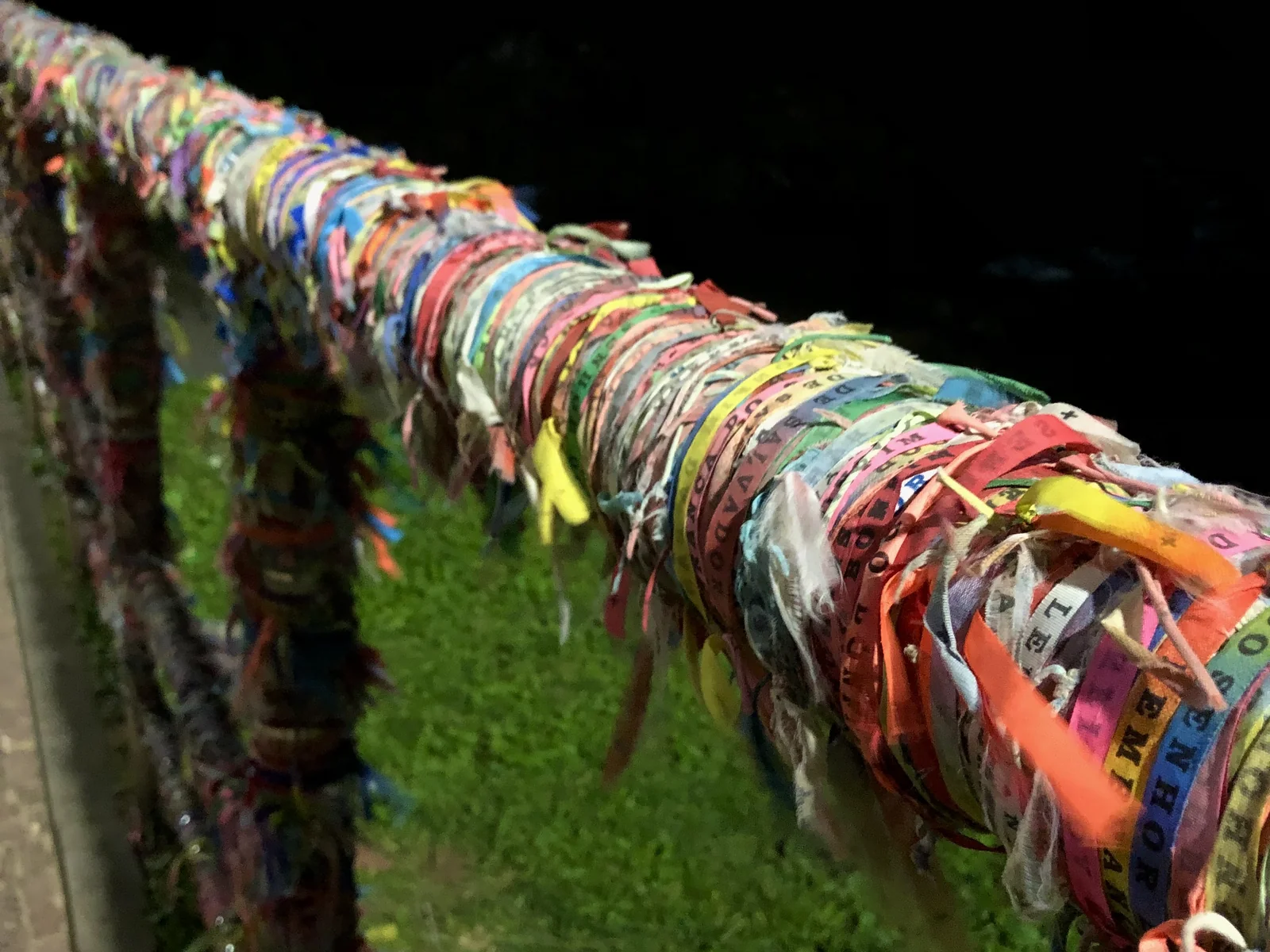
Candomblé is a religion — the Afro-Brazilian faith rebuilt in Bahia by enslaved West and Central Africans — and Salvador is its capital, with 1,165 mapped terreiros and the oldest documented one in Brazil, Casa Branca, heritage-listed since 1984. You can visit a Candomblé ceremony in Salvador as a guest: go with a local contact or a serious cultural guide, wear light or white clothing, arrive before it begins, keep your phone out of sight and never photograph anything unless you are explicitly invited to. Expect drums, song and several hours on a hard bench; leave a small contribution. And if a terreiro feels like too much, the religion also meets you in the open — the Festa de Iemanjá on 2 February, the baianas' trays, the ribbons at Bonfim.
What Candomblé actually is
Between the sixteenth and nineteenth centuries, the port below the Cidade Alta received more enslaved Africans than almost any other city in the Americas. People from the Yoruba cities of today's Nigeria and Benin, from the Fon and Ewe kingdoms of Dahomey and from Bantu Central Africa arrived stripped of everything they could carry — and rebuilt, from memory, what they could not: cosmology, priesthoods, drum liturgies, sacred cooking. Candomblé is that reconstruction. It organized itself into nações — Ketu (Yoruba), Jeje (Fon and Ewe), Angola (Bantu) — gathered around houses called terreiros. It is not folklore and it is not a loose bundle of superstitions; it is a structured religion with initiation, hierarchy, obligation and theology, transmitted orally from priest to initiate for three centuries.
At its centre are the orixás: forces of nature that are also archetypes of human character. Iemanjá is the sea and motherhood; Xangô is thunder and justice; Oxum is fresh water and beauty; Ogum is iron and the road; Iansã is the storm; Oxalá, the eldest, is creation itself, dressed in white. Everyone is held to be the child of a particular orixá — and in ceremony, after hours of drumming and song in Yoruba, initiates receive their orixá in trance. That moment, the centre of the liturgy, is precisely what it looks like: worship, not performance. In a city where 83 per cent of residents declared themselves Black or mixed-race in the 2022 census, none of this is a minority curiosity. The religion's calendar, food and vocabulary run through everyday Salvador, a story our Afro-Brazilian history guide tells at full length.
The terreiro — and the oldest one in Brazil
A terreiro is usually translated as "temple", which undersells it. It is a walled compound holding a public ceremonial hall (the barracão), shrines, sacred trees and a working kitchen — and, more importantly, a community organized as a family, with godparents, obligations and rank. Most of the great houses of Salvador are led by women: the ialorixás, or mães de santo, who hold final authority over everything inside the gate.
The house that anchors them all is Casa Branca do Engenho Velho — Ilê Axé Iyá Nassô Oká — founded by three African women, Iyá Nassô, Iyá Detá and Iyá Kalá, near the Barroquinha church in the historic centre and settled on Avenida Vasco da Gama around 1830. It is the oldest documented terreiro in Brazil, and in 1984 it became the first monument of Black culture ever listed as national heritage by IPHAN, Brazil's heritage institute. Two of its descendants are institutions in their own right: the Gantois (founded 1849, home of the celebrated Mãe Menininha) and Ilê Axé Opô Afonjá (founded 1910 by Mãe Aninha, heritage-listed in 2000, with a school and a museum inside the compound). Around them, the city mapping project registered 1,165 terreiros — most of them small houses in working-class neighbourhoods.
Saints as masks — why Candomblé looks Catholic at the edges
Under slavery, African worship was forbidden. The response was camouflage: each orixá was paired with a Catholic saint and honoured, in public, through the saint's image. Oxalá stood behind Senhor do Bonfim, Iansã behind Santa Bárbara, Iemanjá behind Our Lady. The mask worked — the religion survived — and over three centuries mask and face grew into each other until Salvador now wears both at once.
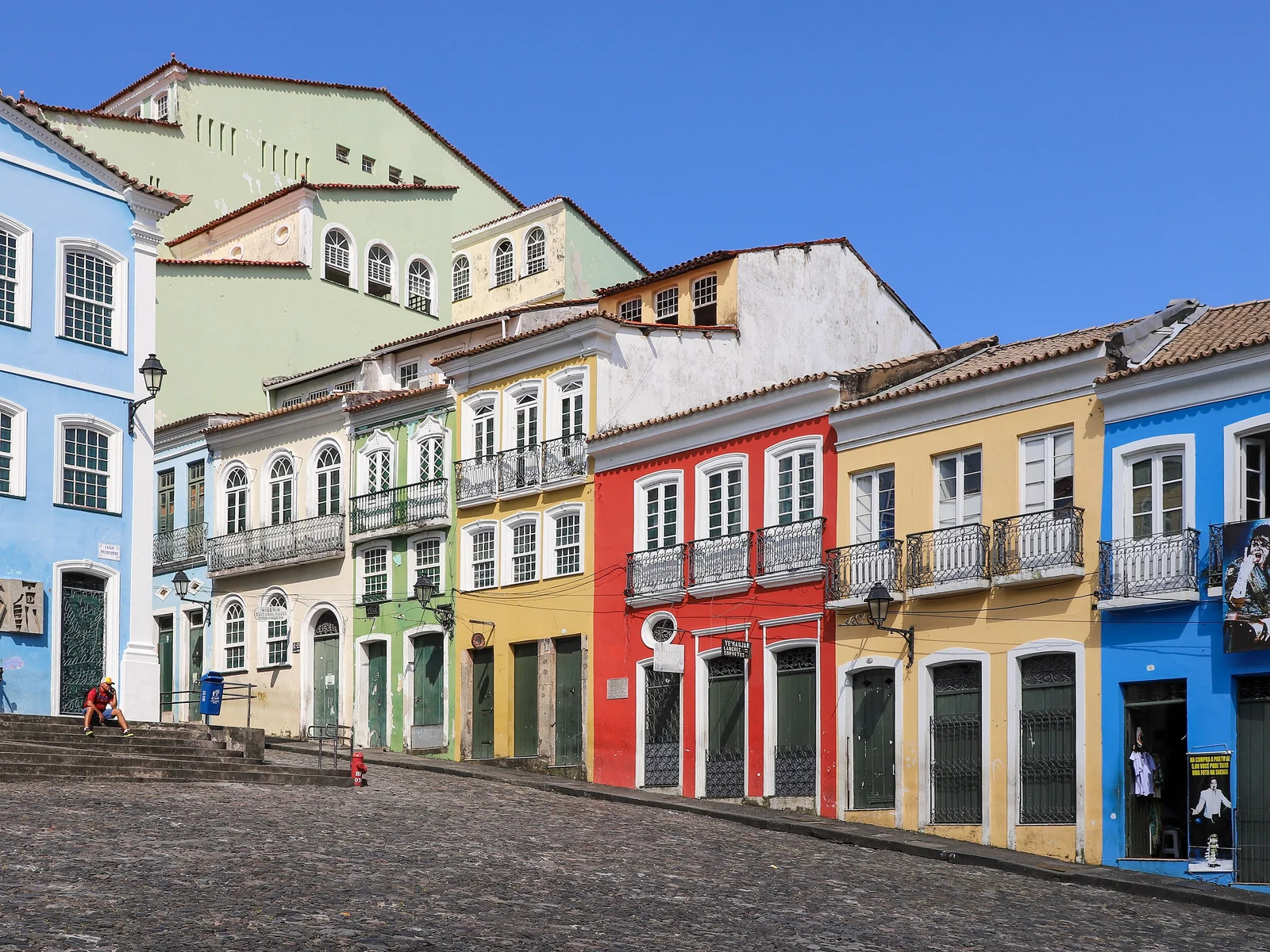
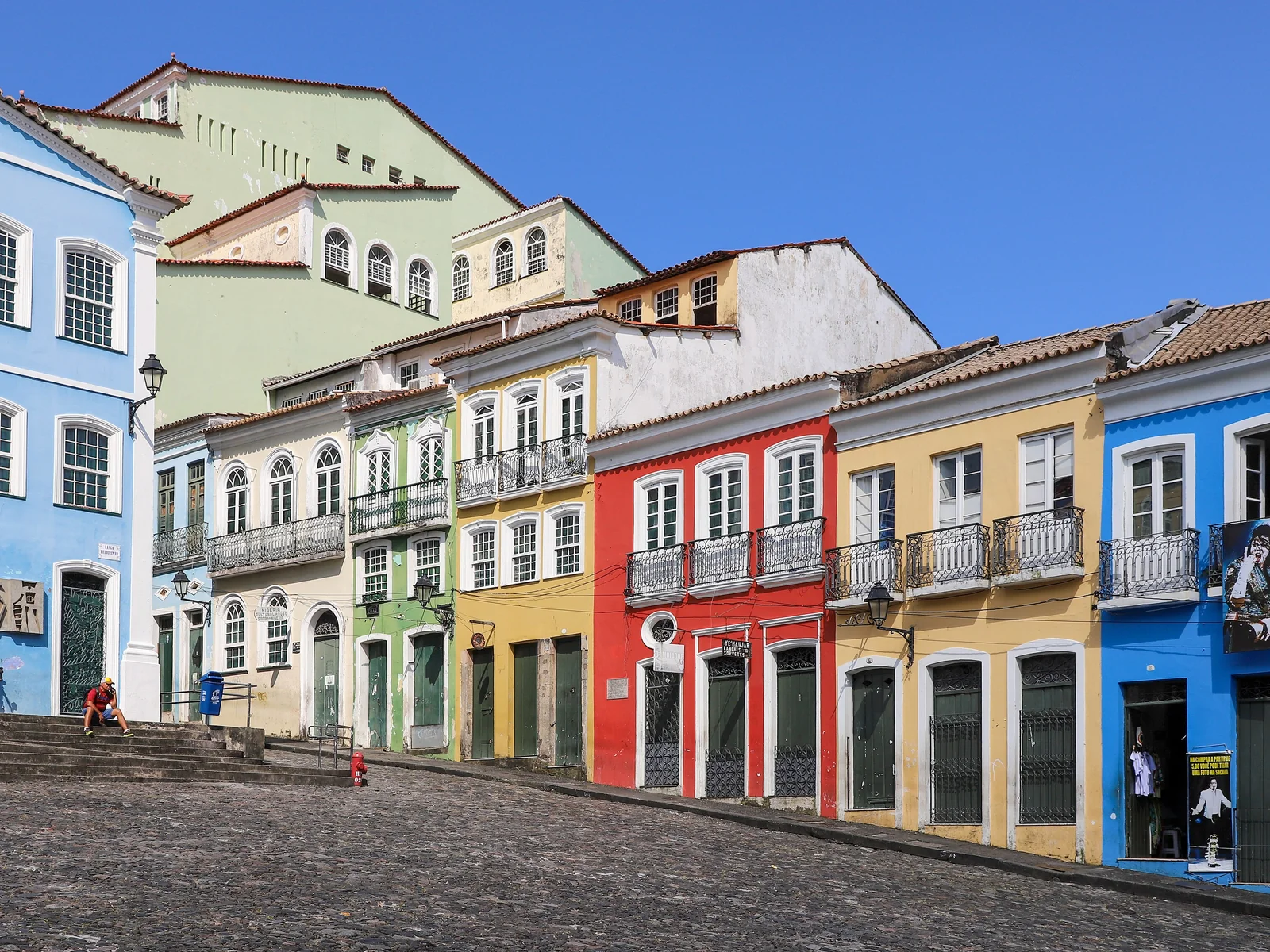
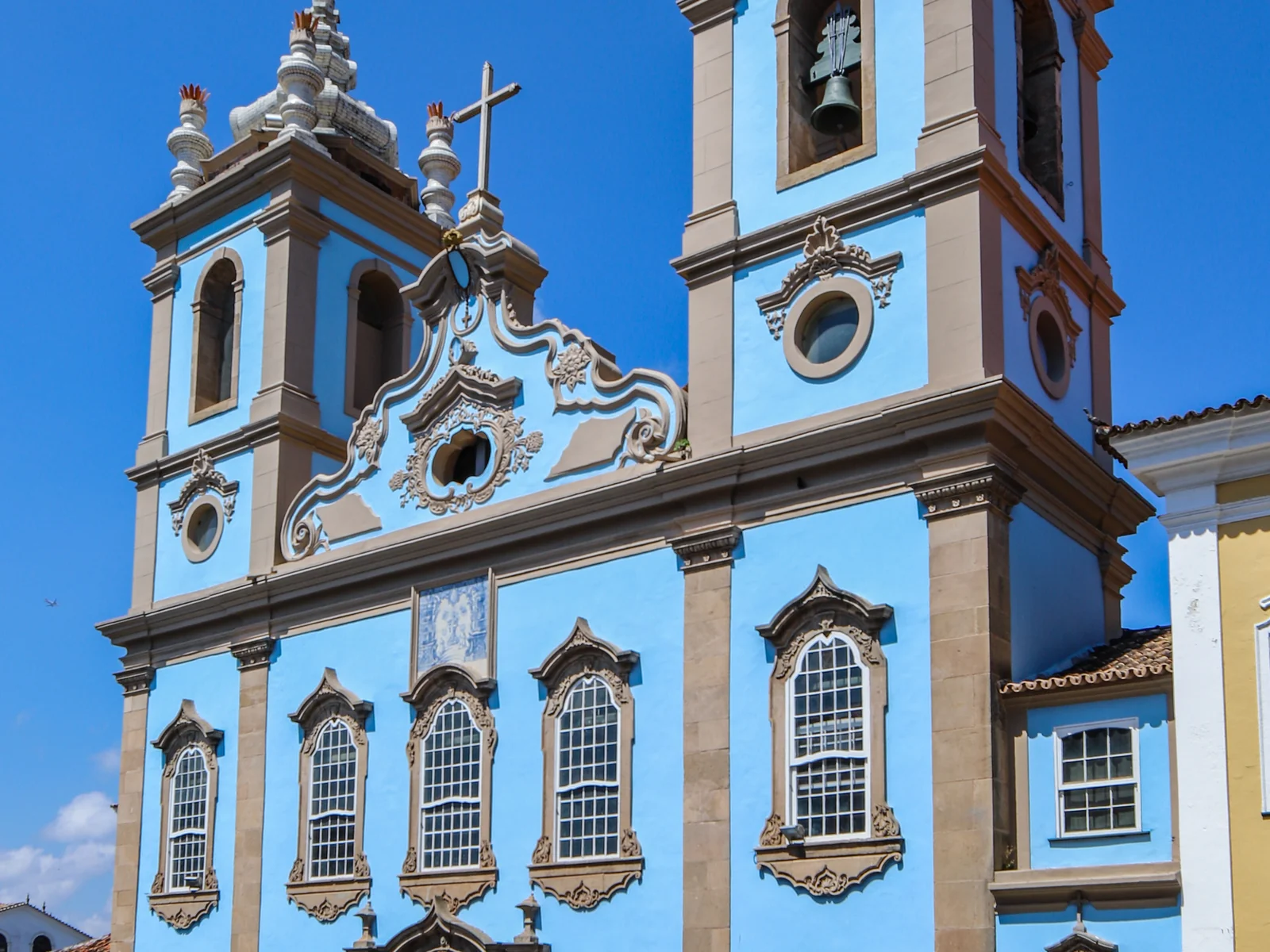
You can watch this double life run on rails through the festival year. On 4 December the Festa de Santa Bárbara fills the Pelourinho with red, the colour shared by the saint and by Iansã — a devotion documented in Salvador since 1641. In mid-January (15 January in 2026), the Lavagem do Bonfim sends 130 white-dressed baianas on an eight-kilometre walk from the Conceição da Praia church to the Bonfim hill, where they wash the church steps with scented water: a Catholic basilica cleansed in a rite everyone present understands as also belonging to Oxalá. The full cycle is in our Bahia festival calendar, and the churches themselves in our guide to Salvador's churches.
One thing the masking never was: an admission that Candomblé is a subset of Catholicism. In 1983, Mãe Stella de Oxóssi of Opô Afonjá and four other senior mães de santo — Menininha do Gantois and Tetê da Casa Branca among them — declared publicly that Candomblé is a religion in its own right and that the syncretism born of necessity had served its time. Take them at their word.
How to visit a Candomblé ceremony in Salvador
Terreiros hold public festas — feast nights for particular orixás, with drumming, song and the community dancing in the barracão — and guests are welcome at the house's discretion. They do not happen nightly and they are not on demand: each house follows its own liturgical calendar, and there may be nothing public during your week. The honest route in is through somebody the house knows — your host, a Bahian friend, or a cultural guide who works with one specific terreiro, briefs you beforehand and stays with you. What you want to avoid is the bus-tour "folklore night": those are staged shows, fine as shows, but they are not this.
Once you are invited, the rules are simple and non-negotiable:
- Dress — light or white clothing, covering: trousers for men, below the knee for women. No shorts, no beachwear, and avoid black. Women may be asked to wear a skirt; many houses keep a wrap to lend.
- Timing — arrive before the drums begin and stay put. Walking in mid-ceremony, or crossing the centre of the barracão at any point, is genuinely disruptive.
- Phones — silent and out of sight for the duration. No photography and no video, ever, unless someone with authority in the house explicitly invites it.
- Seating — sit where you are shown; men and women are often seated on opposite sides.
- Money — there is no ticket. A discreet cash contribution left with the house on your way out is the right instinct.
- Food — if you are offered food from the terreiro's kitchen at the end, accept it. Being fed is inclusion.
What not to do
Do not treat a festa as a show: nobody there is performing for you, and applause is not the register. Do not arrive halfway through, and do not walk out conspicuously in the middle of a trance. Never film, never live-stream, never "just one quick photo". Do not ask a house to schedule a trance or sell you a love ritual; treating priests as fortune-tellers is exactly the exoticism this page exists to prevent. And do not haggle over the contribution.
Where you'll meet Candomblé in the open
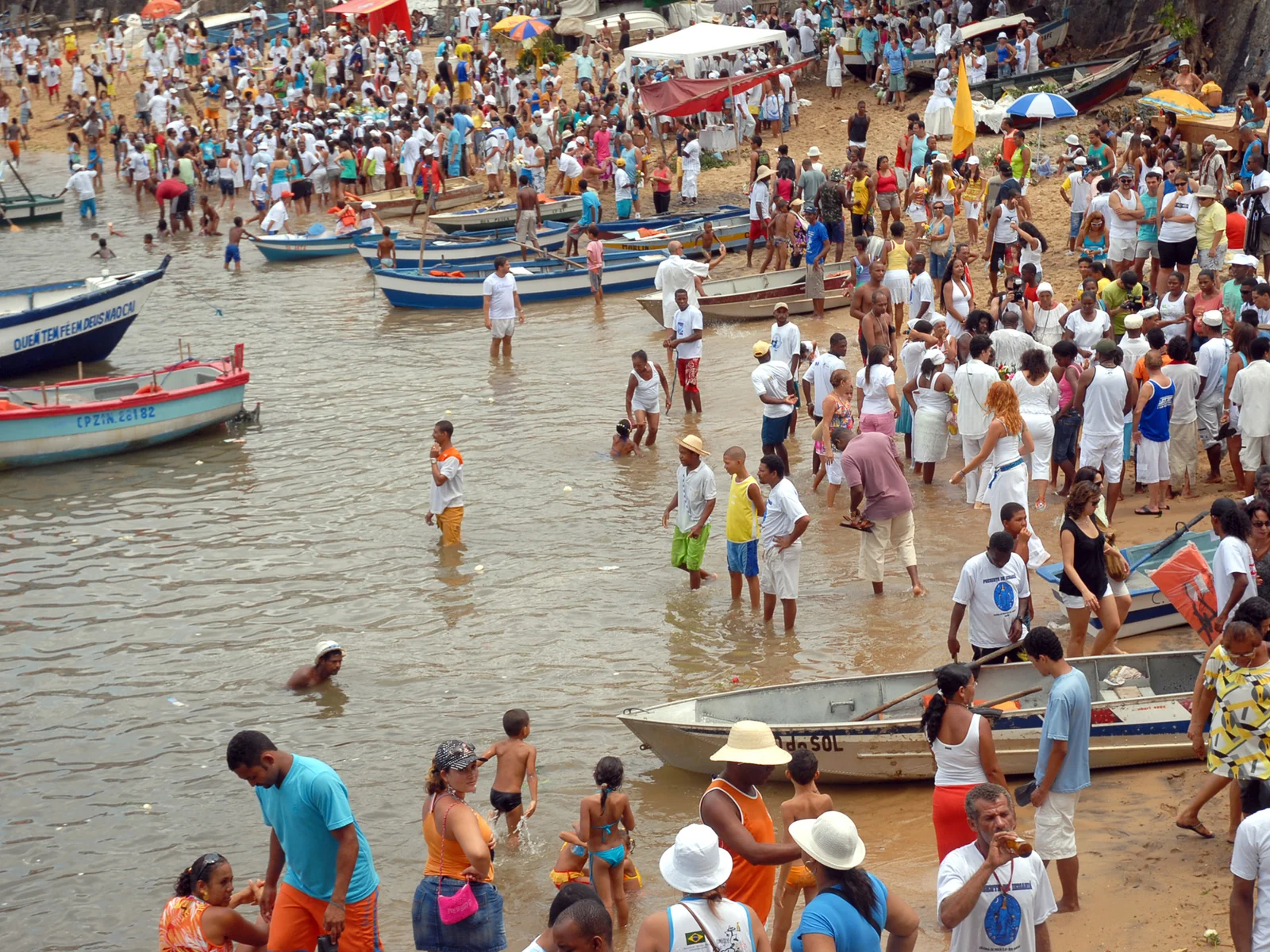
The city's largest public Candomblé celebration needs no invitation at all. On 2 February, the Festa de Iemanjá takes over Rio Vermelho: a tradition begun by the neighbourhood's fishermen in the 1920s that marked its 104th year in 2026. From about 5 a.m., queues file past the fishermen's colony beside the Casa de Iemanjá to leave flowers, perfume and written wishes in vast baskets, and in the afternoon boats carry the main gift out to sea. We cover it, and Iemanjá's other big night on New Year's Eve, in our Réveillon and Iemanjá guide, and the neighbourhood itself in the Rio Vermelho guide.
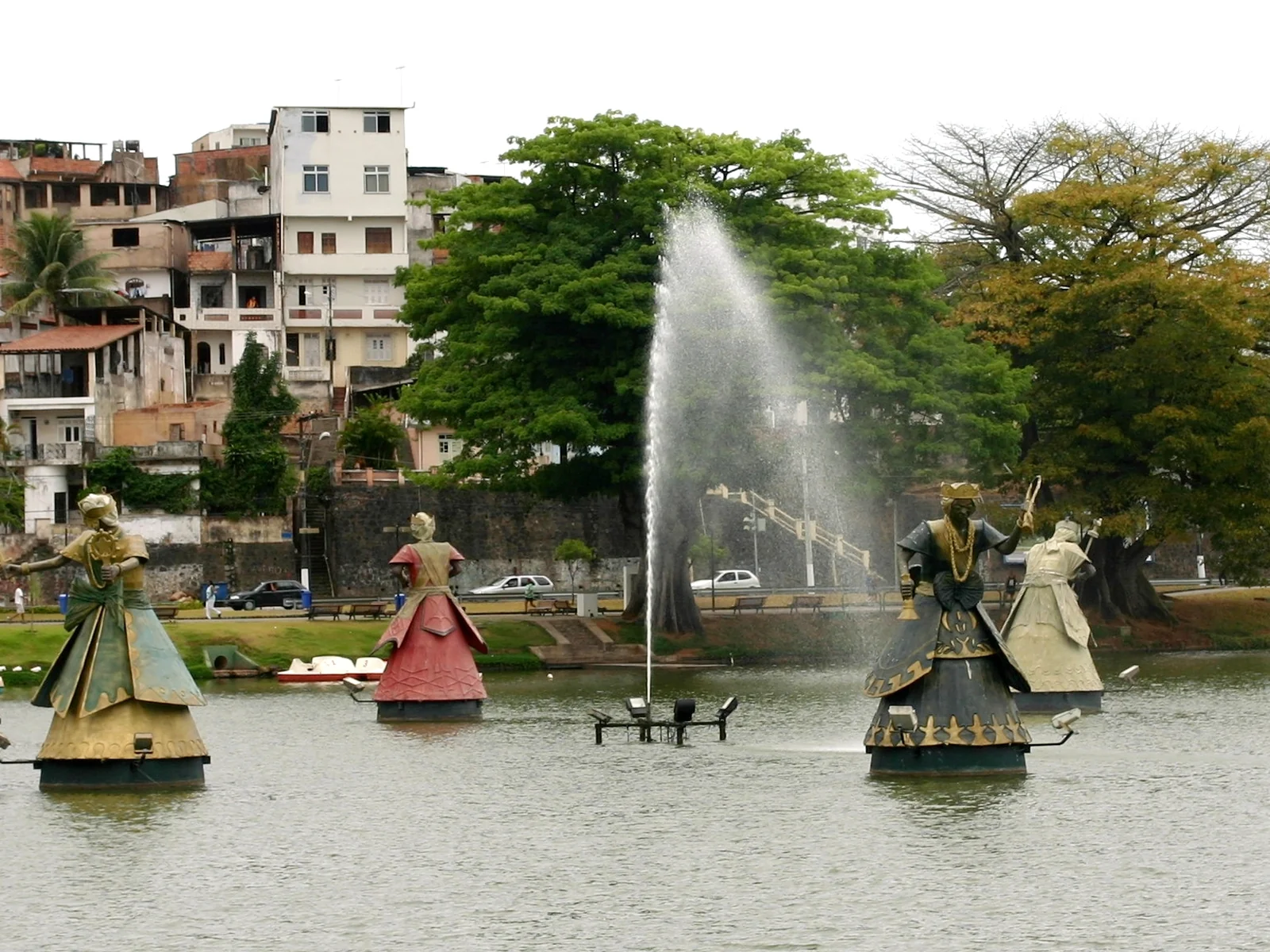
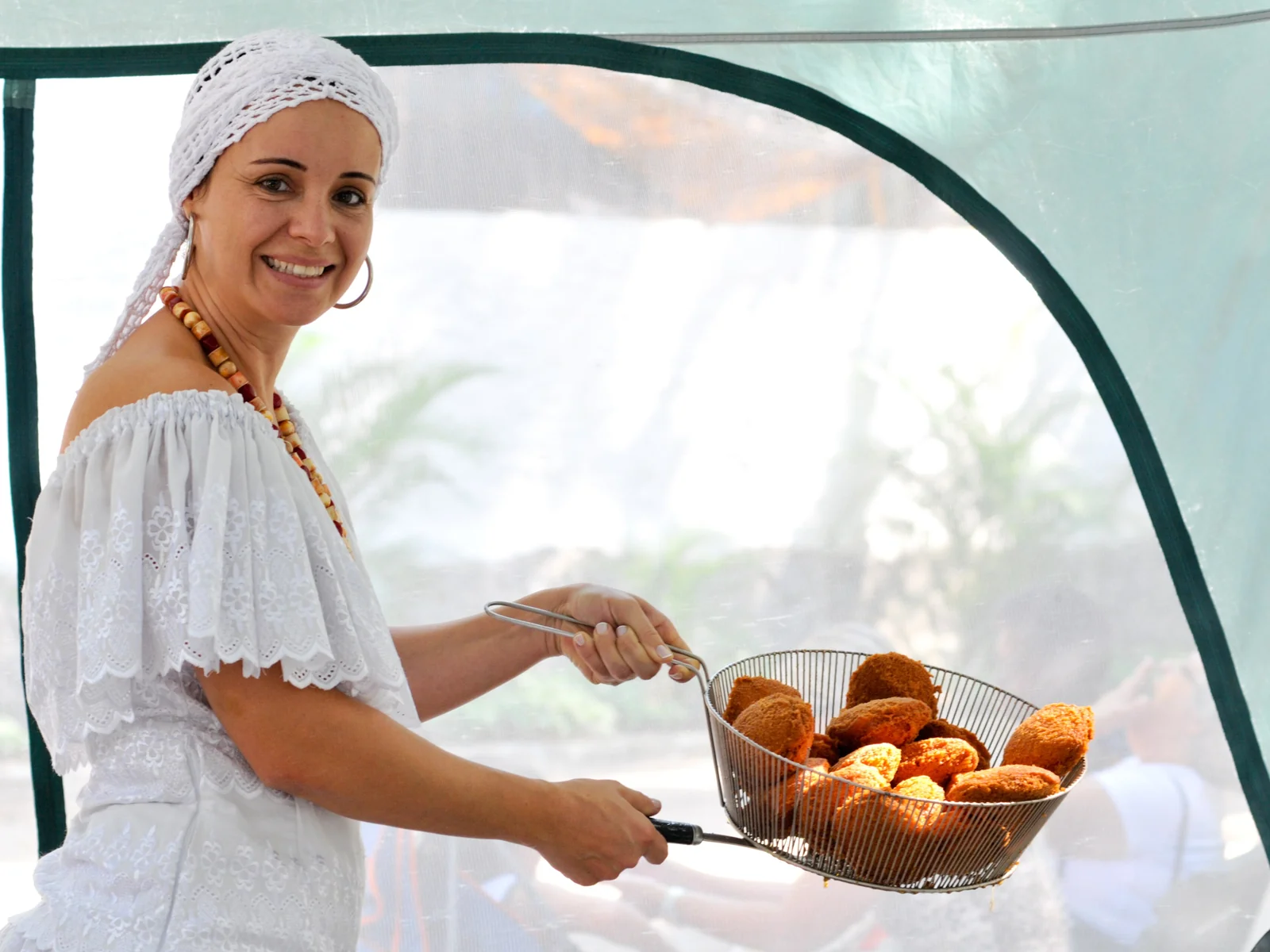
The rest of the year, the religion is hiding in plain sight. The baiana selling acarajé on the square is wearing ritual dress, and her fritter is votive food — acarajé belongs to Iansã, and the trade of the baianas was registered as Brazil's intangible heritage by IPHAN in 2004; our Bahian food guide explains what to order and why it matters. On the Dique do Tororó lake, eight orixás by the sculptor Tatti Moreno have stood in a ring on the water since 1998, arranged like a dancing roda. And at MAFRO, the Afro-Brazilian museum on the Terreiro de Jesus, Carybé's Mural dos Orixás — 27 carved cedar panels, each three metres tall, finished in 1968 — is the single best primer on who the orixás are, ten minutes' walk from our door.
The "is it safe, is it witchcraft" question, answered plainly
The prejudice against Candomblé was written into law under slavery and kept alive afterwards by press and pulpit; Brazilian Portuguese still uses macumba as a slur for it. Until 15 January 1976, a terreiro in Bahia needed a police permit for every ceremony — issued by the gambling-and-morals division. A religion was filed under vice within living memory. That is the soil the "witchcraft" whisper grows from, and it deserves to be called what it is: religious racism, not travel advice.
The plain answer, then. A festa is drumming, singing, dance and shared food, held by a congregation in its own sanctuary — there is nothing in it that threatens a guest, and to be invited is to be brought inside the most protected space these communities own. Like most religions, Candomblé has private rites that are none of a visitor's business; what it shows the public is worship. Its theology centres on axé — life force — on reciprocity and on ancestry: closer to sacrament and feast than to any horror script. In today's Brazil, the intolerance runs the other way: it is terreiros, not tourists, that face attacks. A Candomblé visit in Salvador asks of you exactly what a mosque or a mass asks — modest dress, silence, courtesy — and gives back more than most monuments will.
Candomblé is not a side trip from Salvador; it is the city's inner life, and the Cidade Alta is the easiest place to meet it on foot — the Tuesday mass at the Rosário dos Pretos, the baianas on the squares, Carybé's orixás across the Terreiro de Jesus. Our boutique suites sit two streets from all of it: base yourself there, ask us for a trusted guide, and let the drums set the calendar.
Salvador, in images
Photographs of the neighborhood, restaurant, and beach featured in this guide, with credit to each photographer.
Ready to discover Salvador?
Book one of the four Via Avantgarde suites in the Pelourinho — and receive the complete guides with recommendations for your stay.