Salvador Walking Tour a self-guided route through the old town
A self-guided Salvador walking tour through the Cidade Alta: 2.5 km from the Elevador Lacerda to Santo Antônio, with walking times, 2026 opening hours, entry prices and lunch stops.
The essentials in 30 seconds
This Salvador walking tour follows the ridge of the Cidade Alta from the top of the Elevador Lacerda to the Largo de Santo Antônio Além do Carmo: about 2.5 km and ten stops, roughly 35 to 40 minutes of actual walking, with one short drop down the Largo do Pelourinho and one short climb up the Passo steps. The two-hour version turns back at the Igreja do Passo; the full day adds lunch, a few interiors and a sunset over the bay from Santo Antônio. Walk it Tuesday to Friday, start by 9:00 and carry small notes: most churches on the route charge R$ 10 (about US$ 2), and several museums are free.
This page is the route itself: order, distances, minutes, what is open and what it costs in 2026. The stories behind the big monuments are in our Pelourinho guide, churches guide and museums guide, and every stop is on our map of Salvador.
The route at a glance
| Stop | From the previous stop | Walking time | Time to spend |
|---|---|---|---|
| 1. Praça Tomé de Sousa, top of the lift | Start | - | 10 min |
| 2. Praça da Sé and the Cruz Caída | about 220 m | 3 min | 15 min |
| 3. Terreiro de Jesus | about 300 m | 4 to 5 min | 45 to 90 min |
| 4. Cruzeiro de São Francisco | about 190 m | 3 min | 10 min |
| 5. Largo do Pelourinho, top to bottom | about 340 m, then 75 m down the slope | 6 min, downhill | 45 to 90 min |
| 6. Igreja do Passo and its stairway | about 180 m | 3 min, uphill | 15 min |
| 7. Largo do Carmo | about 115 m | 2 to 3 min, steep | 10 min |
| 8. Cruz do Pascoal | about 215 m | 3 min | 10 min |
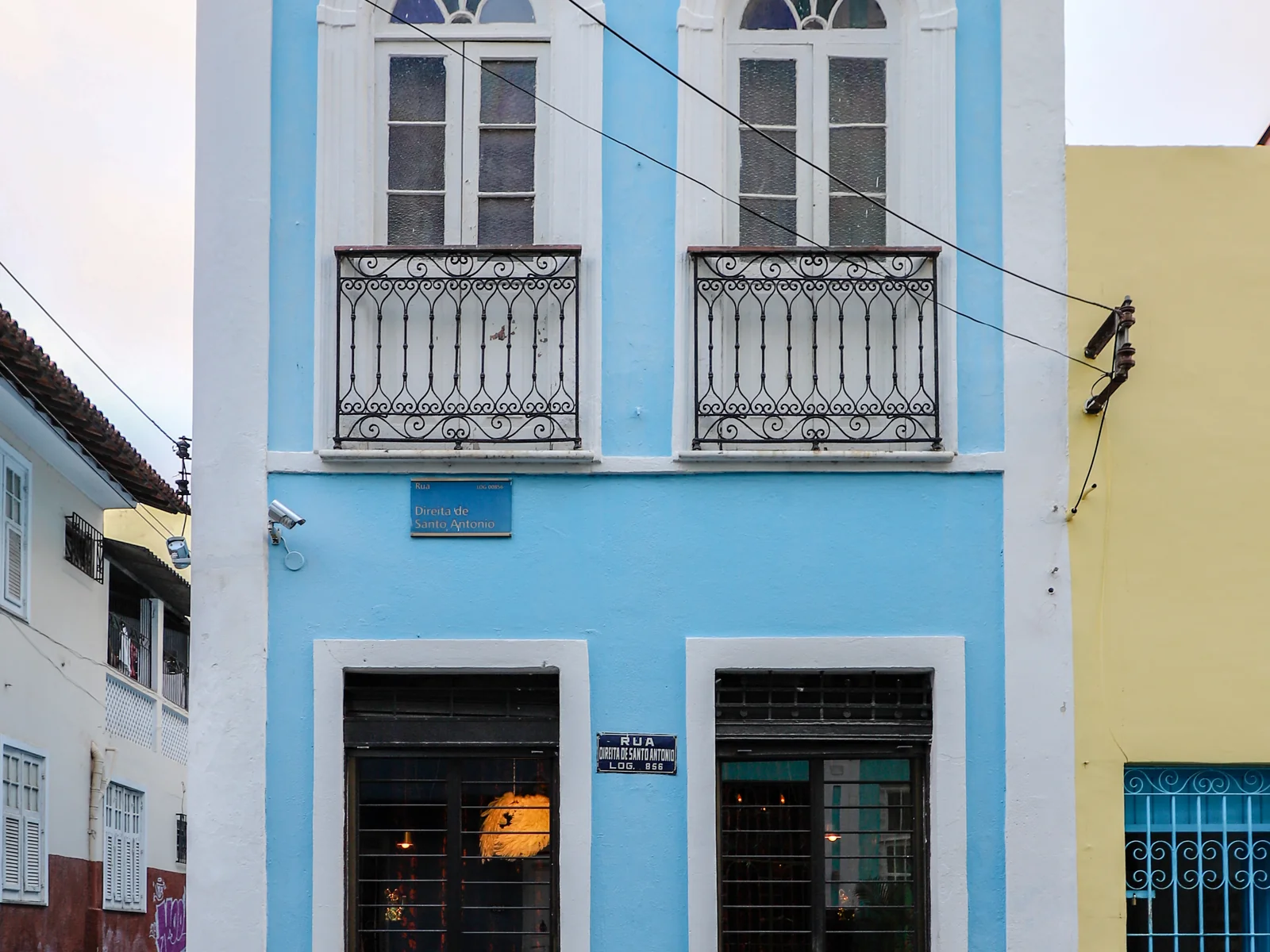
| 9. Rua Direita de Santo Antônio | about 640 m | 9 min | 10 min, or a drink |
| 10. Largo de Santo Antônio and the fort | about 230 m | 3 min | 30 min, or the evening |
Distances come from walking routes on OpenStreetMap at a steady, flat pace; on cobbles and slopes add a minute or two per leg.
Before you set off
Days. Tuesday to Friday works best: the Terreiro's university museums and the Igreja do Passo open on weekdays only, and the Rosário dos Pretos and the Casa de Jorge Amado list no Sunday hours. On Mondays the Casa do Carnaval, the Museu do Mar and the Museu Tempostal are shut. Wednesday is the cheapest day: the Casa de Jorge Amado, the Casa do Carnaval and the Museu do Mar all waive entry.
Time of day. The sun stands highest around 11:30 all year, and the open squares give little shelter from it. Start between 8:30 and 9:00, be indoors for lunch from 11:30, and save the ridge walk to Santo Antônio for the late afternoon. Sunset comes between about 17:15 in June and 18:10 in late January.
Weather. Daily highs average about 31 °C from January to March and 27 °C in July (national weather service normals, 1991-2020). April to June are the wettest months, with roughly 240 to 300 mm of rain each; showers pass, but wet cobbles are slippery.
The hills. Most of the route runs along the top of the escarpment, around 60 to 70 metres above the bay. The two real slopes are the Largo do Pelourinho, which drops roughly 20 metres to the Rosário, and the climb back to the Carmo, about 10 metres by the Passo stairway or the Ladeira do Carmo. After that, Rua Direita is nearly level. If stairs are a problem, read our accessible Salvador guide first.
Stop 1: Praça Tomé de Sousa
Start at the upper door of the Elevador Lacerda, on the square where Salvador was founded in 1549; our Elevador Lacerda guide covers the lift itself. Use the parapet to get your bearings: the bay in front, the Comércio below, and the old town running north along the ridge to your right. Then head north along Rua da Misericórdia; the Praça da Sé is three minutes away.
Stop 2: Praça da Sé and the Cruz Caída
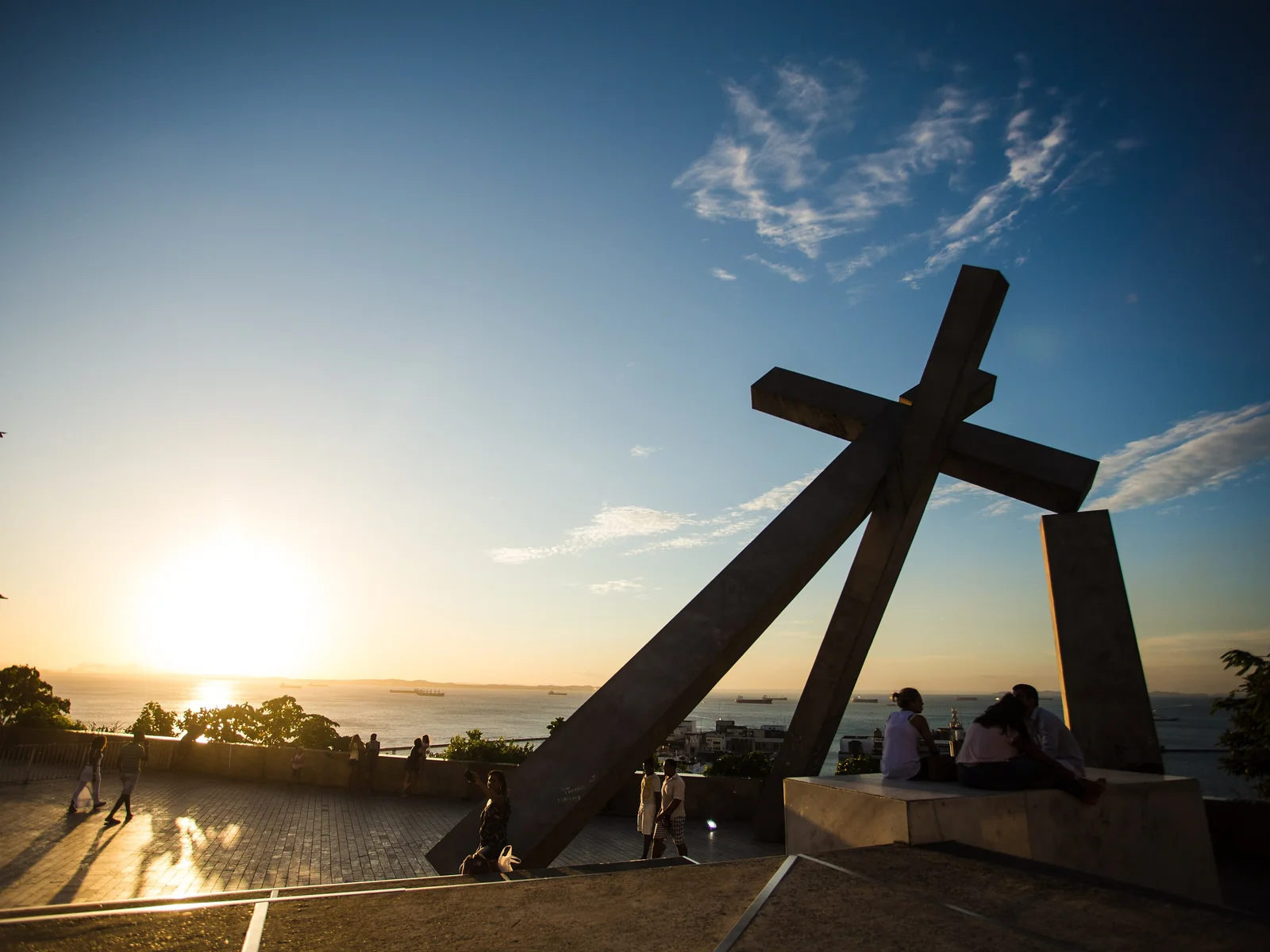
The open space at the edge of the square was the site of Salvador's old cathedral, the Sé, demolished in 1933 to make way for tram lines. The square was rebuilt between 1998 and 2002 with a belvedere over the lower city. The tall broken cross is the Cruz Caída, a stainless steel sculpture of about 12 metres by the Bahian artist Mário Cravo Júnior, unveiled in 1999 in memory of the lost church, and the view of the bay beside it is one of the best free ones in the city.
Next to the cross, the Memorial das Baianas de Acarajé, opened in June 2009, tells the story of the women who sell acarajé, in about twenty minutes for R$ 5. For coffee, the Little England Café is at Praça da Sé 20.
Stop 3: Terreiro de Jesus
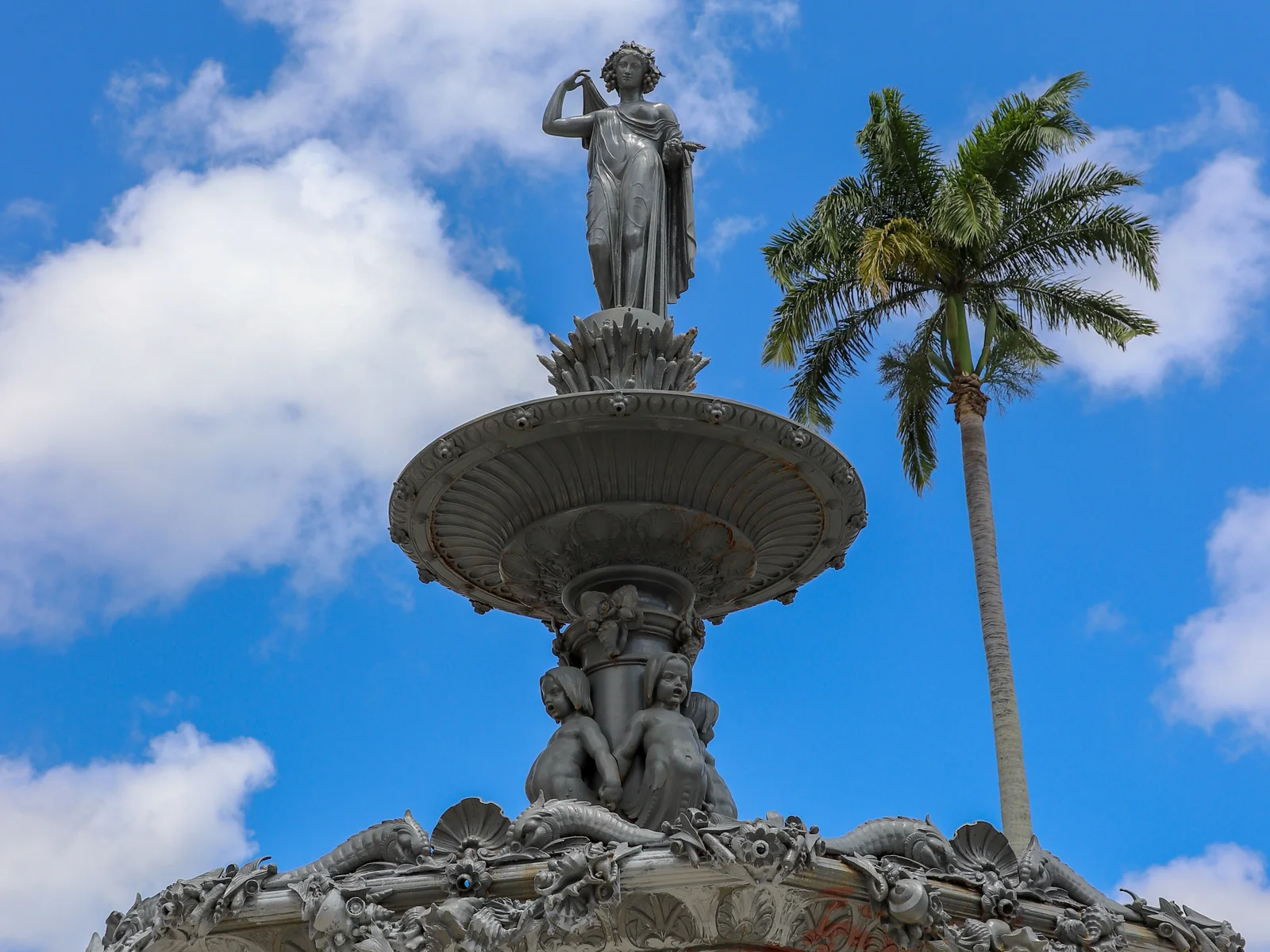
Four or five minutes on, the street opens into the Terreiro de Jesus, officially Praça 15 de Novembro, named for the Jesuits who ran their college here. In 1948 Roberto Burle Marx relaid it with black-and-white Portuguese stone and kept the old fountain.
Catedral Basílica. The former Jesuit church on the west side is the fourth on this spot, begun in 1657 and consecrated in 1672, with towers finished in 1694 and facade statues set in 1746. It reopened on 14 September 2018 after a restoration of nearly four years. Our churches guide explains the sacristy, the room to see.
The old medical school. In 1808 the Jesuit college became Brazil's first medical school, rebuilt in the eclectic style after a fire in 1905. It now holds three federal university museums, all weekdays only: MAFRO, the Afro-Brazilian museum; the Memorial da Medicina Brasileira; and the Museu de Arqueologia e Etnologia (R$ 10).
Also here. São Pedro dos Clérigos and the Ordem Terceira de São Domingos (R$ 5 each) are quick, quiet visits, and the Casa do Carnaval, one block behind the cathedral, needs about an hour.
Stop 4: Cruzeiro de São Francisco
Three minutes from the far corner of the Terreiro is the small square with the stone cross. The gilded Igreja e Convento de São Francisco at its end has been closed since part of its ceiling collapsed on 5 February 2025, with reopening forecast for 2029. Next door, the Igreja da Ordem Terceira de São Francisco has a carved Plateresque facade unique in Brazil and the only Portuguese tile panels showing Lisbon before the 1755 earthquake. The city's heritage portal lists daily visits for R$ 10, but a travel guide updated in July 2026 found it closed for restoration too, so treat the interior as a bonus if the door is open. Cuco Bistrô, at number 6, has a terrace for a cold drink.
Leave by Rua Gregório de Matos, which runs downhill from the cross straight to the Largo do Pelourinho. On the way, the free Museu Tempostal keeps old postcards and photographs of Bahia; the Solar Ferrão further down was closed for renovation in 2026.
Stop 5: Largo do Pelourinho
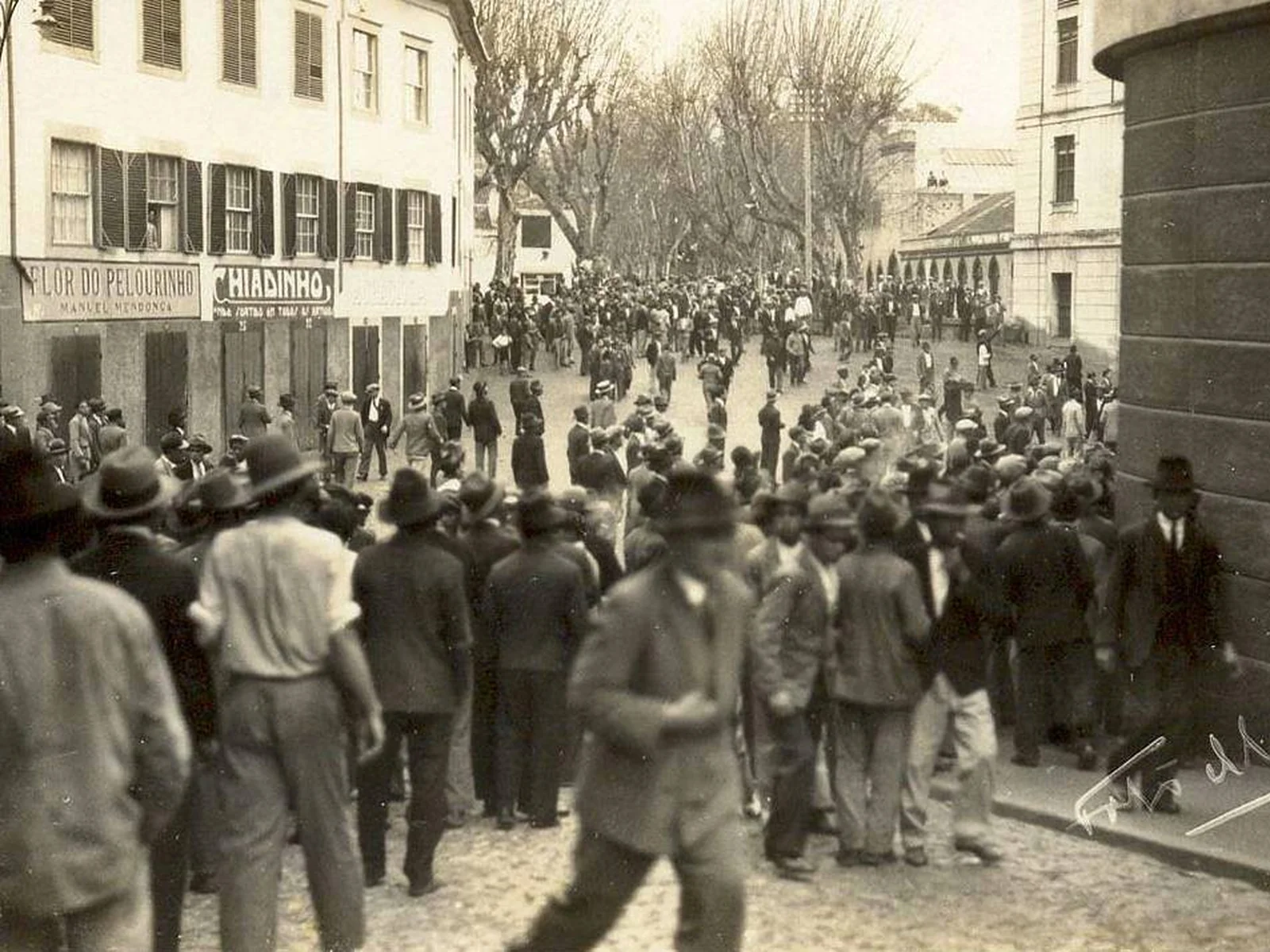
You come out at the top of the sloping square on every postcard. The blue house at the top is the Fundação Casa de Jorge Amado, created in 1987 and reopened in December 2024 across three townhouses, numbers 47, 49 and 51. New rooms honour Zélia Gattai, Myriam Fraga and the illustrators of Amado's books, and the ground floor has a permanent exhibition on Exu, the orixá who guards the house.
On the left side of the square as you face it, at number 13, the Senac hospitality school runs the free Museu da Gastronomia Baiana, with a room of 18th- and 19th-century arms and Brazil's historical flags, and the teaching restaurant that is lunch on this route.
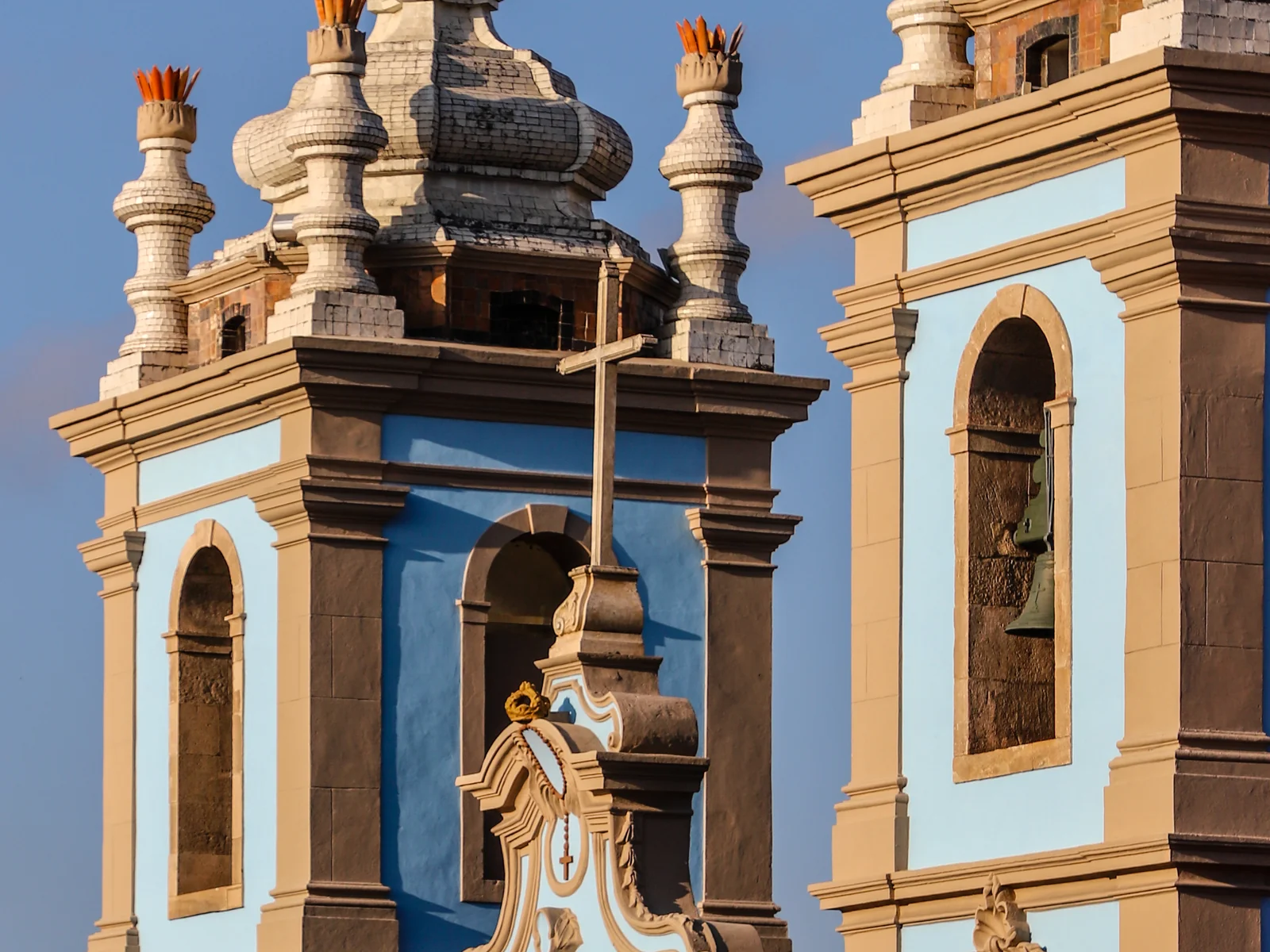
At the bottom stands the blue Igreja de Nossa Senhora do Rosário dos Pretos. Its brotherhood of Black men was founded in 1685, and building began in 1704, carried out by its members, enslaved people among them. Visits pause for lunch around midday. On Tuesdays its 18:00 mass opens the evening of free music across the old town that our Pelourinho guide describes.
Stop 6: The Passo stairway
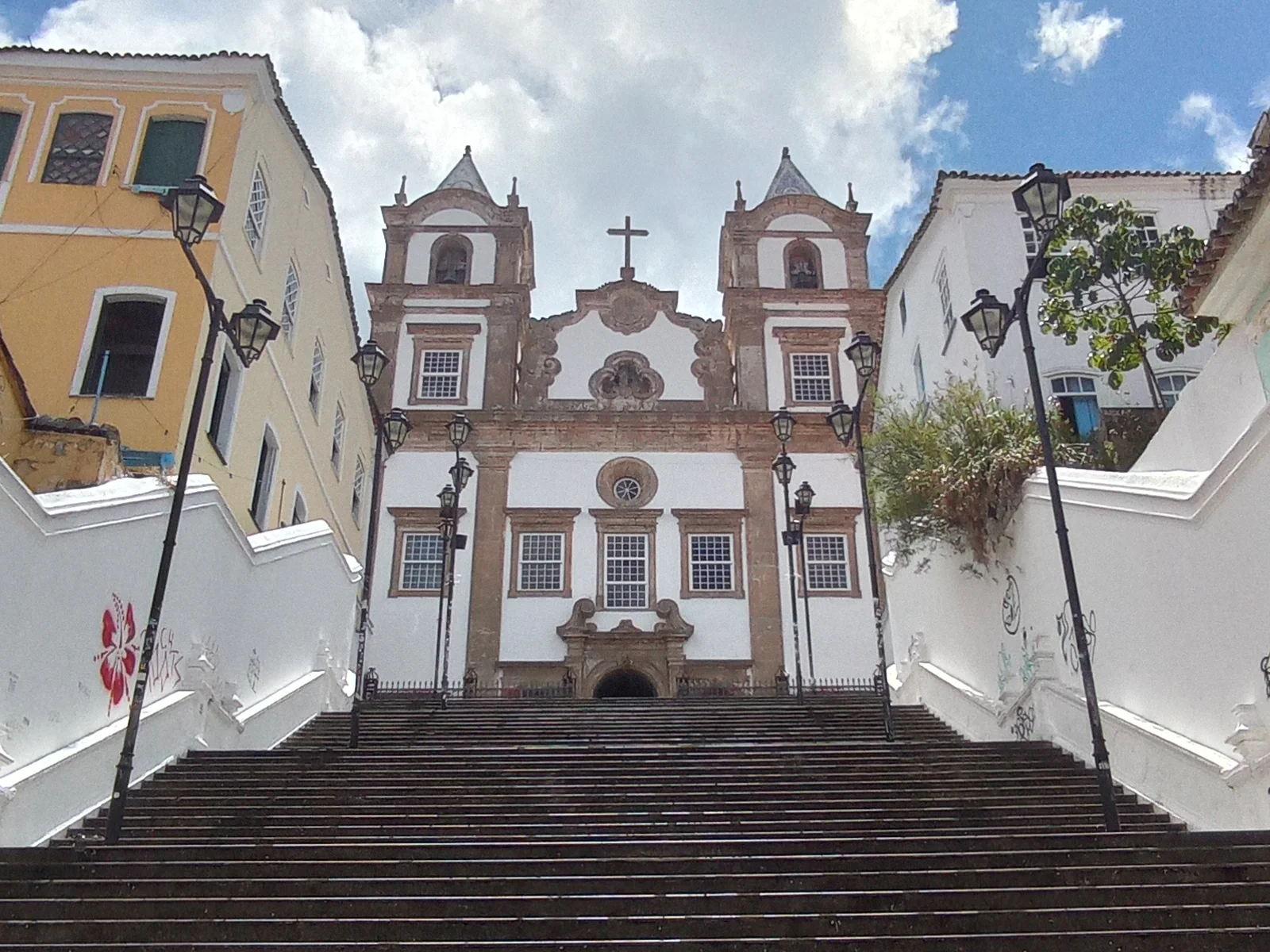
From the Rosário, the Ladeira do Carmo leads north, and in about three minutes you reach the wide stone stairway of the Igreja do Santíssimo Sacramento do Passo. The parish was created in 1718 and the church placed on this hillside in 1736; its Portuguese tiles date from about 1750. In 1962 Anselmo Duarte filmed O Pagador de Promessas here, with Leonardo Villar carrying a cross up these steps to a church the film calls Santa Bárbara. It is still the only Brazilian film to win the Palme d'Or at Cannes. The church closes to visitors at 16:00, and the stairway sometimes doubles as a concert stage.
Stop 7: Largo do Carmo
Climb the stairway, or the Ladeira do Carmo beside it, for two or three steep minutes. At the top stands the Igreja da Ordem Terceira do Carmo: a fire destroyed the first church on 21 March 1788, the present one was begun in 1803, José Teófilo de Jesus painted the nave ceiling in 1815-1817, and the cedar Christ by Francisco Xavier Chagas is dated to 1730. You can only see it from outside. It has been closed since February 2025, part of the nave ceiling fell in October 2025, and in August 2026 a federal court ordered emergency works.
A few steps further, the Convento do Carmo is dated to 1586; the Dutch surrender that ended their occupation of Salvador was signed here in 1625. The hotel that occupied it closed in April 2020 and was still closed in 2026. For breakfast, the Padoca do Carmo bakery at Rua do Carmo 13 opens from 8:00.
Stop 8: Cruz do Pascoal
Follow Rua do Carmo for three minutes to the oratory of the Cruz do Pascoal, raised in 1743 by Pascoal Marques de Almeida to keep a promise to Our Lady of the Pilar. Café e Cana faces it from noon on most days, and R'Canto do Pascoal serves cold beer daily from 11:30. The Plano Inclinado do Pilar, the funicular to the lower city, has been out of service since 8 October 2026.
Stop 9: Rua Direita de Santo Antônio
From the cross the street runs almost level along the ridge for about nine minutes. In 1823 General Labatut's army marched down it toward the Terreiro de Jesus, and every 2 July the independence parade still passes through the Carmo and pauses at the Rosário; our Dois de Julho guide tells that story. Several bars on the left-hand, bay side have views over the water. On the way, the Igreja do Boqueirão (R$ 5, weekdays) has a sacristy window that looks across the bay to Itaparica.
Stop 10: Largo de Santo Antônio and the Forte da Capoeira
The street opens onto the Largo de Santo Antônio, with the church near one end and the fort at the other. The Santuário de Santo Antônio Além do Carmo was founded in 1594; Saint Dulce of the Poor, canonised in 2019, was baptised here. It is free, through the side door, on weekdays.
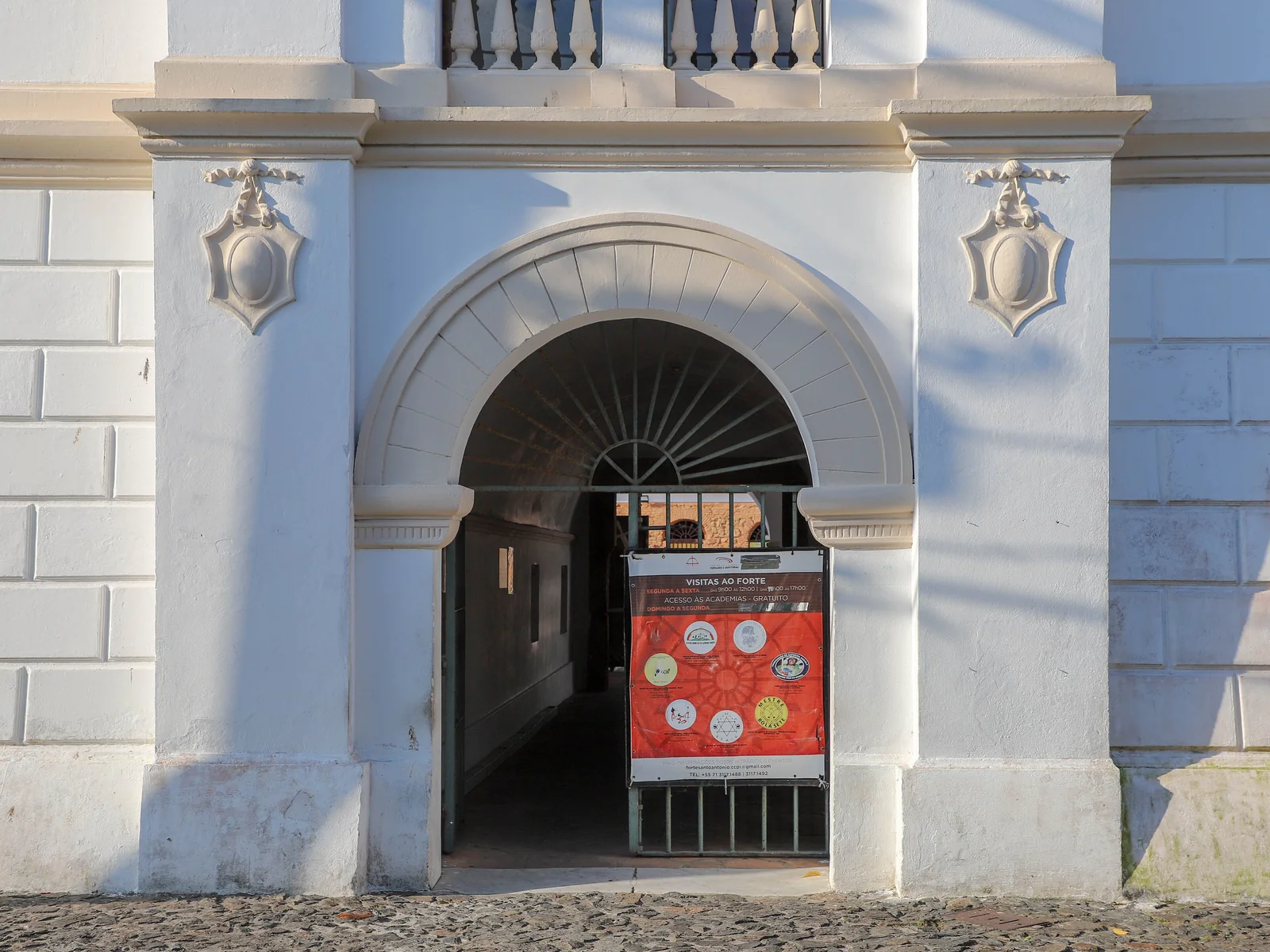
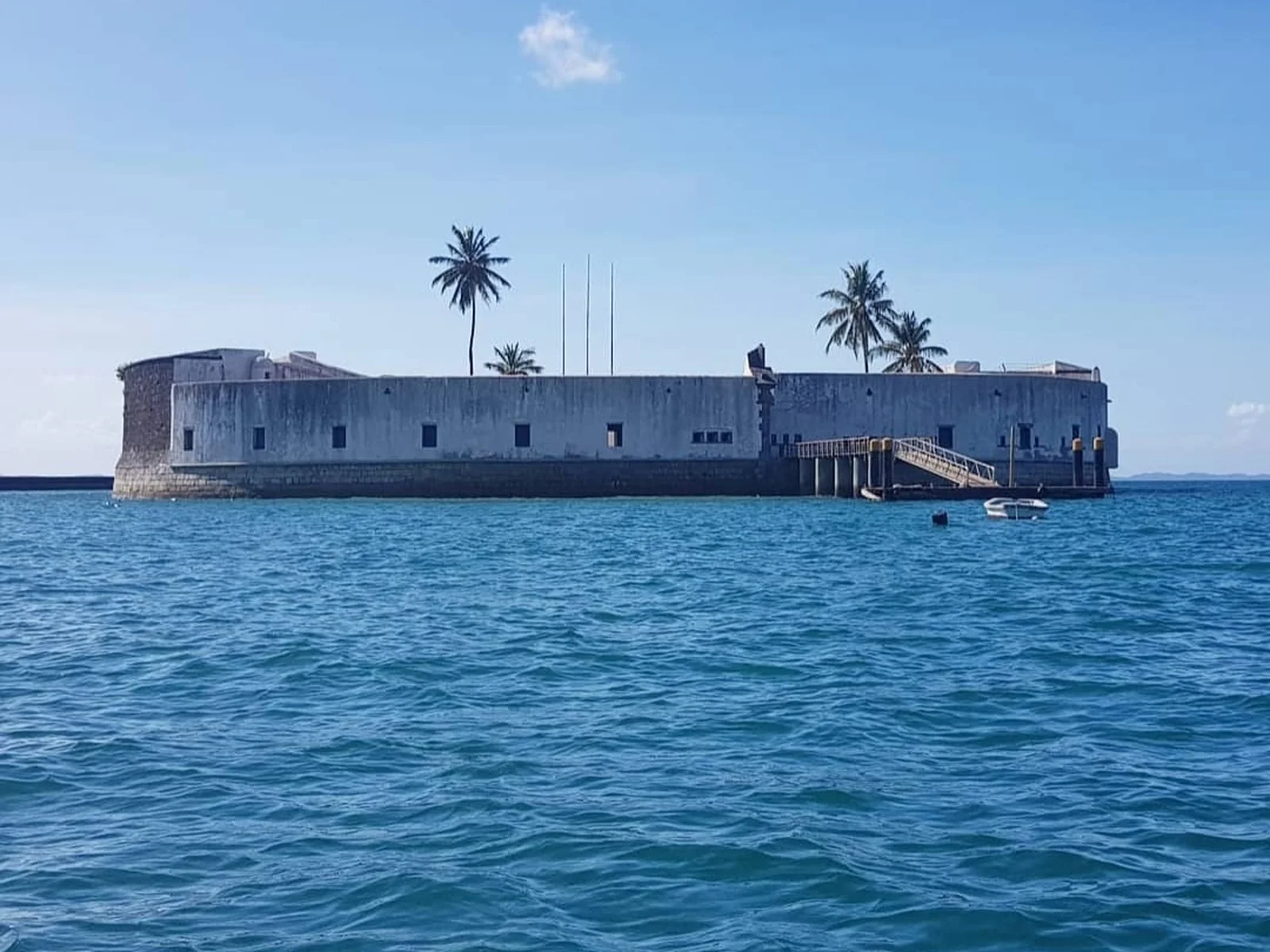
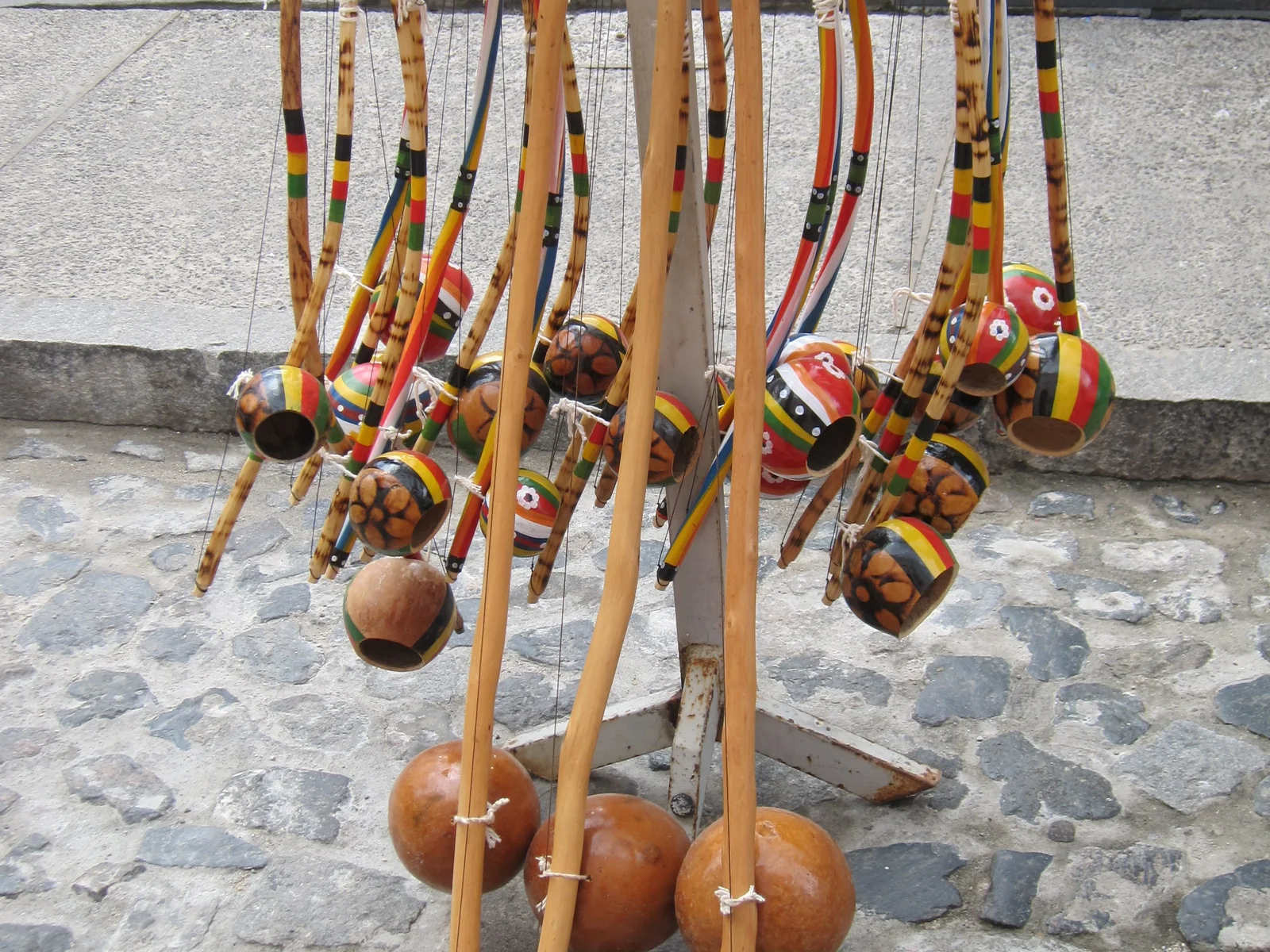
About 230 metres along the square, the Forte da Capoeira began as a trench dug during the Dutch invasion of 1624-1625; the first fort followed in 1627-1635 and the stone walls in the late 17th and early 18th centuries. It was a prison from 1830 to 1976, holding men captured after the Malê revolt of 1835 and political prisoners after 1964. Since a restoration completed in 2006 it has been a cultural centre with two capoeira schools; our capoeira guide explains how to watch respectfully.
On the square, the yellow mansion of the Museu do Mar Aleixo Belov has the Yolo Coffee Bar on its corner, a good seat before sunset. The neighbourhood has its own Santo Antônio Além do Carmo guide.
Opening hours and entry prices on the route
| Place | Open (2025-2026) | Entry |
|---|---|---|
| Memorial das Baianas | Mon to Sat 9:00 to 17:00 | R$ 5 |
| Catedral Basílica | Mon 10:00 to 16:30; Tue to Sat 9:00 to 16:30; Sun 11:30 to 15:00 | R$ 10, under 12 free |
| MAFRO | Mon to Fri 9:00 to 17:00 | R$ 10, half R$ 5 |
| Memorial da Medicina Brasileira | Mon to Fri 9:00 to 16:00 | Ask at the door |
| São Pedro dos Clérigos | Mon to Fri 9:00 to 17:00 (lunch break); Sat 9:00 to 13:00 | R$ 5 |
| Casa do Carnaval | Tue to Sun 9:00 to 17:00 | R$ 20, free Wed |
| Ordem Terceira de São Francisco | Listed Mon to Sat 9:00 to 16:30; reported closed in 2026 | R$ 10 |
| Museu Tempostal | Tue to Sun 10:00 to 16:30 | Free |
| Casa de Jorge Amado | Mon to Fri 10:00 to 18:00; Sat 10:00 to 16:00 | R$ 20, half R$ 10, free Wed |
| Rosário dos Pretos | Mon to Fri 8:00 to 17:00; Sat 8:00 to 12:00 | R$ 10 |
| Igreja do Passo | Mon to Fri 10:00 to 16:00 | R$ 10 |
| Ordem Terceira do Carmo | Closed since February 2025 | - |
| Santuário de Santo Antônio | Mon to Fri 8:00 to 17:00 | Free |
| Museu do Mar Aleixo Belov | Tue to Sun 10:00 to 18:00 | R$ 20, free Wed |
Visits pause during mass and hours change on holidays, so check at the door before you build a schedule around one interior. Paying at every door in this table comes to about R$ 120 (about US$ 23); most visitors choose three or four.
Where to stop for coffee and lunch
- Morning coffee: Little England Café on the Praça da Sé (Tuesday to Saturday from 9:00, Sunday from 10:00, in an April 2026 listing) or the Padoca do Carmo, depending on which end you start from.
- Lunch on the Largo: the Restaurante Escola do Senac at Largo do Pelourinho 13 serves a buffet of about 40 Bahian dishes and 12 desserts, coffee included, daily from 11:30 to 15:30. Senac revised its restaurant prices in April 2026; expect around R$ 85 to R$ 90 a head (about US$ 16 to 17), drinks extra.
- Side streets: Axego at Rua J. Castro Rabelo 16 is known for arroz de hauçá, rice with dried beef and shrimp; Maria Mata Mouro was on the historic centre's Christmas food route in December 2025.
- Santo Antônio: Zanzibar, at Rua Direita do Santo Antônio 60, has cooked Afro-Brazilian food for more than 45 years; Bar do Ulisses (Wednesday to Sunday from 11:00) has a bay view and about 60 years behind it.
- The sunset drink: Isso é um Bar and Joca Mesa Bar on Rua Direita have bay-view terraces, open from late afternoon on weekdays and from noon at weekends.
For a snack on the move, buy an acarajé from a baiana's tray; our street food guide explains what to order.
The two-hour version
- 9:00 Praça Tomé de Sousa, then the Cruz Caída.
- 9:20 Catedral Basílica, twenty minutes inside.
- 9:45 Cruzeiro de São Francisco and down Rua Gregório de Matos.
- 10:00 Largo do Pelourinho, fifteen minutes in the Rosário.
- 10:30 the Passo stairway, then back up the Largo and along Rua Alfredo de Brito to the Terreiro and the lift by about 11:00.
That is about 2.2 km and 35 minutes of actual walking, finished before the midday sun.
The full-day version
- 9:00 to 11:30: stops 1 to 3, with MAFRO or the Casa do Carnaval as your main museum.
- 11:30 to 13:30: the Cruzeiro, Rua Gregório de Matos and lunch at the Senac.
- 13:30 to 15:30: the Casa de Jorge Amado, the Rosário and the Igreja do Passo before it closes at 16:00.
- 15:30 onward: the Carmo, Rua Direita and Santo Antônio, then a bay-side terrace for the sunset.
On a Tuesday, run it in reverse and finish at the Rosário for the 18:00 mass and the music that follows.
Getting back
From the fort it is about 2 km back to the lift on foot, 25 to 30 minutes. After dark, take a ride-hailing car from the Largo de Santo Antônio, and keep to the lit line of Rua Direita and the Cruz do Pascoal rather than the empty side ladeiras. Our Salvador safety guide covers the rest.
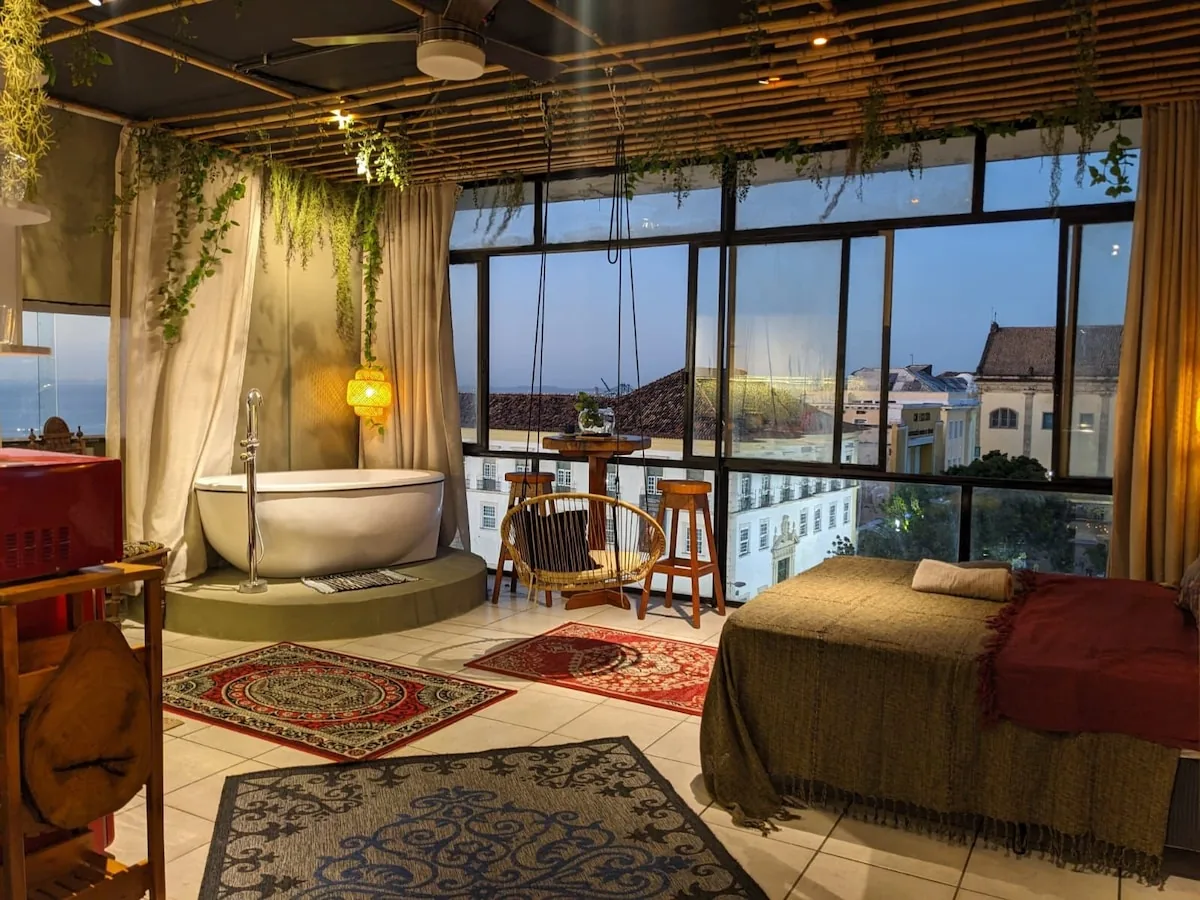
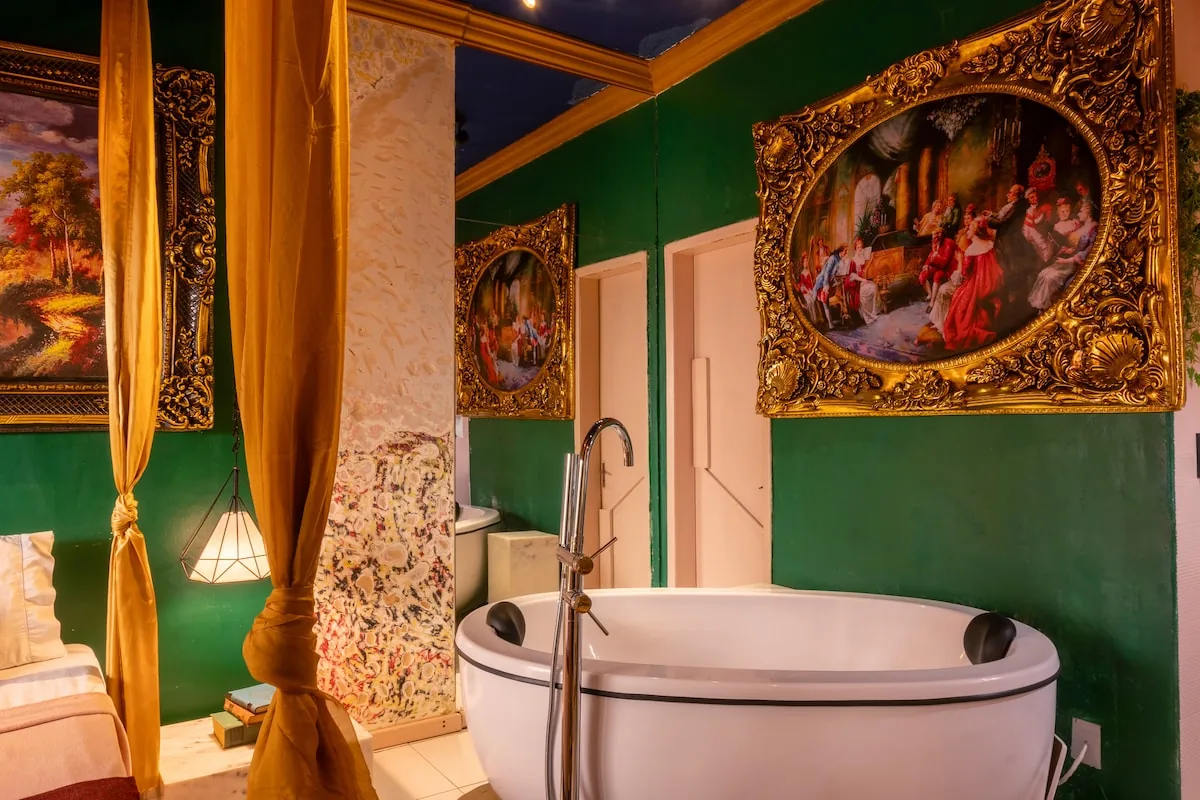
Staying up here lets you split the route over two mornings. Our four suites are in the Cidade Alta, a few minutes on foot from the Elevador Lacerda and the Pelourinho, so stop 1 is practically at the door; they are booked on Airbnb, where guests message us directly.
Frequently asked questions
Can you do a self-guided walking tour of Salvador?
Yes. The historic Cidade Alta is compact, about 2.5 km from the Elevador Lacerda to the Largo de Santo Antônio, mostly along a level ridge, with each stop a few minutes from the last.
How long does the walk take?
The walking itself is 35 to 40 minutes one way. With interiors, plan two hours for the short loop to the Igreja do Passo and back, and a full day with lunch, museums and Santo Antônio.
What is the best day for it?
Tuesday to Friday, when the weekday museums and the Igreja do Passo are open. Wednesday brings free entry at the Casa de Jorge Amado, the Casa do Carnaval and the Museu do Mar; Sunday is the weakest day for interiors.
Is the São Francisco church open?
No. It has been closed since its ceiling collapsed on 5 February 2025, with reopening forecast for 2029. The Ordem Terceira next door is listed with daily hours, but one 2026 report found it closed too, so check its door.
How much money do I need?
Most churches charge R$ 10 (about US$ 2), museums R$ 5 to R$ 20, and several are free. With the Senac buffet, R$ 150 to R$ 200 (about US$ 30 to 40) per person covers a full day.
Is the route very hilly?
Less than people expect: one descent of roughly 20 metres down the Largo do Pelourinho and a climb of about 10 metres to the Carmo. The stone paving is uneven, so wear shoes with grip.
Sources
- Prefeitura de Salvador, Pelourinho Dia e Noite: Igrejas (church hours, fees, masses; in Portuguese; checked Oct 2026).
- Pelourinho Dia e Noite: Museus (museum hours and fees; in Portuguese; checked Oct 2026).
- Pelourinho Dia e Noite: Catedral Basílica, Rosário dos Pretos and Igreja do Passo (dates, the film; in Portuguese).
- Pelourinho Dia e Noite: Ordem Terceira de São Francisco and Fui Ser Viajante: igrejas de Salvador (updated July 2026; in Portuguese).
- A Tarde: Casa de Jorge Amado reopens (January 2026) and December 2024 reopening (in Portuguese).
- A Tarde: igrejas interditadas and MPF: Ordem Terceira do Carmo (August 2026; in Portuguese).
- Wikipedia: Church of the Third Order of Mount Carmel, Terreiro de Jesus and Forte de Santo Antônio Além do Carmo (history dates; checked Oct 2026).
- Google Arts & Culture: Anthony, the Saint Beyond Carmo (church, Saint Dulce, Cruz do Pascoal, Boqueirão).
- Correio: Santo Antônio Além do Carmo (December 2025) and 7 bares no Santo Antônio (July 2025; in Portuguese).
- Correio: Carmo e Pelourinho no 2 de Julho (June 2025; Zanzibar, Axego, Senac museum; in Portuguese).
- A Tarde: 5 lugares para tomar um café (April 2026) and rota gastronômica de Natal (December 2025; in Portuguese).
- Pelourinho Dia e Noite: Restaurante Escola Senac and Memorial das Baianas (in Portuguese).
- Bahia Notícias: Pestana Convento do Carmo closes (April 2020; in Portuguese).
- Salvador da Bahia: Praça da Cruz Caída, Jornal Grande Bahia: A Cruz Caída and IstoÉ Dinheiro: Convento do Carmo (in Portuguese).
- Wikipedia: Salvador climate (INMET normals) and Sunrise-Sunset.org (solar noon, sunset).
- FOSSGIS OSRM foot routing (leg distances) and OpenTopoData SRTM (approximate elevations; checked Oct 2026).
Stay in the historic centre
Our four suites are in the Cidade Alta, a few minutes on foot from the Elevador Lacerda and the Pelourinho. They are booked on Airbnb.


Salvador, in images
Photographs of the neighborhood, restaurant, and beach featured in this guide, with credit to each photographer.
Ready to discover Salvador?
Book one of the four Via Avantgarde suites in the Pelourinho — and receive the complete guides with recommendations for your stay.