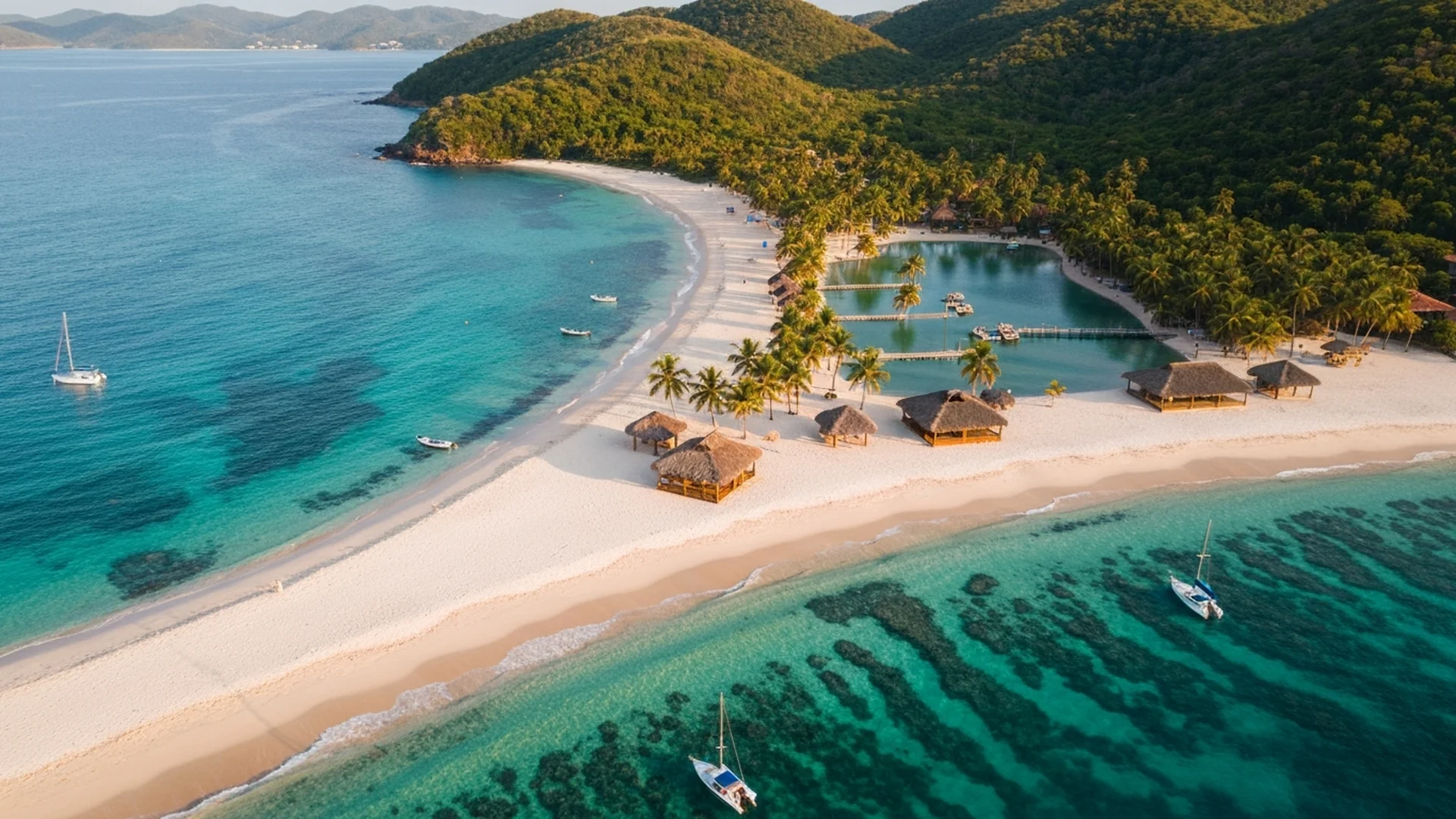
Morro de São Paulo day-trip to the island of Tinharé
A full day on Morro de São Paulo — catamaran from the Salvador ferry terminal, fine-sand beaches, and sunset on Segunda Praia.
The experience
A two-hour crossing through the Bay of All Saints to the island of Tinharé. Free time on Segunda and Terceira Praia, lunch with fresh fish and cold coconut water, return in the late afternoon. We book the catamaran, arrange the transfer, and point you to the best spots to swim.
Duas horas de travessia pelas águas da Baía de Todos os Santos até a ilha de Tinharé. Tempo livre na Segunda e Terceira Praia, almoço com peixe fresco e água de coco, volta no fim da tarde. Reservamos o catamarã, organizamos o transfer e recomendamos onde parar para mergulhar.
- Round-trip catamaran
- Transfer to the Salvador ferry terminal
- Restaurant and beach recommendations
- Local guide on request (optional)
A setting
for the night
Every experience is staged with the same author's care as the suites — flowers, light, and details that turn a night into a scene.
Morro de São Paulo, step by step
The essentials in 30 seconds
Morro de São Paulo is a fishing village on the northern tip of Tinharé Island, about 60 km southwest of Salvador. There are no cars — only wheelbarrows and your own feet. The fastest crossing is the catamaran (2 hours, leaving from the Salvador ferry terminal) or the plane (25 minutes, on a Cessna Grand Caravan from Bahia Executive Airport). There is a R$ 70 Environmental Preservation Fee every visitor pays, and we recommend booking everything at least ten days in advance — especially in high season and over long weekends.
Where it is, and why it's worth the trip
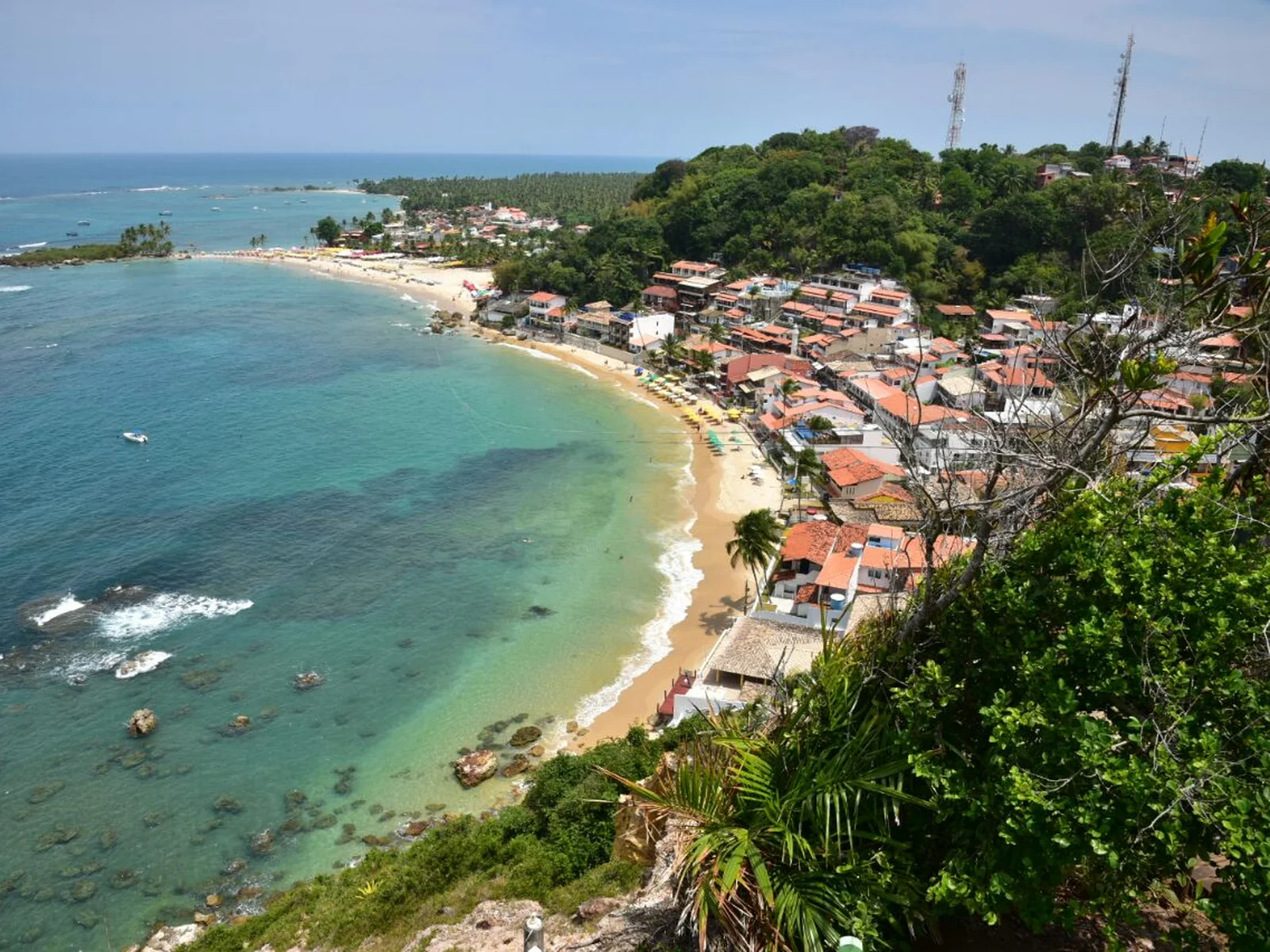
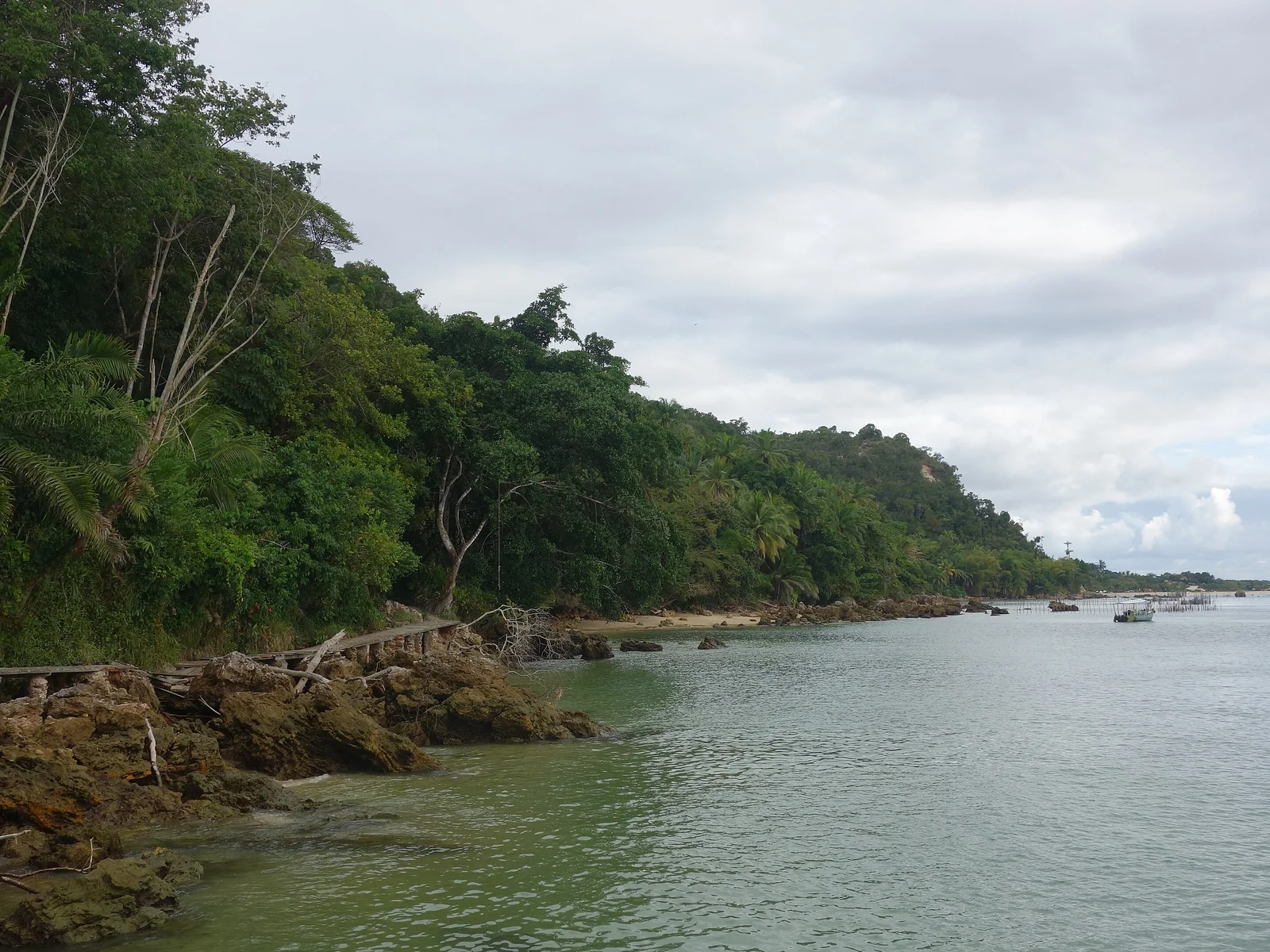
Morro de São Paulo sits on the northern tip of Tinharé Island, in the Baixo Sul region of Bahia. Seen from above — from the Mirante, the Lighthouse, or a helicopter — the village is a narrow strip of land between the Atlantic and the Bay of All Saints, with five beaches lined up like pearls and colonial houses set into the hillside. The streets are cobblestone, sand, and slope. No private cars circulate: you do everything on foot, and luggage is moved on wheelbarrows pushed by porters who wait at the boat dock.
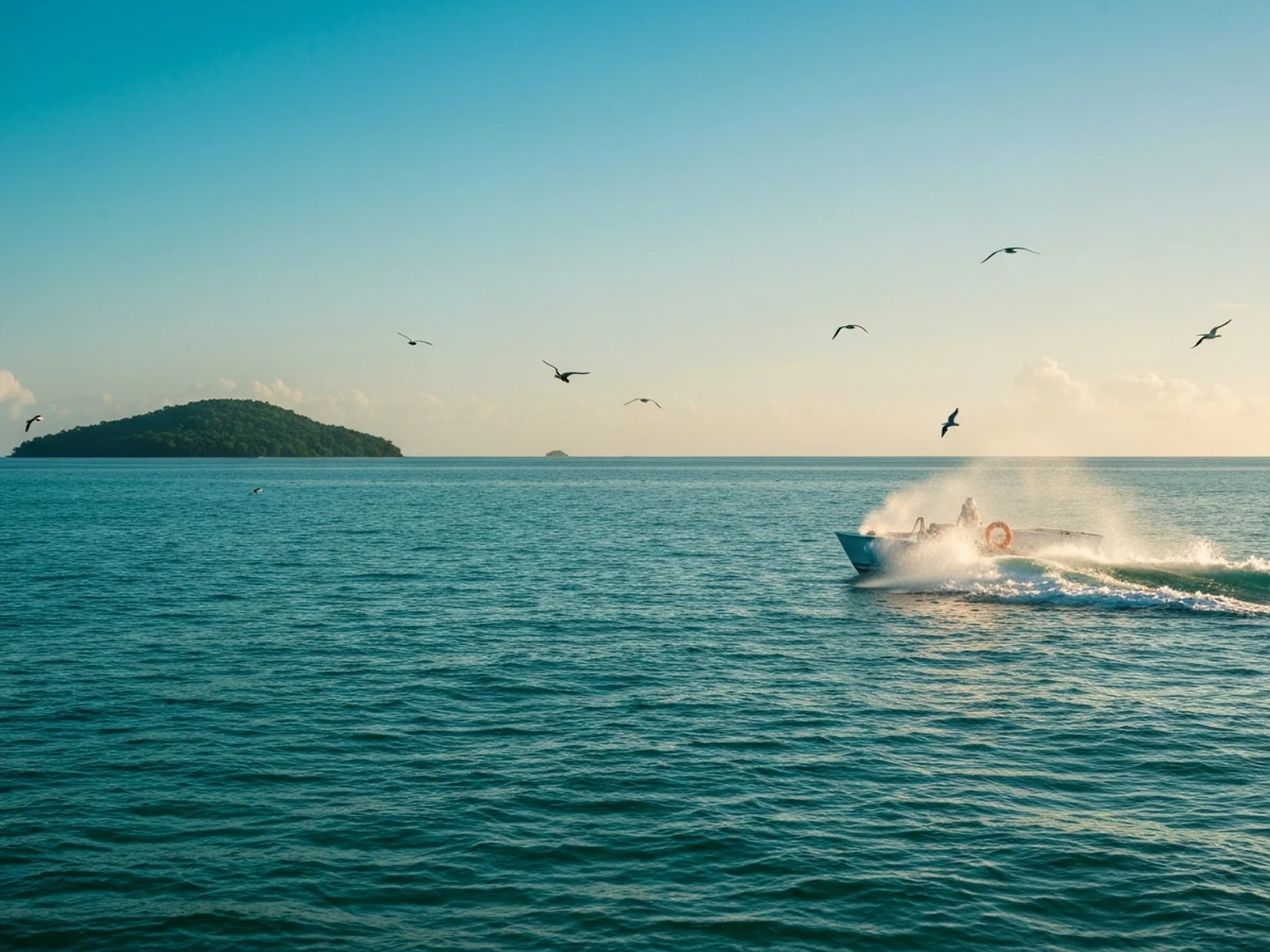
Salvador is two hours away by catamaran and 25 minutes by air. The difference is not just time — it's tempo. On Morro, the clock starts to mark the tide, the sun, and sunset. For many Via Avantgarde guests, it's the perfect complement to a stay in the Pelourinho: three or four nights in the city, two or three days on the island, and the itinerary closes without repeating the scene. The crossing itself is part of the experience — leaving through the Bay of All Saints, watching Salvador shrink on the horizon, crossing the Itaparica channel.
How to get there
There are four established routes from Salvador to Morro de São Paulo. Each has its day and its kind of traveler. Listed from cheapest and most traditional to most cinematic.
1. Catamaran — the classic route
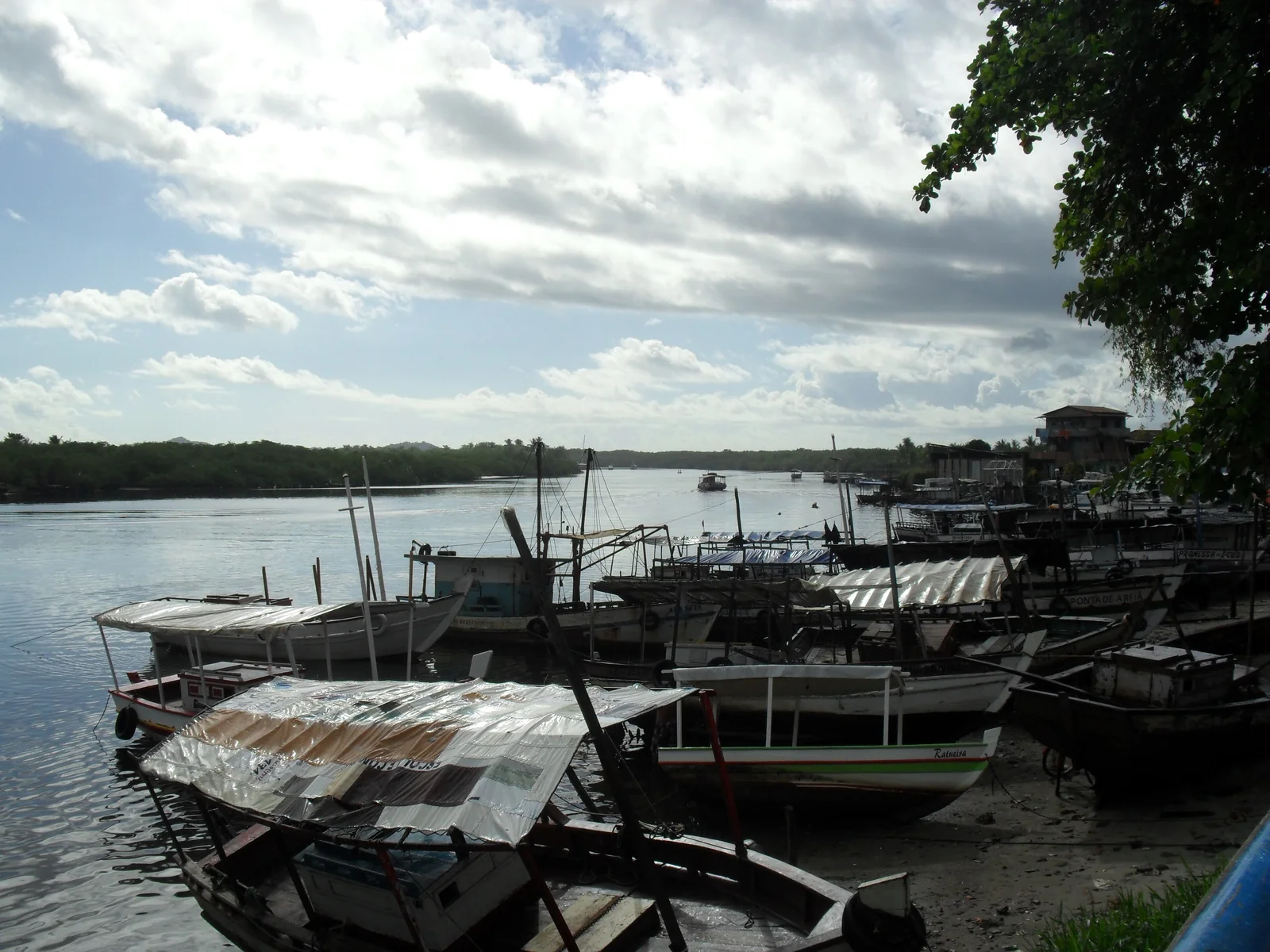
The catamaran leaves from the Passenger Maritime Terminal on Avenida da França, next to the Mercado Modelo. The crossing takes about two hours, with regular morning and early-afternoon departures — usually 08:30, 09:00, 10:30, 13:00 and 14:00, depending on the operator and the season. Tickets run about R$ 165 to R$ 220 per person, per leg, depending on company and time of year.
Operators with decades on this route, with online booking:
- Biotur — one of the oldest operators on the route.
- Catamarã Farol do Morro — generous departures, good for direct booking.
- Ilha Bela Catamarã — also offers the semi-sea package.
On calm days it is a comfortable crossing: the catamaran has an air-conditioned cabin, an open upper deck, bathrooms, and a small bar. On days with southerly wind or weather changing, the open stretch between Itaparica and Tinharé tends to be choppy — anyone prone to seasickness should take dramamine an hour before boarding, choose a seat near the middle of the boat, and look at the horizon. Luggage goes into a hold at boarding and is returned at the Morro pier.
Arriving 40 minutes ahead of the boat is wise: the terminal is a 1970s-era building, with no priority line, and luggage screening isn't fast. The Via driver drops you at the door — just let us know.
Tide tip: the calmest crossings are in the morning (08:30 and 09:00 departures), before the wind picks up. After 13:00 the trade winds kick in and the open stretch gets choppier.
2. Speedboat — when you're in a hurry
The accelerated version of the catamaran. Same morning departures, but on a smaller, faster lancha. The crossing drops to about 1h15 to 1h30, and the price rises to R$ 240 to R$ 300 per leg. For a same-day round trip or a tight return flight, it makes a real difference.
3. Semi-sea — the locals' route
A three-leg crossing: ferry from Salvador (Terminal de São Joaquim) to Bom Despacho on Itaparica Island (about 50 minutes); van or bus across firm land to the port of Valença (about 1h45); and finally a short boat up the Una River to Morro (35 to 50 minutes). It's the cheapest route — around R$ 120 to R$ 160 — and the one most used by Bahians. Total time is nearly four hours, with vehicle changes and bags in hand. Not our favorite for guests on short holidays, but reliable when the sea is closed and the catamaran isn't running.
4. Plane — 25 minutes at 800 metres
The cinematic route. You take off from Bahia Executive Airport (CAB) in Pituba, 15 minutes from our suite in the Pelourinho, and land directly on the Morro de São Paulo airstrip (IATA code: IOS — also known as Tinharé). Flight time is roughly 25 minutes, on a Cessna 208 Grand Caravan — the single-engine turboprop that has become the workhorse of small-island aviation worldwide. It carries up to nine passengers, flies low enough that you can follow the Bay of All Saints below you, and lands on short asphalt runways surrounded by Atlantic forest.
Pricing varies by operator, season, and load, but the typical band is R$ 700 to R$ 1,200 per person, per leg on a regular shared flight. For a private charter (the whole aircraft, up to nine passengers), expect roughly R$ 7,500 to R$ 10,000 per leg — competitive in a group.
Established operators flying Salvador (CAB) ↔ Morro de São Paulo (IOS) on Cessna Grand Caravans:
- Addey Táxi Aéreo — regular flights and charter; one of the most established names on the route.
- Aerostar — Caravan fleet with a boutique service.
- Manaus Aerotáxi — runs the route regularly.
When does the plane make sense? In three cases: you only have two full days on the island and don't want to spend eight hours of crossings; the sea is rough and the catamaran has become uncomfortable; or you're traveling with small children, elders, or someone who hates boats. It's also worth it as an experience — the approach passes low over Segunda Praia with a view of the whole village.
The Environmental Preservation Fee — R$ 70 per person
Everyone who lands on Morro de São Paulo pays the Environmental Preservation Fee, locally known as TPA. It's R$ 70 per person, valid for the whole stay (not per day). The money goes to maintaining Tinharé Island — trash collection, beach cleaning, restroom infrastructure, and signage in the APA Caboclo, the Environmental Protection Area covering the island since 1992.
Two ways to pay:
- Online before the trip, on the official portal at tpa.morrosp.com.br. Generate the QR code, save it to your phone, and show it on arrival. Fastest path, and what we recommend to all our guests.
- On arrival, at the TPA booth by the pier or the airstrip. Accepts pix, card, and cash. In high season, the line can be over an hour — another reason to pay online.
Why book ten days ahead
Morro de São Paulo is small, and the routes in are finite. In high season (December to February, July, and the long weekends of carnival, Easter, Corpus Christi and 7 September), seats on the catamaran, the speedboat, and the plane can sell out three to four weeks ahead. Ten days is our safety floor — below that, we depend on cancellations and pay the full price for whatever seat appears.
The five beaches
The village has five numbered beaches, lined up north to south like a scale. Each has its own profile.
Primeira Praia
The first stretch of sand below the Lighthouse and the Mirante. Short, with rougher water and some submerged rocks — good for a morning walk, sunset, and access to the zip line that crosses the beach from the top of the fortress. Not the beach where you'll spend the day.
Segunda Praia
The festive heart of Morro. Wide white-sand beach, natural pools formed by the reef at low tide, beach kiosks serving snacks and drinks, and the energy that defines the island's reputation. Background music, volleyball, kitesurf, beautiful people. It's the beach where young Brazil spends the day, and where night begins with the moon — beach bars that turn into parties when the sun drops.
Terceira Praia
The middle ground: still busy, but with charming pousadas and a more sophisticated feel. The water is calm, with natural pools a little farther out. This is where the schooners leave for circling the island and trips to Garapuá. Good for families and for guests who want to be near Segunda Praia without sleeping in the noise.
Quarta Praia
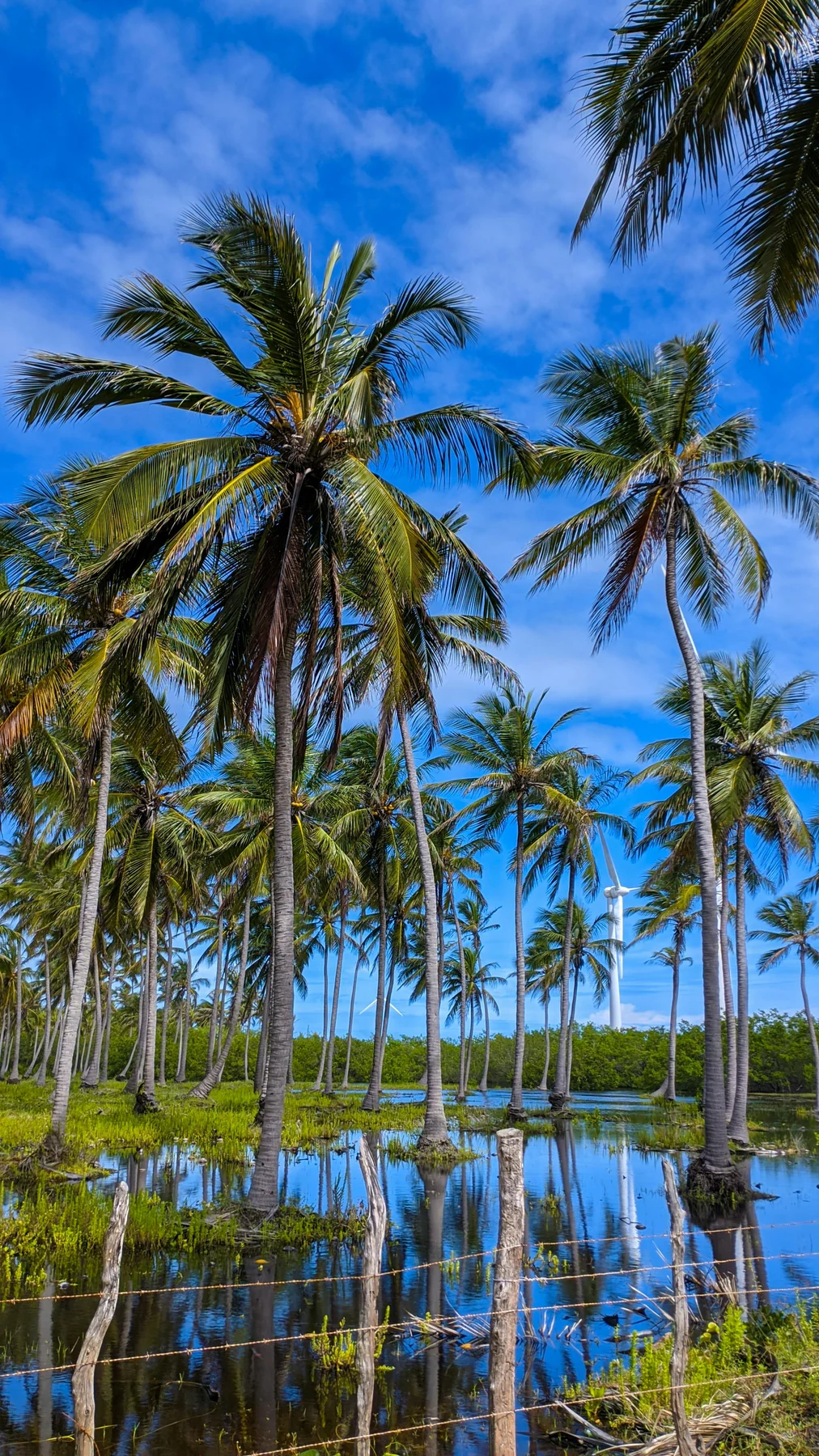
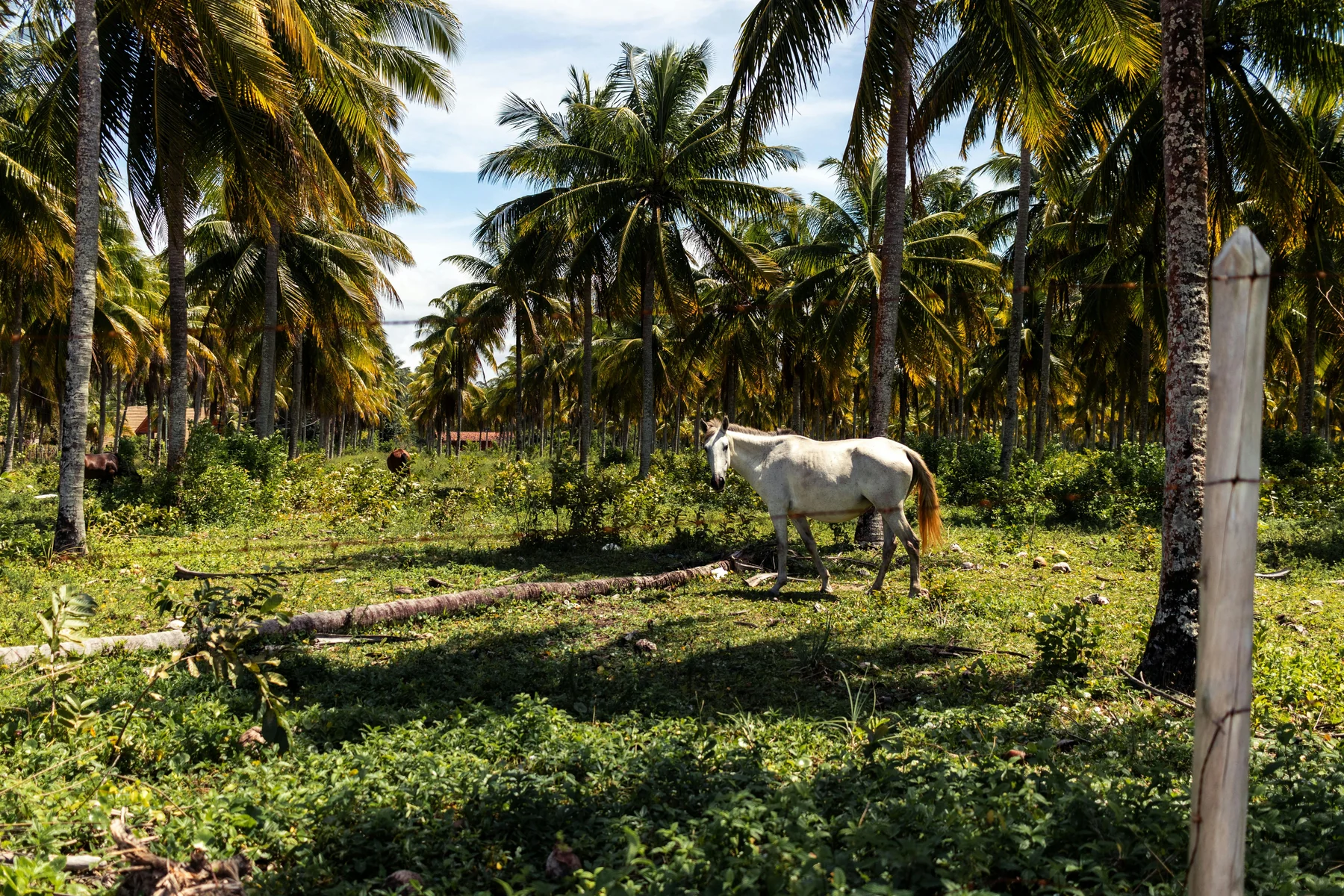
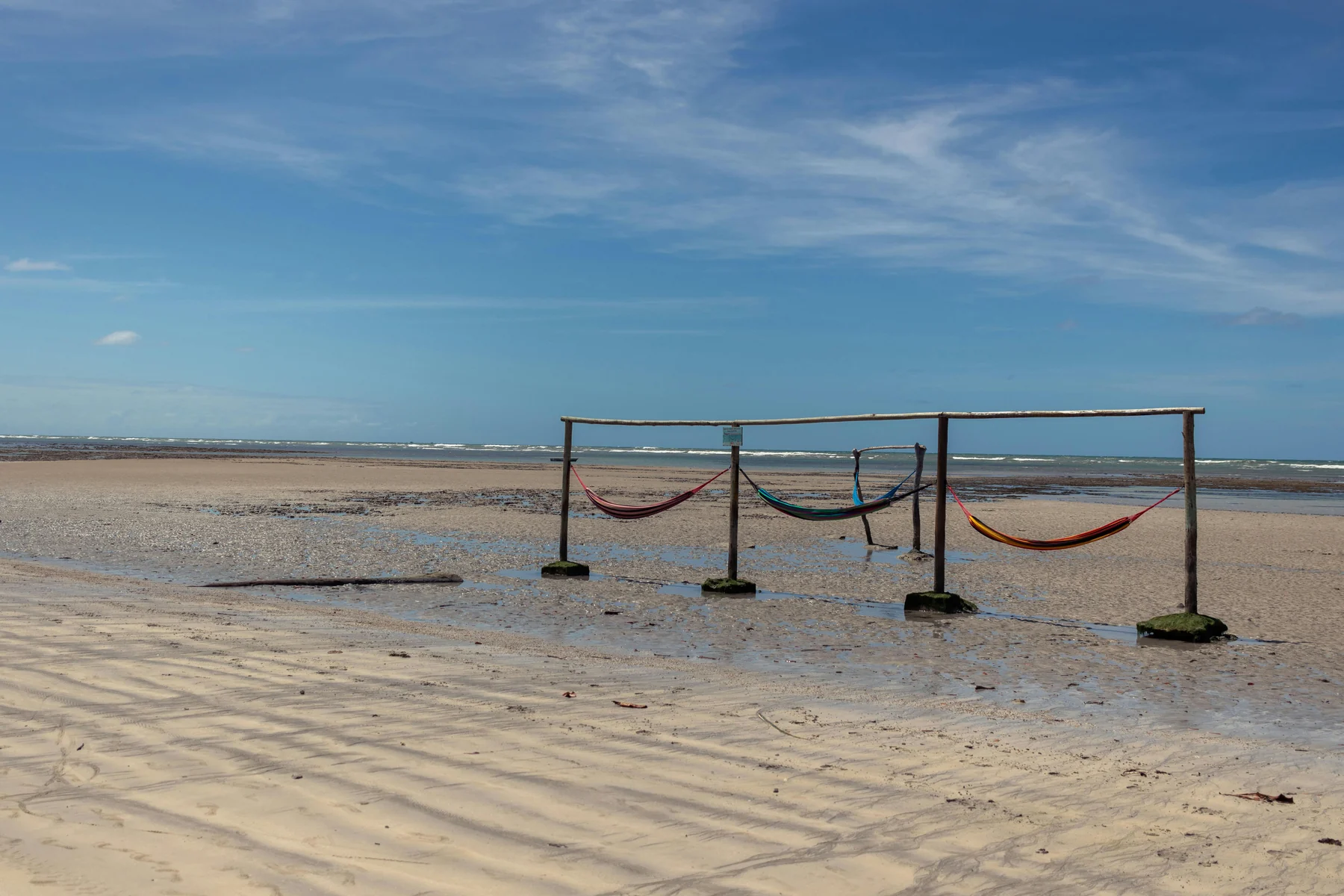
Here the word is tranquil. Wide sand, swimming-pool sea, palm trees, and a steadily decreasing number of people every kilometer. Some of the most elegant feet-in-the-sand pousadas on the island are on this beach. If you're after the opposite of Segunda — silence, a book, a hammock between coconut palms — this is where you arrive.
Quinta Praia (Praia do Encanto)
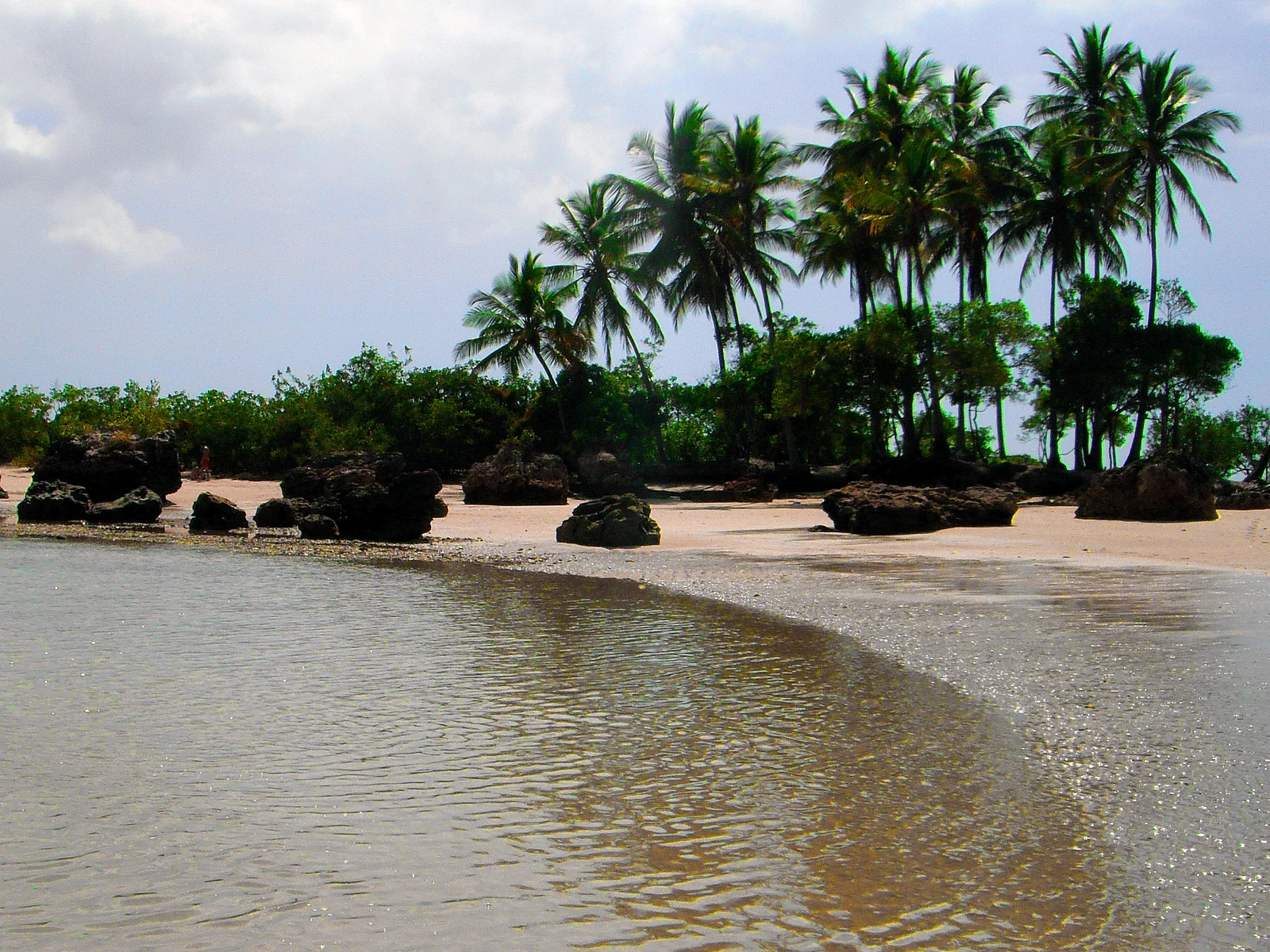
Almost deserted, separated from the other four by a tongue of sand you can cross on foot at low tide. Stronger waves, more open sea, and an end-of-the-world feel that many guests come looking for exactly. Reach it on foot or by buggy hired in the village.
How Via Avantgarde puts it all together
The day-trip we offer is a two-hour catamaran crossing, round-trip the same day, with free time on Segunda and Terceira Praia, lunch with fresh fish and cold coconut water, and a late-afternoon return. Within our experience price: we book the catamaran, arrange the transfer from suite to ferry terminal, recommend the best snorkel spots, and handle the TPA before arrival.
For guests who want to extend — two, three, four nights on the island — Via also handles full logistics: chosen crossing (catamaran, speedboat, plane, or helicopter), door-to-door transfer on both sides, partner pousada on the beach that best fits your profile, and a daily plan of beaches, snorkel, and Garapuá. A trip within the trip.
Through the lens of those who were there
High-resolution photographs of the setting for this experience, with credit to each photographer.
Before you book
Subject to sea conditions. On rough-sea days we reschedule at no cost.
Morro de São Paulo is waiting for you
Email [email protected] with your dates and chosen suite. We confirm within 24 hours.
 01 / 07
Romance Package
Read more →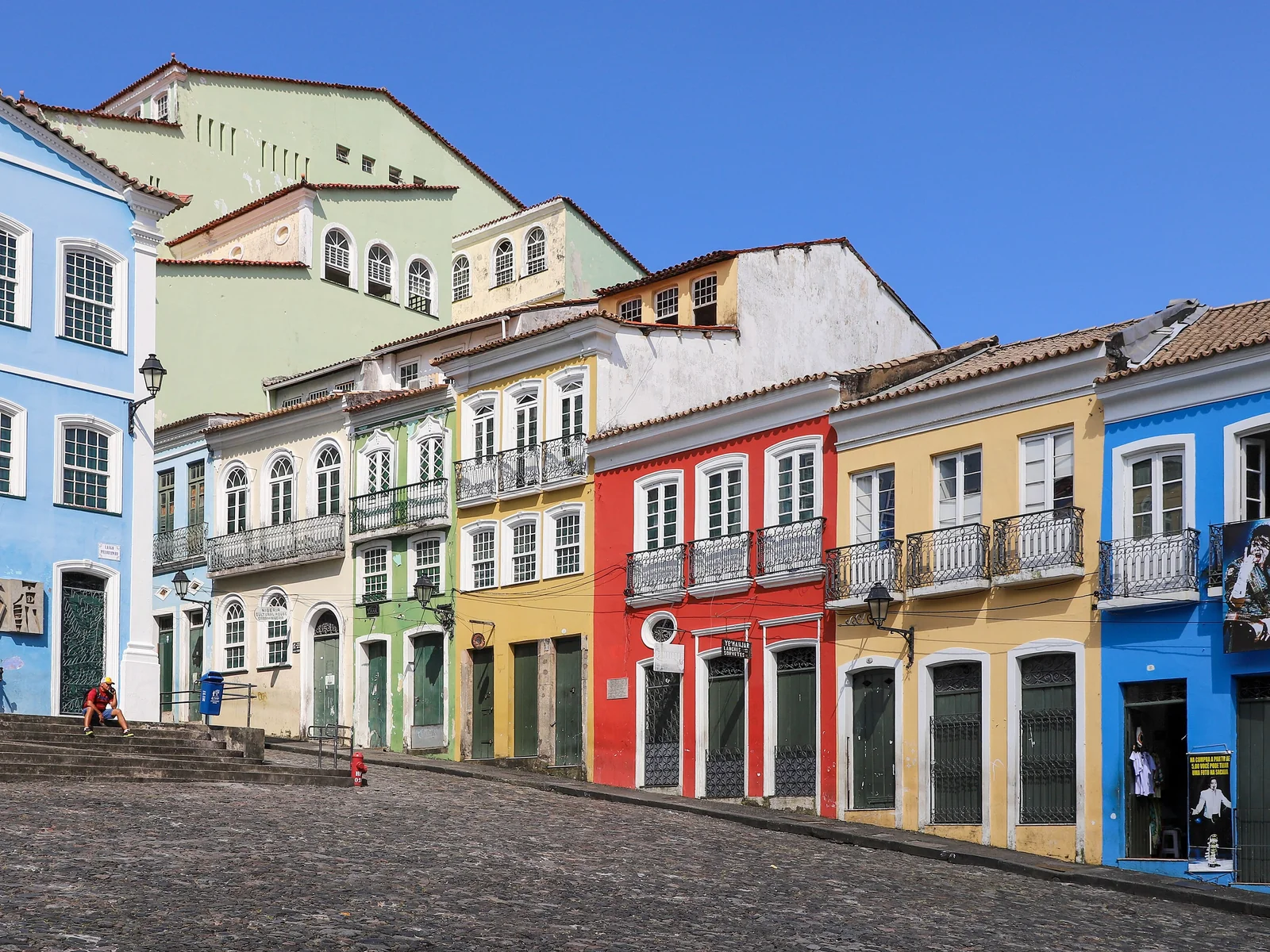 03 / 07
Historic Tour
Read more →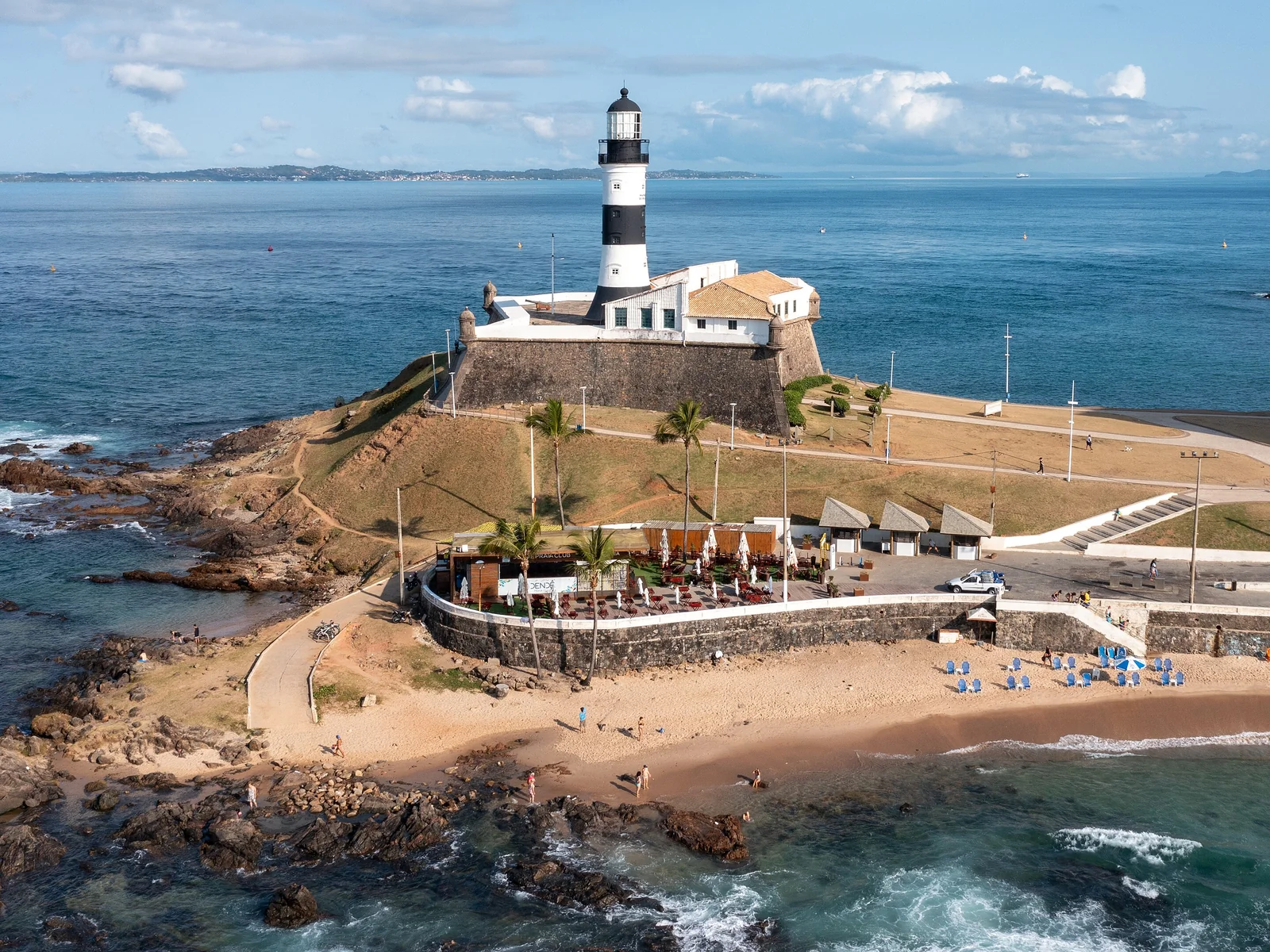 04 / 07
Panoramic Flight
Read more →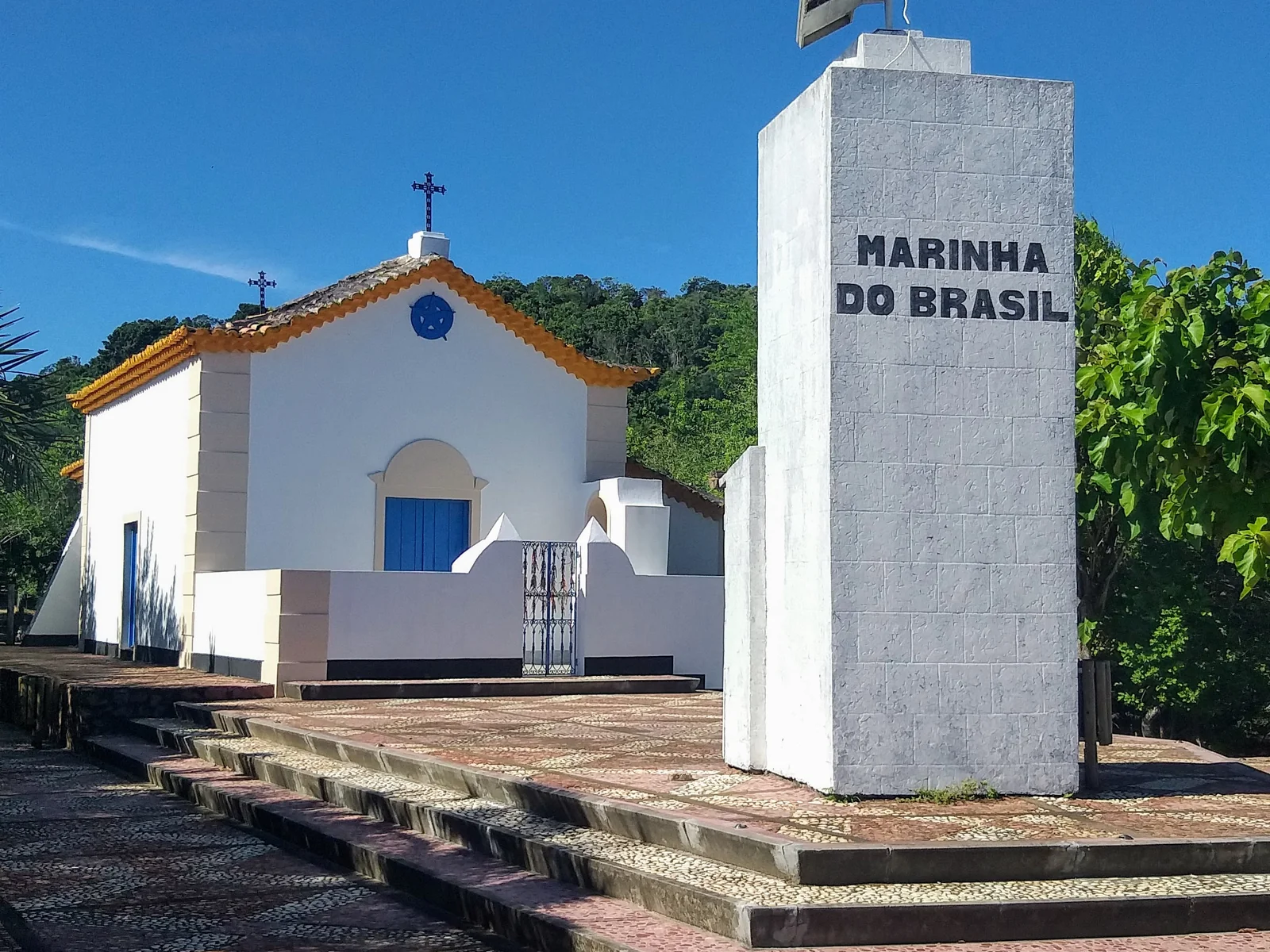 05 / 07
Ilha dos Frades Schooner Day
Read more → 06 / 07
Frades & Itaparica Schooner
Read more →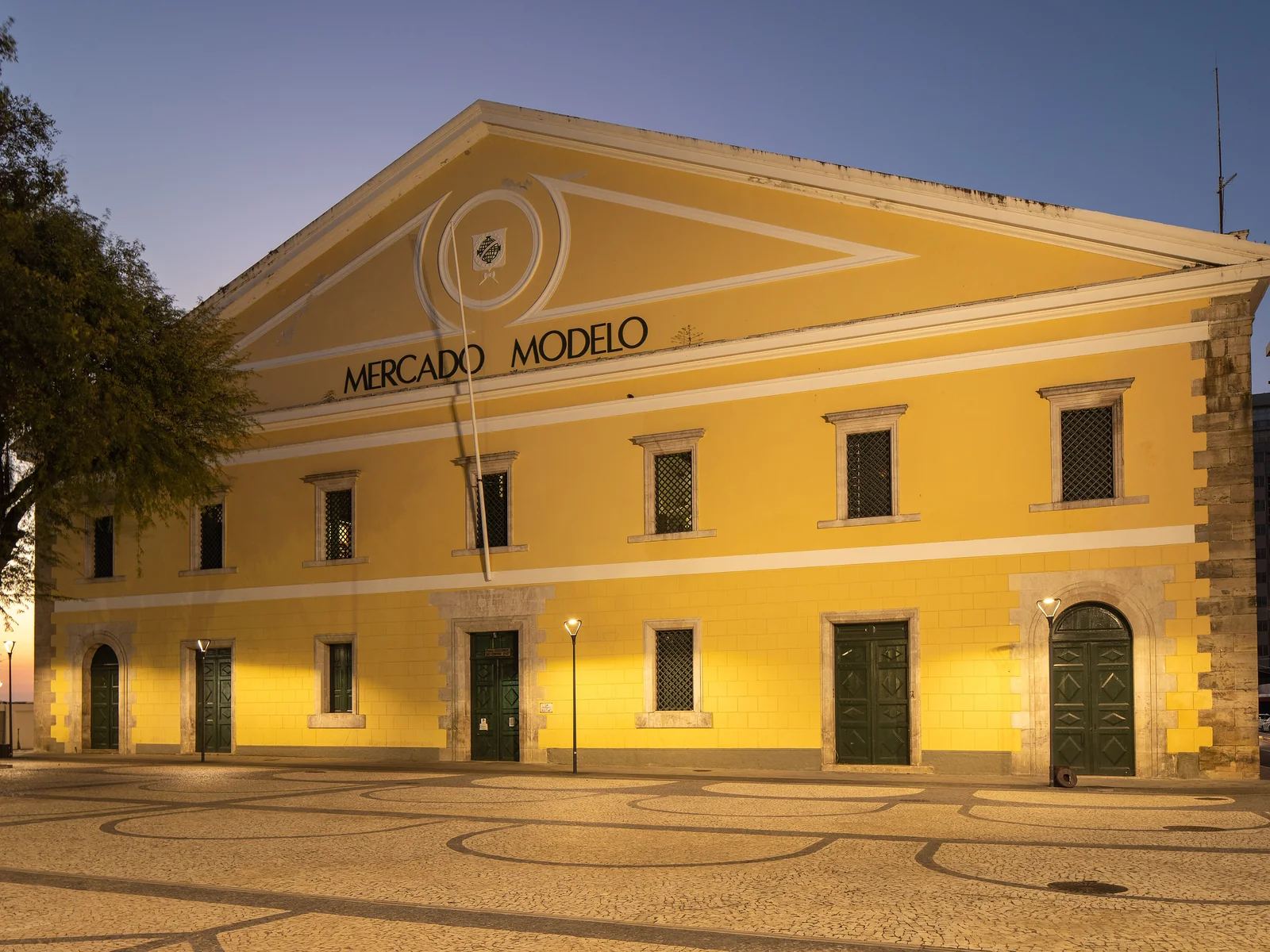 07 / 07